
A Subadult Common Swift Was Tracked in Non-stop Flight for 19 Months
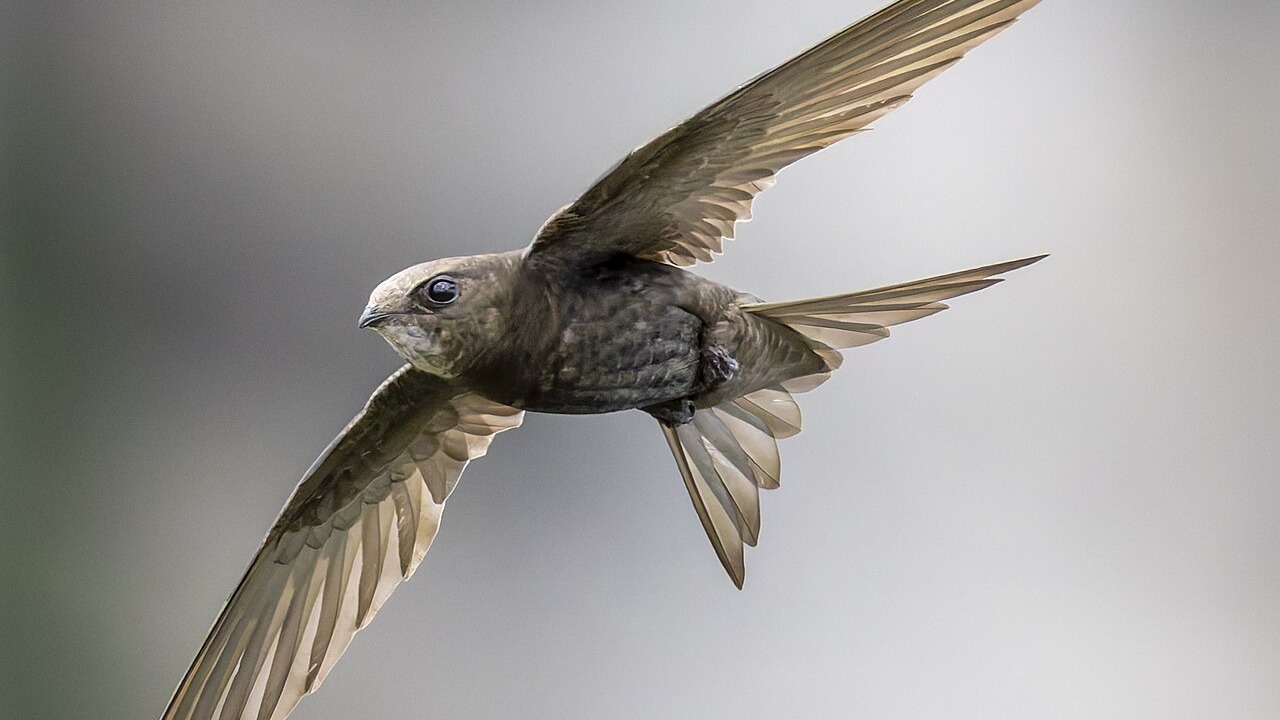
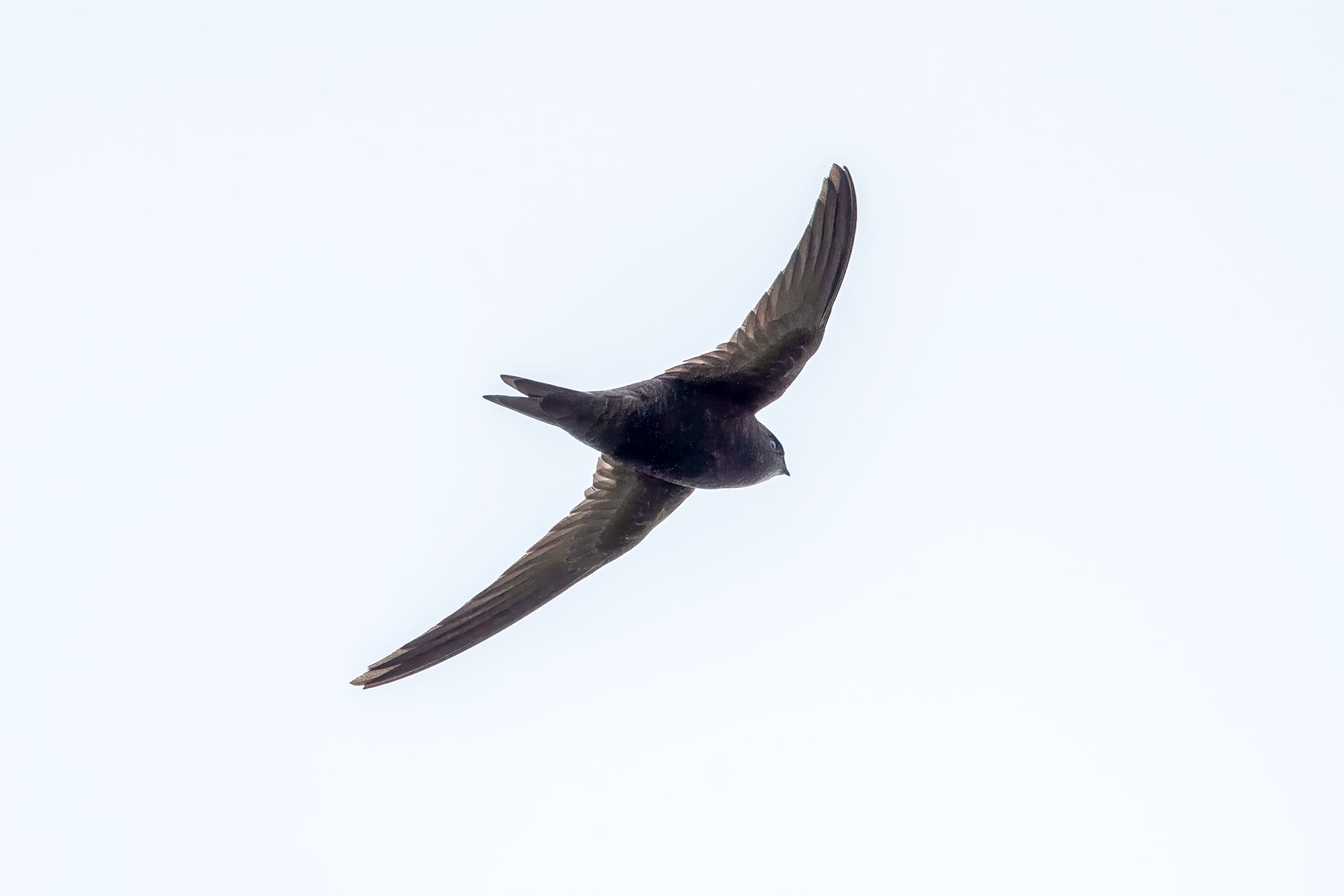
A subadult common swift (Apus apus) remained in continuously monitored flight for 19 months, providing an unusually long record of how a young bird moves before entering the breeding population. The study was published online on 19 March 2026 in Ringing & Migration.
The bird was followed from the Ghent Voorhaven research site in Belgium and used non-breeding areas in eastern Africa, including Malawi and Mozambique. It carried a multi-sensor data logger that recorded information across migration and the non-breeding period. The researchers compared its movements with patterns previously documented in adult swifts, including migration routes, locations visited and flight altitude.
The young bird broadly resembled adults
The subadult’s migration patterns and flight altitudes were similar to those known from adult common swifts. Its non-breeding flight activity also followed the moonlight-related pattern described for adults, in which activity changes with the lunar cycle.
The authors suggest that the similarities may reflect a combination of inherited behaviour and experience gained during the relatively long subadult stage of this long-lived species. Their data do not separate these possibilities.
Breeding-season flight differed from the moonlight pattern
During the breeding season, the bird’s flight activity deviated from the moonlight-driven pattern seen during the non-breeding period. The researchers identify anthropogenic skyglow as a possible influence and argue that the result opens new questions about how artificial light may affect swift foraging and flight behaviour.
Ecology
Related news
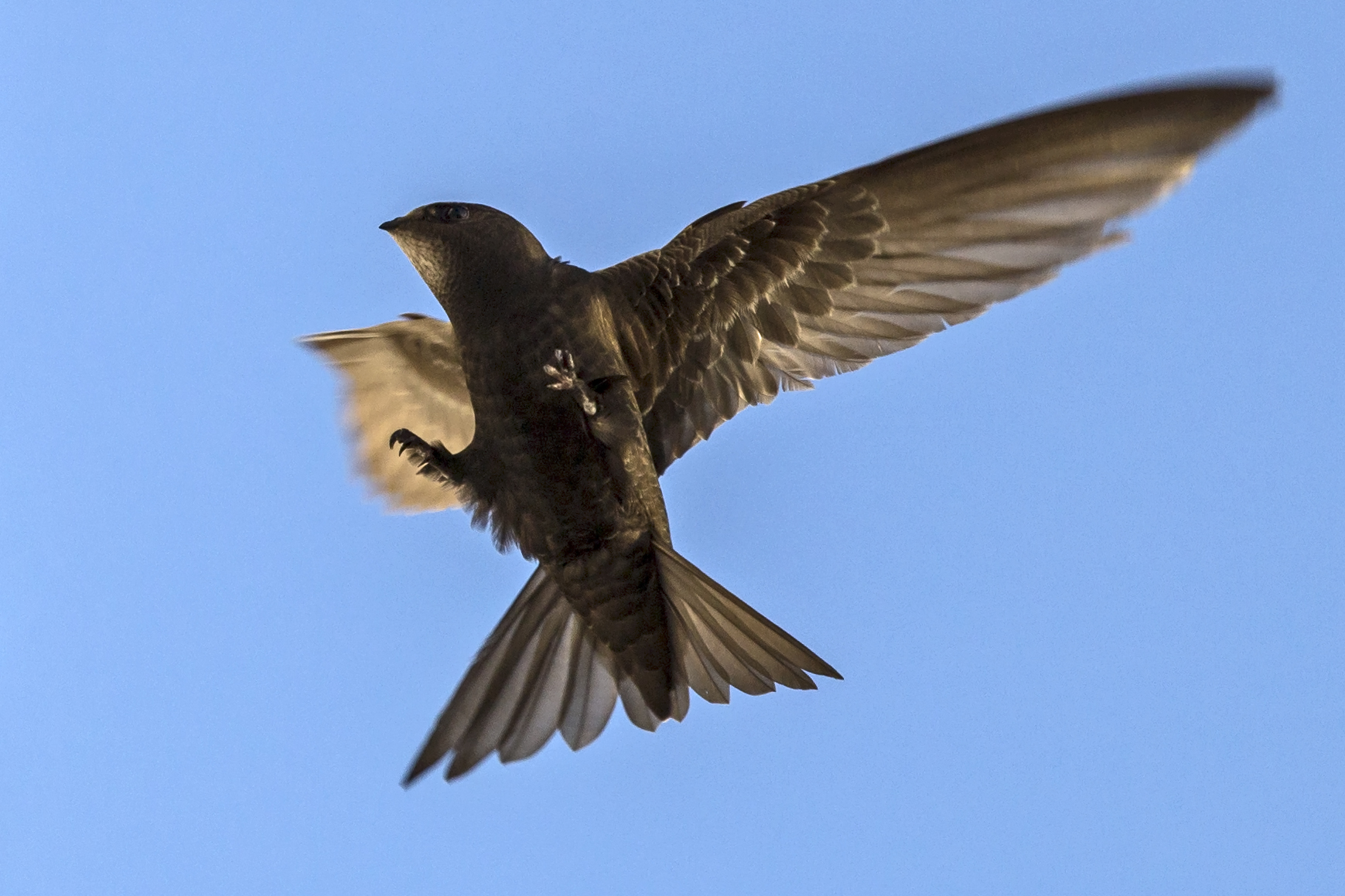
Common Swift Faecal Sacs Contain Measurable Energy That Parents May Recycle
A study of 224 nestling faecal sacs found measurable chemical energy that common swift parents could potentially recycle…
Read story →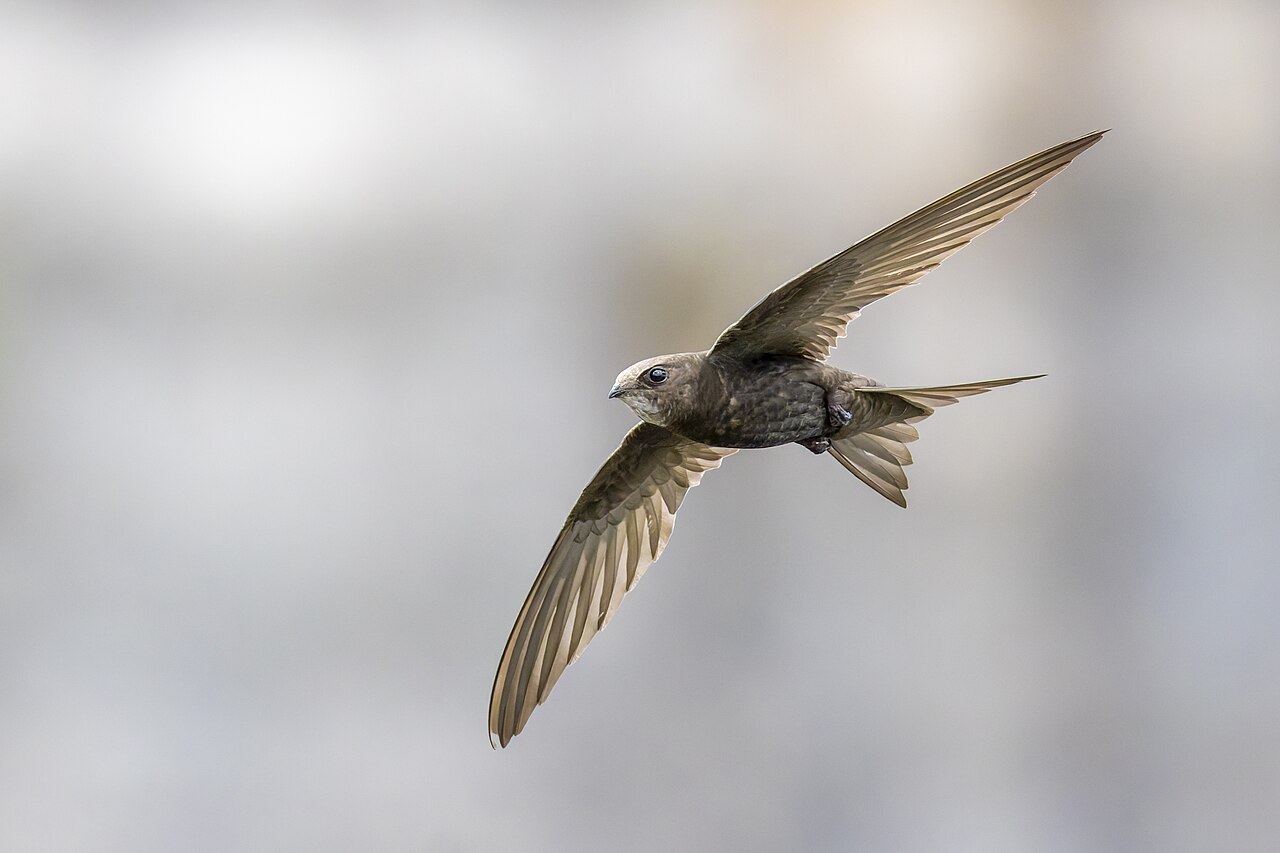
Study Reports First Documented Avipoxvirus Infection in a Swift Species
Four juvenile Common Swifts from three breeding sites in Germany developed avipoxvirus-associated wing lesions. Two recovered and were…
Read story →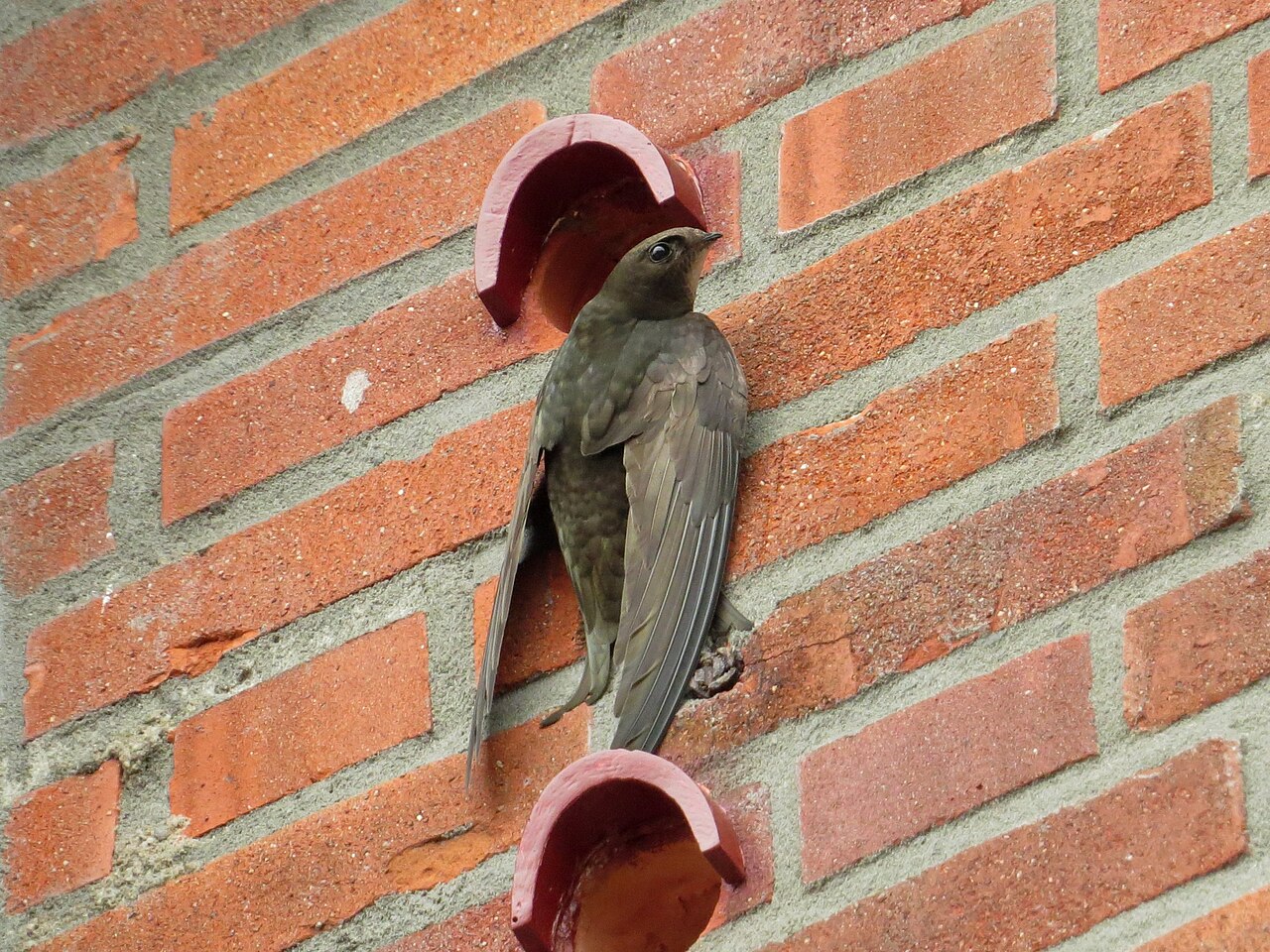
Common Swifts Reused Previous Nest Sites in More Than 94% of Repeat Breeding Records
A 15-year study found that common swifts reused previous nest sites in about 94–95% of repeat breeding records.…
Read story →SPECIES IN THIS STORY
Species in this story
Independent research and conservation news archive
Did you find this information useful?
Wildlife Vagabond is independently built and maintained. Voluntary support helps cover source verification, hosting and continued work on research and conservation news.
Support Wildlife VagabondThe news archive will remain freely available.