
Successful Kingfisher Breeders Were More Likely to Return the Following Year

A five-year study of common kingfishers (Alcedo atthis) tested whether breeding success influenced the likelihood that adults would return in a later breeding season. From 2014 to 2018, researchers followed breeding populations in the Danube River system of southwestern Slovakia and in Central Bohemia, South Bohemia and the Vysočina region of Czechia. They ringed 353 adults and recaptured 53 in subsequent years.
Failed breeders were not recorded back the following year
None of the 19 adults that failed to produce a brood in one season was recorded back the following year. Among 326 successful breeders, 34 returned, or about 10%. Successful breeders were therefore more likely to be recorded again the following year.
Among females, birds that fledged more young were also more likely to return. The authors discuss two possible explanations. Abundant food could allow some females to raise more young without paying as large a cost in survival or later site fidelity, or females with especially high breeding success may simply be higher-quality individuals. The authors present both as possible explanations for the female pattern.
Site fidelity was low and mate fidelity even lower
Overall breeding-site fidelity was about 13%, while fidelity to the same mate was only 2%. Males had higher return rates than females. The authors relate the particularly low mate fidelity partly to the females’ partial migratory behaviour: a female may not return to her former territory, or may arrive after her previous male has already paired with another female.
Among birds that did return, only females improved their breeding performance in the following season. The authors interpret the results as a sex-specific link between breeding success, return behaviour and parental investment: past reproductive performance was associated with whether birds were encountered again, but the pattern differed between males and females.
Behaviour
Related news
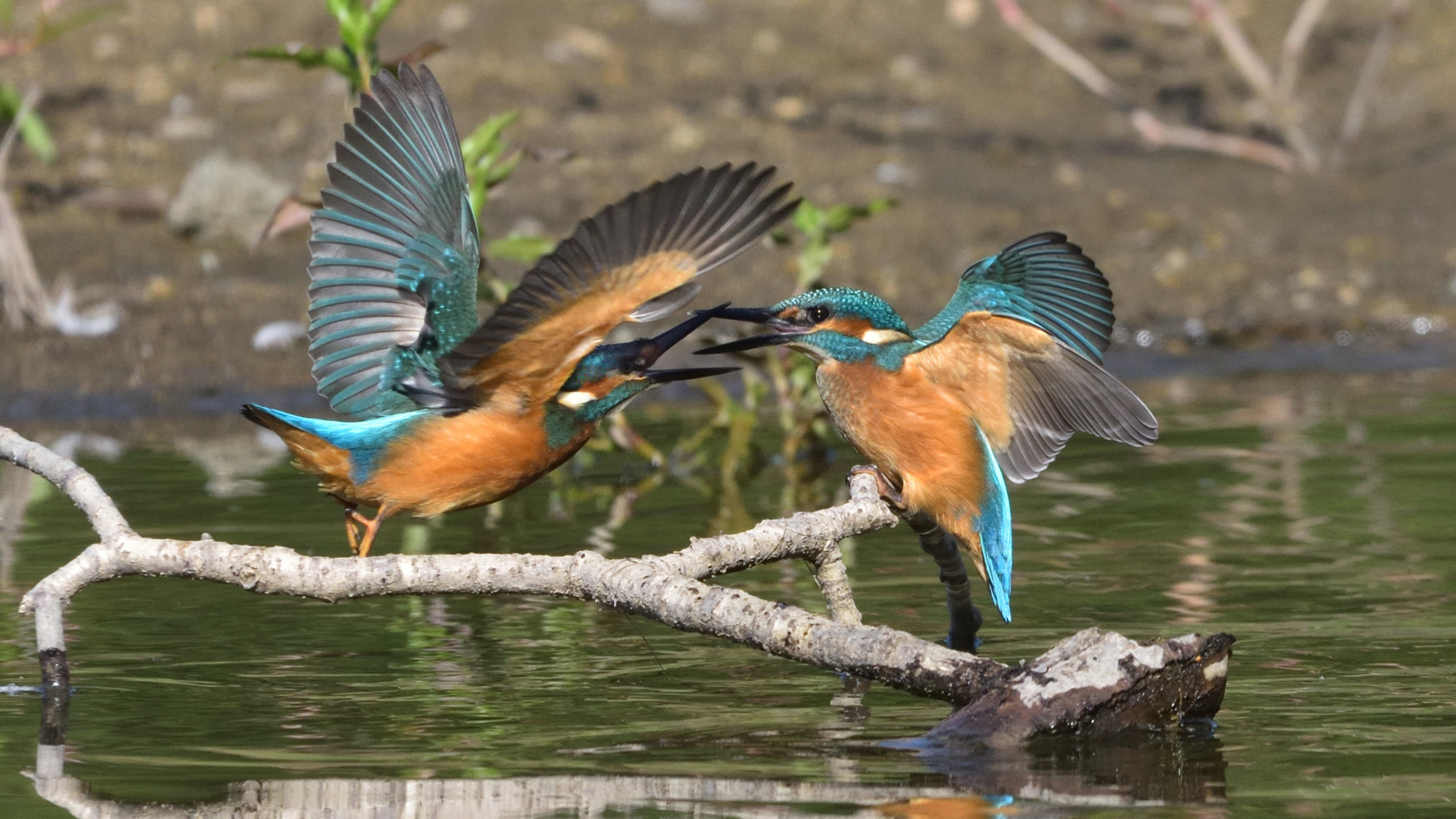
Earlier-Fledged Juvenile Kingfishers Migrated Farther and Followed Region-Specific Routes
A 2026 study of juvenile common kingfishers from Czech and Slovak populations found that earlier-fledged birds migrated farther,…
Read story →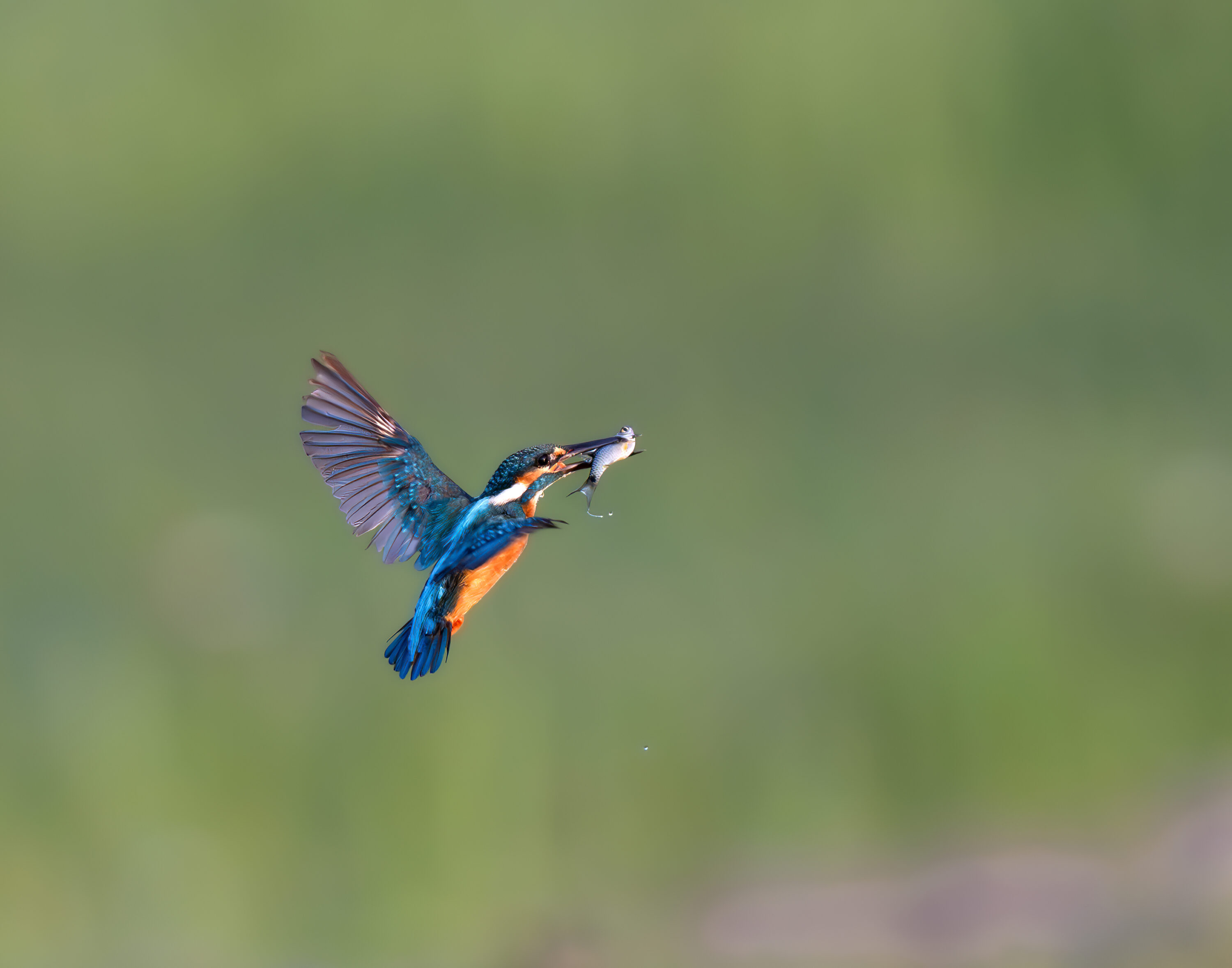
Five Kingfisher Species in Kerala Differed in Hunting Success Across Perch Heights
Across 628 observations at seven sites in northern Kerala, five kingfisher species showed different hunting-success patterns across perch…
Read story →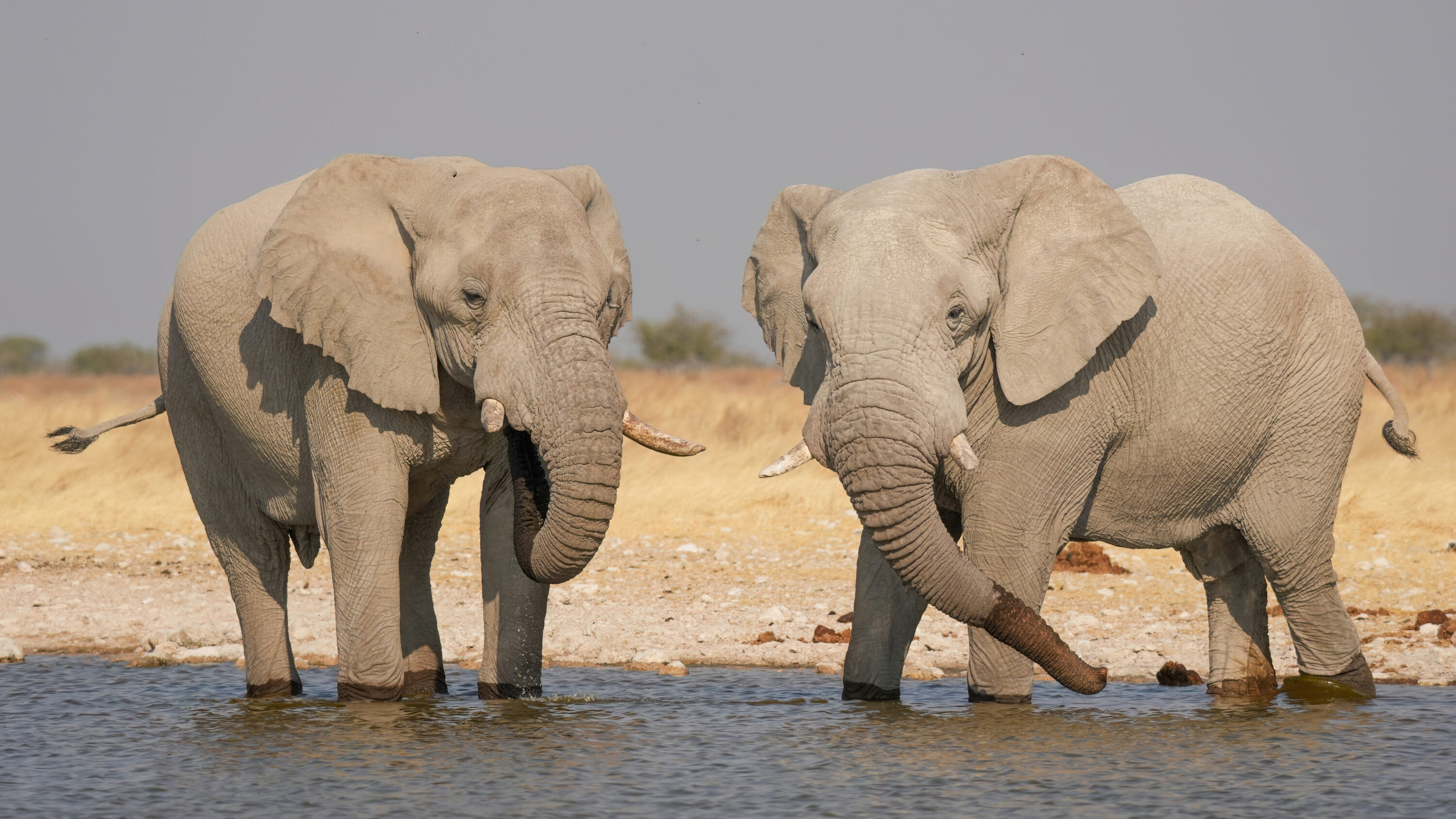
Three Ways of Analysing Elephant Calls Gave Different Results
Recordings from a semi-free herd in South Africa show how the method used to classify call timing can…
Read story →SPECIES IN THIS STORY
Species in this story

Independent research and conservation news archive
Did you find this information useful?
Wildlife Vagabond is independently built and maintained. Voluntary support helps cover source verification, hosting and continued work on research and conservation news.
Support Wildlife VagabondThe news archive will remain freely available.