Five Kingfisher Species in Kerala Differed in Hunting Success Across Perch Heights
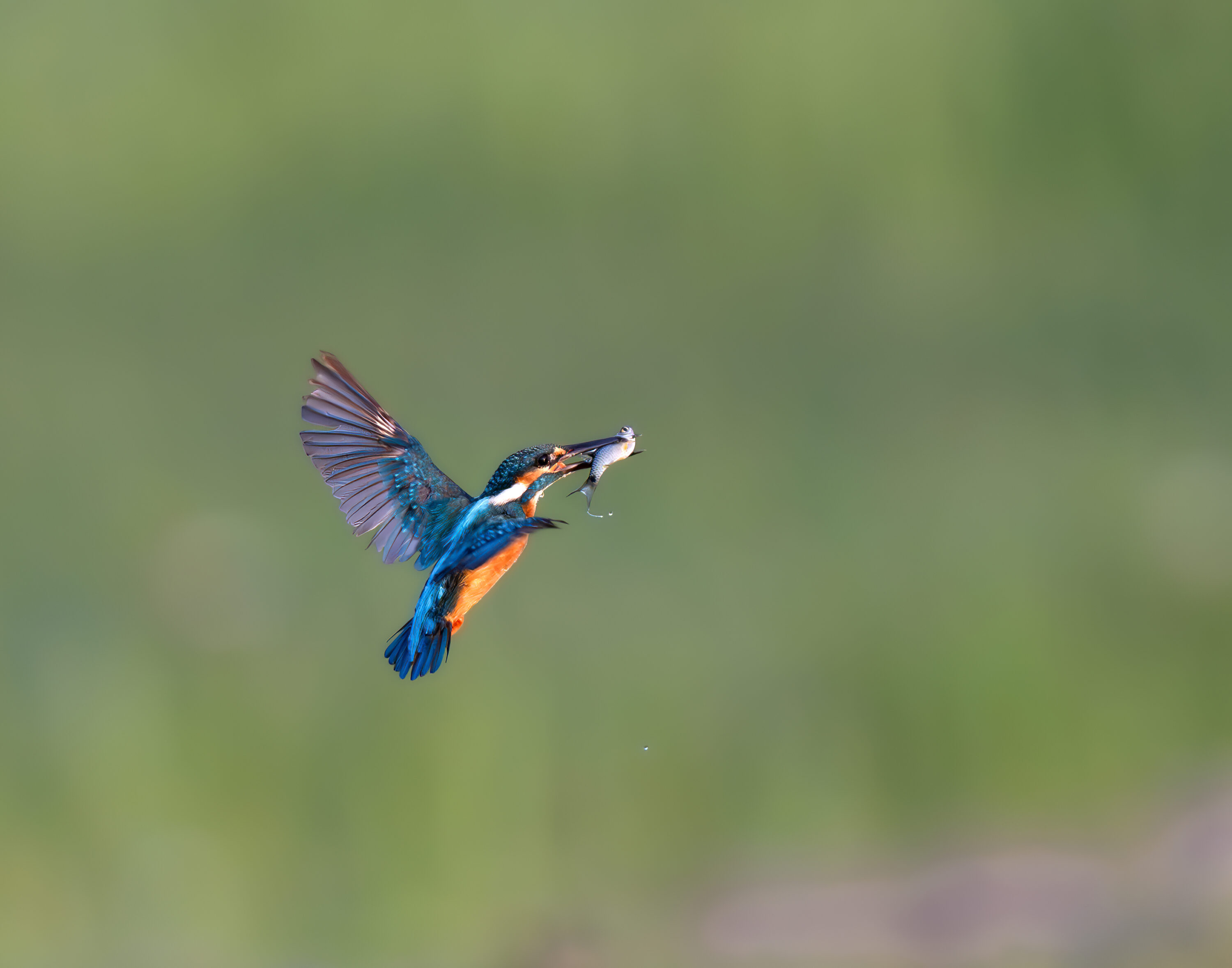
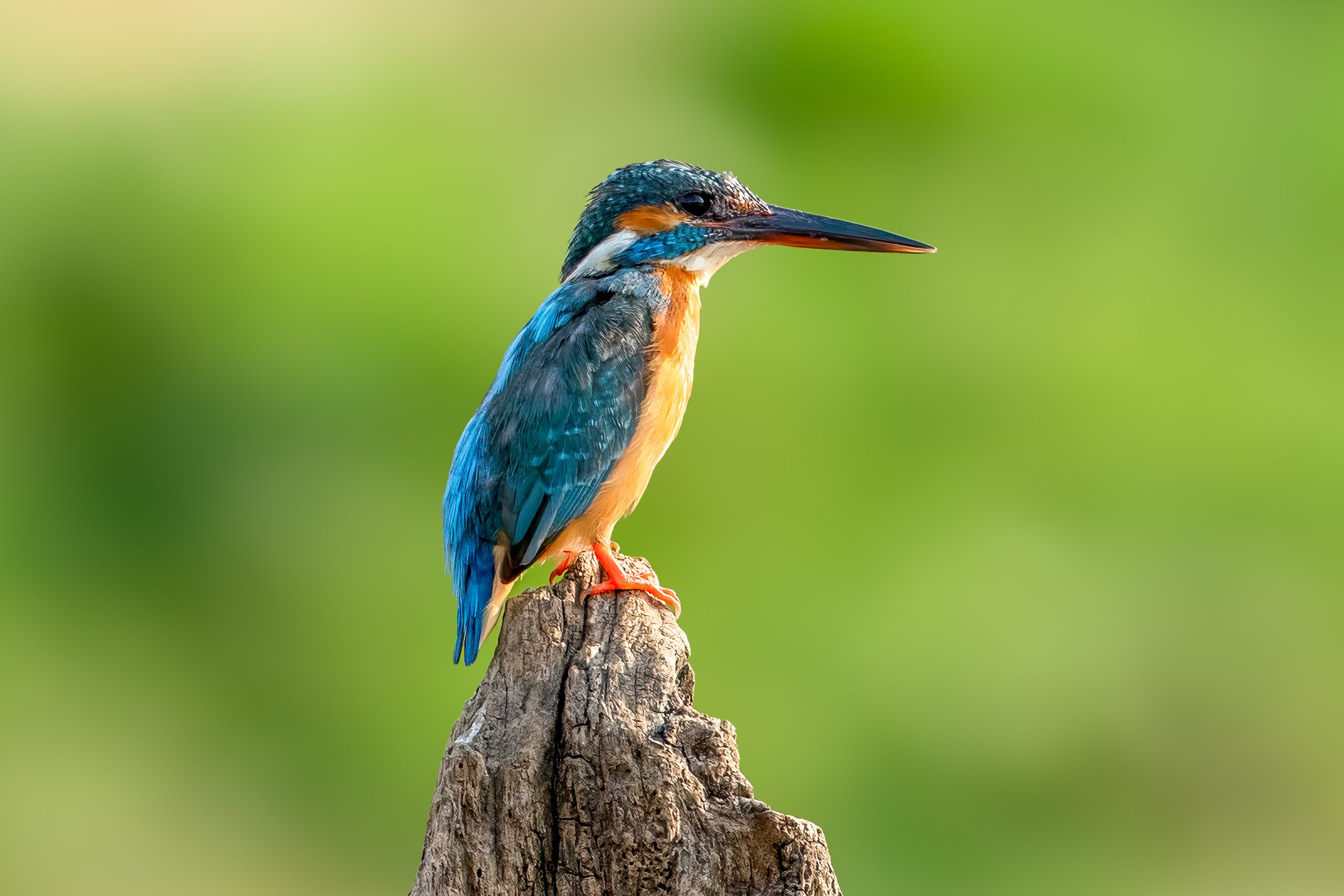
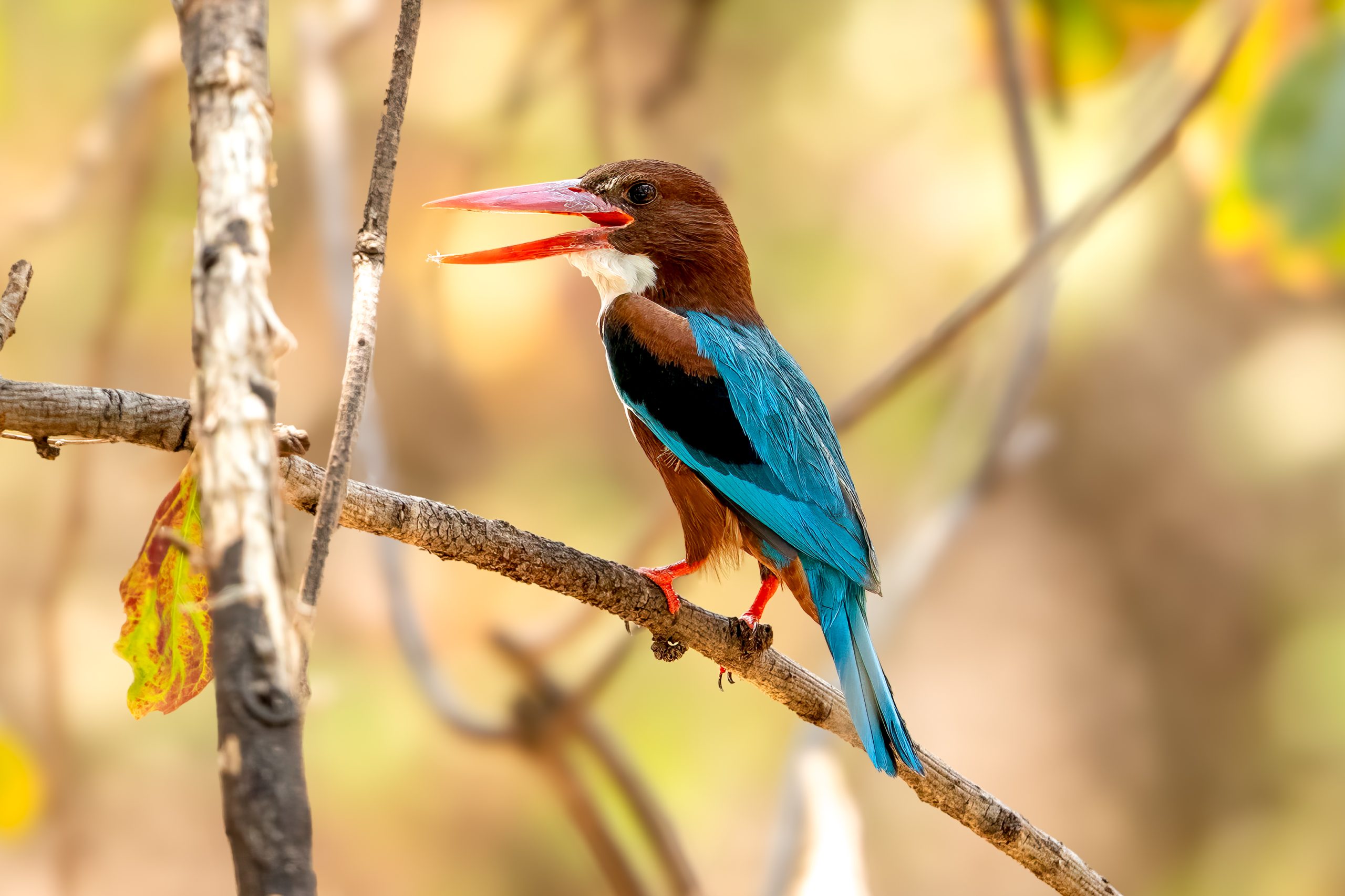
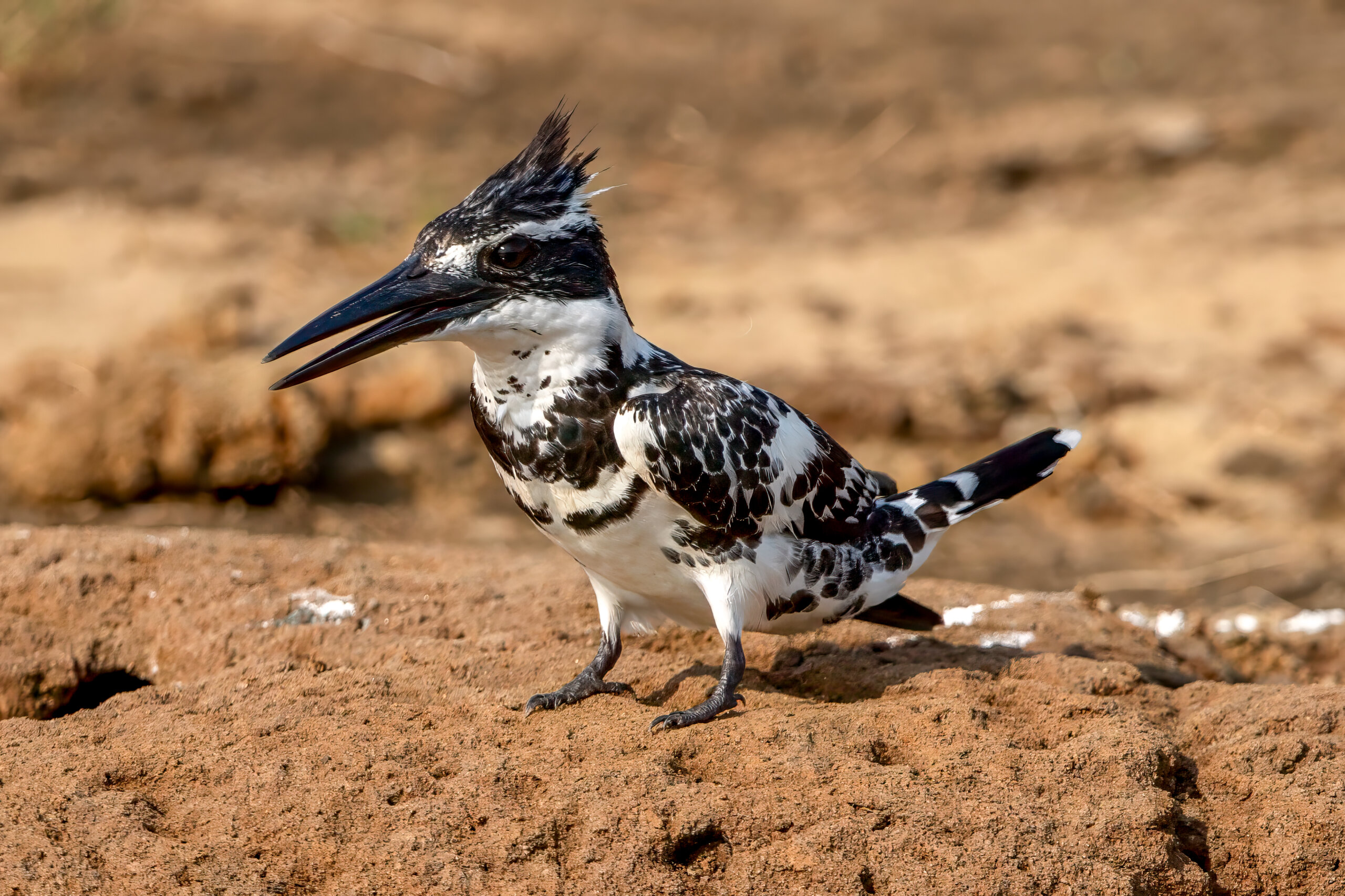
A three-year field study at seven wetland and coastal sites in northern Kerala, India examined how perch height and prey were related to hunting success in five sympatric kingfishers: common kingfisher (Alcedo atthis), white-throated kingfisher (Halcyon smyrnensis), pied kingfisher (Ceryle rudis), stork-billed kingfisher (Pelargopsis capensis) and black-capped kingfisher (Halcyon pileata).
The researchers recorded 628 focal observations from 2021 to 2023, following individual birds and noting hunting height, prey, hunting attempts and whether prey was successfully captured and consumed.
Species differed in hunting success across perch heights
There was no single perch height that maximised hunting success across all five species. Instead, the pattern differed among species. Common kingfishers maintained moderate success across a range of heights, while stork-billed kingfishers performed best from intermediate perches of about 2–5 metres. Pied kingfishers showed lower hunting success from higher positions. Pied kingfishers and black-capped kingfishers were the two least represented species in the dataset, with 24 and 22 observations respectively, so their detailed height-related patterns are based on much smaller samples than those of the common and white-throated kingfishers.
White-throated and black-capped kingfishers showed weaker height-related patterns. The authors interpret the overall contrast as evidence of vertical resource partitioning: coexisting kingfishers use the wetland’s vertical structure differently rather than hunting from exactly the same positions. They also interpret the positive relationship between body size and perch height as part of this pattern, with larger kingfishers tending to use higher perches and smaller species lower ones.
Prey type also mattered for hunting success
In a separate analysis of behavioural and environmental factors, only prey type was clearly linked to whether a hunt succeeded. The study did not independently measure prey abundance at each hunting attempt, so the result concerns what kind of prey was involved rather than whether prey was simply more plentiful.
More than 40% of captured prey could not be identified fully, which limits how finely prey preferences can be resolved. Taken together, hunting success was linked both to how the species used different hunting heights and to the type of prey involved.
The authors argue that wetlands retaining natural perches and vegetation at different heights can support a wider range of foraging strategies among coexisting kingfishers. The observed patterns are consistent with resource partitioning, but the study did not directly test whether differences in perch use reduced competition.
Ecology
Related news
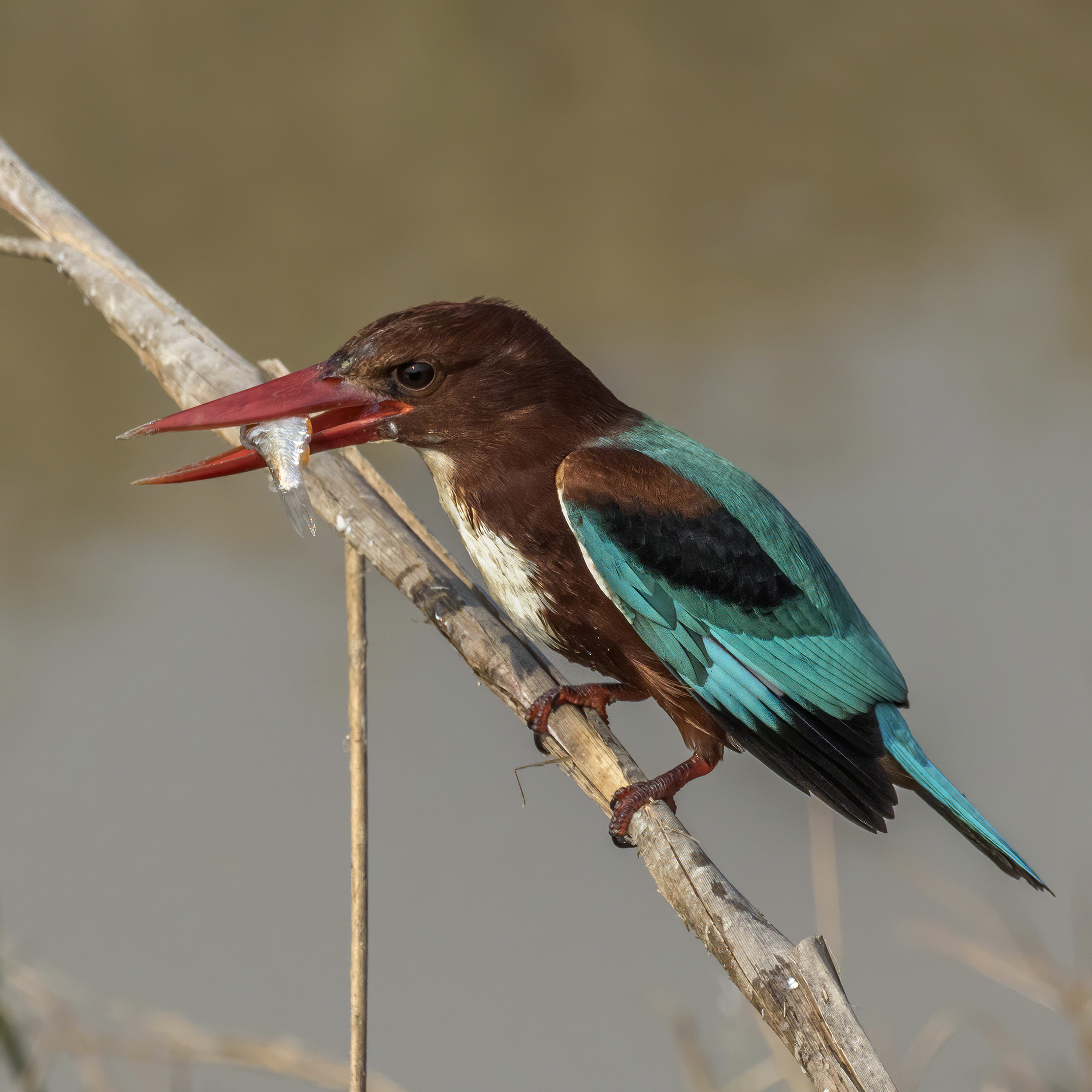
Copper and Zinc Accumulated Differently Across Tissues in Fish and White-throated Kingfishers from River Kalpani
At five River Kalpani sites in Pakistan, copper and zinc showed tissue-specific accumulation in 64 fish and 15…
Read story →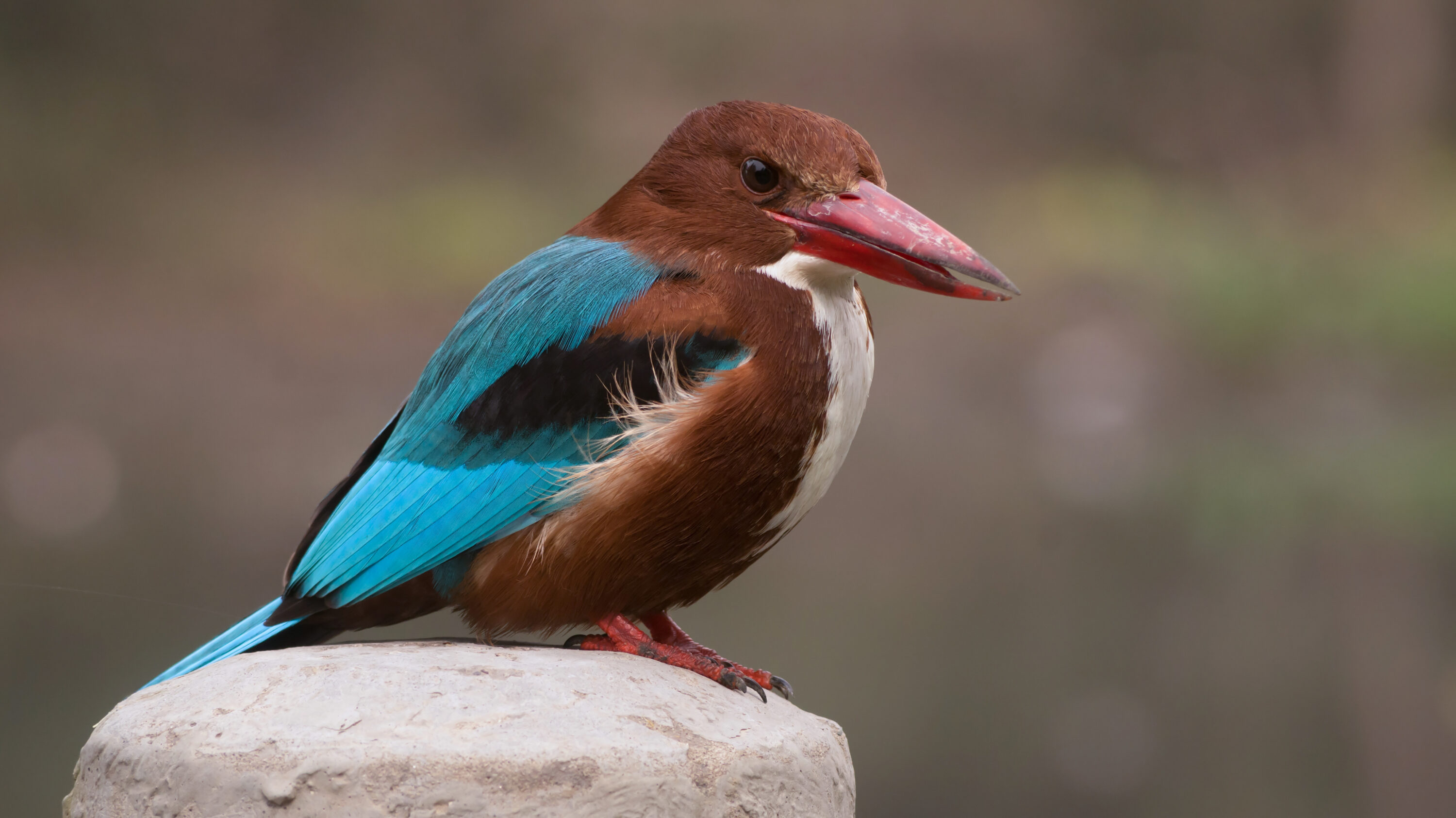
White-throated Kingfisher Index Showed Clear Increases on Both Time Scales in India
The 2025 State of India’s Birds update estimated a +65.8% long-term trend and a +1.5% current annual trend…
Read story →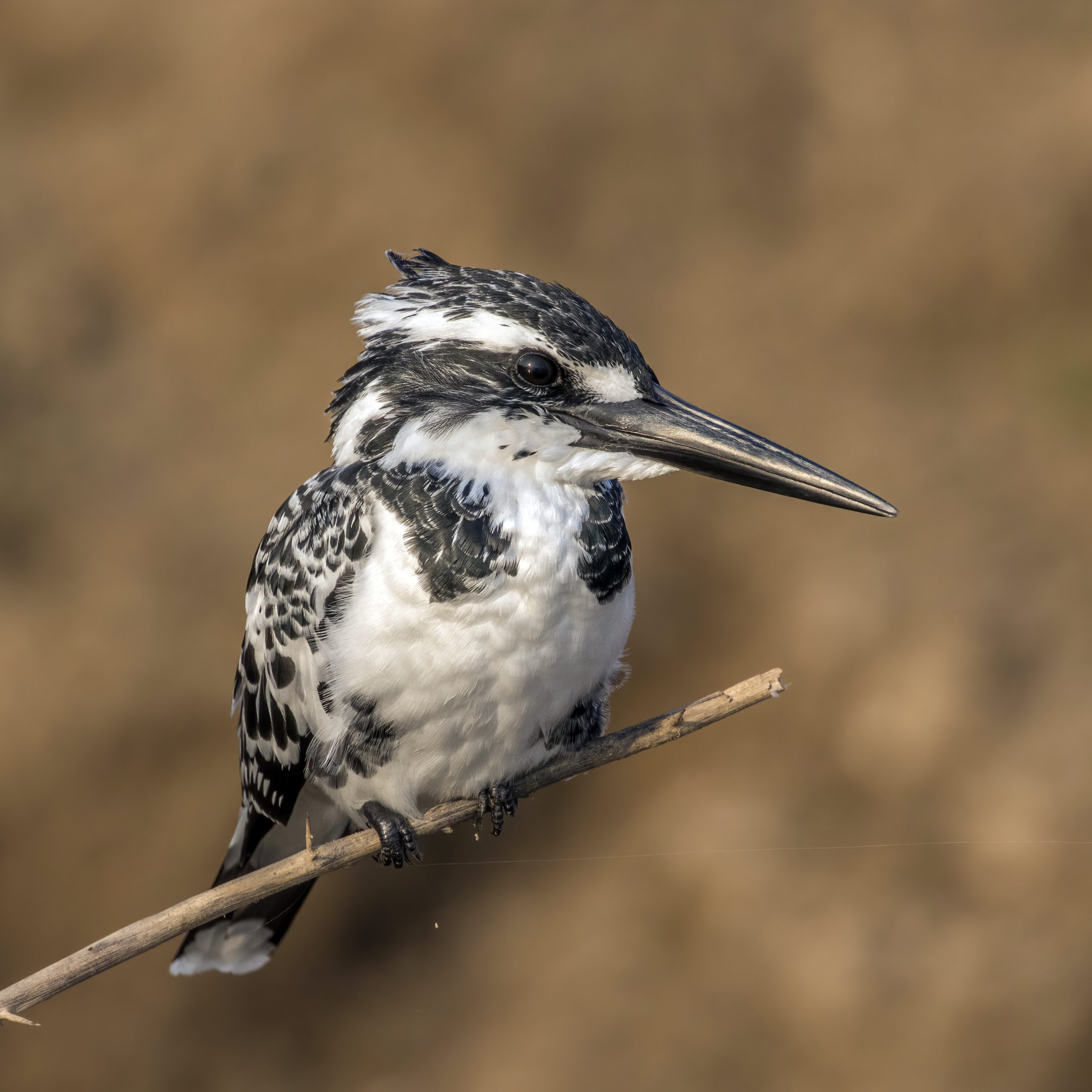
Pied Kingfisher Index Showed Clear Declines on Both Time Scales in India
The 2025 State of India’s Birds update estimated a −43.6% long-term trend and a −2.5% current annual trend…
Read story →SPECIES IN THIS STORY