
Exploratory Paper Found No Direct Evidence of Sambar Browsing Fynbos on Table Mountain
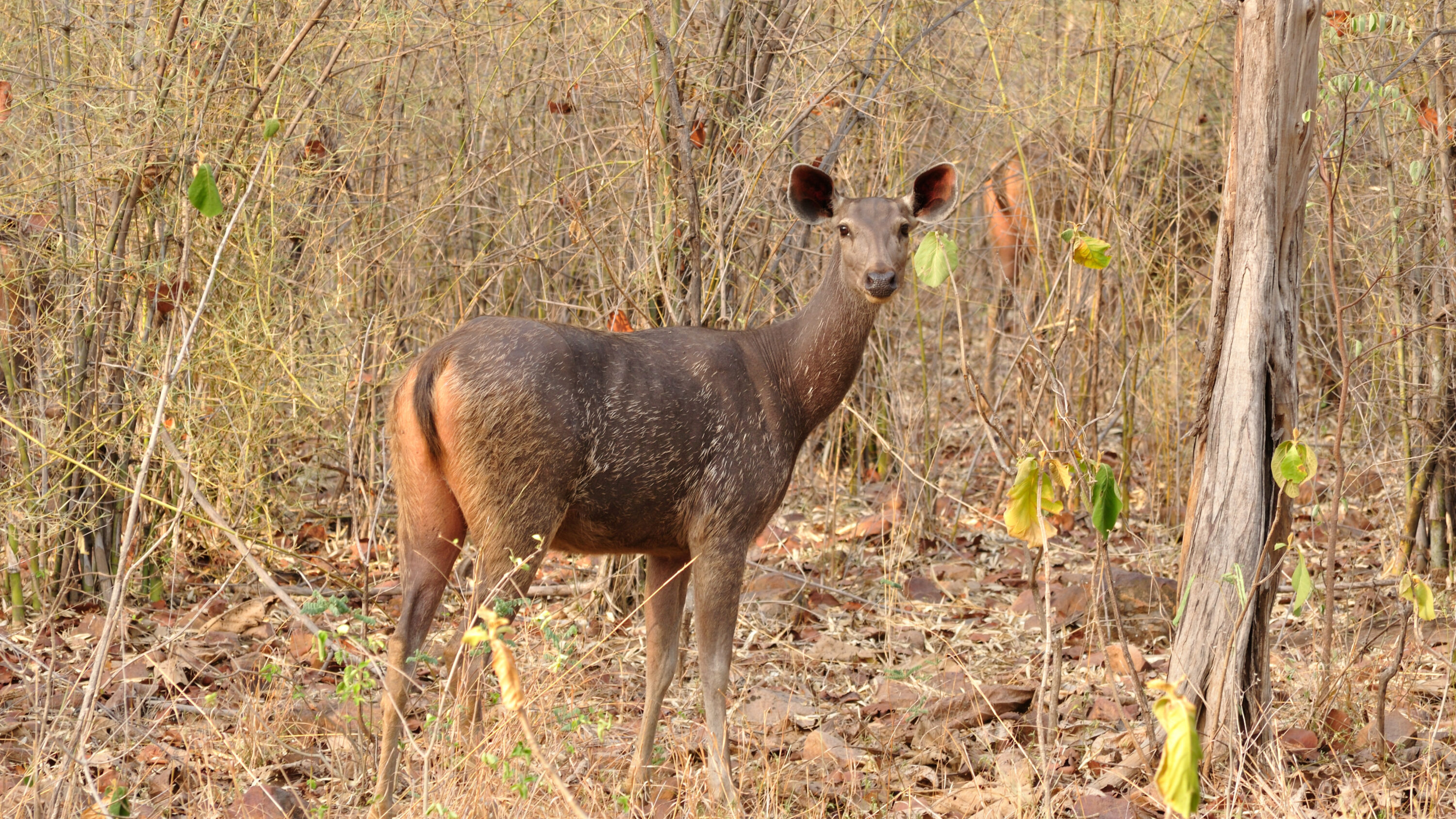
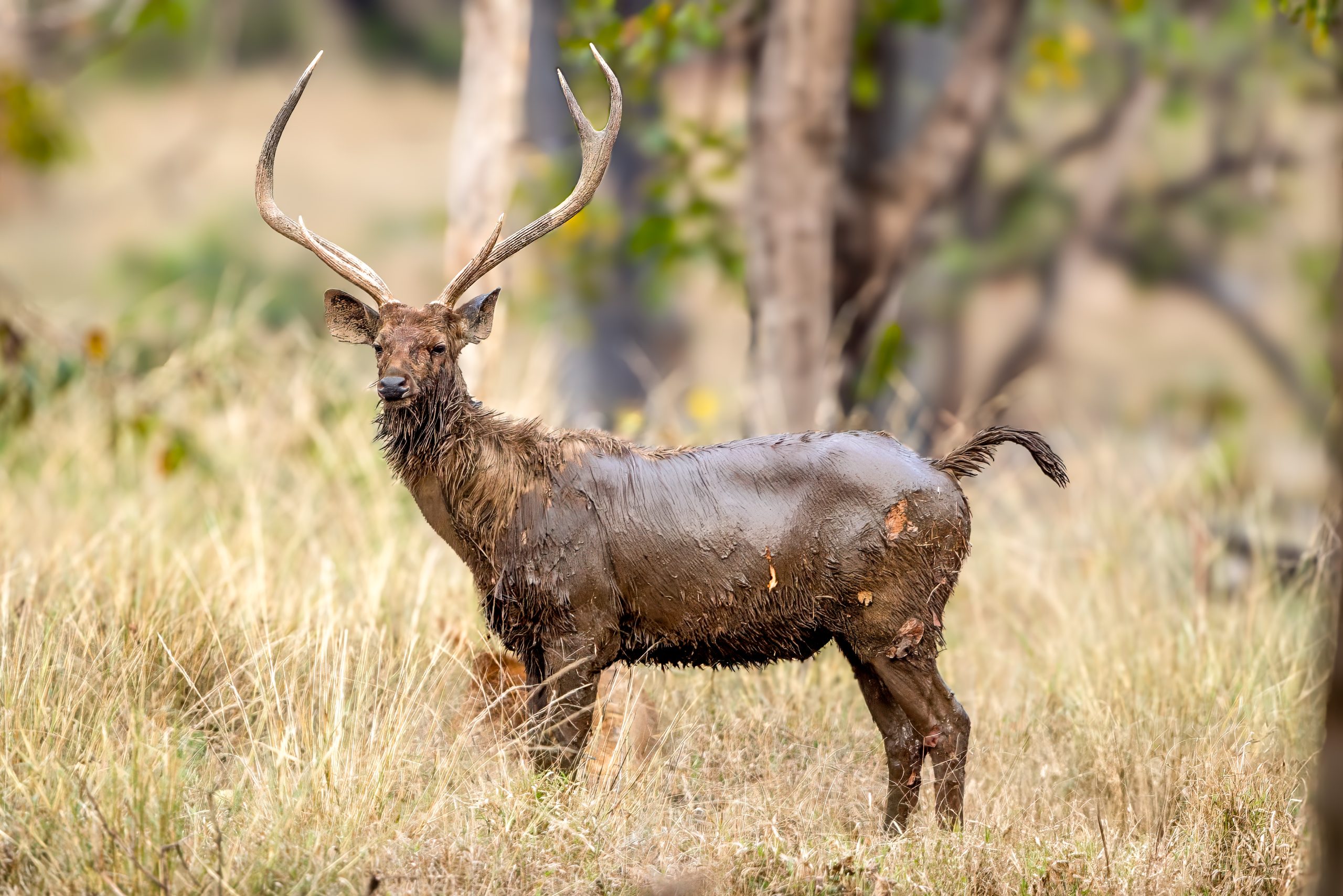
An exploratory study of the non-native sambar (Rusa unicolor) population on Table Mountain combined international research with citizen observations from Cape Town, South Africa’s urban edge. The paper found no direct evidence in the available local observations that sambar were browsing fynbos species, while stressing that their ecological effects on Table Mountain have not yet been studied systematically.
Sambar have been present around Table Mountain for more than a century. Historical records cited in the study describe them as running wild in unknown numbers by 1905–1911, and more recent records place them around Orange Kloof, Hout Bay, Oudekraal and Camps Bay. As of 25 February 2026, the author found 22 sambar observations on iNaturalist, most of them indirect records such as tracks, droppings or damage to trees. Photographs, videos and reports supplied by residents added observations of behaviour and movements.
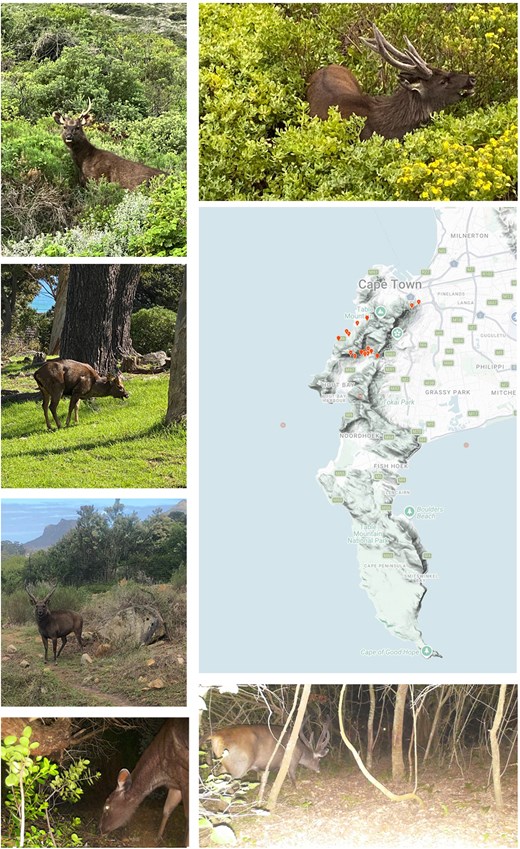
Local observations showed browsing on invasive trees, not fynbos
The local material included sambar browsing invasive Acacia saligna and stripping bark from Acacia mearnsii, as well as damage to pine trees. The only photographs the paper found of sambar browsing within fynbos areas showed animals feeding on bitou bush (Osteospermum moniliferum) and imphepho (Helichrysum petiolare); the author notes that neither is a fynbos species. One stag identifiable by a broken antler was photographed grazing near Camps Bay and later browsing near the 12 Apostles Hotel, indicating movement across about four kilometres of the Oudekraal area.
The paper was written in the context of management efforts to remove non-native herbivores from Table Mountain National Park. Author Nicoli Nattrass argues that the present evidence is insufficient to determine whether sambar have an overall harmful, neutral or potentially beneficial ecological effect, and presents browsing of encroaching woody vegetation as a hypothesis that still needs testing. The study calls for direct research on population size, diet, habitat use and ecological impacts before the species’ role on Table Mountain can be assessed more securely.
Ecology
Related news
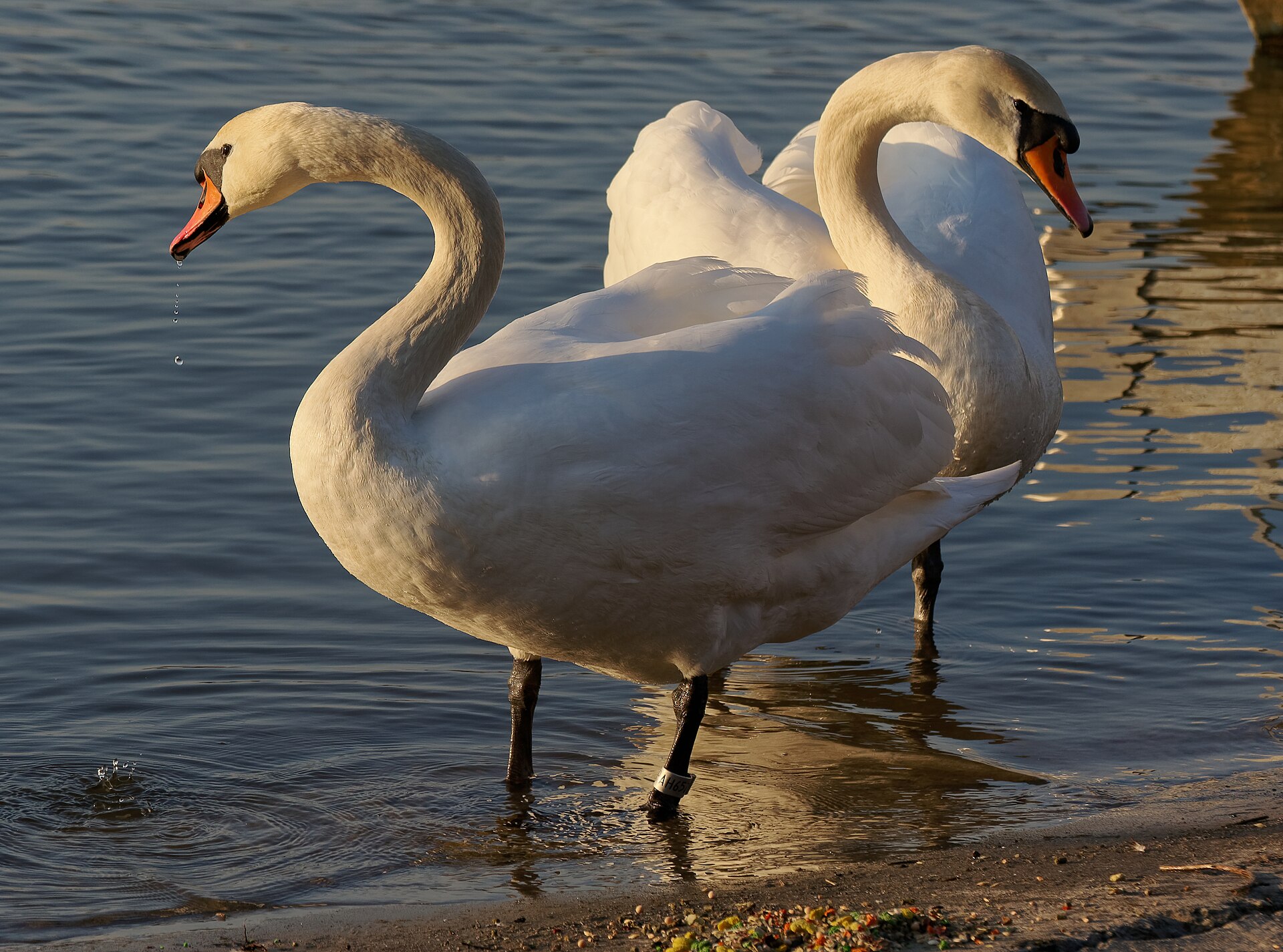
Inland Mute Swans Had Higher Winter Body Condition Despite Harsher Winters and Supplemental Feeding
A study of 853 mute swans from four Polish wintering regions found higher body condition inland than on…
Read story →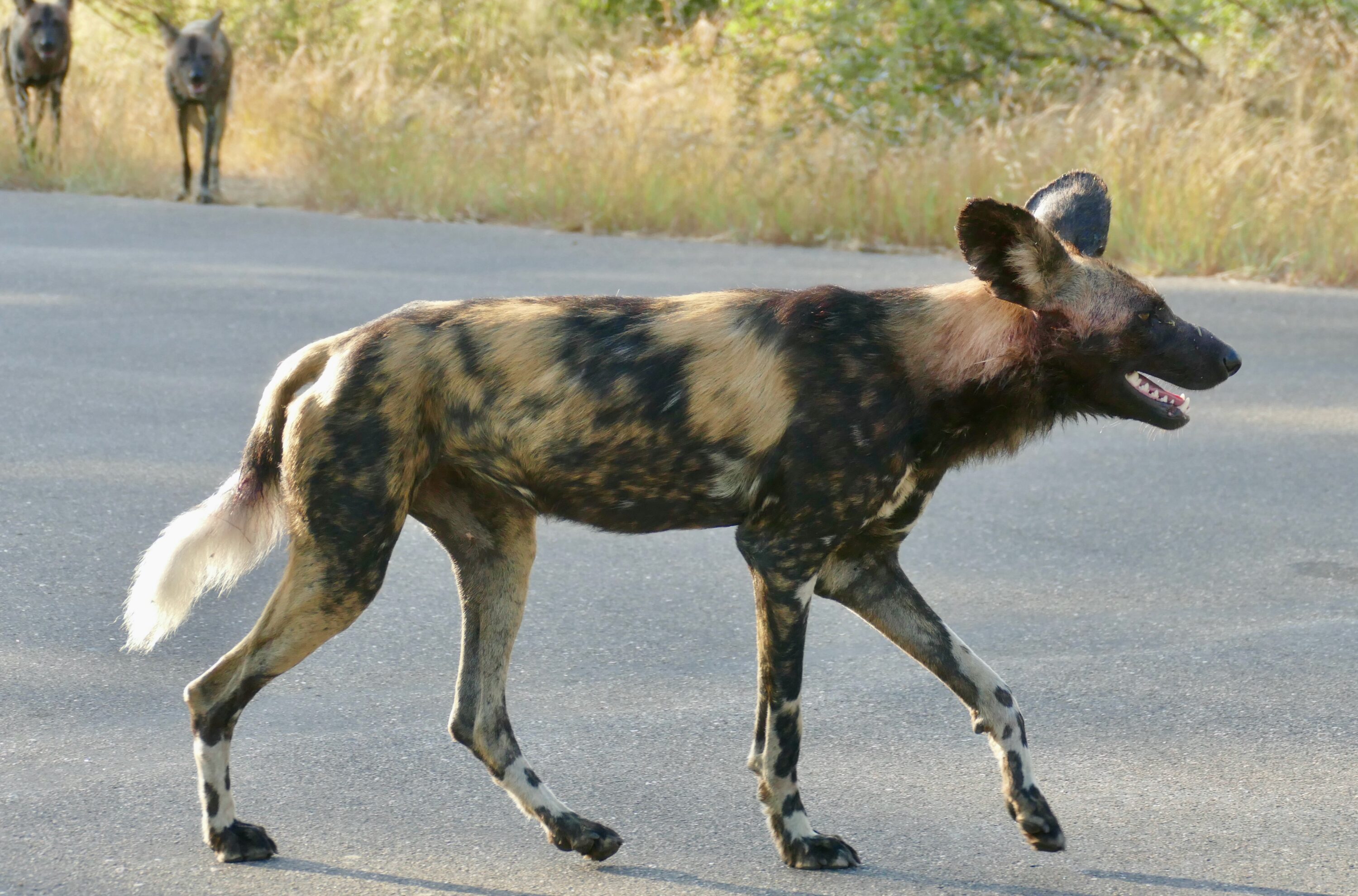
Gut Microbiomes Across Nine Kruger Mammals Clustered More Strongly by Dietary Group Than Species
A study of 89 quality-filtered faecal samples from nine wild mammals in Kruger National Park found that carnivores,…
Read story →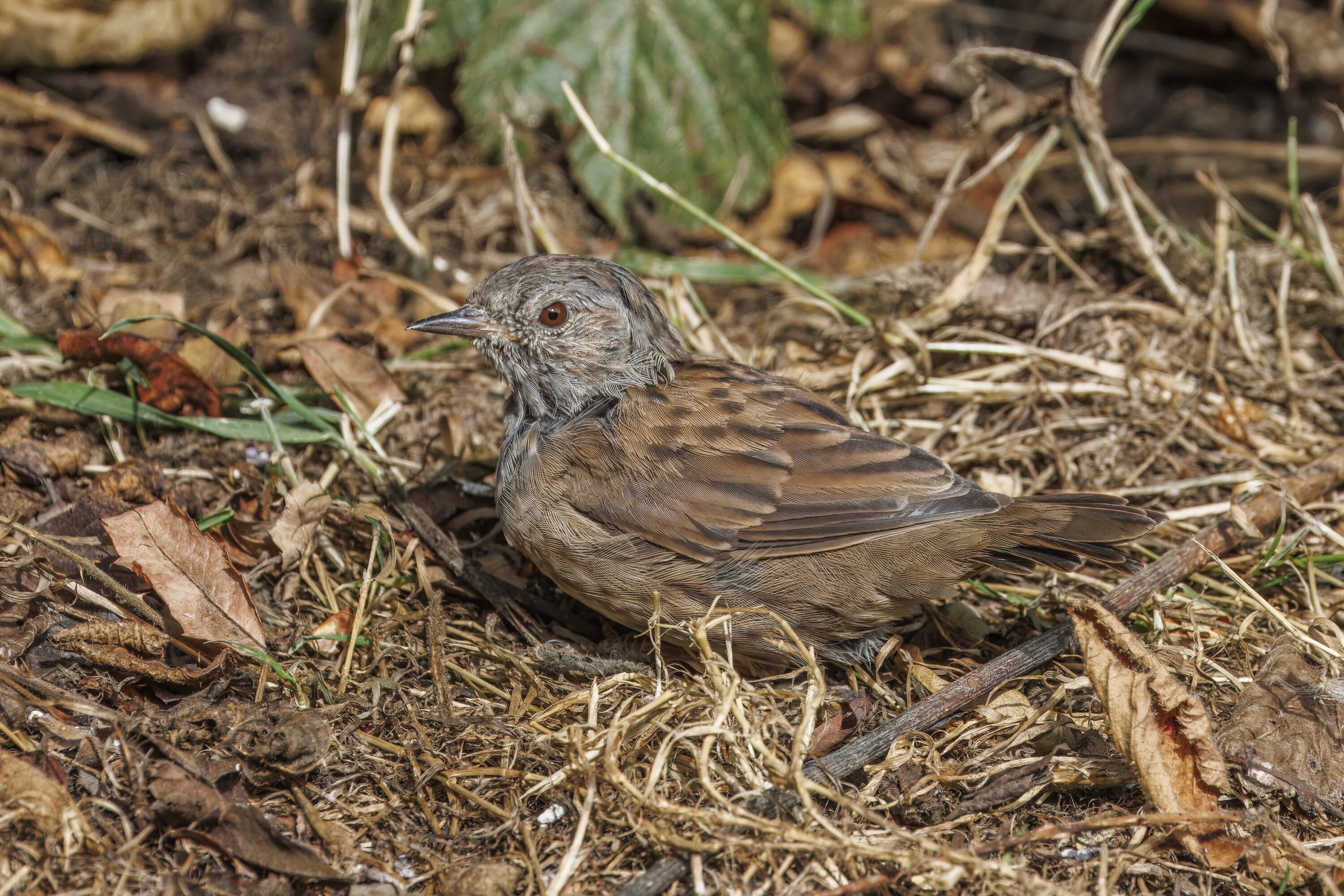
Dunnock Spring Passage Advanced by Up to 8.3 Days Over 61 Years at Hel
Standardised ringing data from northern Poland showed that the first, median and last phases of dunnock spring passage…
Read story →SPECIES IN THIS STORY
Species in this story
Independent research and conservation news archive
Did you find this information useful?
Wildlife Vagabond is independently built and maintained. Voluntary support helps cover source verification, hosting and continued work on research and conservation news.
Support Wildlife VagabondThe news archive will remain freely available.