
Targeted Poaching for Lion Body Parts Appears to Be Expanding Across Africa
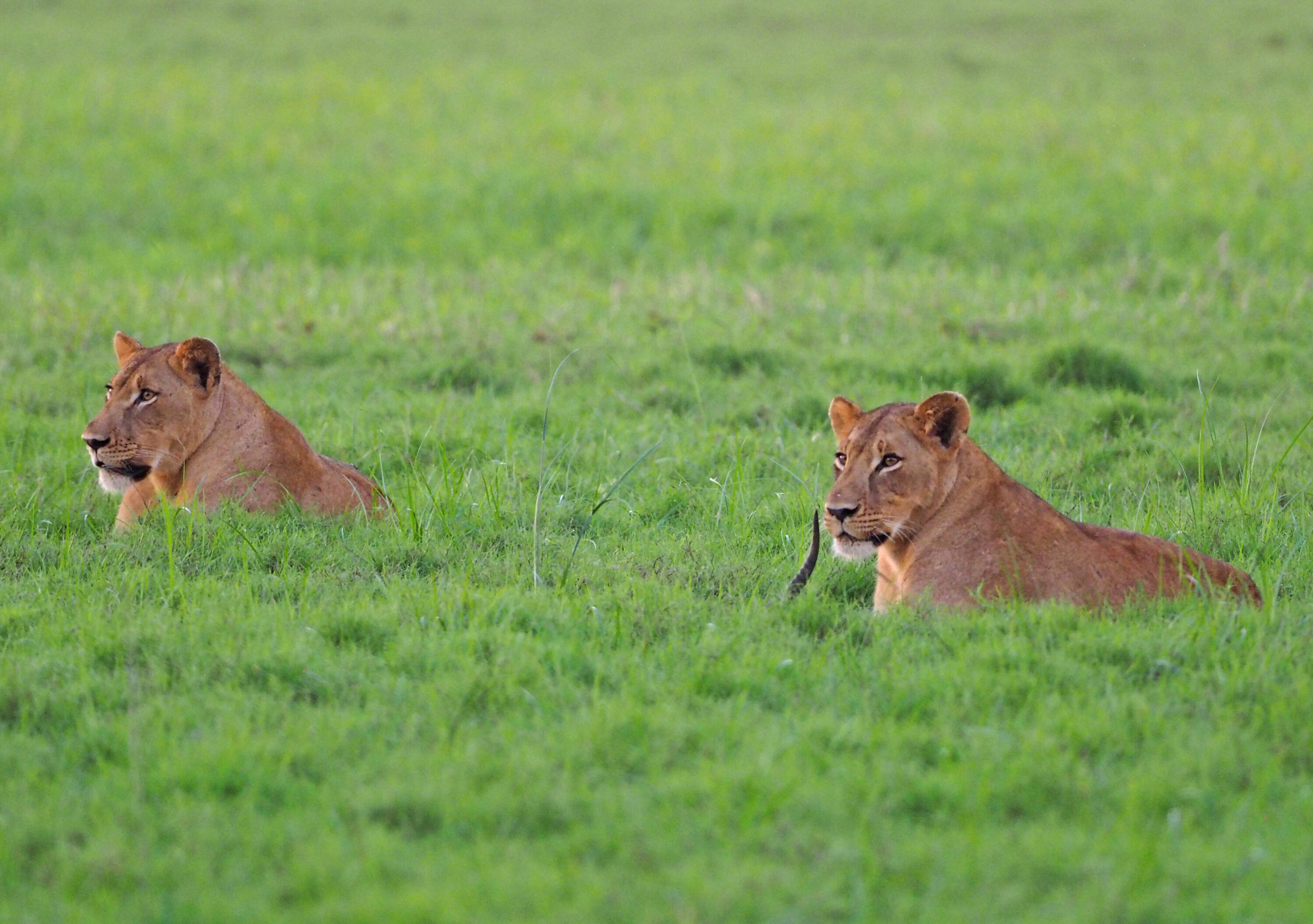
A 2026 review identifies targeted poaching of African lions (Panthera leo) for body parts as a growing threat that is distinct from retaliatory killing, cultural hunting and accidental capture in snares. Reports have become more frequent in parts of Africa and recent incidents appear to be increasing in geographic scope. The authors stress, however, that the available records are incomplete and that the motive behind a lion killing is not always possible to establish.
Lions are targeted for products including claws, teeth, skins, bones and fat. Demand occurs within Africa as well as through international trade, including markets in Southeast Asia. Culturally motivated use of lion parts has been documented in at least 37 African countries. Some trade appears to involve increasingly organised, cross-border criminal networks, although the authors note that greater detection effort may partly influence that impression. They also identify the relative importance of African versus Asian demand as a major remaining knowledge gap.
Mozambique Shows a Clear Rise in Known Cases
Mozambique provides one of the strongest quantitative examples. Between 2010 and 2023, researchers recorded 326 incidents in which human activity caused the deaths of 426 lions, and 25% of the events involved deliberate poaching for body parts. Known cases rose from an average of about one per year in 2010–2017 to seven per year in 2018–2023.
The review places this increase within a wider pattern of recent incidents across Africa, including reports from areas where targeted poaching was previously less prominent. But the authors are explicit that their map of incidents from 2019 to 2025 is not an exhaustive census; it was assembled to illustrate the severity and geographic scope of the threat. They also caution against simple explanations for the increase. For example, the relationship between changes in South Africa’s legal trade in captive-bred lion parts and poaching of wild lions remains unclear.
The Authors Warn of a Potentially Existential Threat
Targeted poaching adds mortality to lion populations already affected by habitat loss, prey depletion, conflict with people and incidental snaring. The authors warn that unchecked expansion of the trade could cause rapid local extirpations and major reductions elsewhere. Their description of the threat as potentially “existential” is therefore a warning about what could happen if targeted poaching becomes entrenched, not a claim that trade has already driven the species to that point.
The review identifies six priorities: stronger protection of wild lions, effective involvement of local communities, better understanding of trade routes and demand, disruption of illegal trade, stronger legal frameworks and demand reduction. The authors argue for acting before poaching networks and illicit markets become more firmly established, because the available evidence already indicates a serious and expanding threat even though its full scale remains underreported.
Trade & poaching
Related news
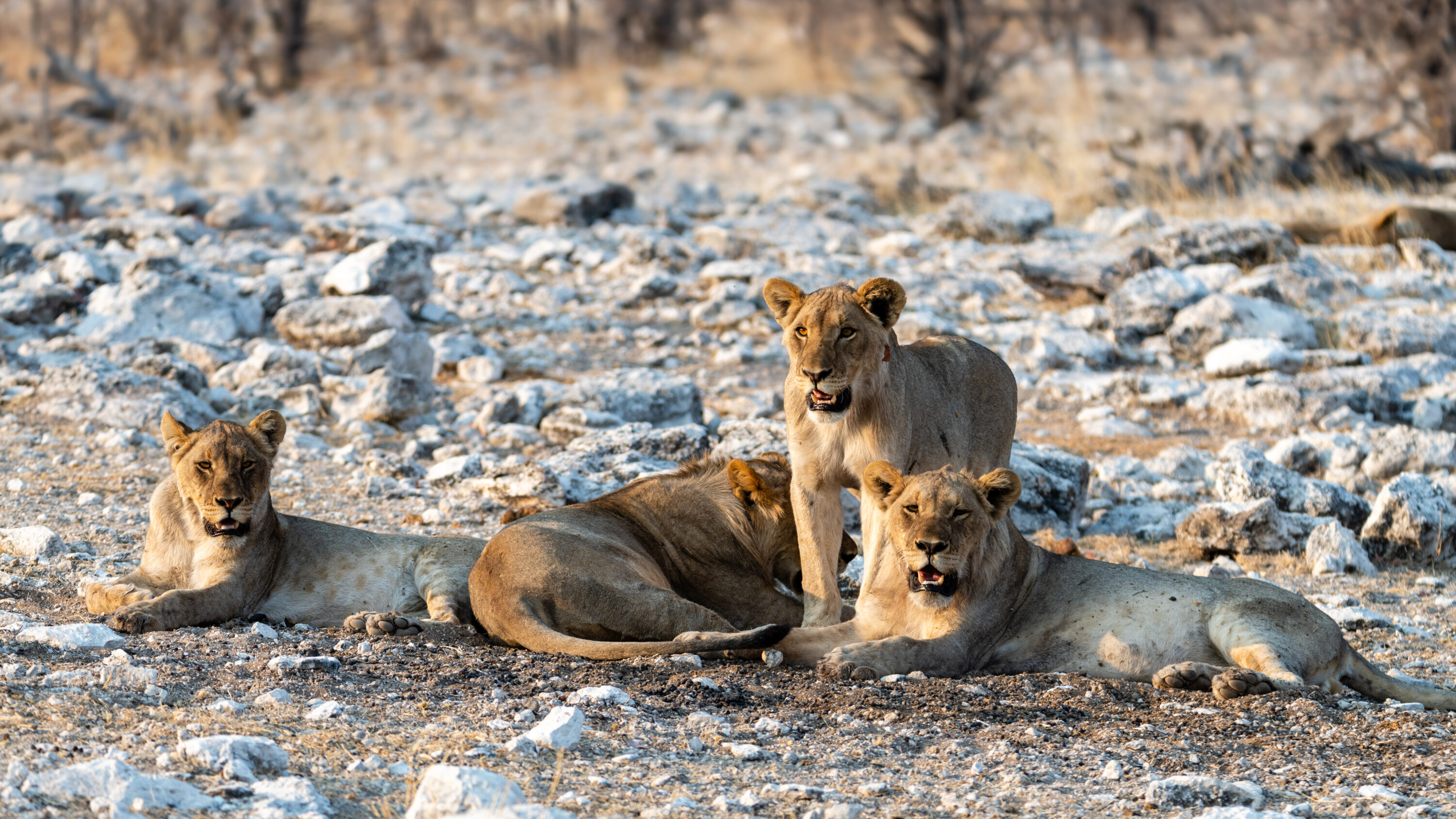
A Little-Known Microbial World Inside Lions’ Guts
Faecal samples from wild lions in Namibia gave researchers a much clearer picture of their gut bacteria. Microbial…
Read story →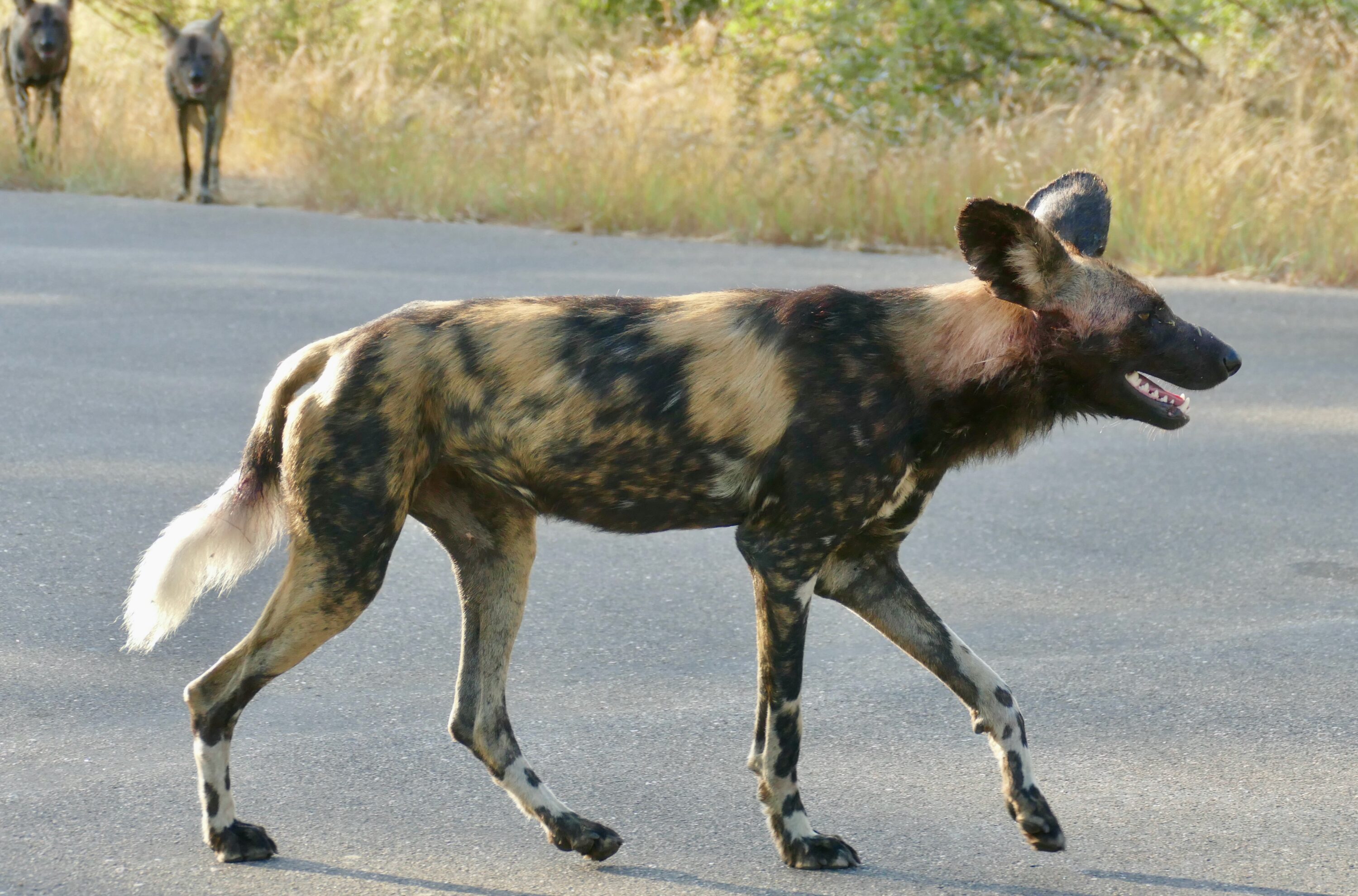
Food Leaves Its Mark on the Gut Bacteria of Kruger’s Wildlife
Gut bacteria in nine mammal species from Kruger National Park followed clear patterns linked to food and digestion.…
Read story →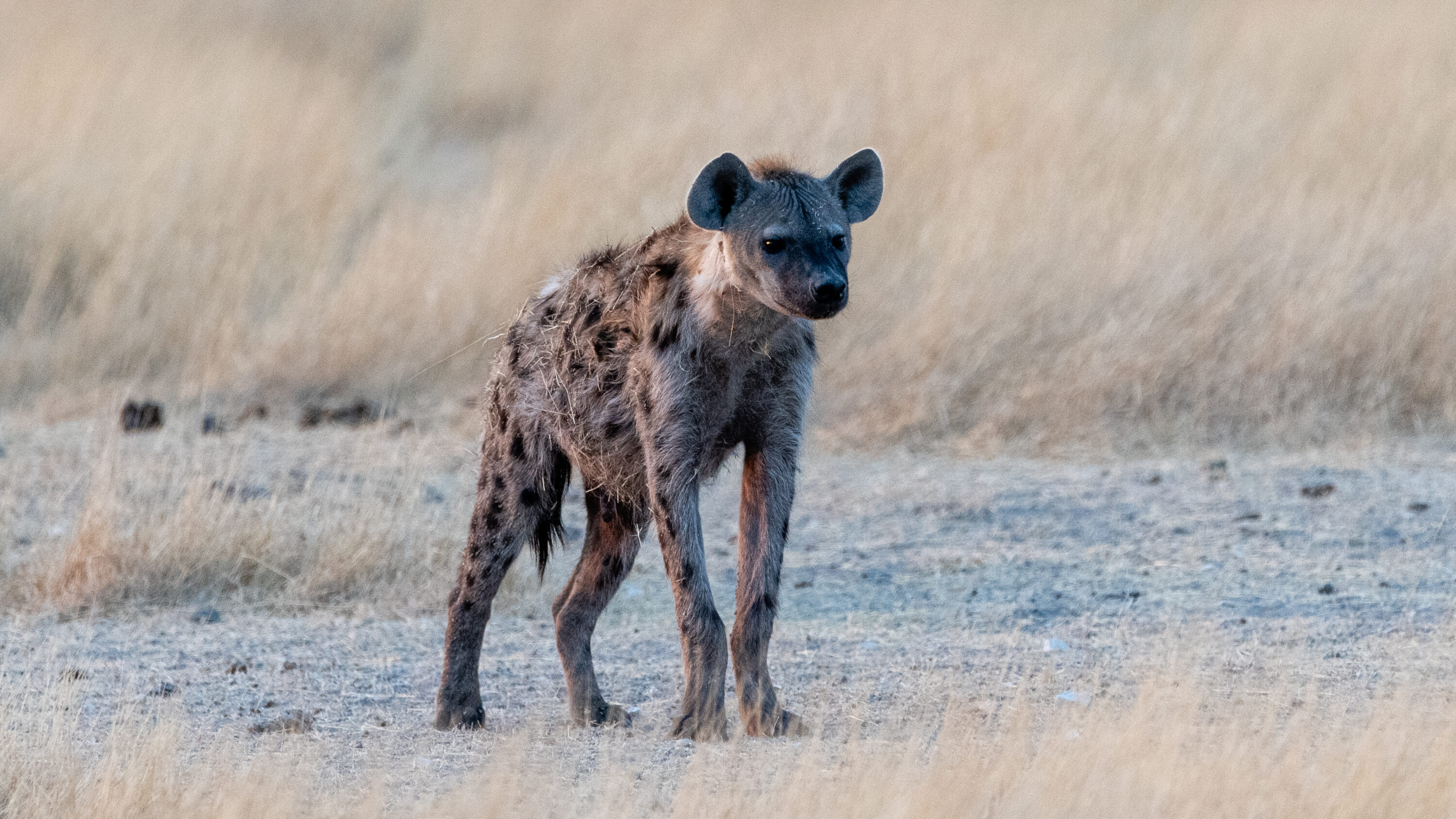
Spotted Hyenas Repeatedly Moved Away From Lions in Five-Minute GPS Data
High-frequency GPS data from Namibia and Botswana showed a robust retreat bias in spotted hyenas around lions, while…
Read story →SPECIES IN THIS STORY
Species in this story
Independent research and conservation news archive
Did you find this information useful?
Wildlife Vagabond is independently built and maintained. Voluntary support helps cover source verification, hosting and continued work on research and conservation news.
Support Wildlife VagabondThe news archive will remain freely available.