
Trematode Was Found in 65% of Grass Snakes From Northern Ukraine
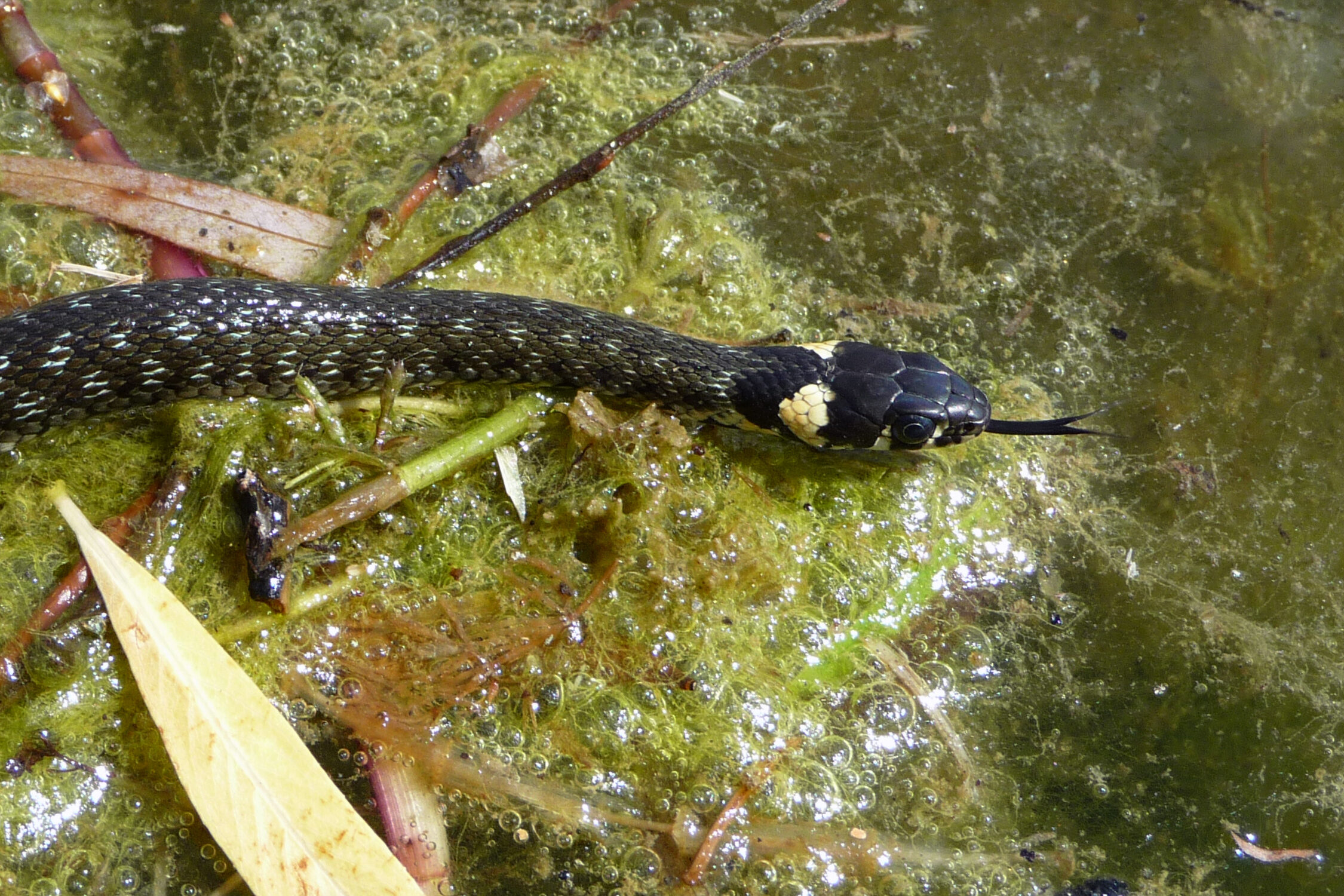
The trematode Telorchis assula was found in 64.9% of grass snakes (Natrix natrix) examined from northern Ukraine in a study published online on 3 February 2026. Across all 238 grass snakes in the Ukrainian dataset, 49.8% were infected.
The researchers combined parasitological material collected across Ukraine between 1951 and 2025. In total, the study included 461 snakes: 238 grass snakes and 223 dice snakes (Natrix tessellata). T. assula lives in the stomach and intestine of snakes, which are its definitive hosts.
Infection was more common in northern grass snakes
Among 148 grass snakes from northern regions, 64.9% were infected, compared with 41.5% of 65 snakes in the southern sample. The north–south difference in prevalence was supported statistically. Parasite abundance was also higher on average in the north, but that difference was less clear.
Across the full species samples, 49.8% of grass snakes and 33.2% of dice snakes were infected. In southern areas where the two species occurred together, however, their infection prevalence was nearly identical. This comparison is important because the species differ in diet: grass snakes commonly use amphibian-rich habitats, while dice snakes feed primarily on fish.
The parasite depends on an aquatic transmission cycle
Telorchis assula uses aquatic planorbid snails as its first intermediate hosts and tadpoles as second intermediate hosts. Snakes become infected when they eat infected tadpoles. The authors suggest that conditions in northern and central Ukraine may support this transmission cycle better than those in the south, including through greater availability of aquatic snails and amphibians.
In the western Ukrainian sample of 25 grass snakes, T. assula was not detected. The authors point to regional ecosystem differences and the comparatively low abundance of the snail Planorbis planorbis as a possible factor.
Disease, parasites & microbiology
Related news
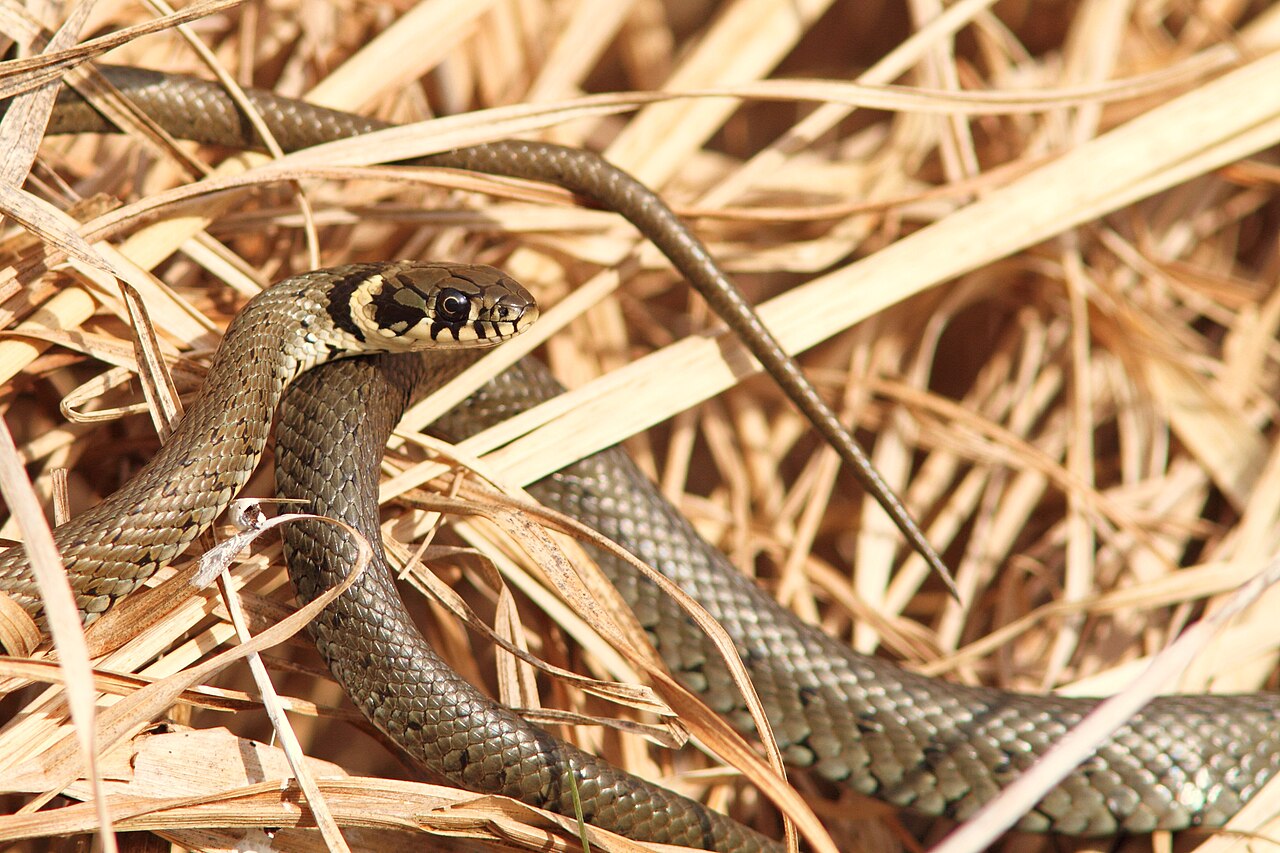
Coiled Grass Snake Models Had Higher Estimated Daily Survival on a Gravel Road
In a Hungarian experiment with 240 plasticine grass snake models, coiled postures had higher estimated daily survival on…
Read story →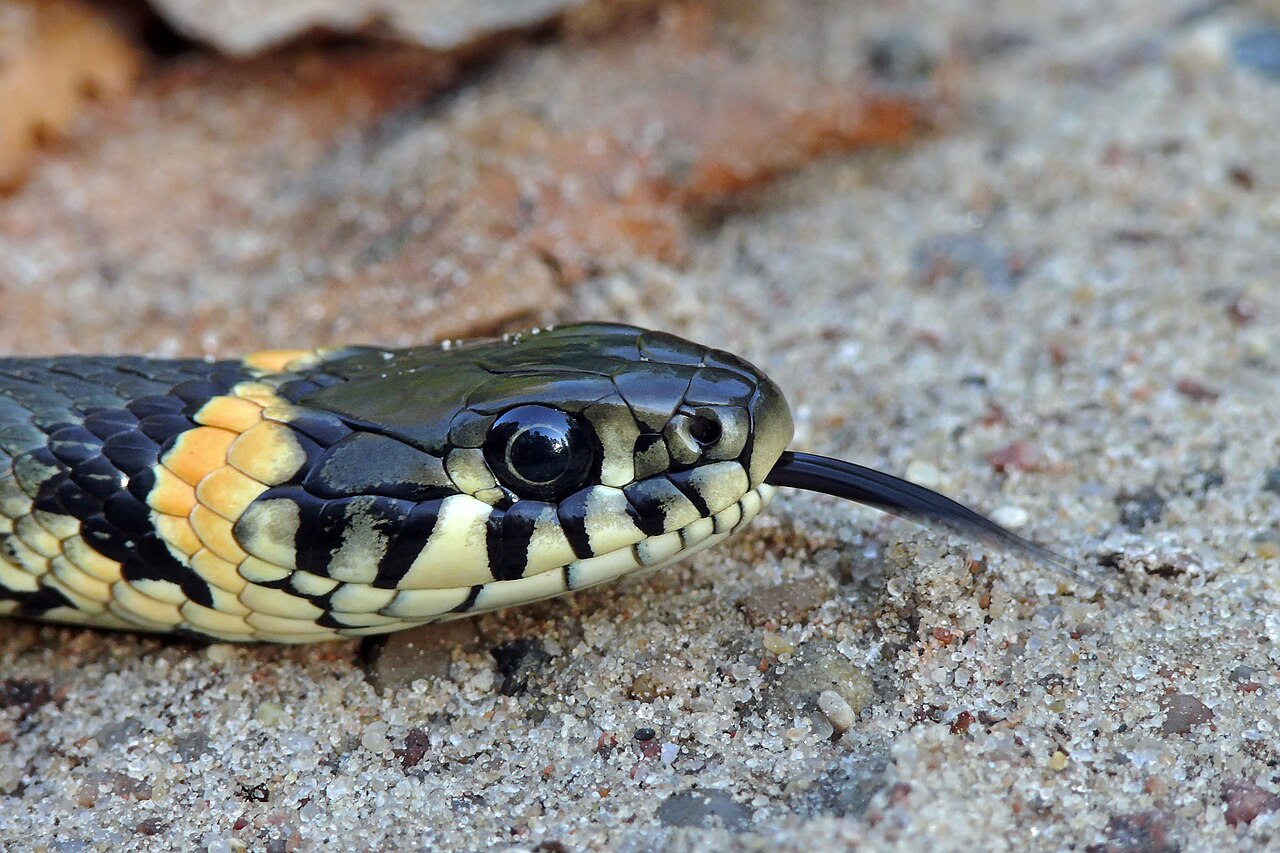
Introduced Grass Snake Ancestry Has Mixed Into Native Berlin Populations
Genetic analyses of Berlin grass snakes found introduced Natrix natrix moreotica ancestry mixed into the native subspecies, while…
Read story →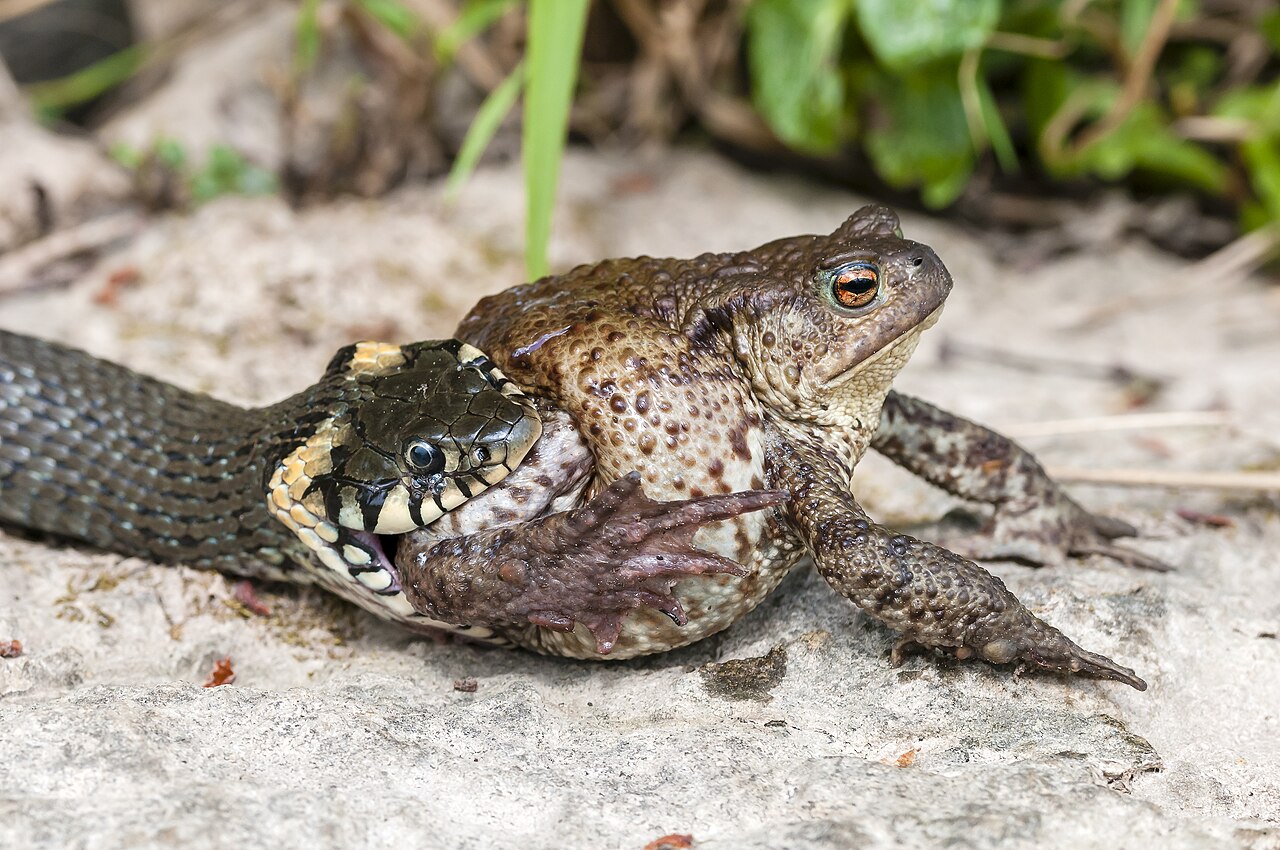
Larger Grass Snakes Took Larger Prey, While Fish Were Proportionally Larger Than Frogs
Among 39 grass snakes from a historical Plovdiv dataset, larger snakes contained larger prey. Frog size tracked snake…
Read story →SPECIES IN THIS STORY
Species in this story
Independent research and conservation news archive
Did you find this information useful?
Wildlife Vagabond is independently built and maintained. Voluntary support helps cover source verification, hosting and continued work on research and conservation news.
Support Wildlife VagabondThe news archive will remain freely available.