
Terns Showed the Largest Increase During Nine Years of Mink Culling on Norway’s Coast

Terns showed the largest increase of any bird group recorded at ten coastal-island sites in Flatanger, central Norway, between 2016 and 2023. The study included common tern (Sterna hirundo) and Arctic tern (Sterna paradisaea) and covered a period in which 247 introduced American mink (Neogale vison) were removed through trapping and hunting.
The study, published on 15 April 2026, compared bird counts from the same ten locations in 1991, 2016 and 2023. Coordinated mink removal began in 2015 through a government-funded bounty programme, with local hunters receiving incentives and traps to reduce the invasive predator.
Bird diversity increased after 2016
The abundance of most bird species had declined between 1991 and 2016. From 2016 to 2023, however, the Shannon diversity index increased significantly and a greater number of ground-nesting species were recorded overall. The Shannon index combines how many species are present with how evenly individuals are distributed among them, so an increase means a more diverse community rather than simply more birds. In fact, the total number of birds counted across the ten sites fell from 2,040 in 2016 to 1,108 in 2023, largely because several gull species declined strongly.
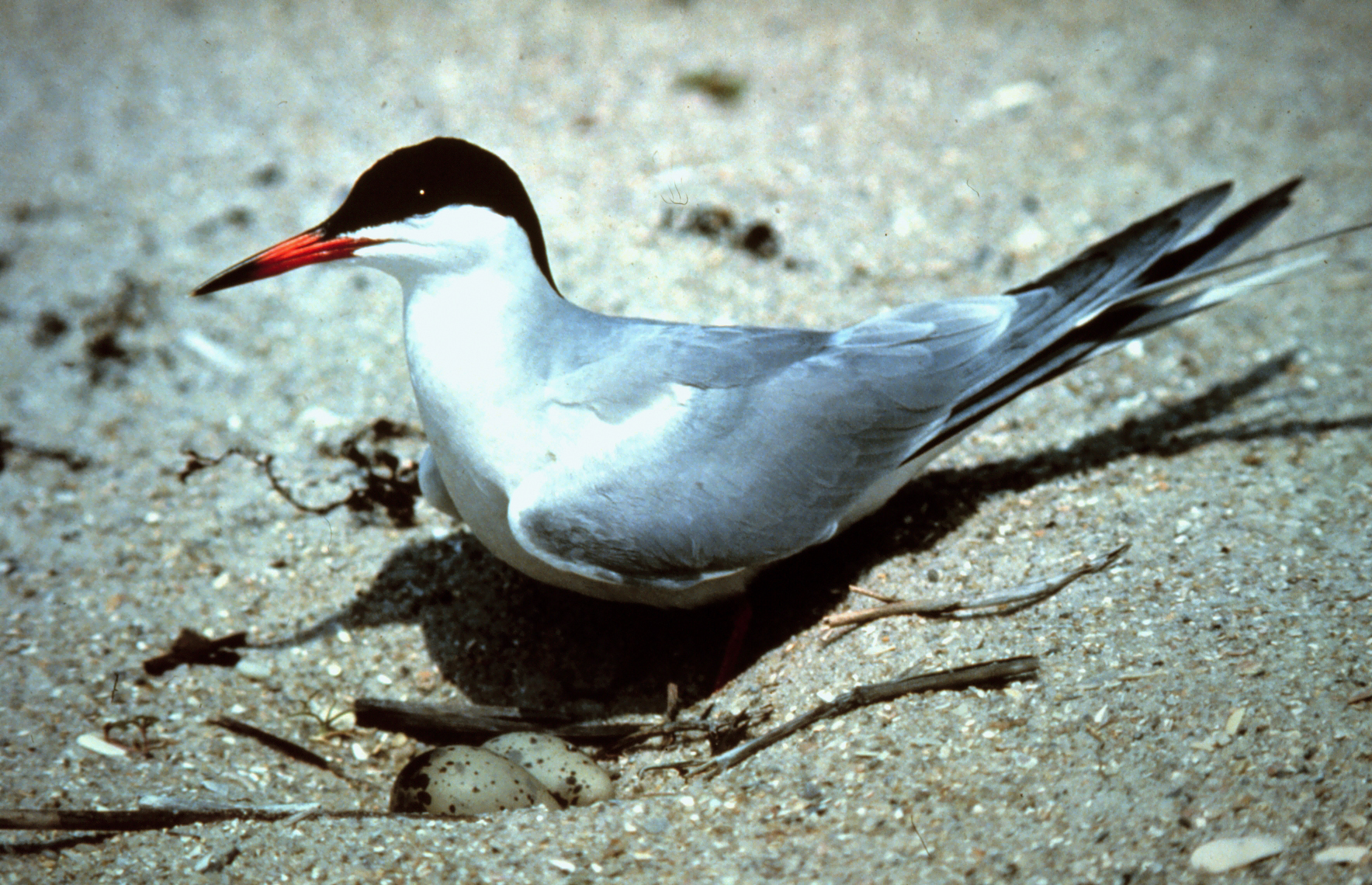
Terns showed one of the clearest changes. Their combined count fell from 355 individuals in 1991 to just 17 in 2016, then rose to 60 in 2023. That was the largest observed increase of any species group between 2016 and 2023, although variation among the ten sites was large enough that the analysis did not show a statistically clear increase in tern numbers for that interval. Both common tern and Arctic tern were included in the pooled tern counts.
Mink removal may have contributed
American mink prey on birds, chicks and eggs, and ground-nesting coastal birds are particularly vulnerable. The authors therefore suggest that the coordinated removal programme may have contributed to the increase in local bird diversity and the recovery seen among terns.
They also emphasise that the study cannot attribute the observed changes solely to mink removal. The study compared changes through time rather than a treatment area with an untreated control, and trapping effort was not recorded systematically enough to calculate standardized capture efficiency or demonstrate that the monitored sites were mink-free. Weather, food availability, migration and other ecological drivers may also have influenced the bird counts. The researchers therefore call for continued monitoring, standardized reporting of control effort and targeted management to clarify the long-term effects.
Management
Related news
Common Tern Eggs Had More PCBs, HCB and Mercury Than Oystercatcher Eggs in 40-Year Wadden Sea Study
Monitoring from 1981–2023 found higher PCB, HCB and mercury levels in common tern eggs than in Eurasian oystercatcher…
Read story →
DNA in Common Tern Chick Droppings Closely Matched the Fish Adults Delivered
Across three breeding seasons, the proportion of dietary DNA reads assigned to each prey type closely matched the…
Read story →
Common Terns Extended Foraging Trips by Up to 87% in Poor Prey and Productivity Years
Four Gulf of Maine breeding seasons showed that common terns increased foraging-trip duration by 23–87% and expanded foraging…
Read story →SPECIES IN THIS STORY
Species in this story

Independent research and conservation news archive
Did you find this information useful?
Wildlife Vagabond is independently built and maintained. Voluntary support helps cover source verification, hosting and continued work on research and conservation news.
Support Wildlife VagabondThe news archive will remain freely available.