
Thermal Binoculars Accounted for 79% of European Hare Detections in a Swedish Monitoring Trial
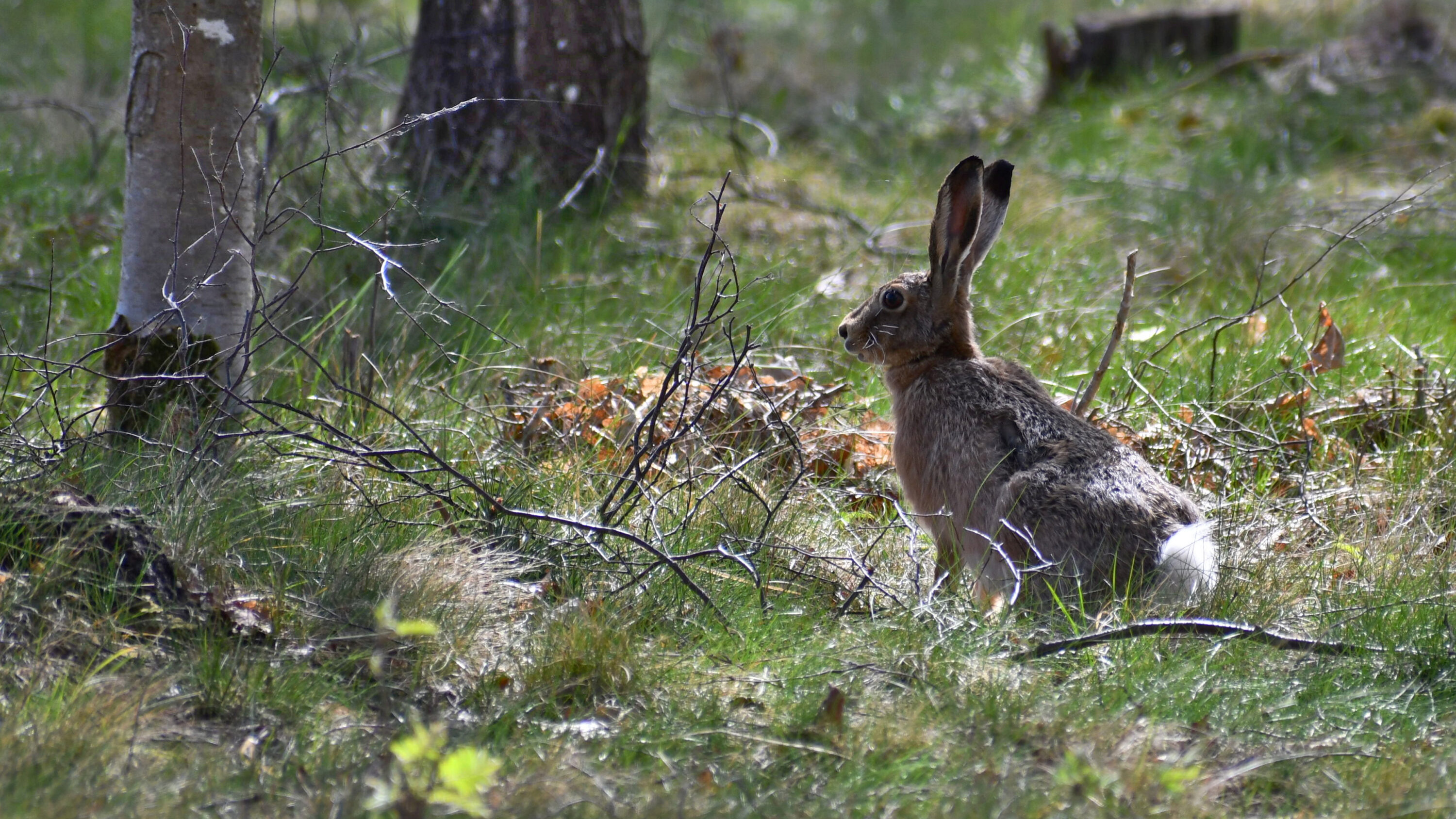
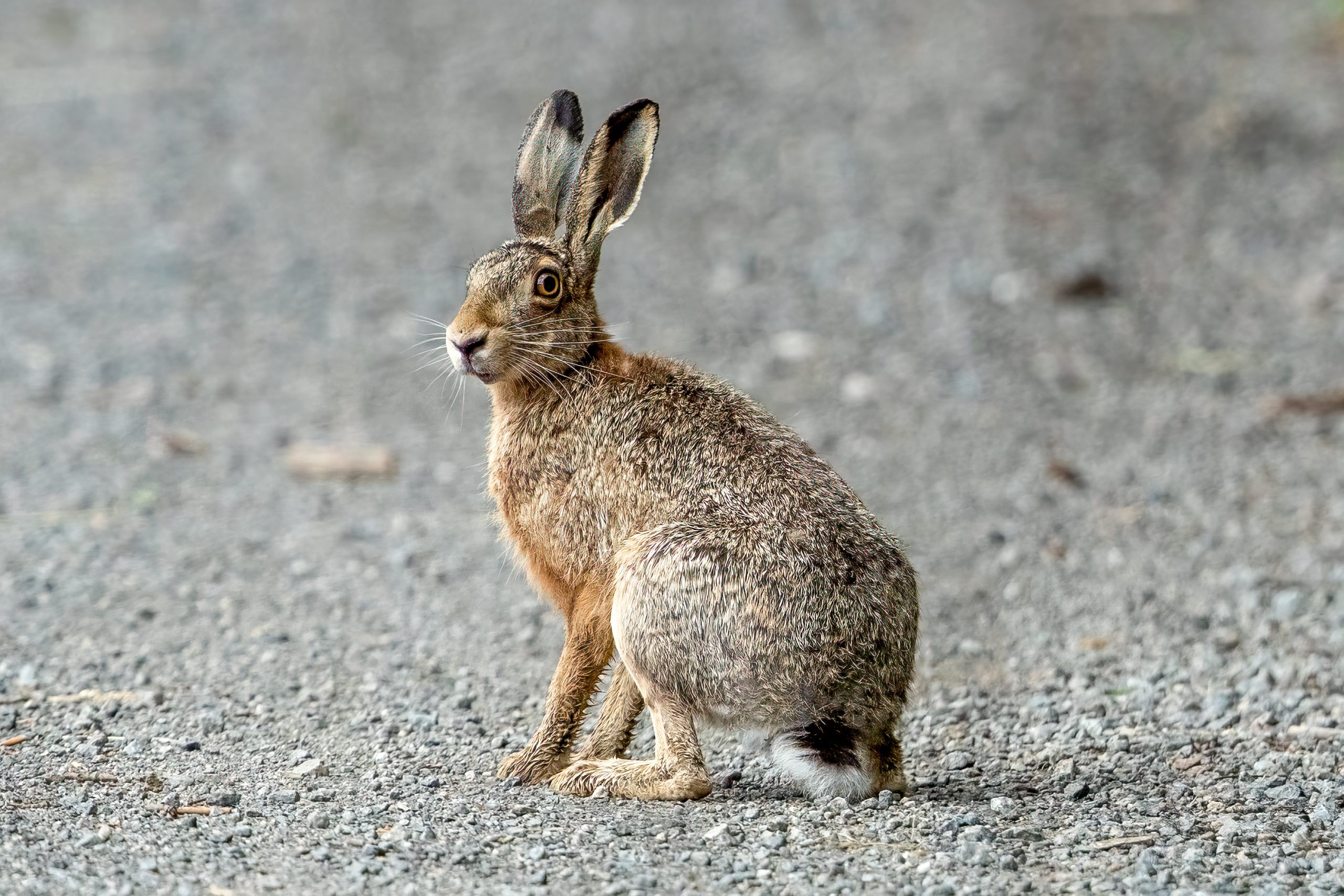
A Swedish pilot study published in 2026 tested whether thermal binoculars combined with distance sampling could improve daytime monitoring of European hare (Lepus europaeus). Researchers surveyed three sites in south-central Sweden five times each between November 2022 and February 2023, walking a total of about 60 km of transects.
A transect is a predefined line or route used to survey an area systematically, with observations, signs or sampling points recorded along it.
They detected 29 hares, all of them European hares. Thermal binoculars accounted for 23 detections, or 79% of the total. Nineteen of these hares were sitting in daytime lays and four were moving. The remaining hares were detected visually or after they moved from cover. Overall, 55% of the hares were found in forested habitats, where ordinary visual detection would have been especially difficult.
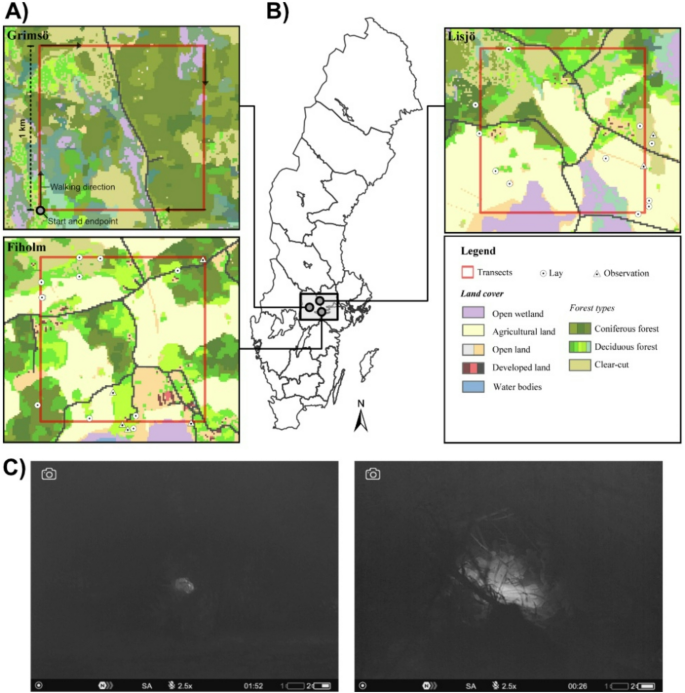
Thermal binoculars accounted for most detections
The researchers could detect hares with the thermal binoculars at distances of up to 315 m in open terrain. Compared with surveys relying on ordinary visual detection, thermal imaging increased the number of hares observed resting in lays by about fivefold. In distance sampling, the decline in detections with increasing distance from a transect is used to estimate how many animals are likely to have been missed and thereby infer density. No hares were detected at the forest-dominated Grimsö site, so no density estimate was calculated there. At the two sites with detections, estimated density was 6.4 hares/km² at Lisjö and 8.1 hares/km² at the open agricultural Fiholm site. Uncertainty around both pilot-study density estimates was large.
Because this was a pilot study, the density estimates remain uncertain. The authors also note that walking surveys with thermal binoculars still depend partly on the observer’s decisions about where and how intensively to scan. They conclude that the approach is promising, particularly if future surveys cover larger areas and use greater sampling intensity. Locating daytime lays also creates opportunities to study lay characteristics and collect targeted environmental-DNA samples.
Other research
Related news
Cryptosporidium Deer Mouse Genotype IV Was Recorded in Europe for the First Time in European Hares
Five of 370 faecal samples from wild European hares in Czechia and Slovakia contained Cryptosporidium deer mouse genotype…
Read story →
Classic and Recombinant Myxoma Viruses Were Found Together in Pooled Tissue From Two Hares in West Hungary
Whole-genome sequencing of pooled material from two European hares in western Hungary detected both classic MYXV and the…
Read story →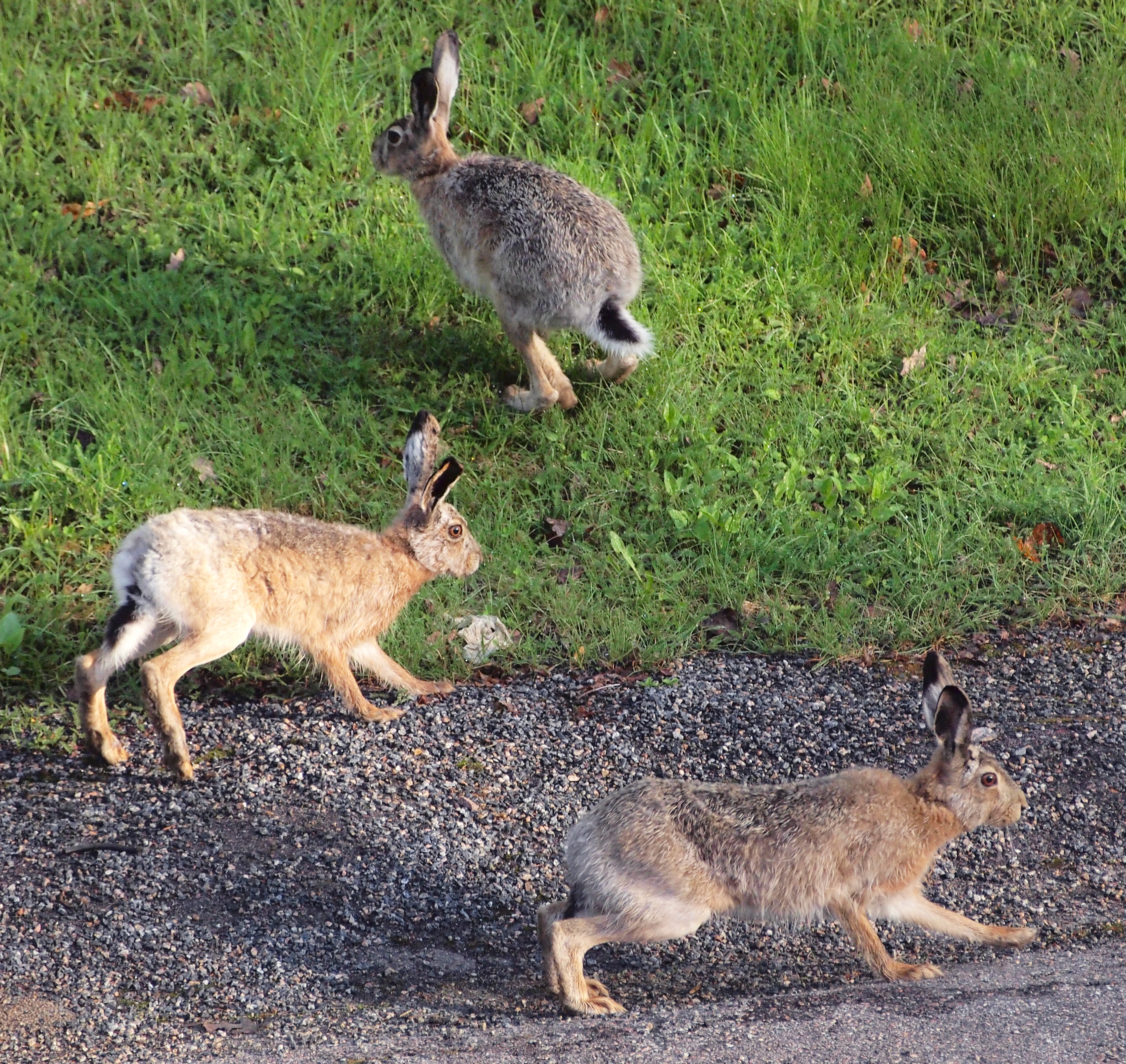
Hungary’s First ha-MYXV Outbreak Was Confirmed in 33 of 37 Targeted Hare Samples
During Hungary’s first confirmed outbreak of hare-adapted recombinant myxoma virus, 33 of 37 targeted European hare samples from…
Read story →SPECIES IN THIS STORY
Species in this story
Independent research and conservation news archive
Did you find this information useful?
Wildlife Vagabond is independently built and maintained. Voluntary support helps cover source verification, hosting and continued work on research and conservation news.
Support Wildlife VagabondThe news archive will remain freely available.