
Uganda’s 2026 wildlife assessment highlights long-term Nile crocodile decline and local recovery
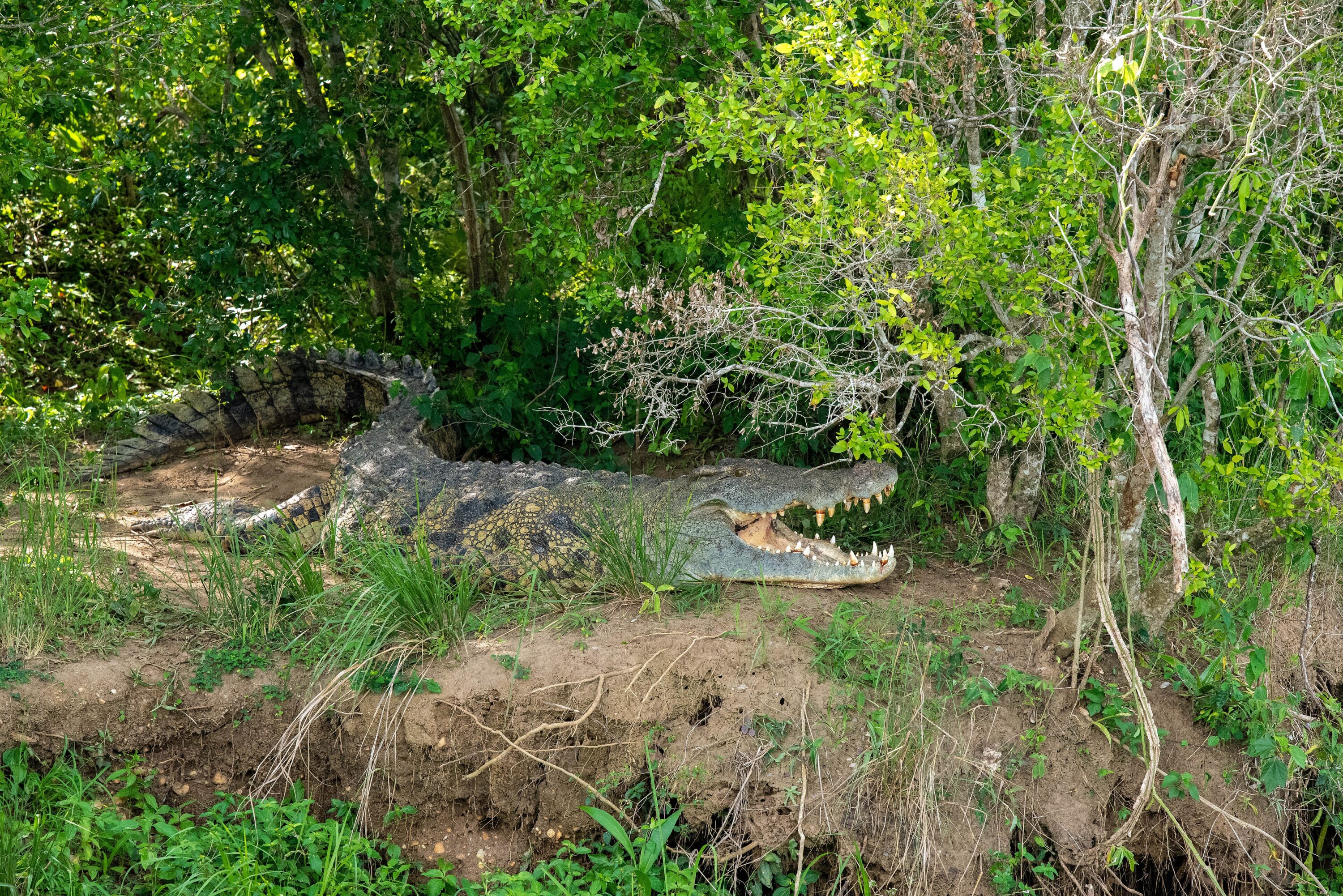
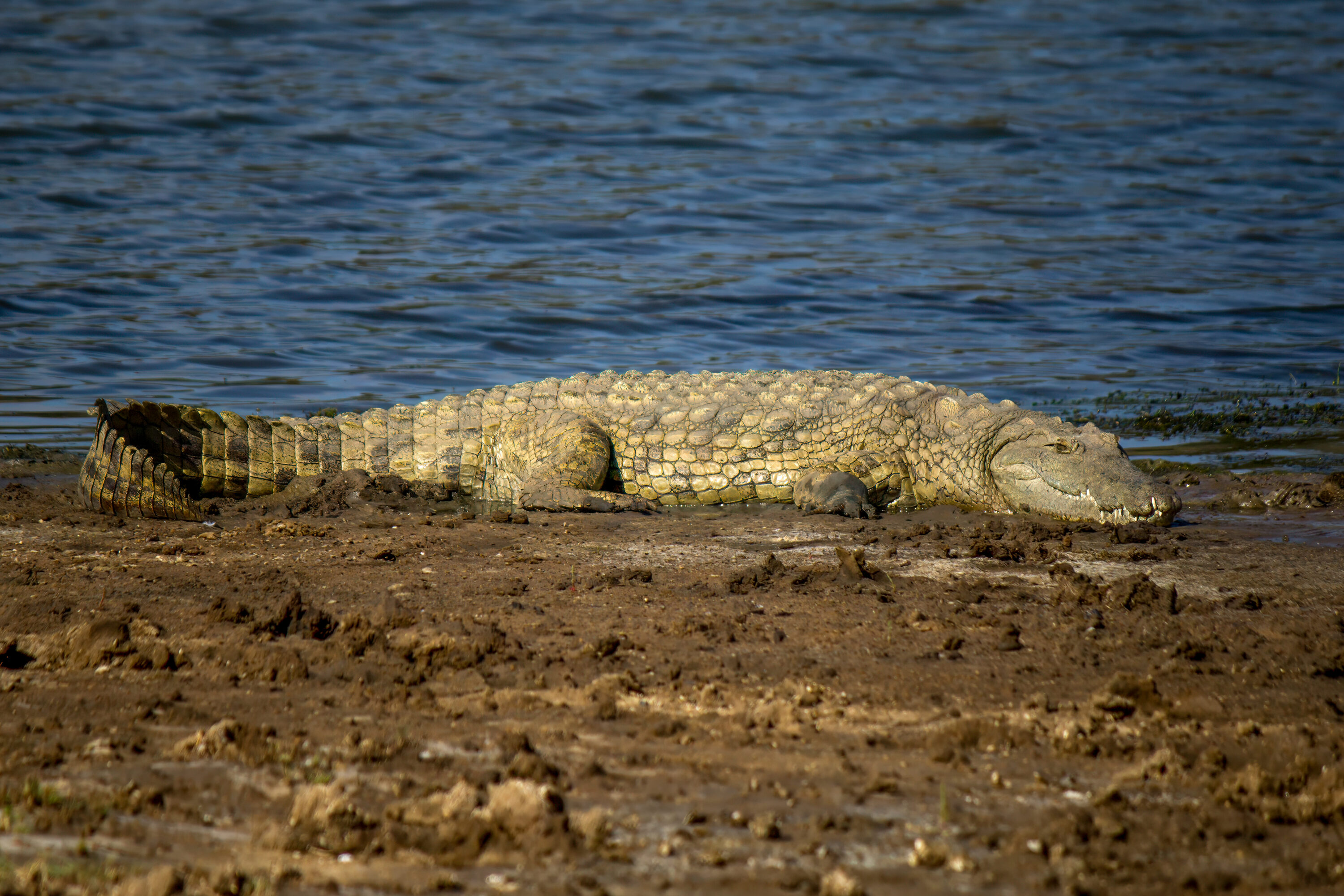
Uganda’s new national wildlife assessment, released in 2026, describes a long-term decline in Nile crocodiles (Crocodylus niloticus) since the 1960s, while also pointing to local recovery along the Victoria Nile.
The Uganda Wildlife Authority’s State of Wildlife Resources in Uganda 2026 brings together available information on the country’s wildlife populations, habitats and conservation trends. For reptiles, the report notes that the Nile crocodile is the only species for which population studies have been conducted repeatedly over several decades.
Victoria Nile shows local recovery within a long-term decline
Long-term surveys have concentrated particularly on the Victoria Nile between its delta and Murchison Falls National Park, with additional counts covering the Albert Nile and other waters. According to the report, the overall monitoring record shows a decline from levels recorded in the 1960s, but the Victoria Nile has shown a localised recovery.
The 1,110-crocodile figure comes from 2023, not a 2026 census
The most recent crocodile study cited in the 2026 assessment was conducted in 2023. It reported a total of 1,110 crocodiles across the Victoria Nile, Albert Nile, Murchison Falls National Park and Lake Victoria. This figure is therefore not a new nationwide count from 2026, but the latest population estimate included in the national report.
The assessment also identifies important gaps in monitoring. Crocodile populations in the Kyoga Basin lakes, Lake Victoria, Lake Mburo, the Kazinga Channel and Lake Edward have received comparatively little study, even though human–crocodile conflict is reported from several parts of the country.
The 2026 report places crocodile monitoring within a much broader national assessment of biodiversity. For Nile crocodiles, its main message is a mixed one: the long-term record indicates an overall decline, while some well-monitored areas show recovery and substantial parts of the species’ Ugandan range still lack comparable population data.
Population & status
Related news
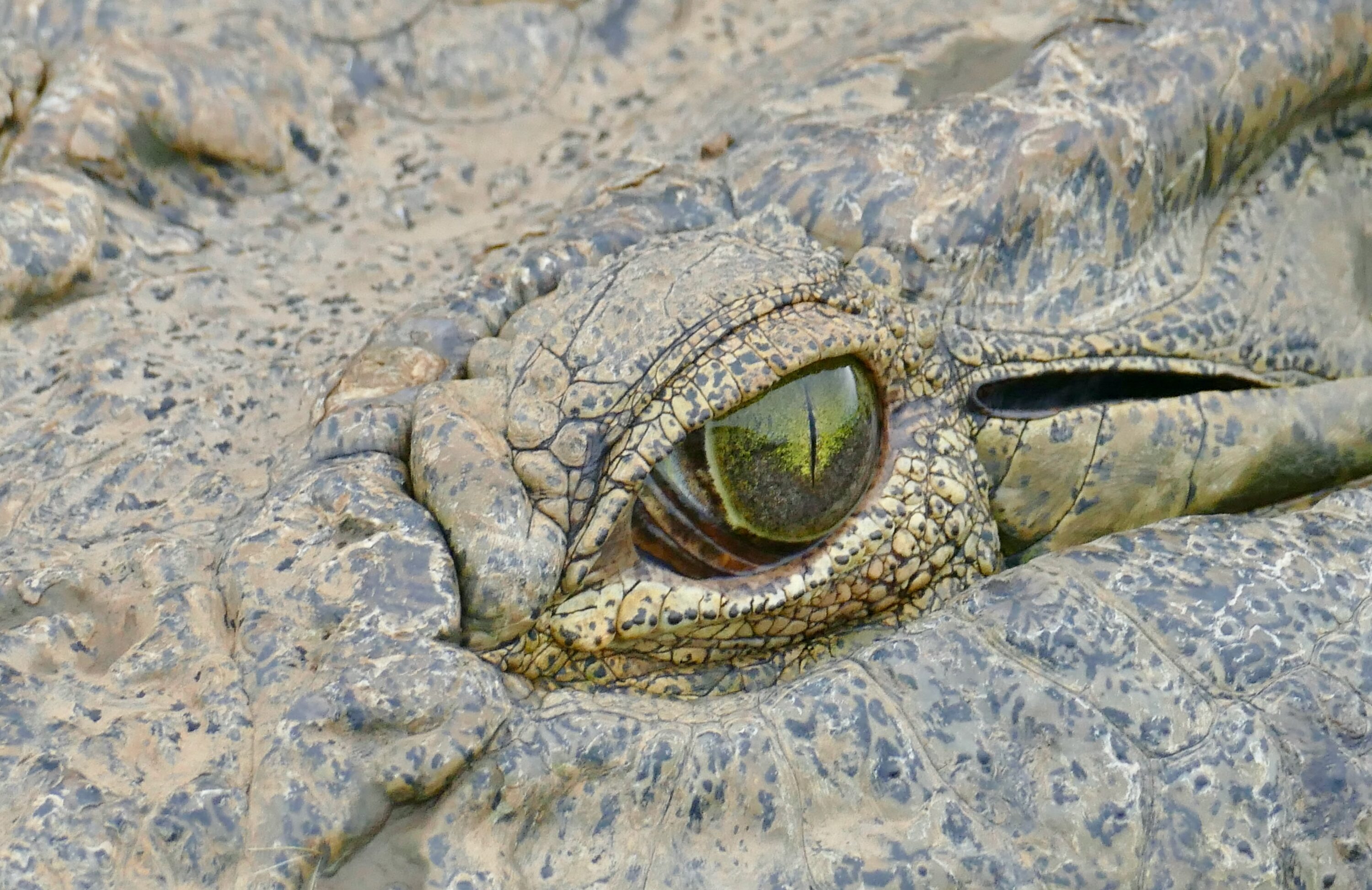
New reference genome reveals deep demographic history of the Nile crocodile
A 2026 study produced a reference-quality Nile crocodile genome and found a substantially larger long-term effective population than…
Read story →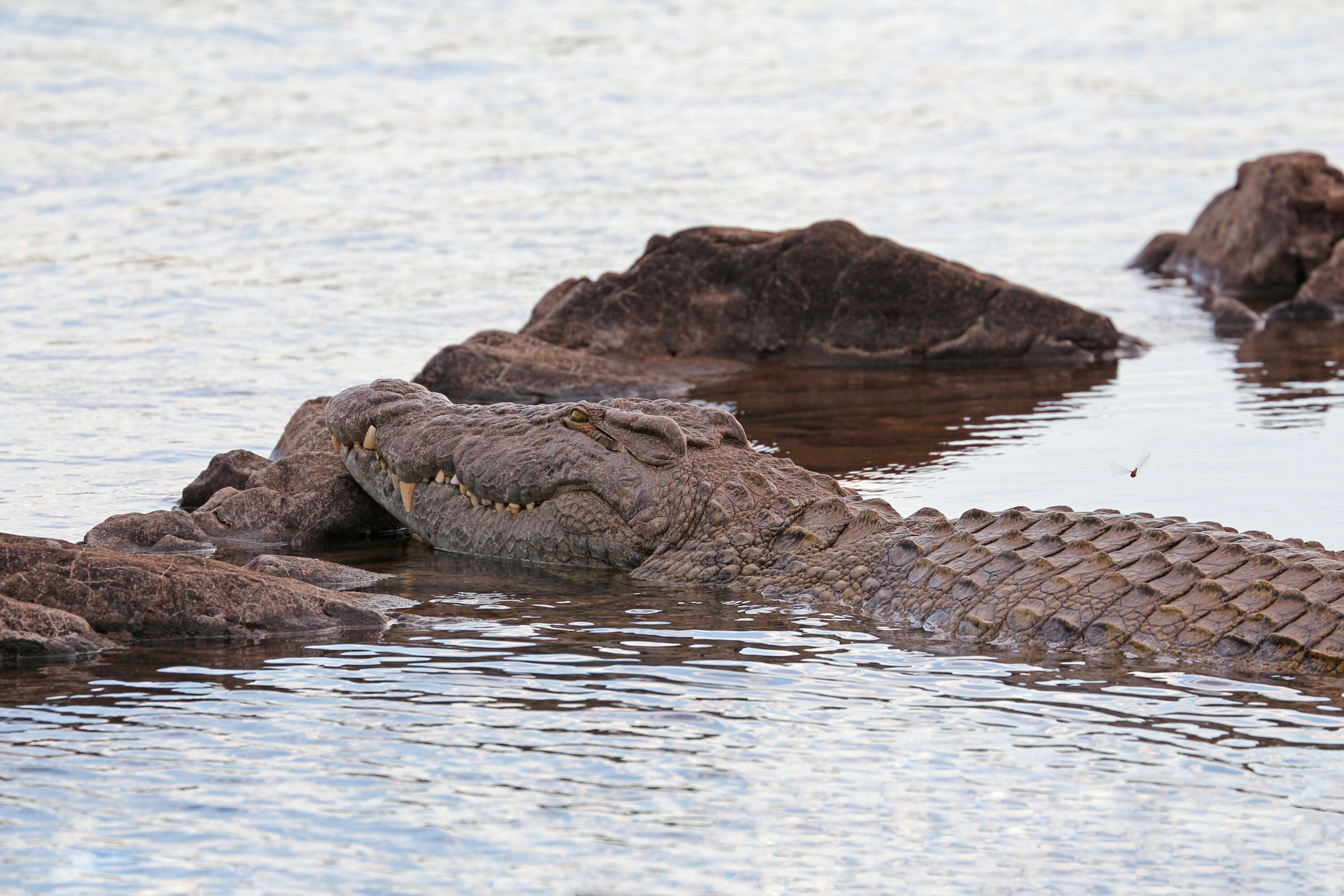
80% of 42 Interviewed Lake Nasser Fishermen Reported Crocodile Damage to Fishing Gear
Among 42 interviewed Lake Nasser fishermen, 80% reported crocodile damage to fishing gear, while 64% supported protecting Nile…
Read story →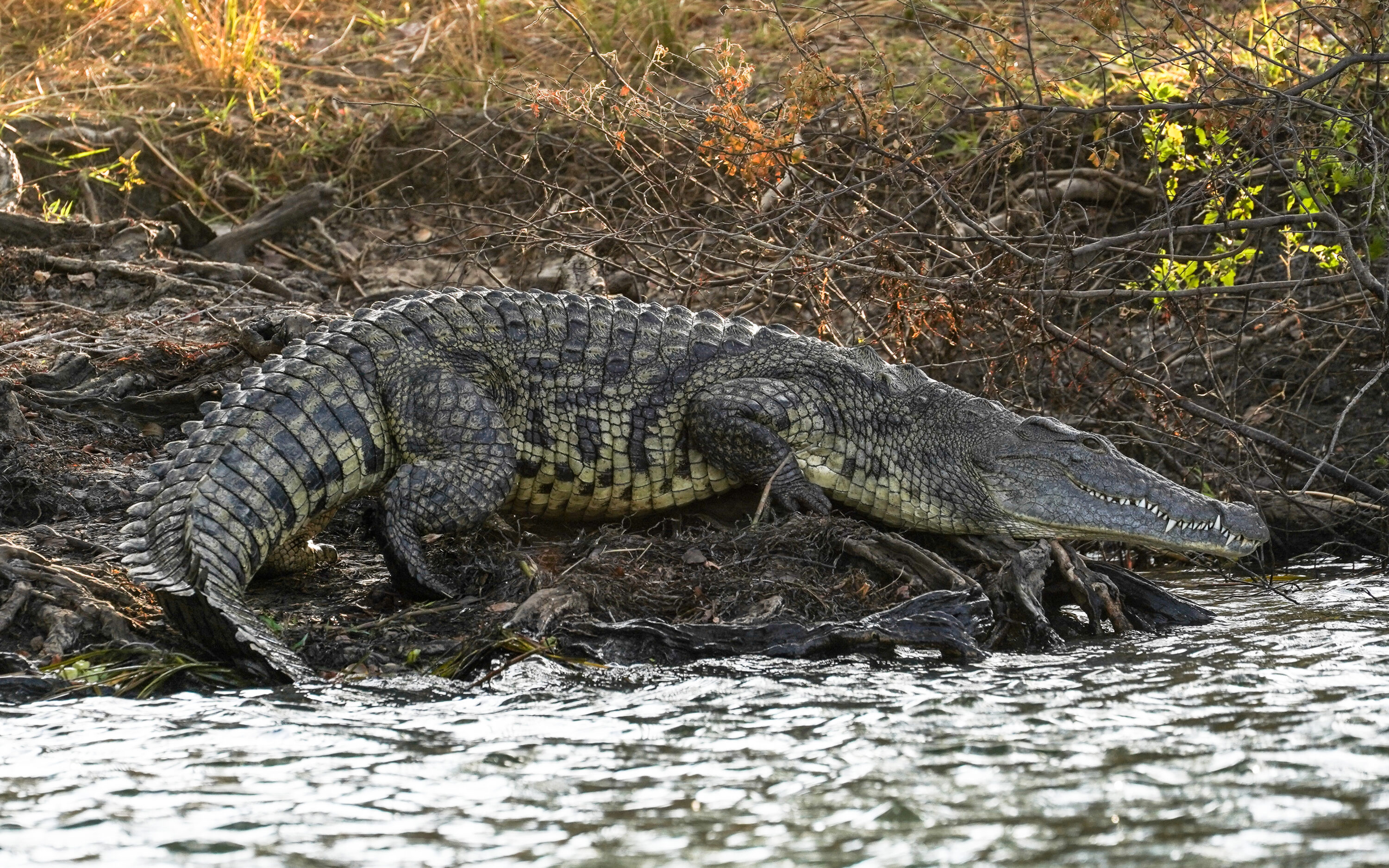
New Parasite Genus Described From a Wild Nile Crocodile in Namibia’s Kavango River
The new fluke Ngubuvangandu francoisjacobsi, described from the intestine of a wild Nile crocodile in Namibia’s Kavango River,…
Read story →SPECIES IN THIS STORY
Species in this story
Independent research and conservation news archive
Did you find this information useful?
Wildlife Vagabond is independently built and maintained. Voluntary support helps cover source verification, hosting and continued work on research and conservation news.
Support Wildlife VagabondThe news archive will remain freely available.