
Two Innate Immune Measures Increased With Urbanization in Adult Blackbirds, but Not Nestlings
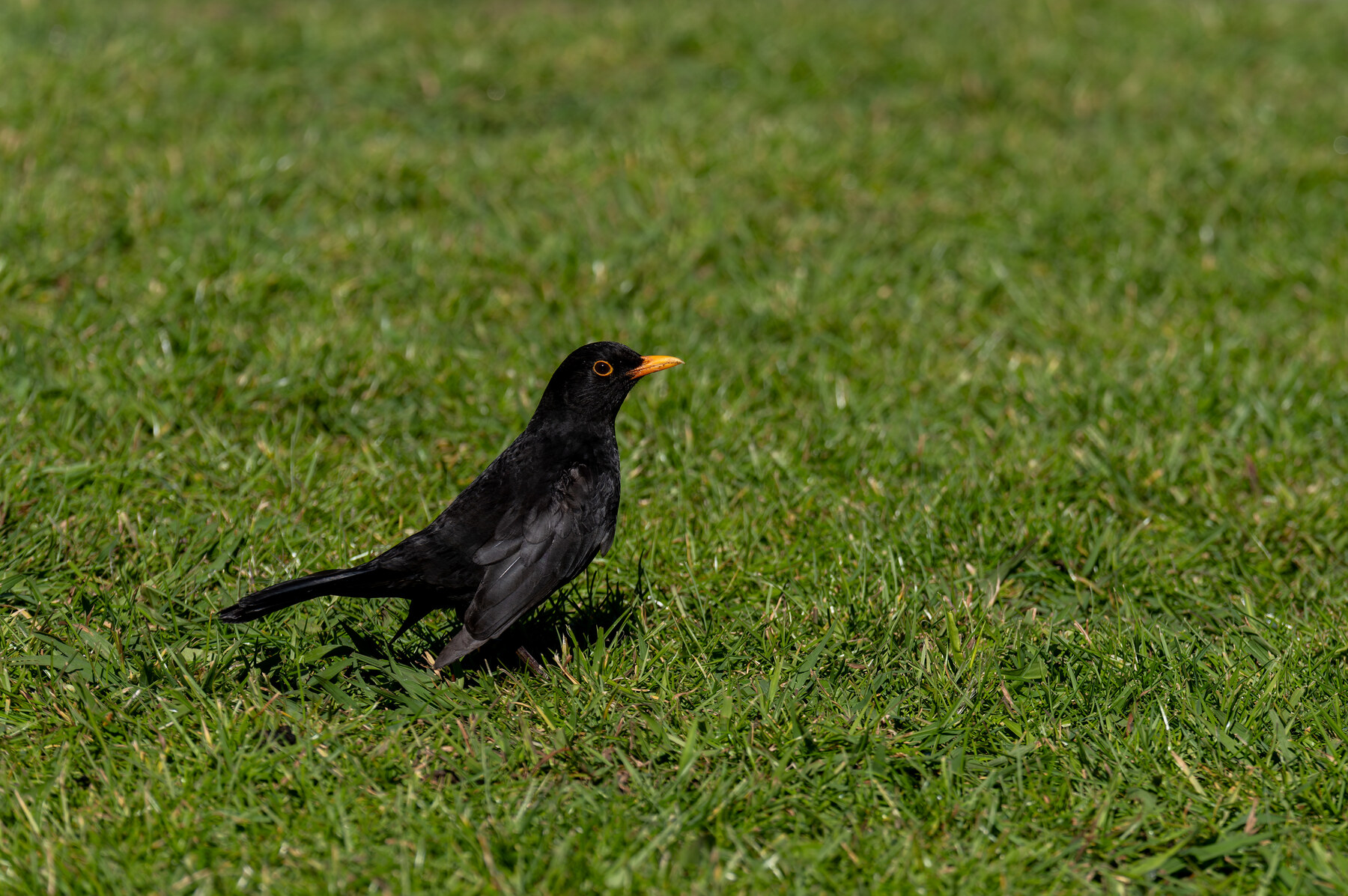
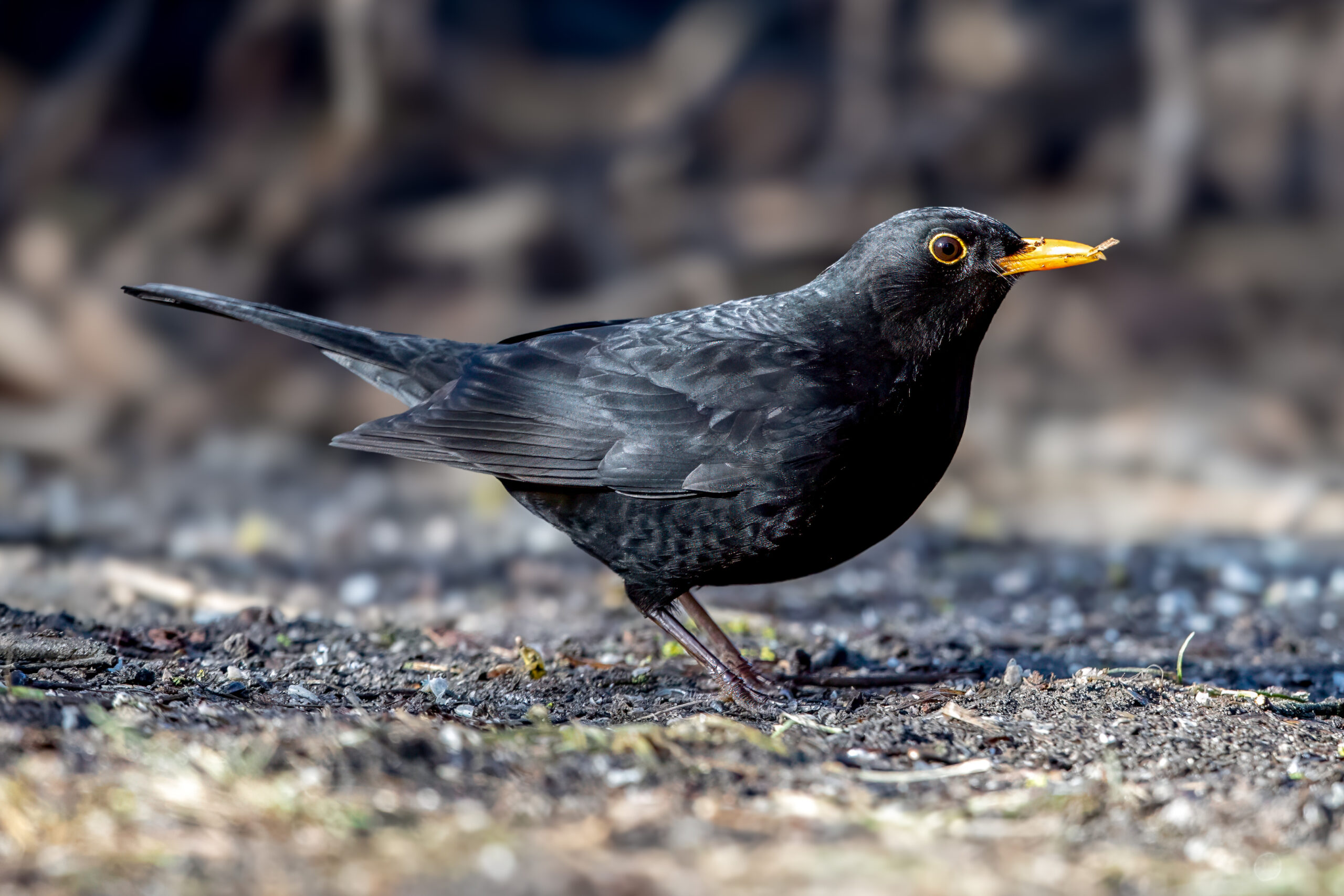
Adult Eurasian blackbirds (Turdus merula) breeding in more urbanized parts of the eastern Netherlands had higher values for two measures of innate immune function, while nestlings showed no comparable relationship with urbanization. The study compared birds from five sites during the 2021 and 2022 breeding seasons and measured urbanization as the proportion of buildings, roads and other impervious surfaces around each nest.
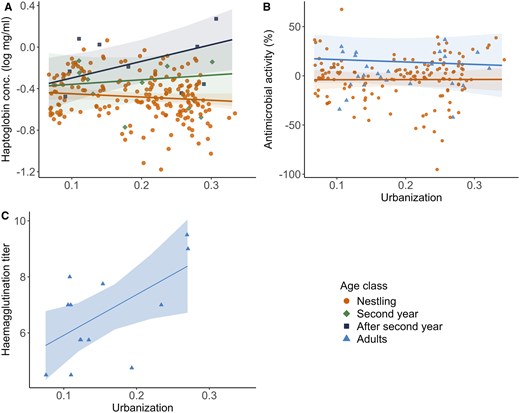
The researchers analysed three immune measures in blood plasma: haptoglobin, antimicrobial activity and haemagglutination. Haptoglobin is an acute-phase protein that rises during inflammatory responses. Haemagglutination measures the activity of naturally occurring antibodies by testing how strongly they cause red blood cells to clump together. These measures describe different parts of immune function and should not be read as a single scale from “weak” to “strong” immunity.
Two adult immune measures rose with urbanization
Haemagglutination increased with urbanization in adult blackbirds. Haptoglobin also increased most clearly in adults older than their second calendar year. Antimicrobial activity, by contrast, showed no relationship with urbanization.
Nestlings showed none of these urbanization relationships. They were sampled at about eight days old, when several parts of the immune system are still developing, and their haemagglutination response was not detectable. The contrast between adults and nestlings therefore may partly reflect age and immune development rather than a single effect of city life that applies throughout the birds’ lives.
Higher values do not simply mean healthier birds
The authors caution that higher haptoglobin and natural-antibody activity do not mean that urban blackbirds were simply healthier. Haptoglobin can rise during inflammation or infection, while greater natural-antibody activity may reflect altered immune investment or greater exposure to environmental challenges.
One proposed explanation is that urban diets may contain fewer dietary antioxidants, increasing reliance on immune-related compounds that can also help limit oxidative stress. The study did not measure diet, oxidative stress or pathogen pressure directly, so this remains a hypothesis rather than a demonstrated mechanism.
The adult sample was small, with immune assays available for 31 birds, and the study covered only five sites. The urbanization index also captured impervious surface rather than other aspects of city life such as food, pollution and parasite communities. The results therefore show age-dependent associations between urbanization and particular immune measures, not that urbanization generally strengthens or weakens the blackbird immune system.
Physiology
Related news
Inland Mute Swans Had Higher Winter Body Condition Despite Harsher Winters and Supplemental Feeding
A study of 853 mute swans from four Polish wintering regions found higher body condition inland than on…
Read story →
pH-Adjusted Hill Equation Reliably Estimated Blood Oxygen Saturation From 70–100% in Immobilised White Rhinos
A South African study of 16 immobilised male white rhinos in Kruger National Park found that a pH-adjusted…
Read story →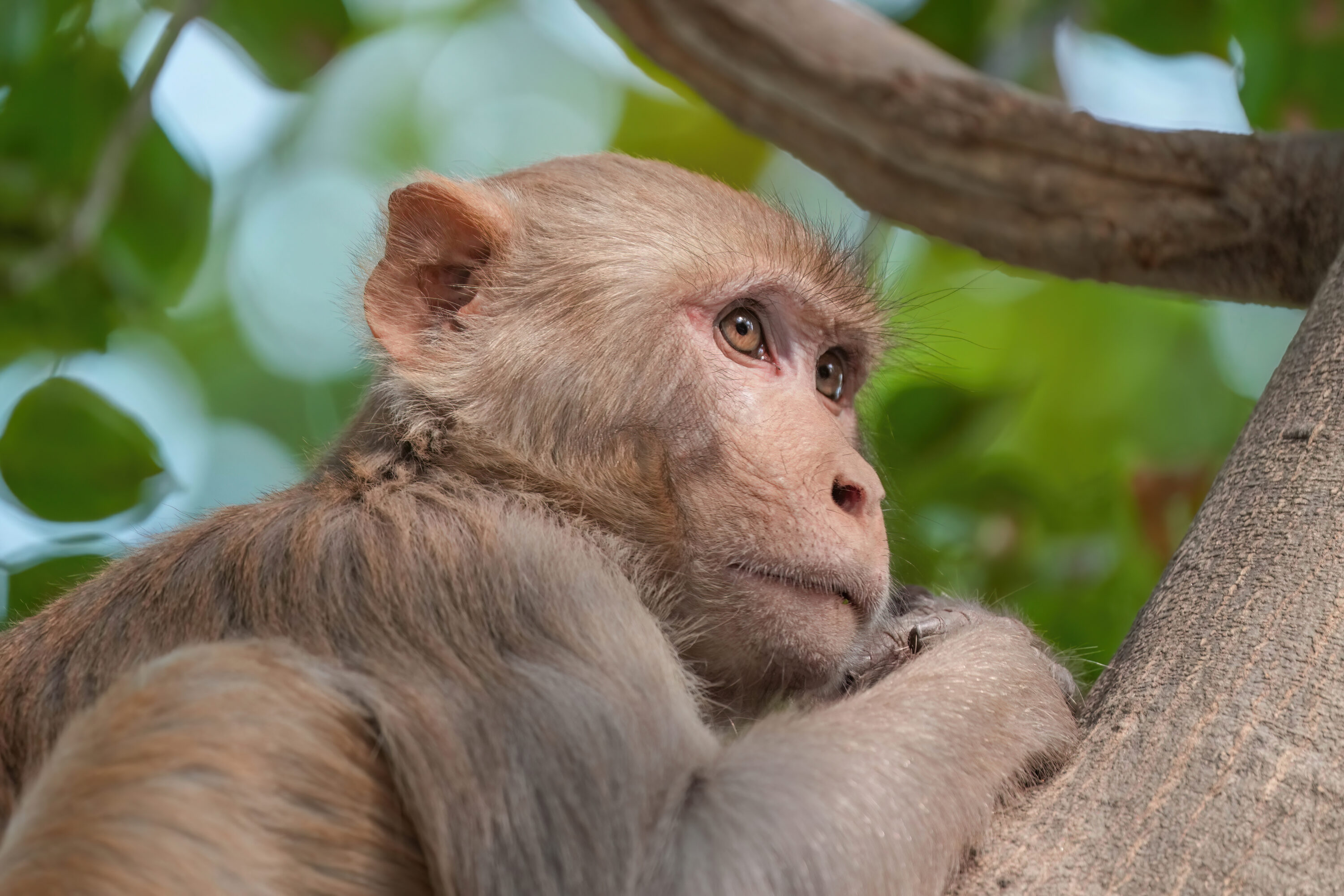
Task Uncertainty Increased Interference From Irrelevant Visual Information in Rhesus Macaque Decisions
Two rhesus macaques made less accurate visual decisions under task uncertainty; recordings and microstimulation in primary visual cortex…
Read story →SPECIES IN THIS STORY
Species in this story
Independent research and conservation news archive
Did you find this information useful?
Wildlife Vagabond is independently built and maintained. Voluntary support helps cover source verification, hosting and continued work on research and conservation news.
Support Wildlife VagabondThe news archive will remain freely available.