
Infection and Moult Were Linked to Weaker Carotenoid Plumage Signals in Male Village Weavers
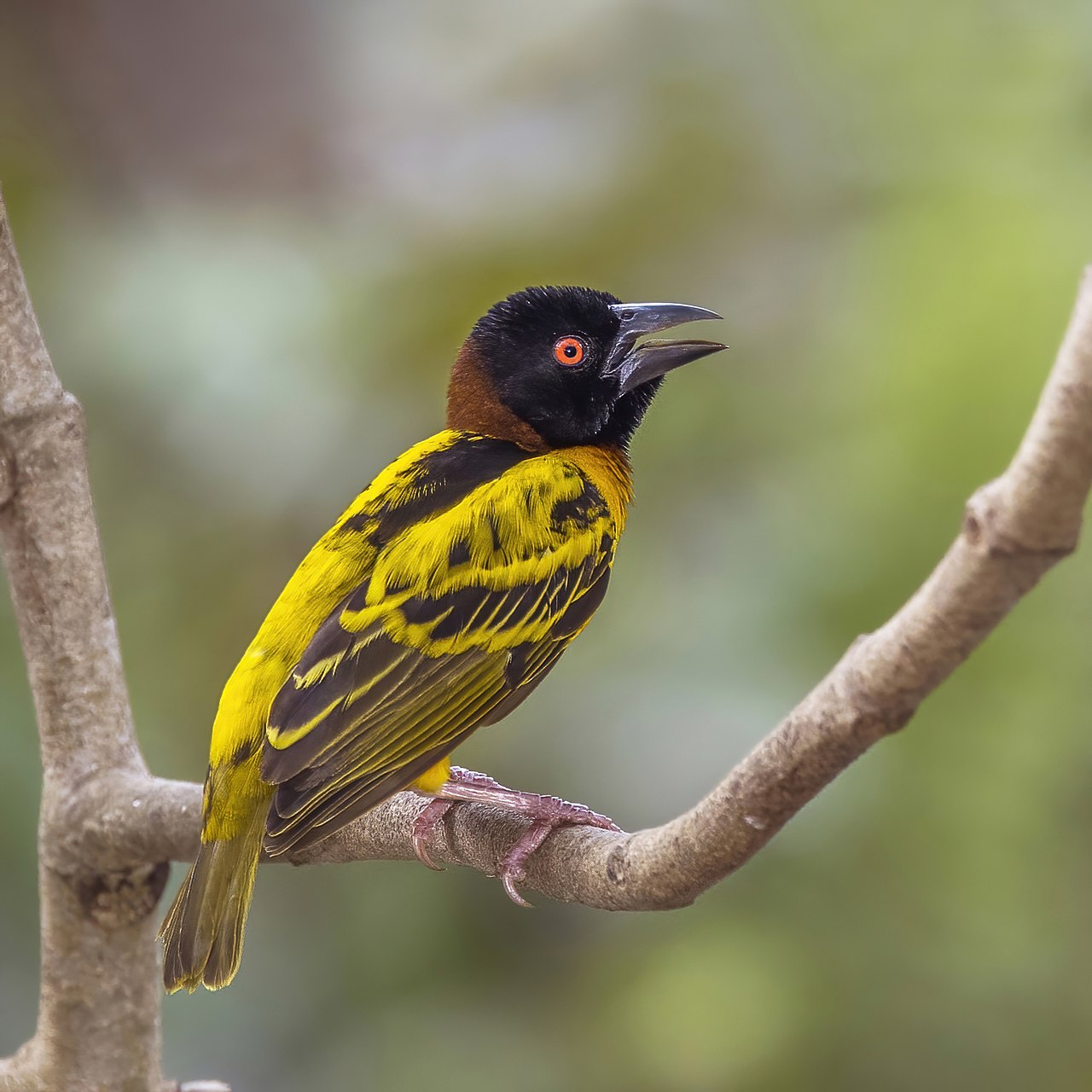
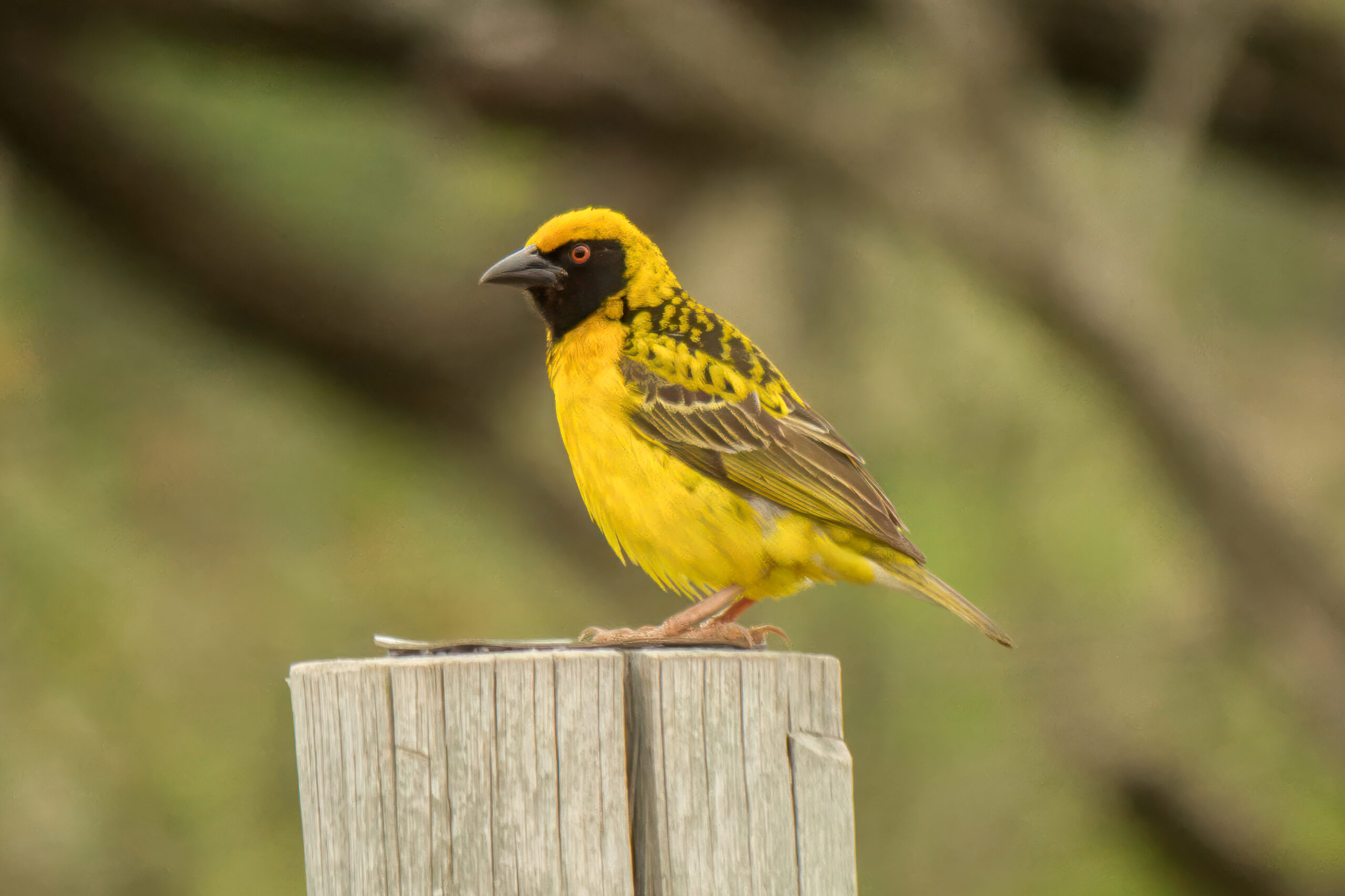
A study of breeding male village weavers (Ploceus cucullatus) in Nigeria found that microfilarial infection and active moult were associated with changes in redox balance, glucose and the expression of carotenoid-based plumage signals. Microfilariae are larval stages of filarial worms that circulate in the blood. Because carotenoid-based plumage can function as a condition-dependent breeding signal, the researchers asked whether the physiological demands of infection and feather replacement were reflected in the birds’ ornamental colour. The article was published on 5 June 2026 in PLOS ONE.
Researchers examined 148 males captured in Amurum Forest Reserve and divided them into four groups according to infection and moult status: 42 were uninfected and not moulting, 29 were uninfected and moulting, 46 were infected and not moulting, and 31 were both infected and moulting. Microfilariae were detected in 77 birds, or 52% of the sample.
Infection altered redox balance
The study measured the ratio between reduced and oxidised glutathione (GSH:GSSG) in red blood cells as an indicator of redox balance, together with circulating glucose. A lower GSH:GSSG ratio means that the intracellular environment is shifted towards a more oxidised state, with less antioxidant buffering relative to oxidised glutathione. Plumage reflectance was also measured to quantify colour traits and combine them into an overall index of ornamental signal quality.
The glutathione ratio was lower in infected birds, but it was not lowest in the birds that were both infected and moulting: infected non-moulting birds had the most reduced ratio. Glucose showed a different pattern. It was highest in infected birds that were not moulting and lowest when infection occurred together with active moult.
Combined demands were clearest in glucose and plumage signals
The combined infection-and-moult group therefore did not show the lowest value for every physiological measure. What distinguished it most clearly was the sharp drop in circulating glucose relative to infected non-moulting birds, together with weaker plumage signalling. Statistical analyses supported an interaction between infection and moult, and higher microfilarial loads were also associated with lower overall plumage quality.
The authors interpret the results as evidence that overlapping physiological demands from parasitic infection and feather replacement can constrain both metabolic regulation and expression of carotenoid-based ornaments. They identify intracellular redox balance as a possible link between physiological condition and plumage expression.
The authors emphasise that the study is observational and does not establish causality. Diet, co-infections and other ecological factors may also influence carotenoid availability and redox balance, and the lack of longitudinal data means the study cannot determine long-term effects on survival or reproductive success.
Physiology
Related news
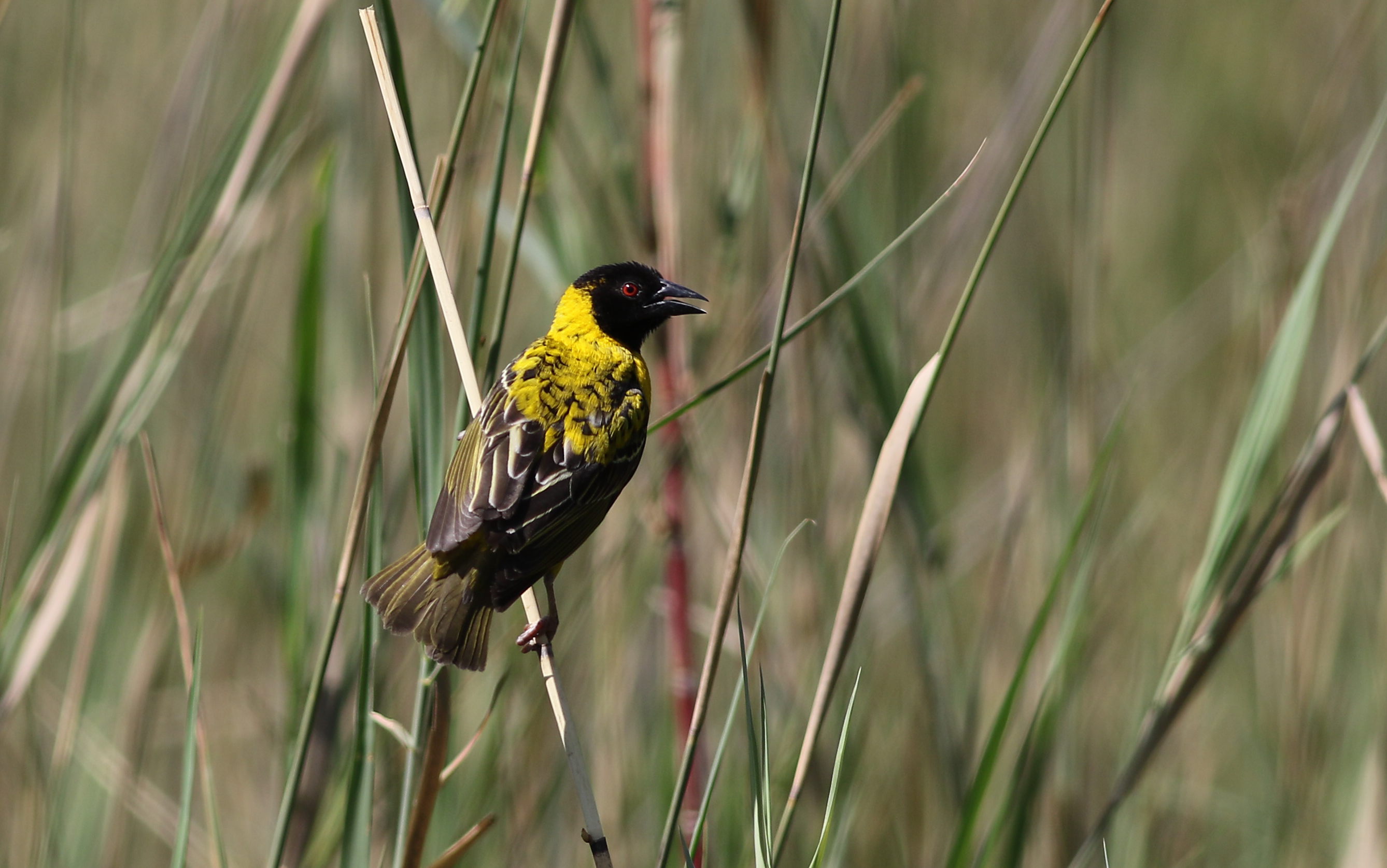
Village Weaver Was a Wet-Season Indicator in a Nigerian Savanna Bird Community
A 2026 bird-community study in north-central Nigeria identified village weaver as a significant wet-season indicator and one of…
Read story →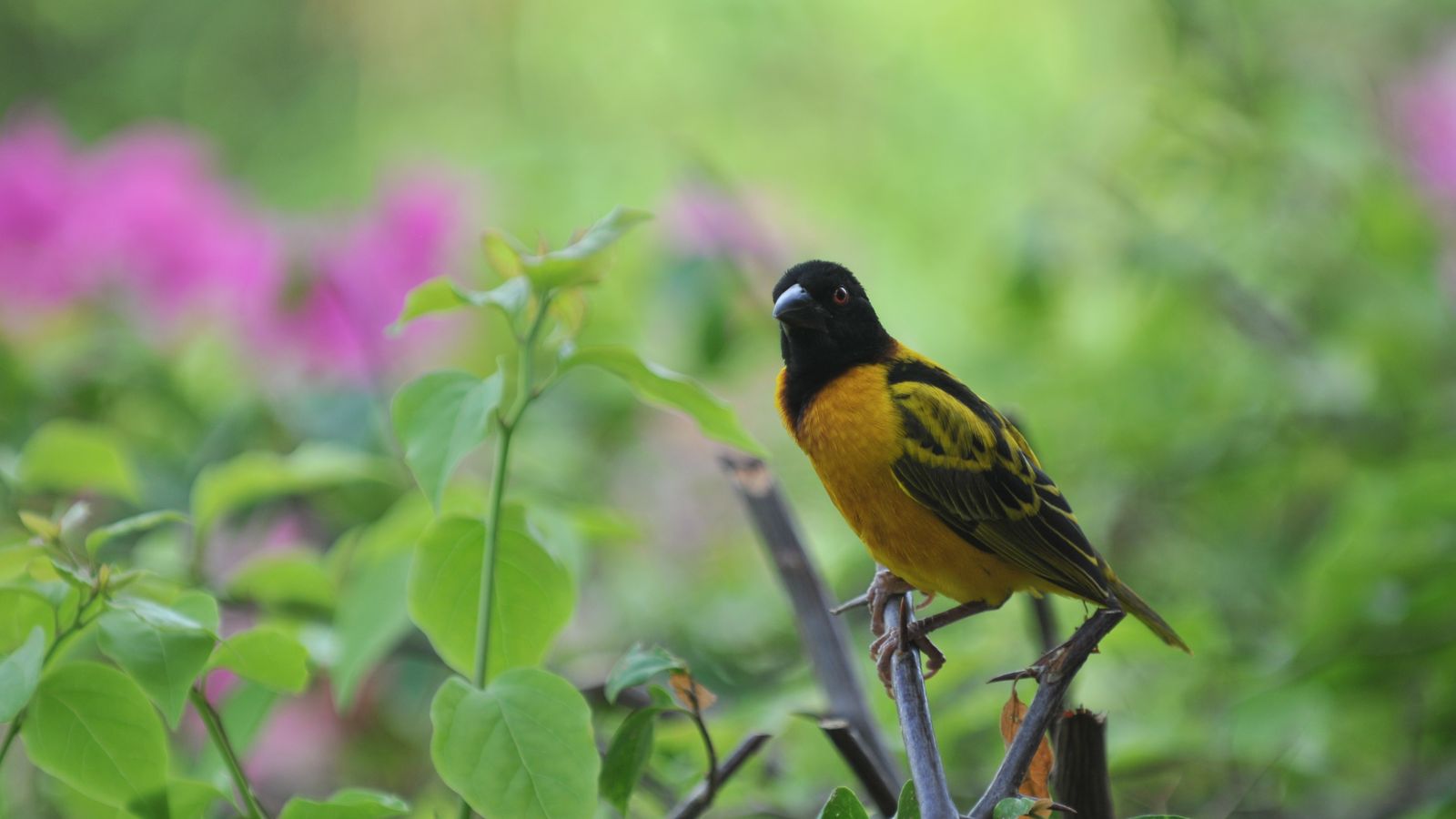
Heavy Metals in Village Weaver Tissues Revealed Distinct Pollution Fingerprints Across Benue State
A 2026 study of wild village weavers from six sites in Benue State found distinct heavy-metal profiles among…
Read story →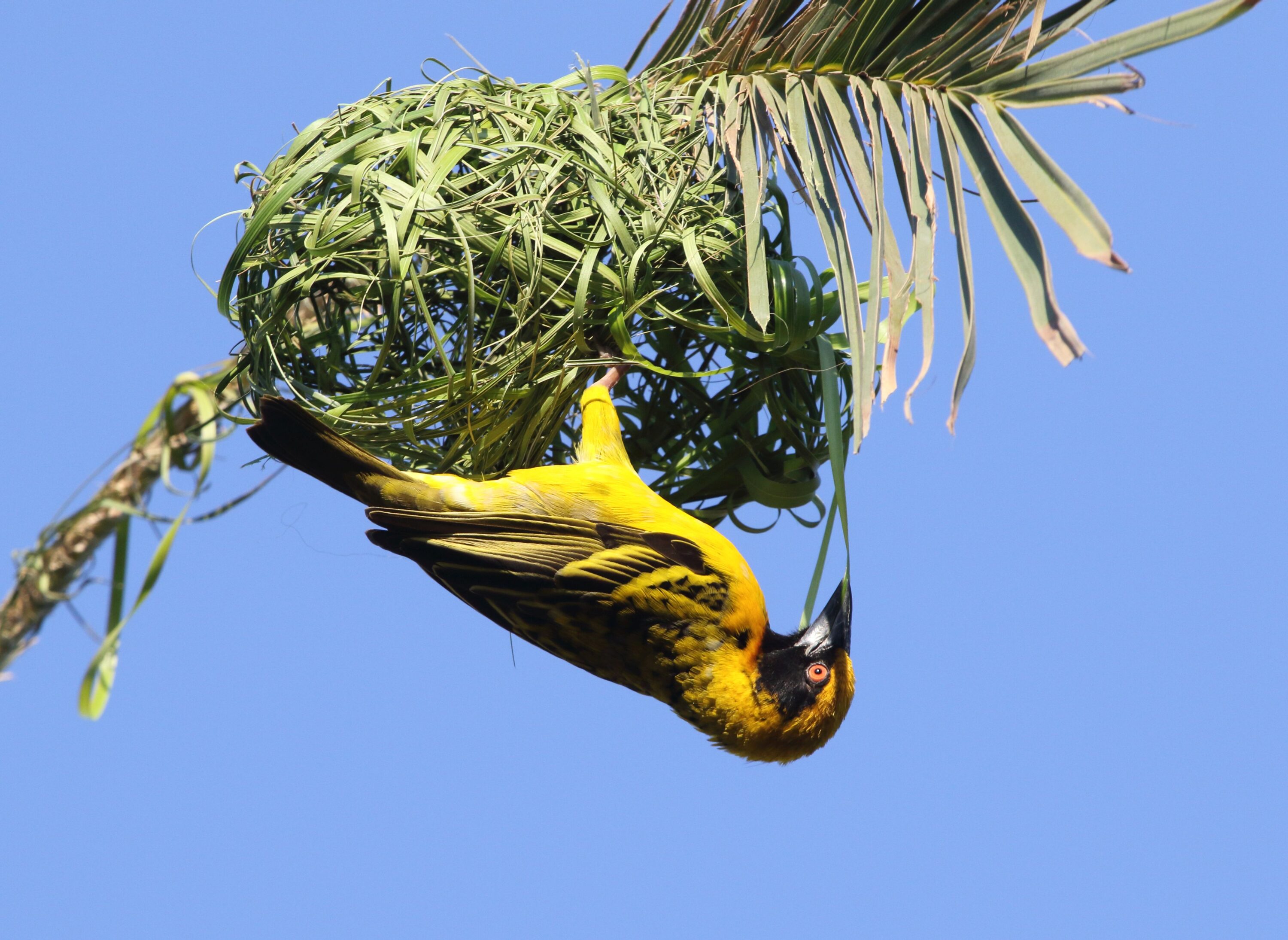
Male Village Weavers With Both Microfilariae and Active Moult Had the Lowest Glucose and Body Condition
A 2026 study of 128 breeding male village weavers found that birds with both microfilariae infection and active…
Read story →SPECIES IN THIS STORY
Species in this story
Independent research and conservation news archive
Did you find this information useful?
Wildlife Vagabond is independently built and maintained. Voluntary support helps cover source verification, hosting and continued work on research and conservation news.
Support Wildlife VagabondThe news archive will remain freely available.