
Microfilariae Were Far More Common in Male Village Weavers, With Prevalence Highest Mid-Morning
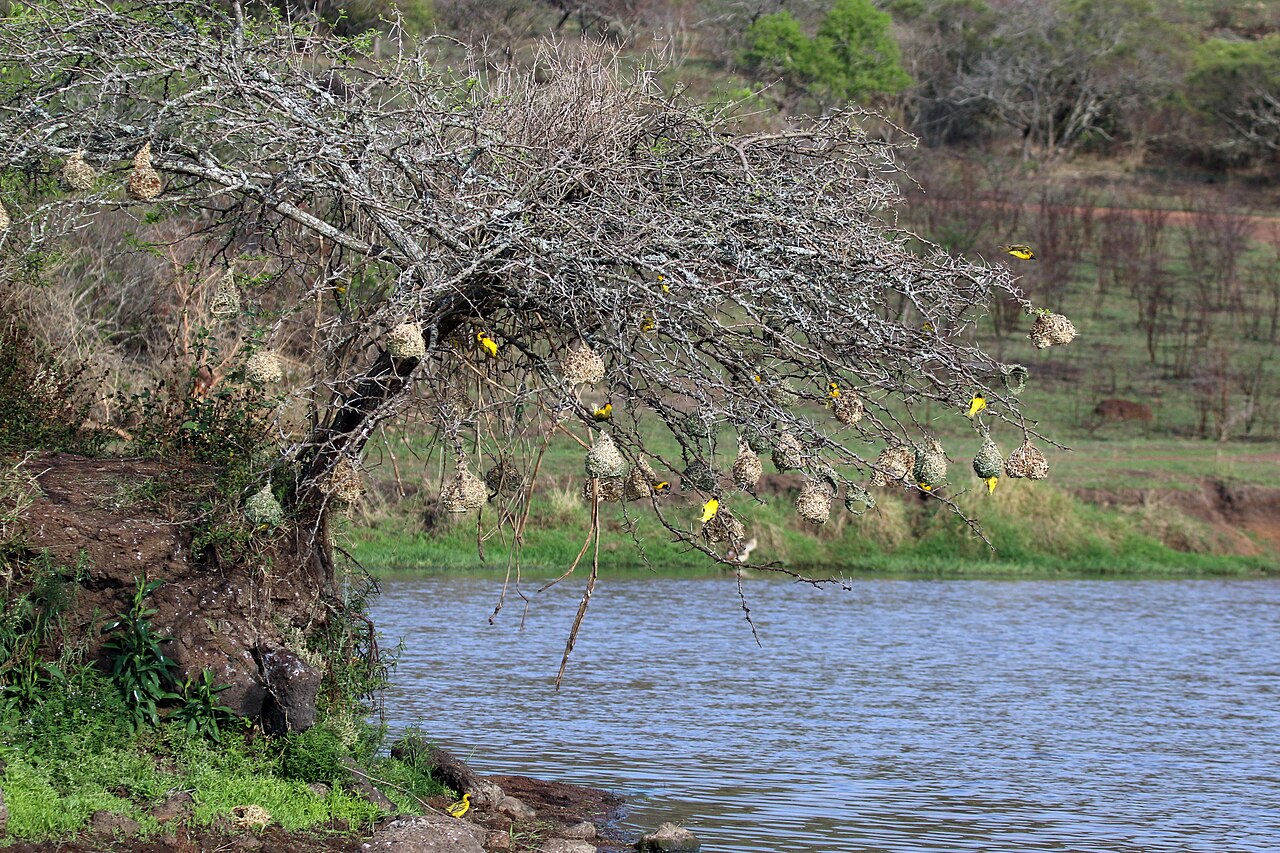
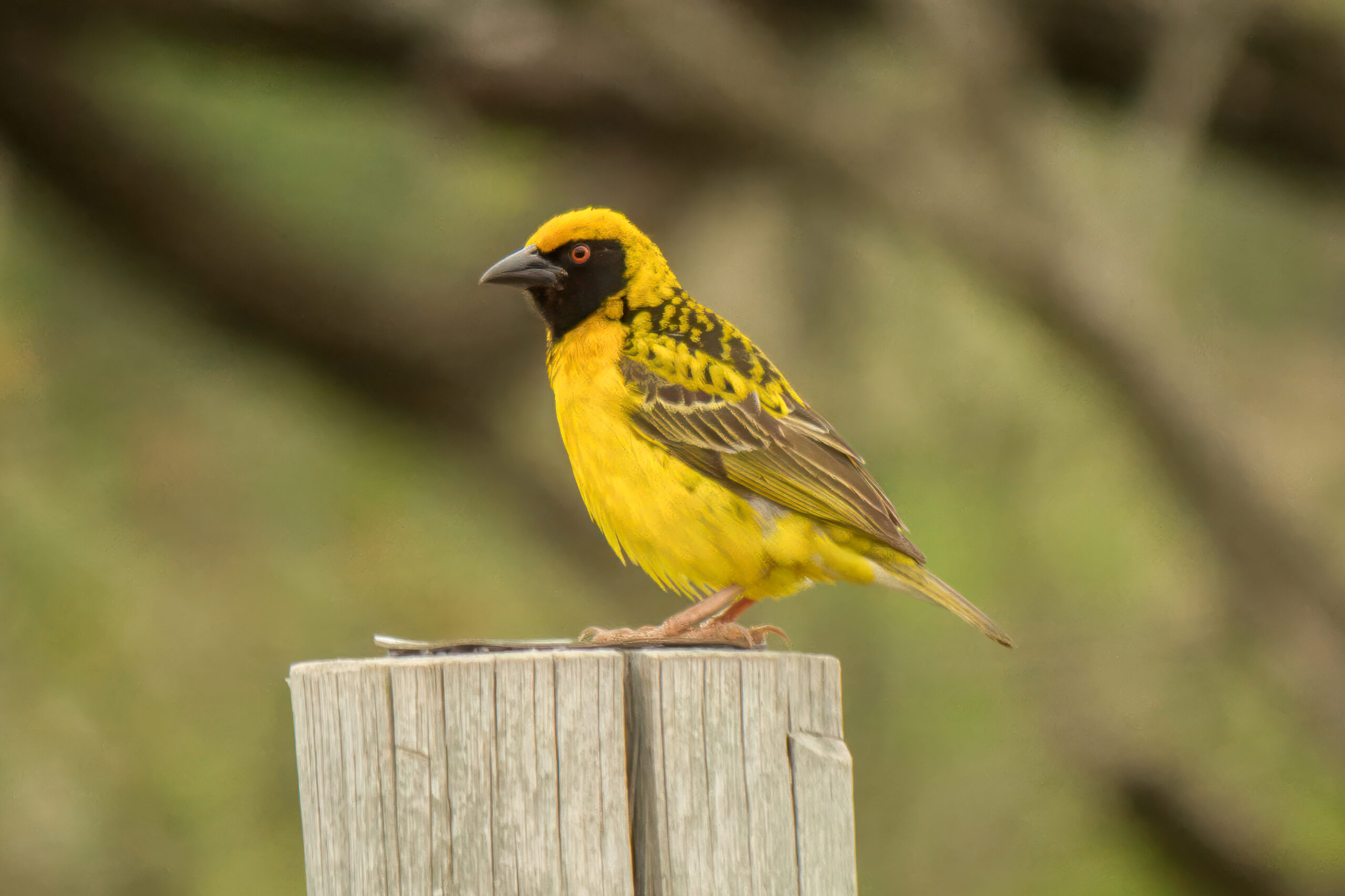
Breeding village weavers (Ploceus cucullatus) in Amurum Forest Reserve, Nigeria, showed a strong sex difference in microfilariae infection, and the infection pattern also changed over the course of the morning. Microfilariae are larval stages of filarial nematodes that circulate in the blood and are transmitted between hosts by blood-feeding vectors. The study, first published online on 28 January 2026, also compared body mass between infected and uninfected birds as an indicator of body condition.
Mist nets are fine mesh nets stretched between supports to temporarily capture flying birds so they can be handled, measured or sampled.
During the May–August 2023 breeding period, researchers captured 124 adults — 72 males and 52 females — with mist nets. Sampling was divided into early morning (06:30–07:59), mid-morning (08:00–09:29) and late morning (09:30–10:30). Blood was examined with the buffy coat method for motile microfilariae, and parasites were counted in infected birds to compare infection intensity.
Males were infected far more often
The strongest pattern was the difference between the sexes. Microfilariae were detected in 68 of 72 males (94.4%) but only 16 of 52 females (30.8%). Males also carried higher parasite loads among infected birds. Both infection prevalence and intensity peaked in mid-morning, especially in males.
Body mass patterns differed between sexes
Body mass showed another sex-specific pattern. Infected males were heavier on average than uninfected males in all three sampling periods, with the largest difference in mid-morning. The authors interpret this as a possible life-history trade-off: males in better apparent condition may continue investing heavily in reproductive traits and activity while carrying substantial parasite burdens, rather than higher body mass necessarily indicating stronger resistance to infection. The study did not directly test that mechanism.
Females showed the opposite association later in the morning. Infected and uninfected females had similar body mass early in the morning, but infected females were lighter than uninfected females in the mid- and late-morning comparisons. Across the morning, uninfected females gained mass steadily, whereas infected females showed a mid-morning dip followed by partial recovery. The authors suggest that energetic costs of infection and altered activity could contribute to this pattern, but these explanations were not tested directly.
Sampling time matters
The results also matter for field sampling. The authors had expected early-morning trapping to favour uninfected, more active birds, but both prevalence and intensity instead peaked in mid-morning, especially in males. They discuss host activity and the timing of blood-feeding vectors as possible contributors. Because the infection pattern changed over only a few hours, surveys conducted at a single time of day can produce different pictures of filarial prevalence and intensity.
Disease, parasites & microbiology
Related news
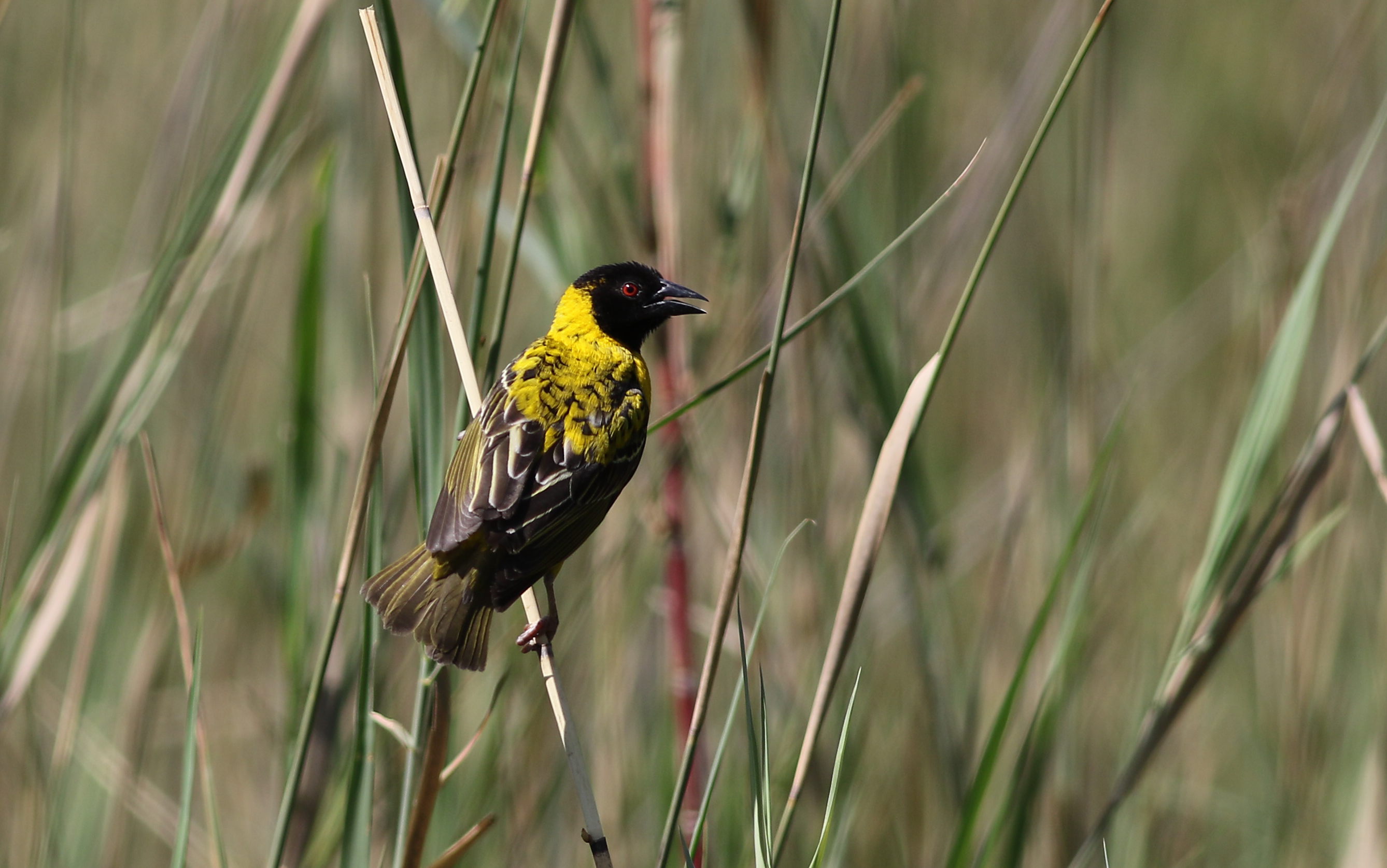
Village Weaver Was a Wet-Season Indicator in a Nigerian Savanna Bird Community
A 2026 bird-community study in north-central Nigeria identified village weaver as a significant wet-season indicator and one of…
Read story →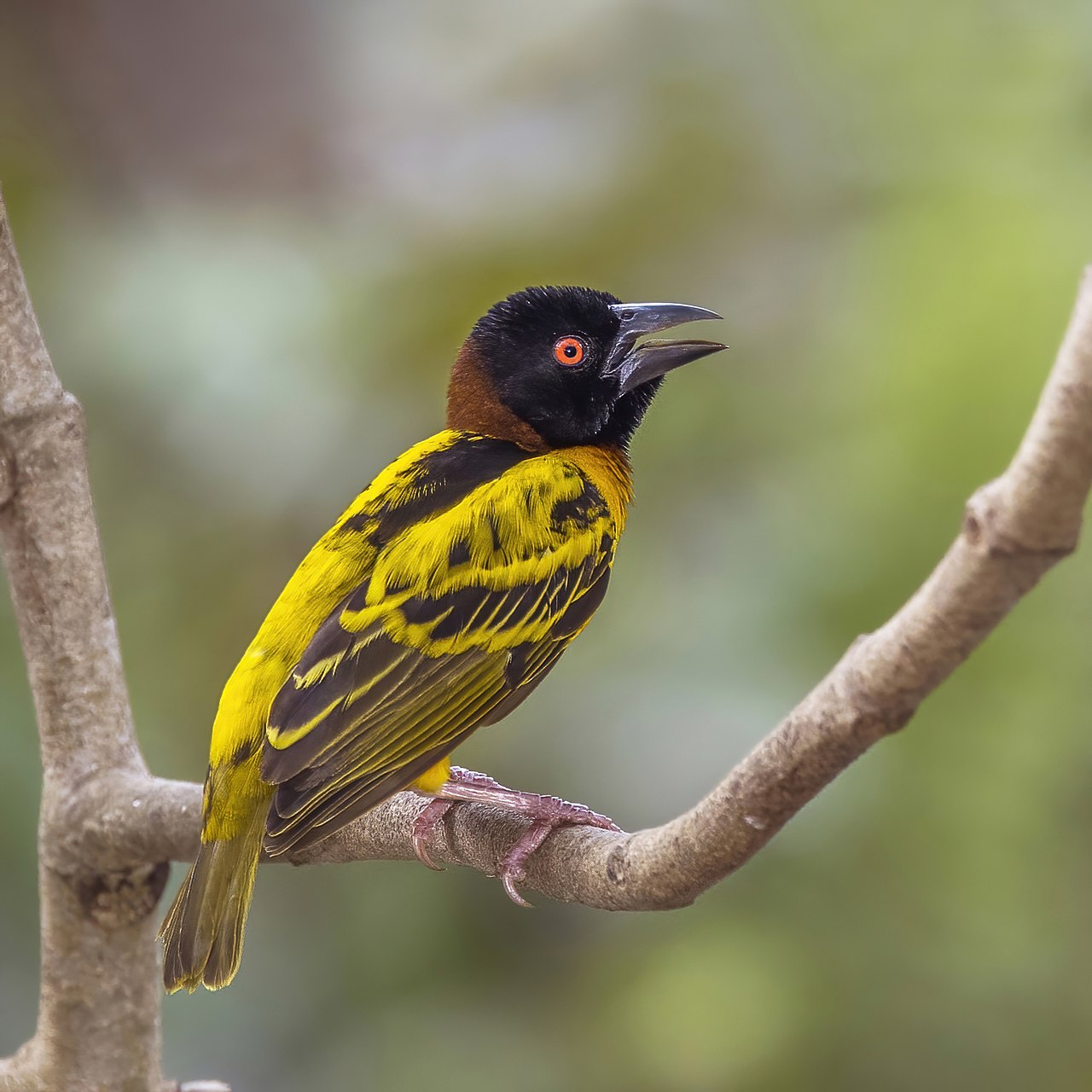
Infection and Moult Were Linked to Weaker Carotenoid Plumage Signals in Male Village Weavers
A 2026 study of 148 breeding male village weavers found that microfilarial infection altered redox balance, while birds…
Read story →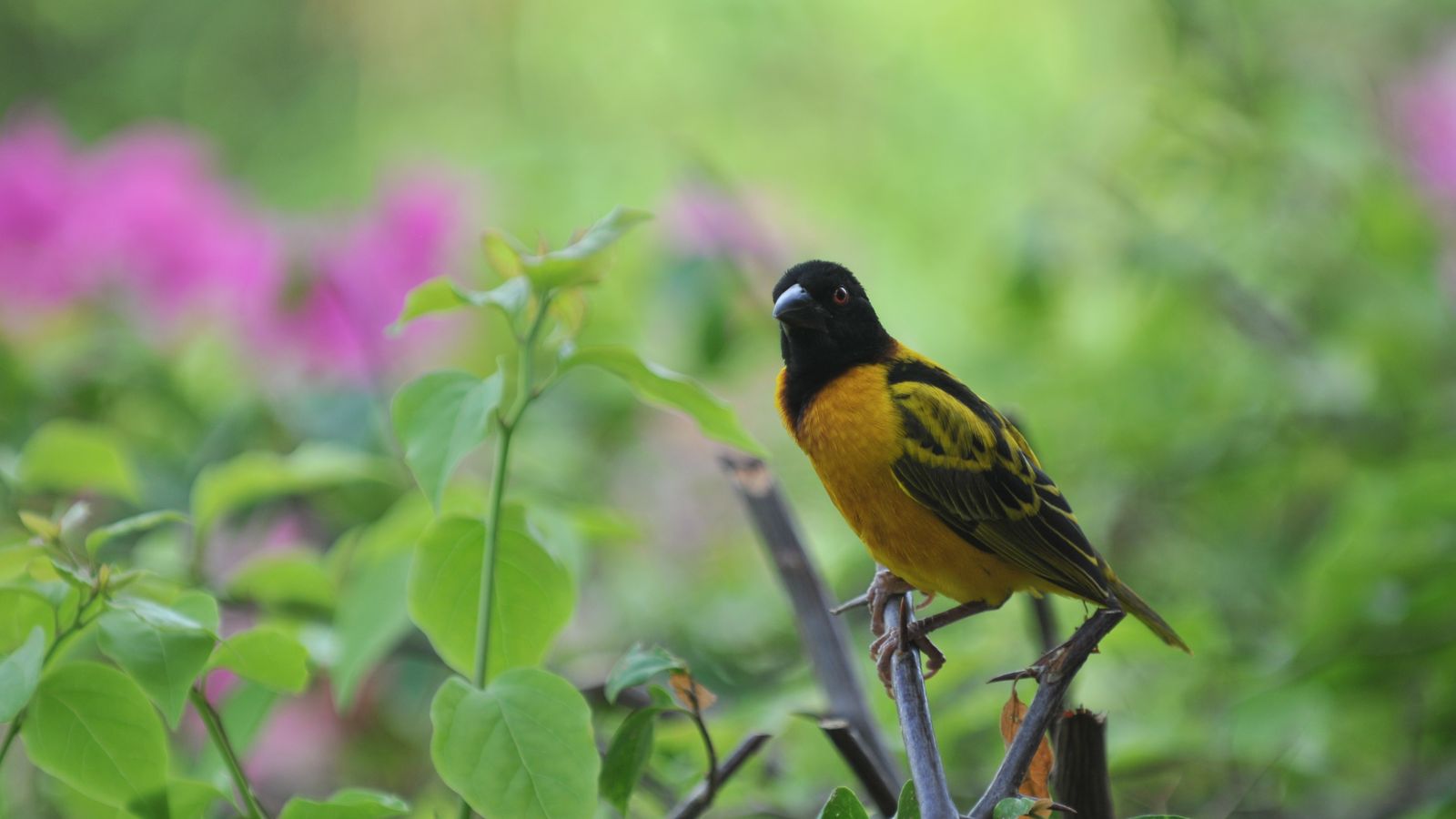
Heavy Metals in Village Weaver Tissues Revealed Distinct Pollution Fingerprints Across Benue State
A 2026 study of wild village weavers from six sites in Benue State found distinct heavy-metal profiles among…
Read story →SPECIES IN THIS STORY
Species in this story
Independent research and conservation news archive
Did you find this information useful?
Wildlife Vagabond is independently built and maintained. Voluntary support helps cover source verification, hosting and continued work on research and conservation news.
Support Wildlife VagabondThe news archive will remain freely available.