
Both Roe Deer and Fallow Deer Were Less Active on Warmer Summer Days
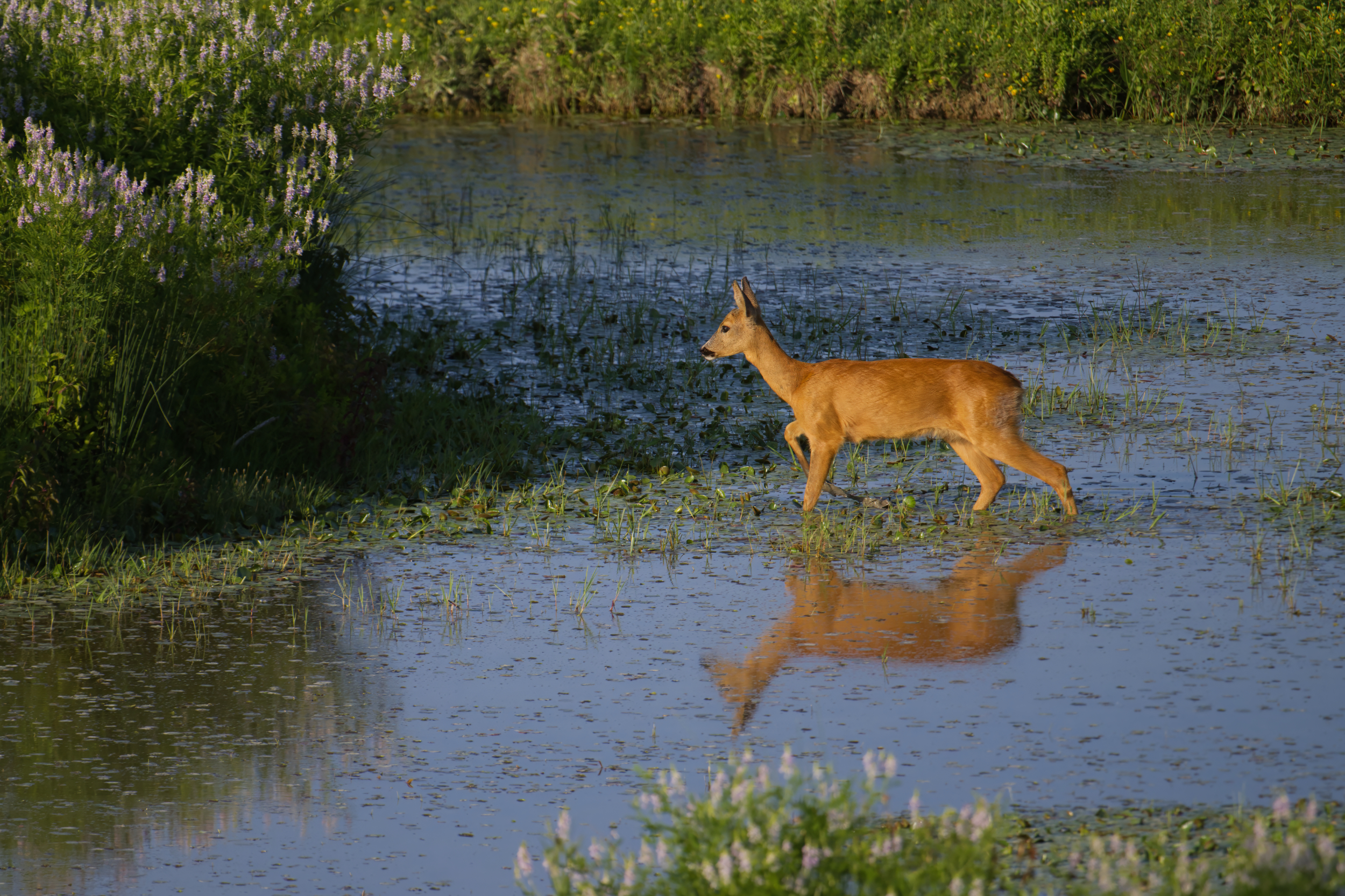
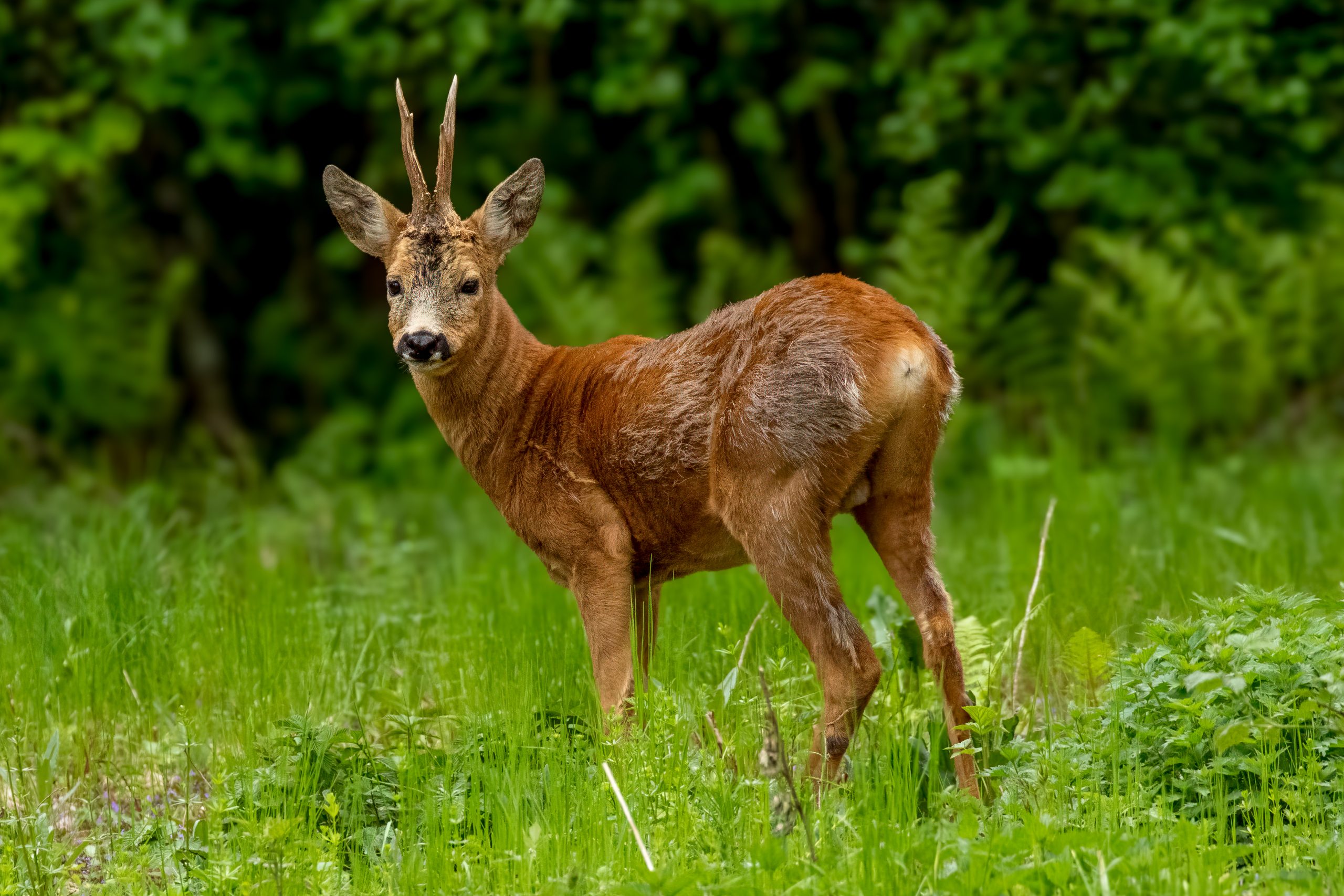
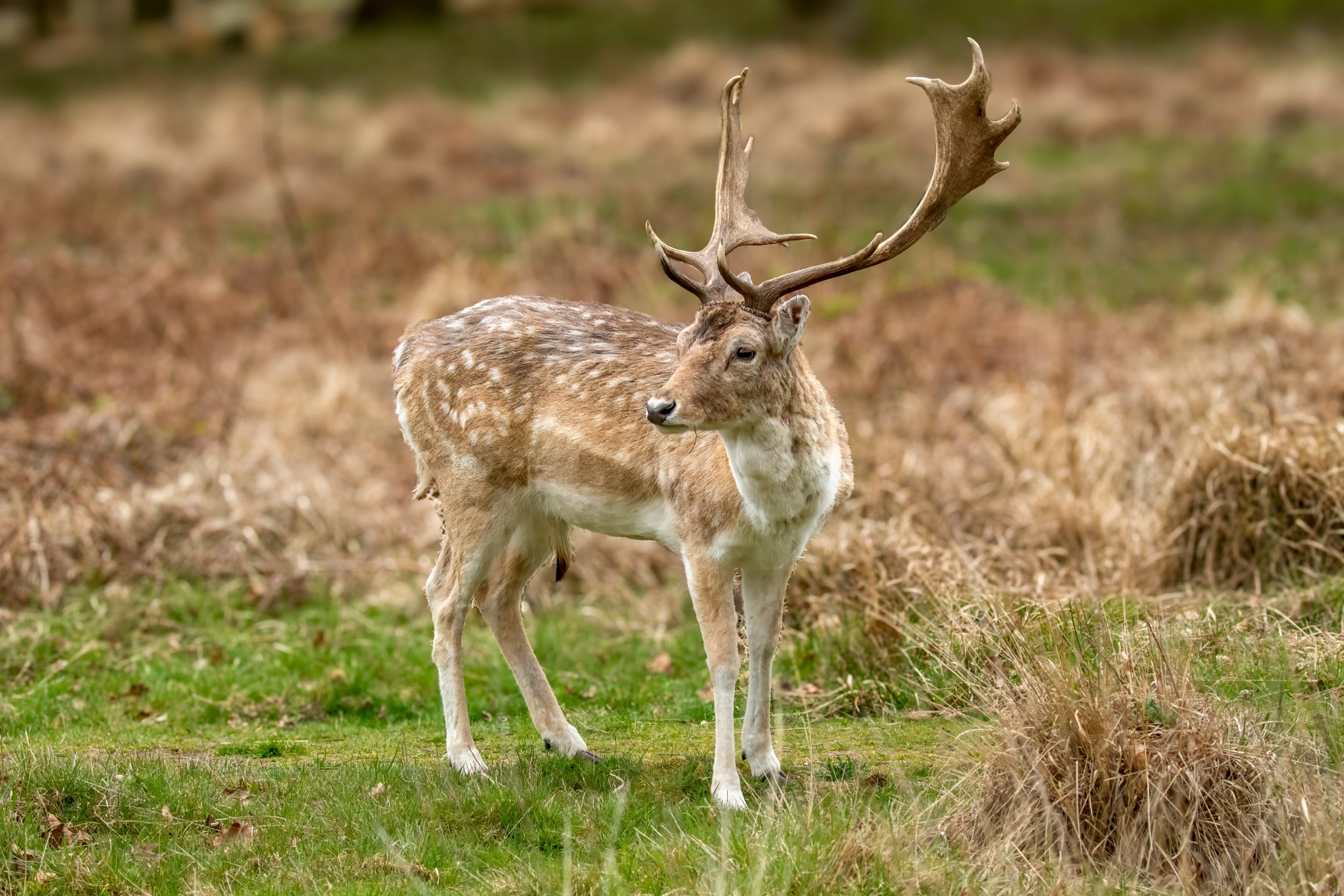
European roe deer (Capreolus capreolus) and European fallow deer (Dama dama) both reduced their daily activity as summer temperatures rose in protected areas of central Italy. Their responses diverged after that: roe deer shifted more activity into the night following warmer periods, while fallow deer did not show the same temperature-driven increase in nocturnality.
The researchers used 196 camera-trap sites across eight protected areas during the summers of 2021–2023. They analysed both total daily activity and the proportion of detections occurring at night, while also considering wolf and human visitation and local habitat.
Roe deer responded most strongly to heat
Roe deer showed the clearest temperature response. Across roughly a 15 °C increase in mean daily temperature, estimated daily activity fell by about half. At the same time, warmer conditions over the previous 24 hours were associated with a strong increase in nocturnal activity.
The authors interpret this combination as a thermoregulatory response. Reducing movement can limit heat production and energy expenditure, while cooler nights may allow deer to recover feeding time lost during hot daylight hours. The study did not measure body temperature, physiological heat stress or food intake directly, so this remains an interpretation of the observed activity pattern rather than a demonstrated physiological mechanism.
Fallow deer showed a different trade-off
Fallow deer also became less active on hotter days, but the temperature response was weaker. Their nocturnality did not increase clearly with warming. Instead, nocturnal activity tended to be lower at sites used more often by wolves, although the wolf effect was weak.
This difference fits the authors’ interpretation that the two deer species balance heat and predation risk differently. Roe deer are considered more heat-sensitive, whereas fallow deer are better adapted to warm Mediterranean conditions and may therefore be less likely to shift activity into the night when doing so increases overlap with a largely nocturnal predator.
Human visitation produced no clear reduction in total activity or increase in nocturnality in either species. The study areas were relatively undisturbed protected landscapes, however, so the authors caution against extending this weak human response to more heavily visited areas.
The broader implication is that behavioural responses to warming may differ even between similar herbivores. Lower activity can reduce opportunities to feed, while greater nocturnality can increase temporal overlap with nocturnal predators. Whether these adjustments ultimately help or harm population performance remains unresolved.
Behaviour
Related news
Estimated M. bovis Seroprevalence Was 26.6% in Exmoor Red Deer
A survey of 432 wild deer in the Exmoor area estimated Mycobacterium bovis seroprevalence at 26.6% in red…
Read story →
Roe Deer, Fallow Deer and Wild Boar Used Woody Biocorridors for More Than Movement
Camera traps in South Moravia showed that woody biocorridors served as movement routes, feeding areas and shelter for…
Read story →
Roe Deer and Wild Boar Remained Key Wolf Prey as Diet Shifted Across North-western Italy
From 2021 to 2025, wolves in north-western Italy continued to feed mainly on wild prey. In the Po…
Read story →SPECIES IN THIS STORY
Species in this story
Independent research and conservation news archive
Did you find this information useful?
Wildlife Vagabond is independently built and maintained. Voluntary support helps cover source verification, hosting and continued work on research and conservation news.
Support Wildlife VagabondThe news archive will remain freely available.