
Beetles Dominated Western Cattle Egret Diet Across Nine Algerian Colonies
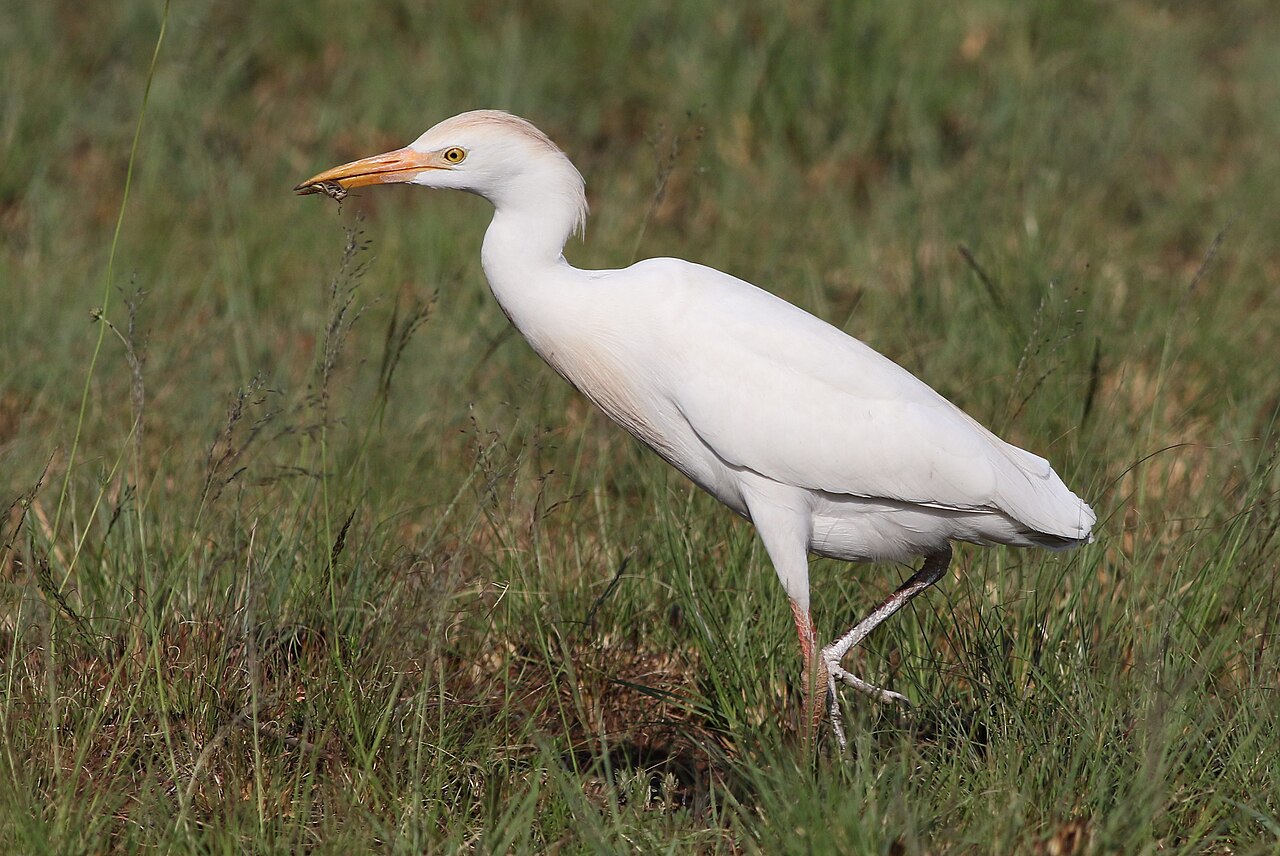
A study of breeding western cattle egrets (Ardea ibis) in northeastern Algeria found that the birds maintained a broadly similar feeding niche across contrasting Mediterranean climates. The study, published on 20 July 2026 in Ecologica Montenegrina, compared diet at nine breeding colonies in semi-arid and sub-humid regions.
During the 2020 and 2021 breeding seasons, the researchers collected 241 fresh regurgitated pellets from four sub-humid and five semi-arid colonies. Pellets contain indigestible prey remains and can therefore show which prey groups the birds had eaten.
Beetles made up more than four-fifths of the identified prey
The pellets contained 1,382 identified animal prey items. Invertebrates accounted for 98.3% of them. Beetles (Coleoptera) dominated the diet with 1,129 items, or 81.7%, while grasshoppers and related insects in the order Orthoptera accounted for another 15.4%. Vertebrate remains made up only 1.7% and consisted of mammalian hair and bird feathers.
Climate was linked to some differences in prey use. Colonies in the more humid sub-humid region had greater prey diversity and a higher occurrence of Orthoptera than colonies in the semi-arid region. After the researchers treated colonies, rather than individual pellets, as the independent sampling units, however, the analysis did not support a clear regional difference in the overall number of identified prey items or in how often vertebrate remains occurred.
Climate changed secondary prey more than the basic feeding strategy
Despite these differences, the overall feeding niche was strikingly similar across the climatic gradient. On a diet-overlap scale from 0 to 1, where 1 means identical proportional use of prey groups, colonies from the two climatic regions averaged 0.987 — an extremely high overlap. Coleoptera remained the dominant prey group at every colony, while climate mainly changed the diversity and relative contribution of secondary prey groups.
The authors therefore describe the pattern as a stable feeding niche: western cattle egrets adjusted the composition of their diet without fundamentally changing their generalist, invertebrate-dominated feeding strategy. They also caution that pellet analysis tends to overrepresent hard-bodied prey such as beetles and Orthoptera and to underestimate softer prey that are digested more completely, so the exact prey proportions should not be read as a perfect measure of everything the birds consumed.
Ecology
Related news
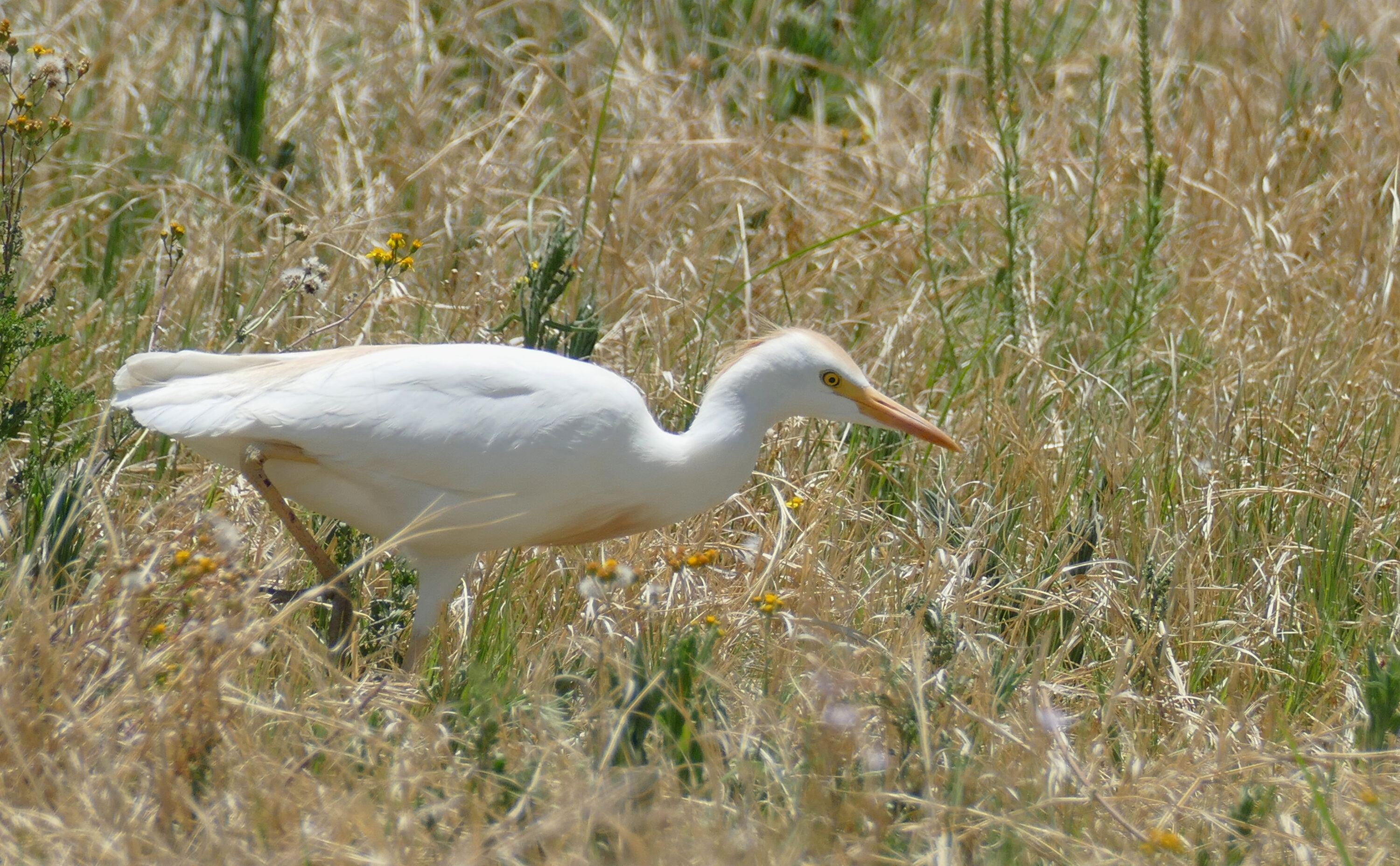
Cattle Egrets Find New Feeding Opportunities Around Farms and Towns
Cattle egrets exploit insects flushed by livestock and machinery. A review of 173 studies links this flexibility with…
Read story →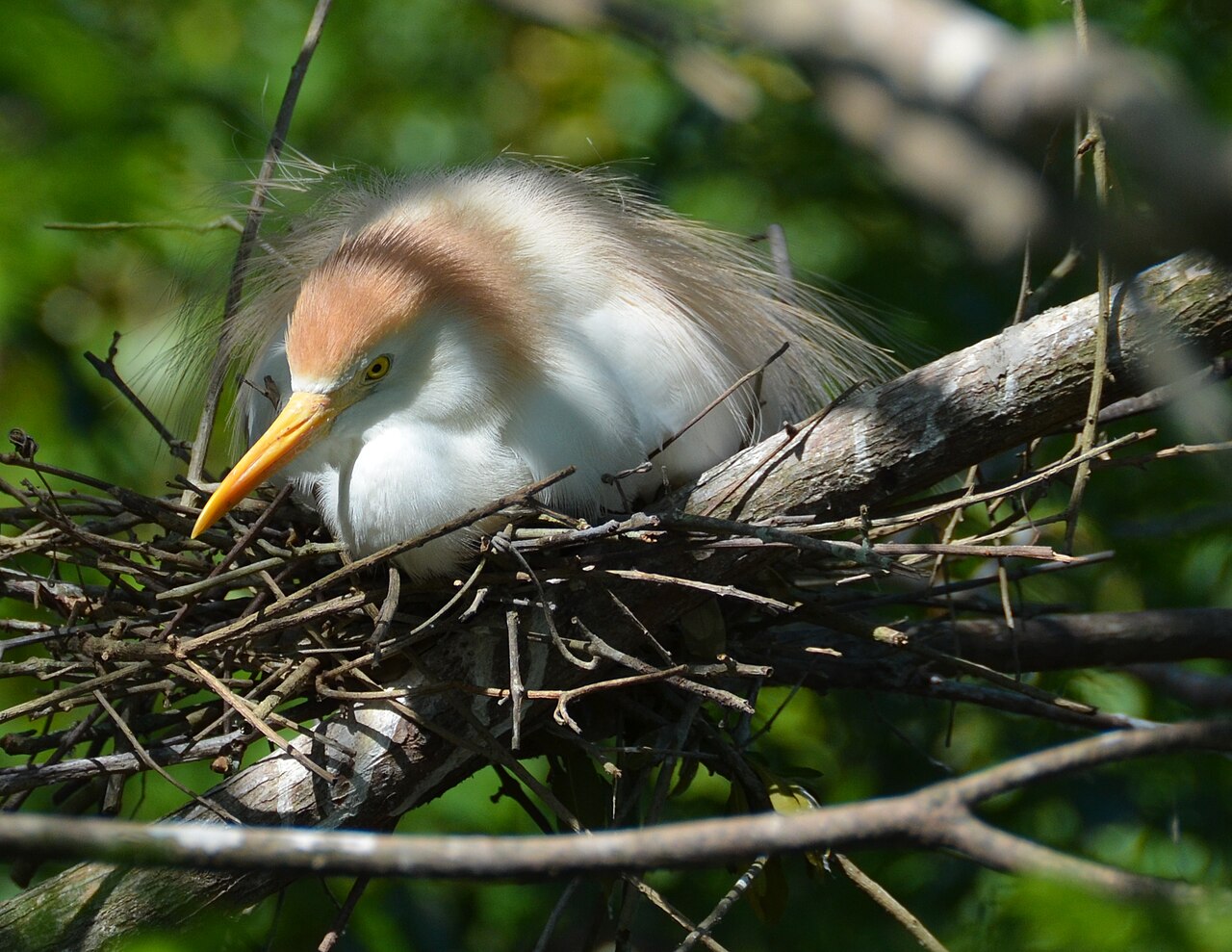
Earlier Laying, Larger Clutches and Better Habitat Were Linked to Higher Western Cattle Egret Breeding Success
A five-year study of 1,779 Western Cattle Egret nests in northeastern Algeria found that breeding performance varied strongly…
Read story →
Most Iberian jackdaws share winter roosts with other species
A census of 232 roosts in Spain and Portugal found that 71.6 per cent were shared with other…
Read story →SPECIES IN THIS STORY
Species in this story

Independent research and conservation news archive
Did you find this information useful?
Wildlife Vagabond is independently built and maintained. Voluntary support helps cover source verification, hosting and continued work on research and conservation news.
Support Wildlife VagabondThe news archive will remain freely available.