
Western Marsh Harriers Preferred Greener Stop Sites During Sahara Crossings
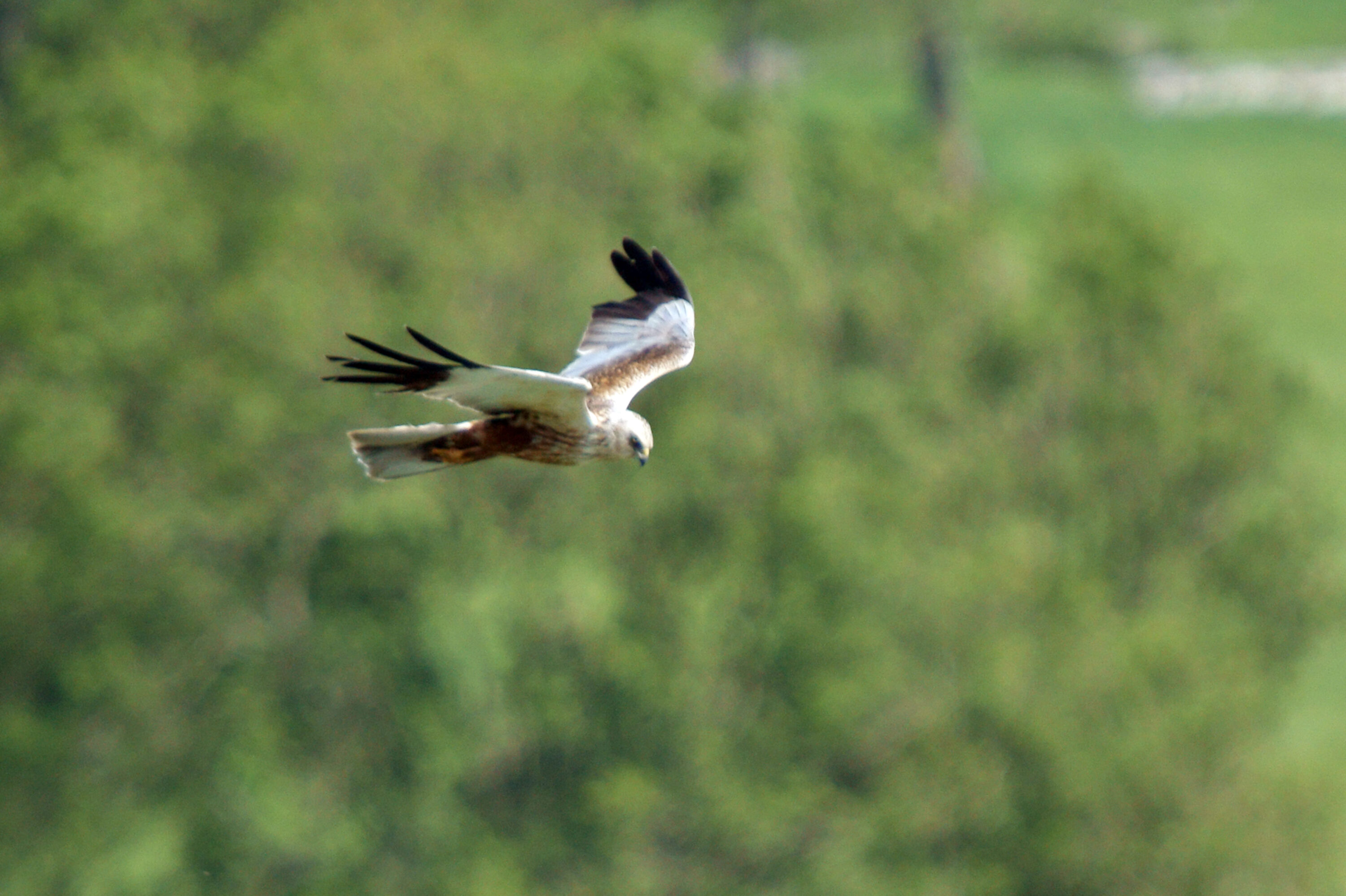
Western marsh harriers (Circus aeruginosus) crossing the Sahara did not pause randomly in the desert. They used relatively greener sites for short daytime stops, while the pattern of interruptions also varied with wind conditions and proximity to subsequent night roosts. The study used GPS/GSM tracking and was first published online on 14 January 2026 in Ardea.
The researchers analysed migration tracks collected from 2019 to 2023 as the harriers crossed hyper-arid parts of the Sahara, combining the GPS/GSM tracks with satellite-based vegetation measurements and wind data.
Harriers preferred greener stop sites
Stop-site selection was associated with the Normalised Difference Vegetation Index (NDVI), a satellite measure that reflects the presence and greenness of vegetation. The harriers preferred sites with higher NDVI values, showing that even scarce vegetation can help shape where the birds interrupt their flights within the desert.
More interruptions occurred in the late afternoon
Flight interruptions were more concentrated during the late afternoon. The birds also showed a tendency to stop near locations that were subsequently used as night roosts. The authors interpret this pattern as active adjustment towards greener sites that can be used for afternoon foraging and as future night roosts.
A further seasonal difference emerged between the sexes. During autumn migration, females had shorter distances between stop sites than males, whereas no corresponding sex difference was found in spring. The authors suggest that shorter autumn intervals could reflect an energy-conserving strategy in the heavier females, but note that the absence of the same pattern in spring means this explanation remains uncertain. They therefore treat the result as a possible sex-specific difference in migration strategy that needs further study.
Wind conditions also affected interruption behaviour. The results therefore show that the short interruptions were associated not only with the sparse vegetation landscape but also with atmospheric conditions.
The study highlights the importance of scarce vegetated areas during trans-Saharan migration. Rather than treating the desert as a uniform barrier crossed without meaningful habitat use, the tracking data show that western marsh harriers make short-duration use of particular places within it. The authors argue that identifying these short-duration stop sites helps explain how the species manages migration through one of the most demanding sections of its flyway.
Ecology
Related news
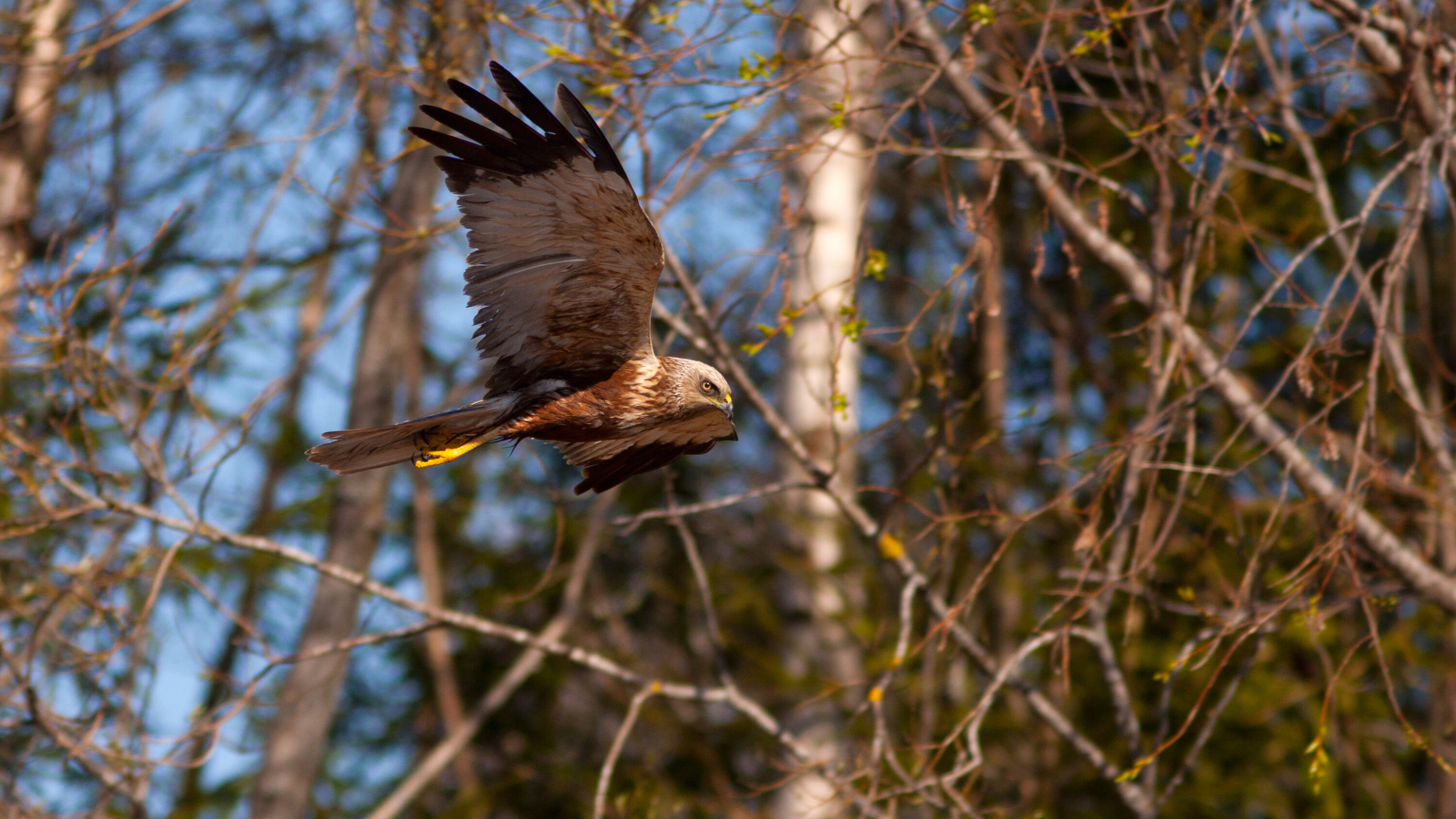
Ten of 17 Western Marsh Harriers Recovered in West Africa Had Been Ringed in Finland or Poland
Among 17 documented western marsh harrier recoveries in Ghana, Togo and Benin, six birds had been ringed in…
Read story →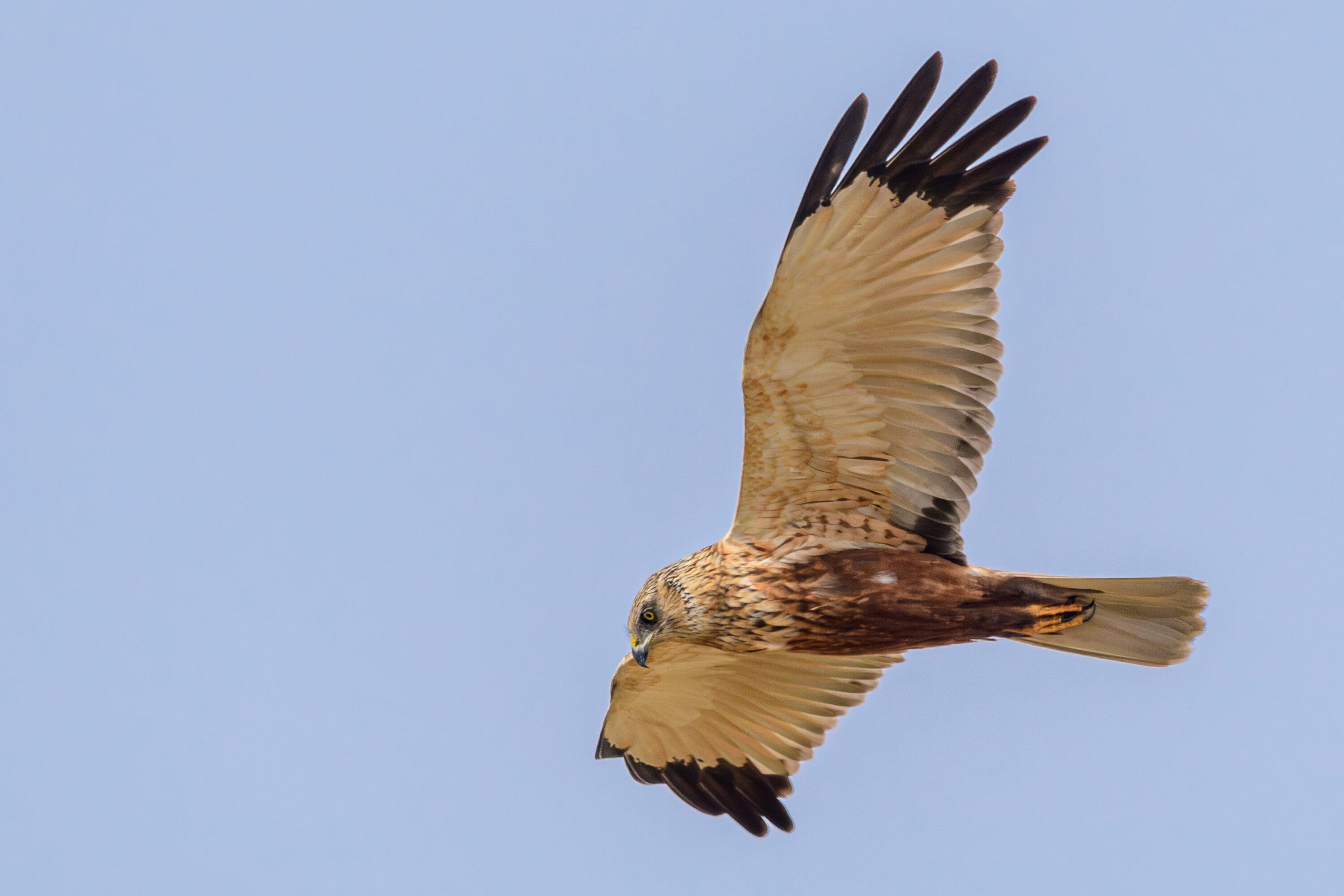
Western Marsh Harriers Laid Earlier in Wetter Februaries, and Pairs With Paler Males Bred More Successfully
Across 219 breeding attempts in Spain’s Ebro Valley, western marsh harriers laid earlier when February was wetter and…
Read story →
Urban waterfowl across New Zealand share many of the same virus species
Researchers detected 96 avian viruses at 13 urban-waterfowl sites across New Zealand. Many virus species occurred at more…
Read story →SPECIES IN THIS STORY
Species in this story
Independent research and conservation news archive
Did you find this information useful?
Wildlife Vagabond is independently built and maintained. Voluntary support helps cover source verification, hosting and continued work on research and conservation news.
Support Wildlife VagabondThe news archive will remain freely available.