
Westhoek Saltmarsh Held Up to 9,142 Curlew Sandpipers During Autumn Migration
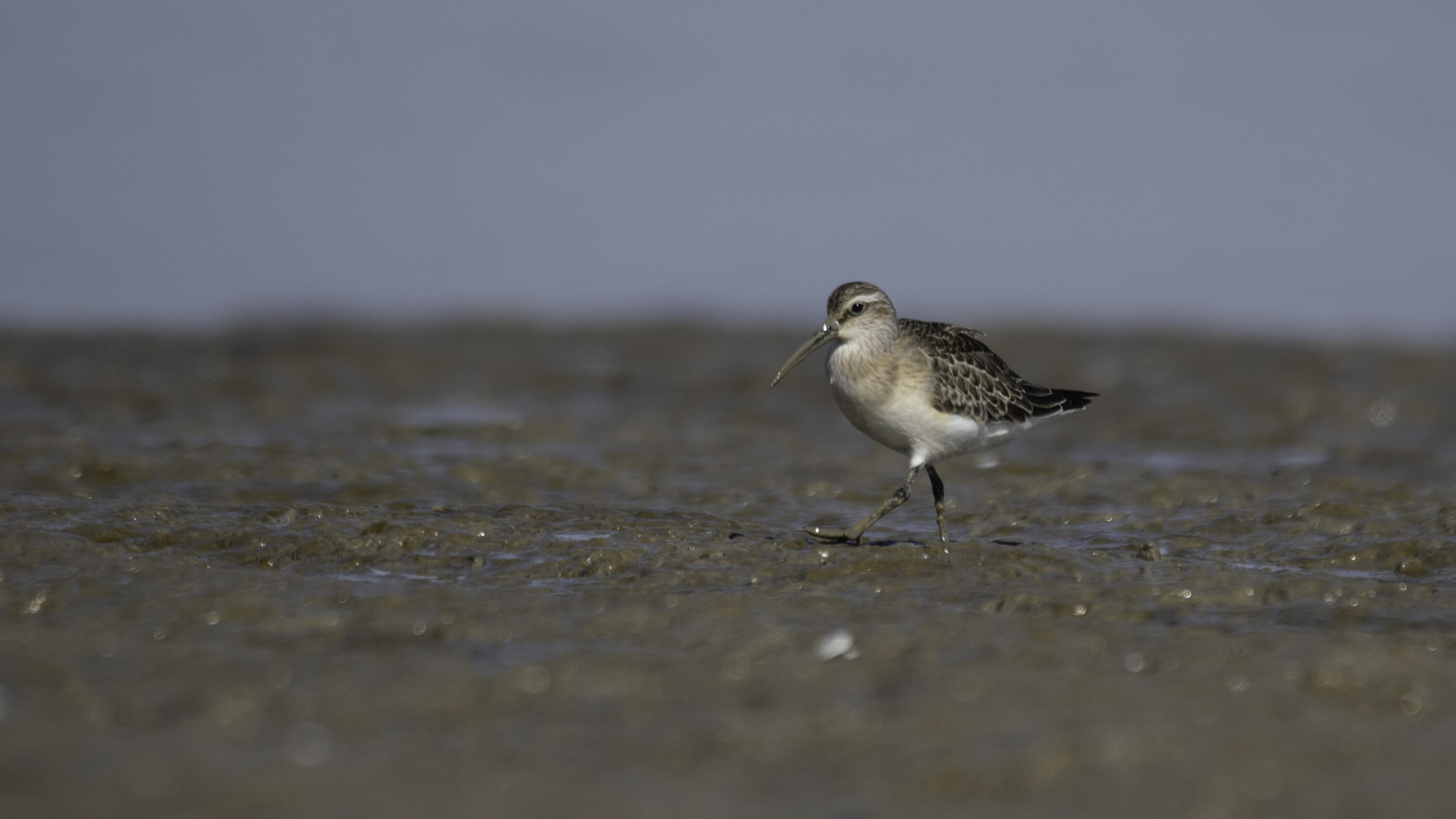
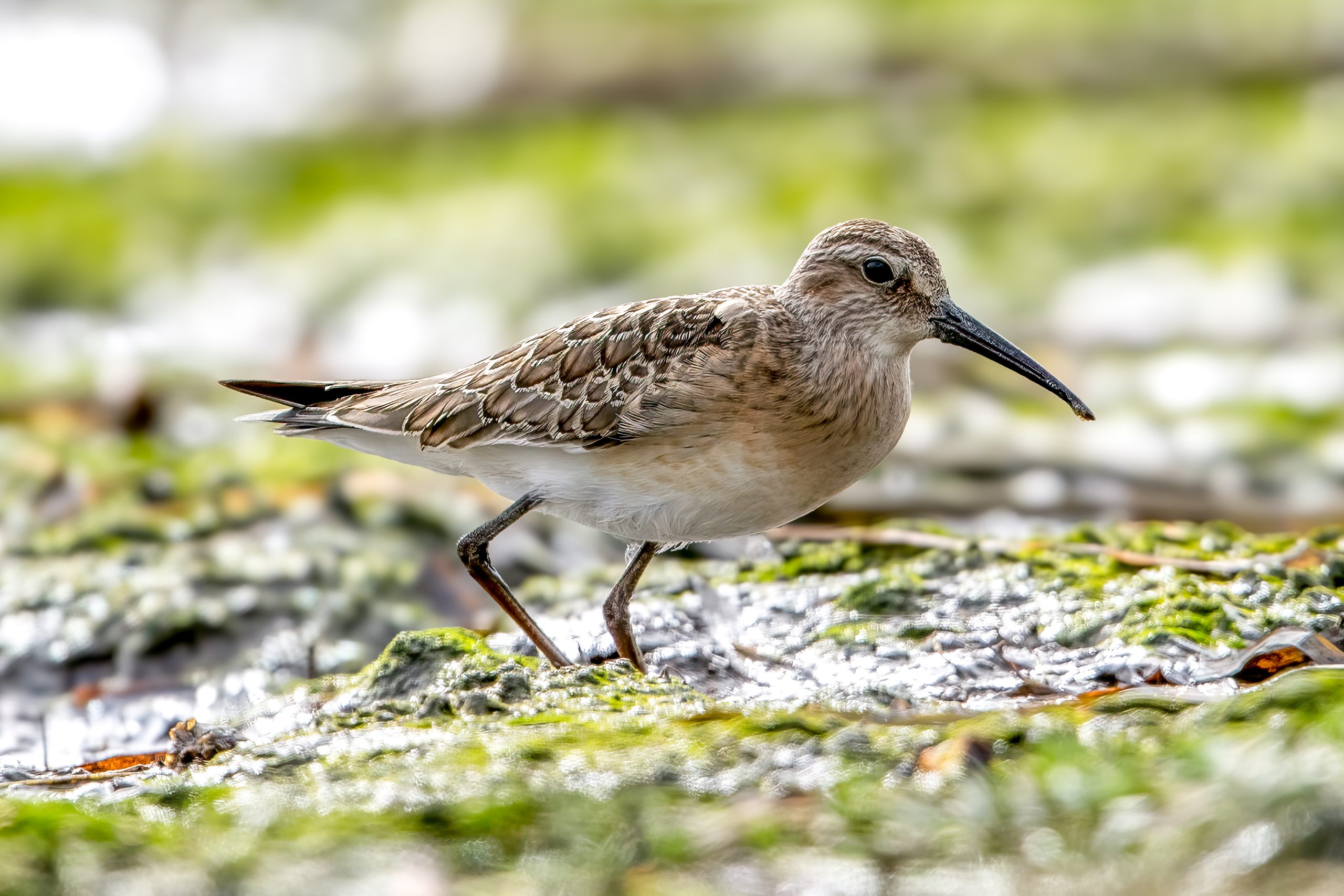
A 2026 study in Wader Study identifies the Westhoek saltmarsh as a major autumn staging site for the curlew sandpiper (Calidris ferruginea) in the Dutch Wadden Sea. Researchers analysed a weekly count series spanning 2001–2024 along an 11-km section of the Frisian Wadden coast between Koehool and Zwarte Haan, including the two largest local high-tide roosts at Westhoek and Zwarte Haan.
The counts showed two distinct autumn migration peaks. Annual maxima during the first peak, from late July to early August, ranged from 2,110 to 9,142 birds. The second peak, from late August to mid-September, was usually smaller, with maxima of 740–4,590 birds. No juveniles were recorded in July or early August, whereas juveniles made up 30–90% of birds from mid-August to mid-September in some years, reflecting the later passage of young birds. High juvenile proportions in some years also suggested relatively good breeding success on the Arctic breeding grounds.
Monthly counts can miss short migration peaks
The weekly surveys also showed how easily the short migration peaks can be missed by standard monthly high-tide counts. Dedicated counts at Westhoek were often higher than the monthly figures for the wider Frisian or Dutch Wadden Sea, in some comparisons by a factor of two and occasionally up to ten. The researchers attribute much of this discrepancy to timing: the main peaks occurred around the transitions between July and August and between August and September, while standard counts were generally made around the middle of each month.
Using a flyway population estimate of 300,000–400,000 birds and an average seasonal maximum of about 3,800 at Westhoek in 2016–2020, the authors estimate that roughly 1% of the flyway population used the saltmarsh. This was the largest recorded concentration in the Dutch Wadden Sea. They suggest that increasing densities of mud shrimp (Corophium volutator) on the silting mudflats may help explain the site’s attraction, although the local diet of curlew sandpipers has not yet been investigated.
Ecology
Related news
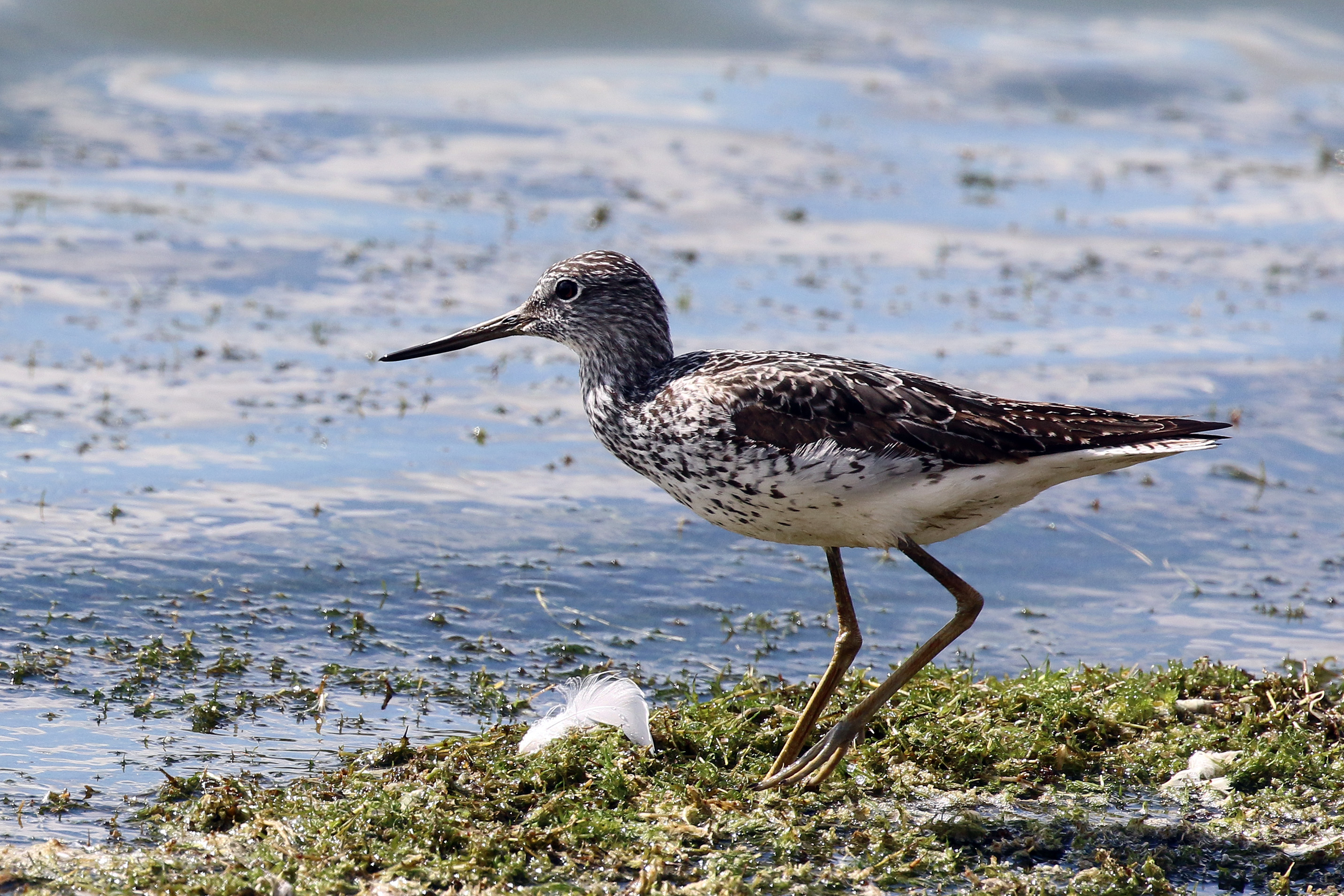
Coastal Stopover Dependence Best Predicted Which Shorebirds Declined in Bangladesh Counts
Fourteen years of counts on Sonadia Island found downward trends in 12 of 20 migratory shorebirds. Seven of…
Read story →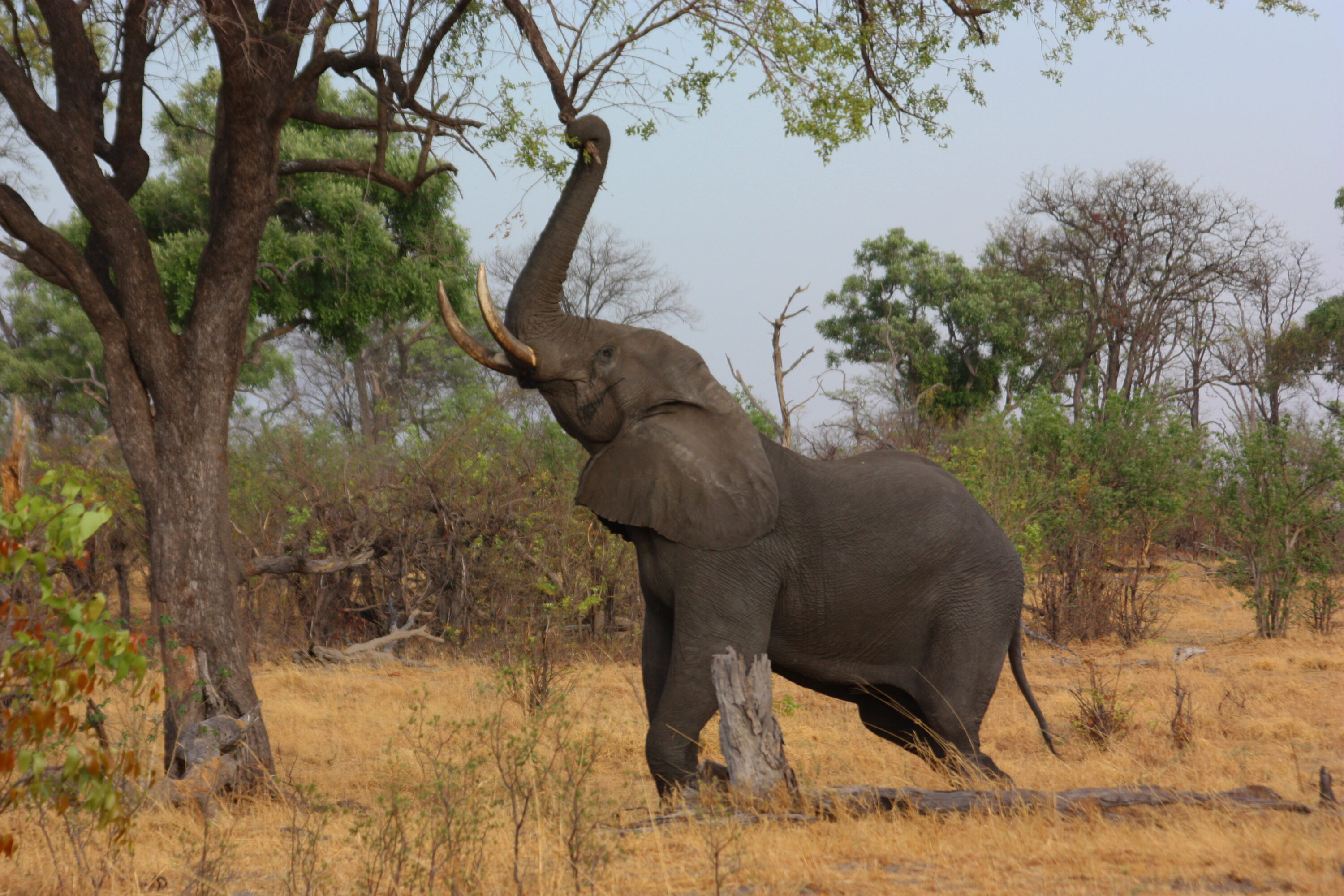
African Bush Elephants Distinguished Artificial Food-Quantity Patterns at Close Range
In experiments in South Africa, four semi-tame elephants chose between visual patterns representing canopy size and leaf density.…
Read story →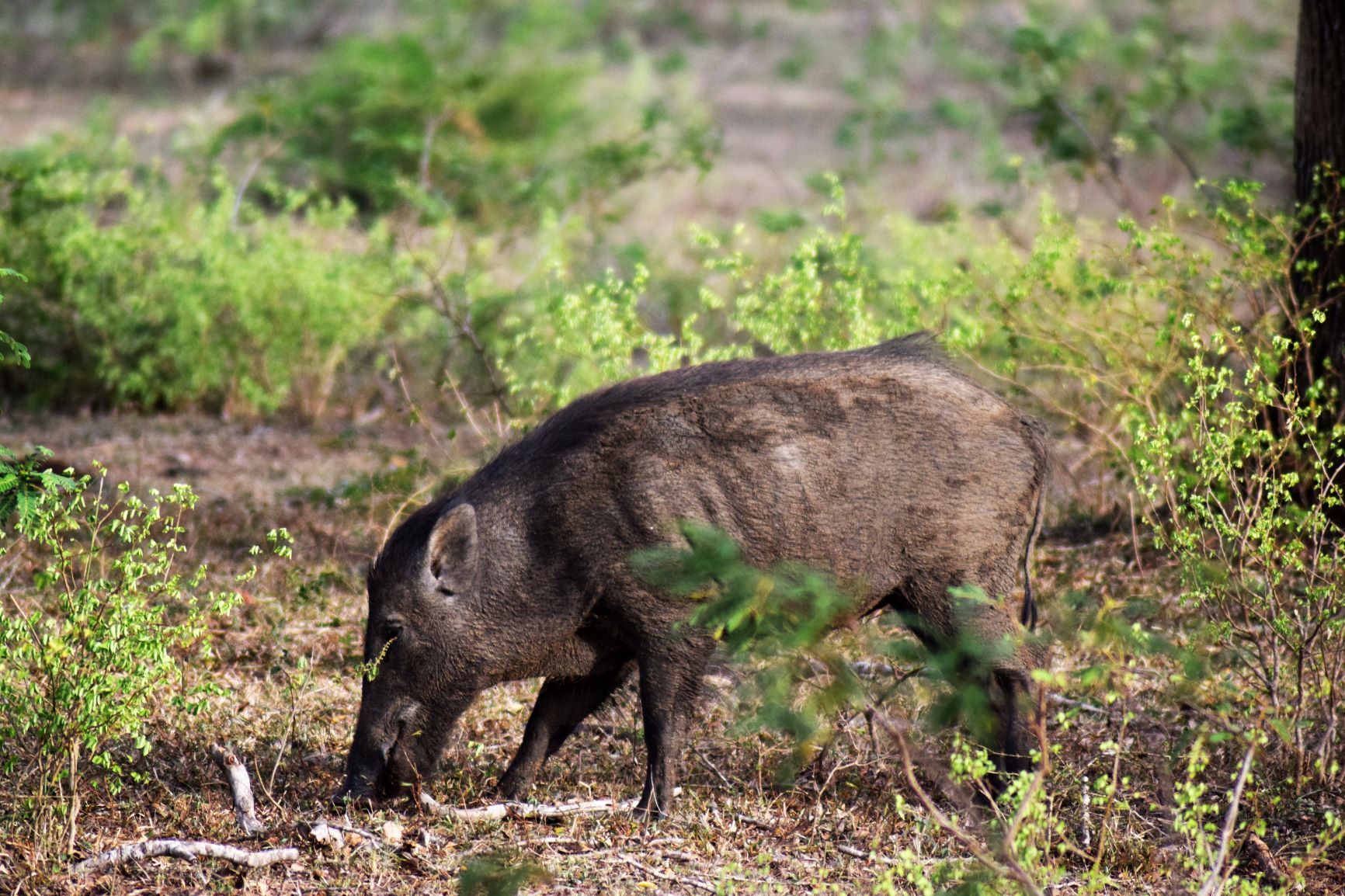
Maps Show Where Wild Boar Could Thrive and Spread on Jeju Island
Researchers mapped potentially suitable wild-boar habitat across roughly 36% of Jeju Island and identified eight possible corridors linking…
Read story →SPECIES IN THIS STORY
Species in this story
Independent research and conservation news archive
Did you find this information useful?
Wildlife Vagabond is independently built and maintained. Voluntary support helps cover source verification, hosting and continued work on research and conservation news.
Support Wildlife VagabondThe news archive will remain freely available.