
Coastal Stopover Dependence Best Predicted Which Shorebirds Declined in Bangladesh Counts
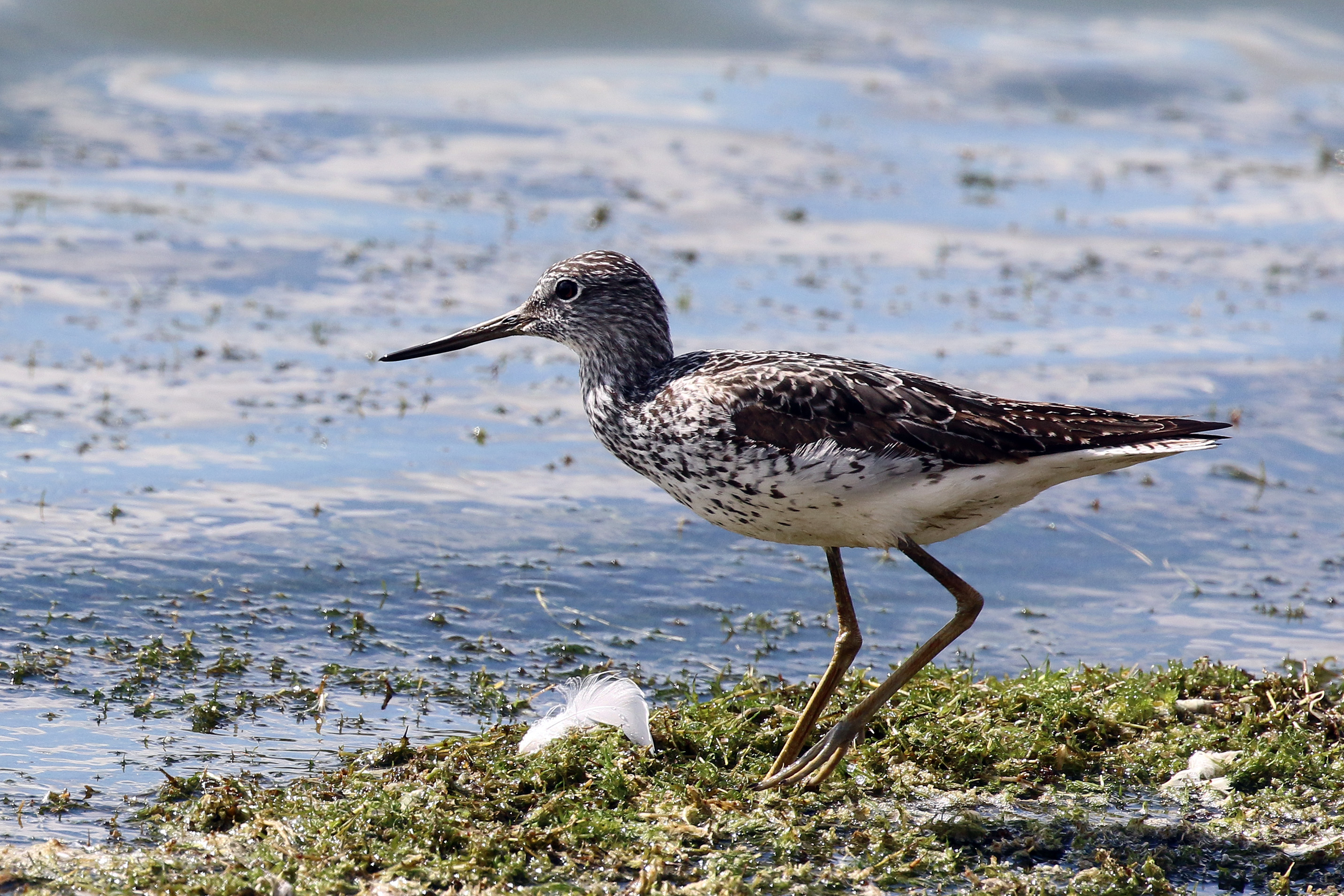
Fourteen years of standardized counts on Sonadia Island in Bangladesh showed downward population trends in 12 of 20 migratory shorebird species between 2009 and 2023. When the researchers compared migration strategies and life-history traits across species, the habitat used at migration stopovers was the clearest predictor of these differences: species that depend mainly on coastal stopover habitats tended to fare worse than those able to use inland routes.
Coastal-stopover specialists declined most often
Nine species were classified as coastal obligates during migration and 11 as non-coastal obligates. Seven of the nine coastal species showed statistically supported declines in the main analysis, compared with three of the 11 non-coastal species. The result therefore describes a strong difference in risk between migration strategies, not an absolute divide between declining coastal birds and secure inland migrants.
The exceptions are biologically important. Common greenshank (Tringa nebularia), Eurasian curlew (Numenius arquata) and curlew sandpiper (Calidris ferruginea) use inland stopovers but still declined significantly at the Bangladesh study site, by an estimated 16.4%, 13.6% and 12.3% per year respectively. Common redshank (Tringa totanus), Kentish plover (Anarhynchus alexandrinus) and the combined Red-necked Stint–Little Stint group, which included little stint (Calidris minuta), did not show a clear trend in the main analysis.
Researchers combined the Sonadia trends with satellite tracking and tested nine ecological and life-history characteristics. Across alternative analyses, migration stopover habitat was the most consistent predictor of why species differed in their trends. Reliance on the Yellow Sea also contributed to the pattern, but less consistently than the broader distinction between coastal and inland stopover use.
Inland migration routes also contain major conservation gaps
Tracking data showed that non-coastal migrants wintering in Bangladesh can cross the Himalayas and use inland stopovers rather than following the coast. On the Qinghai–Tibet Plateau, 64% of the identified inland stopover sites used by tracked birds lay outside protected areas, and inland sites were much less intensively monitored than coastal sites.
The authors therefore argue for attention to both sides of the result. The stronger declines among coastal specialists reinforce the importance of protecting coastal wetlands, while the poorly protected and poorly monitored inland stopovers remain essential to species that migrate across the Asian interior. The population-trend estimates in this study describe the birds counted at Sonadia; they should not be read as direct estimates of whole global populations.
Population & status
Related news
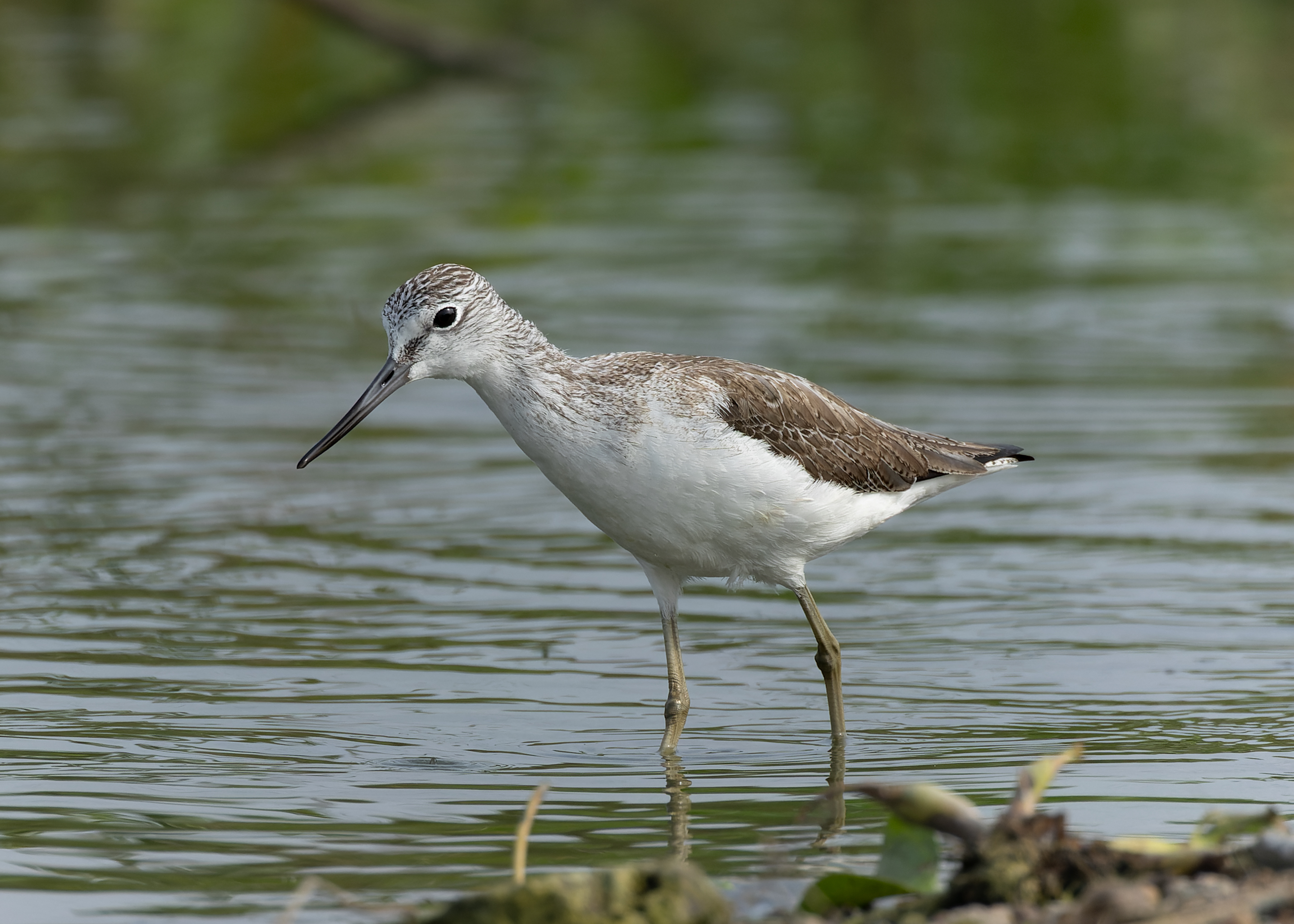
Nine Migratory Shorebirds Concentrated on a Prey-Rich Kerala Beach Despite High Predator Numbers
A nine-year Kerala study found that all nine migratory shorebird species reached their highest densities on the prey-rich…
Read story →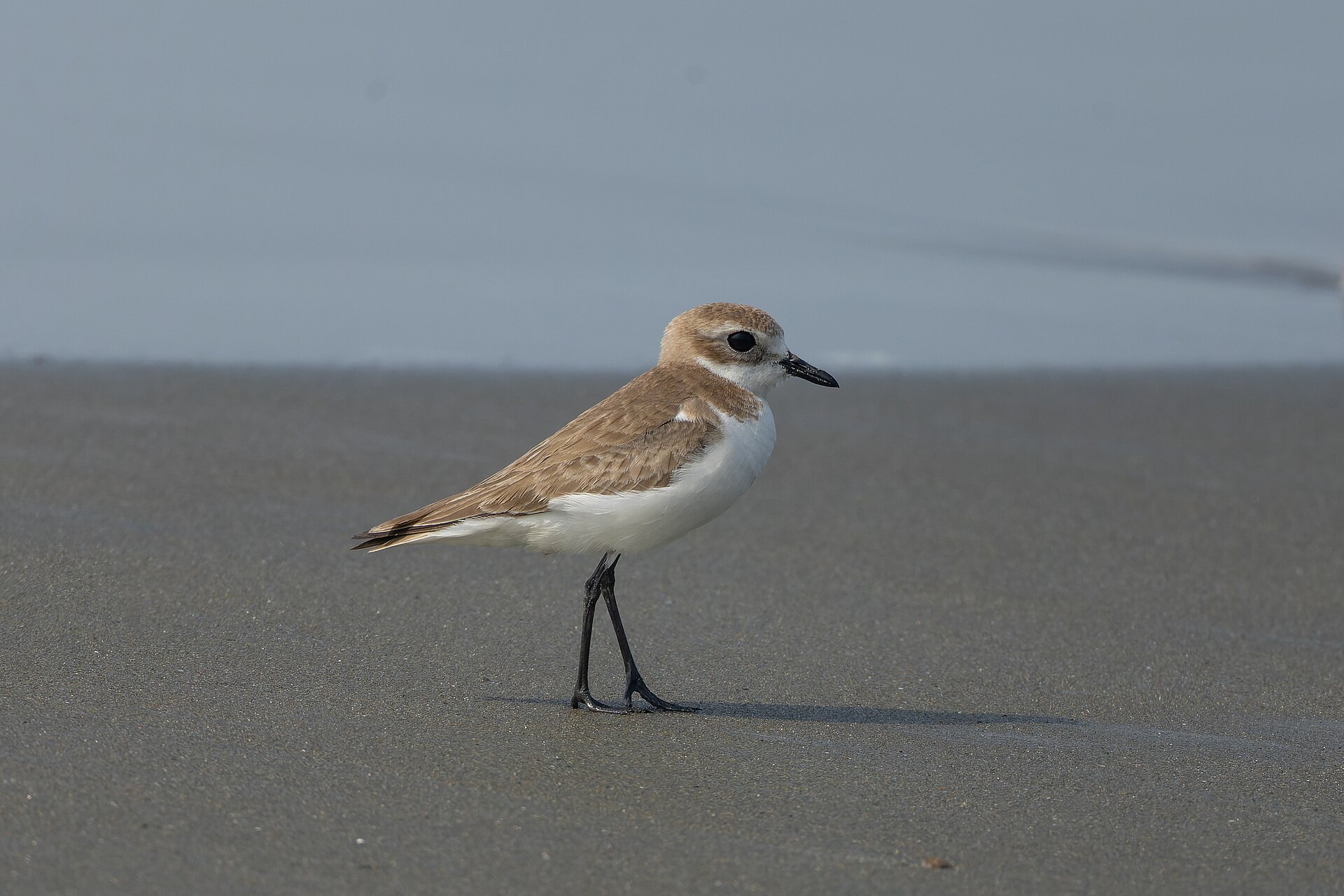
Six Migratory Shorebirds Were Linked to Habitat Complexes Beyond Tidal Flats
Across the East Asian–Australasian Flyway, six shorebirds were associated not only with tidal flats but also with nearby…
Read story →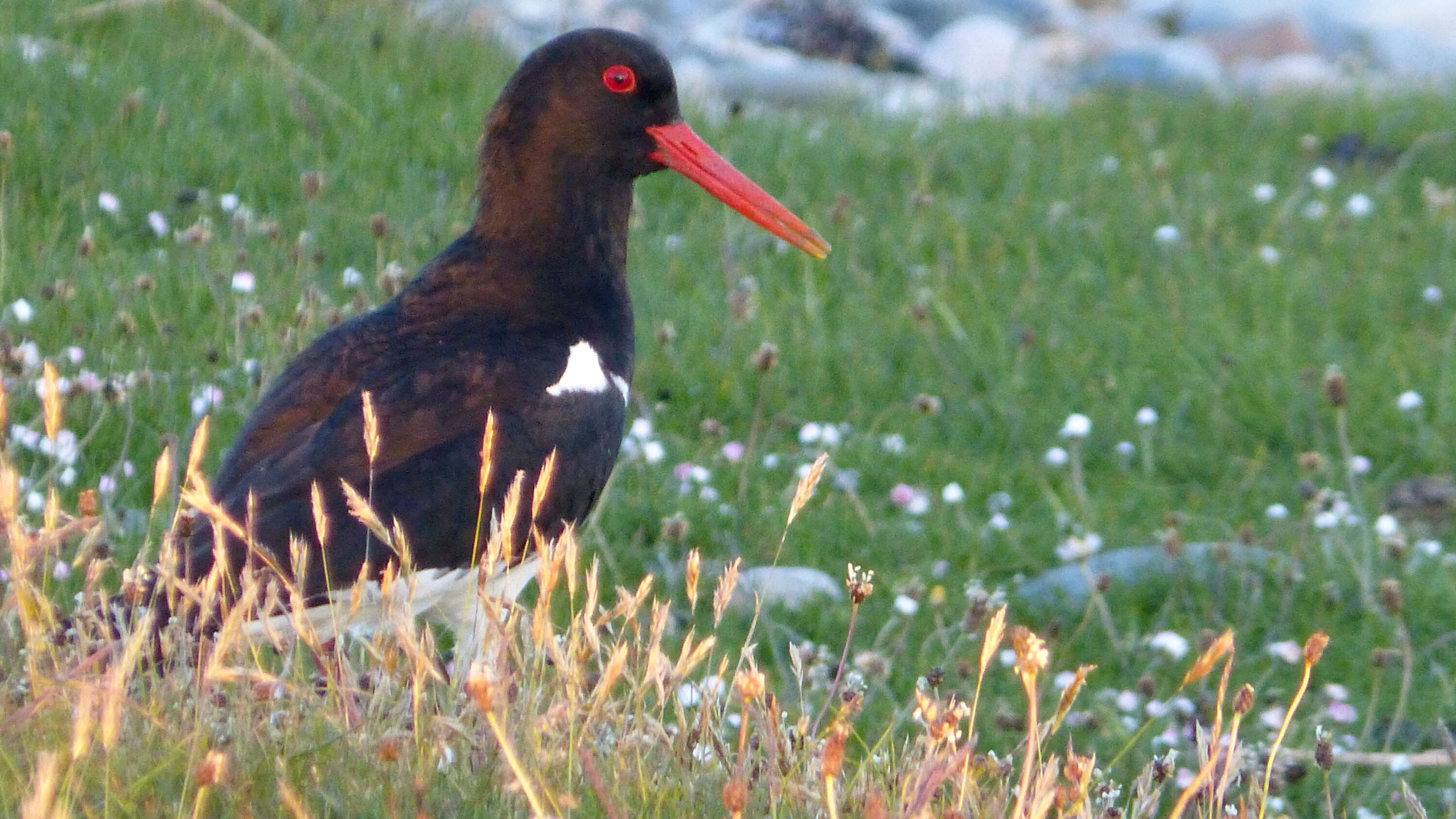
Scotland Proposed 14 Wader Recovery Areas From Shetland to the Central Belt
NatureScot and Working for Waders began consultation on 14 proposed recovery landscapes in May 2026, aiming to concentrate…
Read story →SPECIES IN THIS STORY
Species in this story
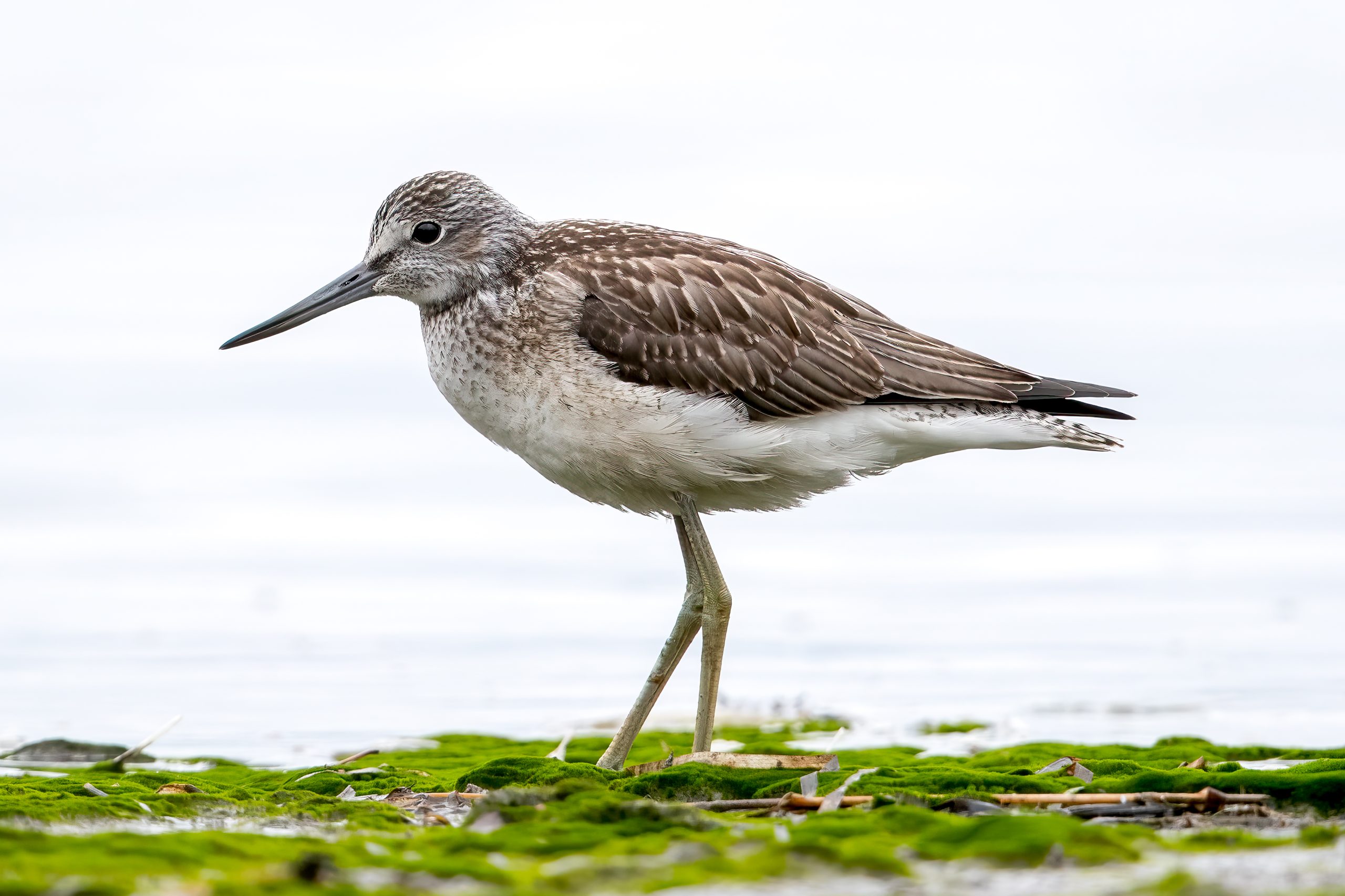 Common Greenshank
Tringa nebularia Explore species →
Common Greenshank
Tringa nebularia Explore species →
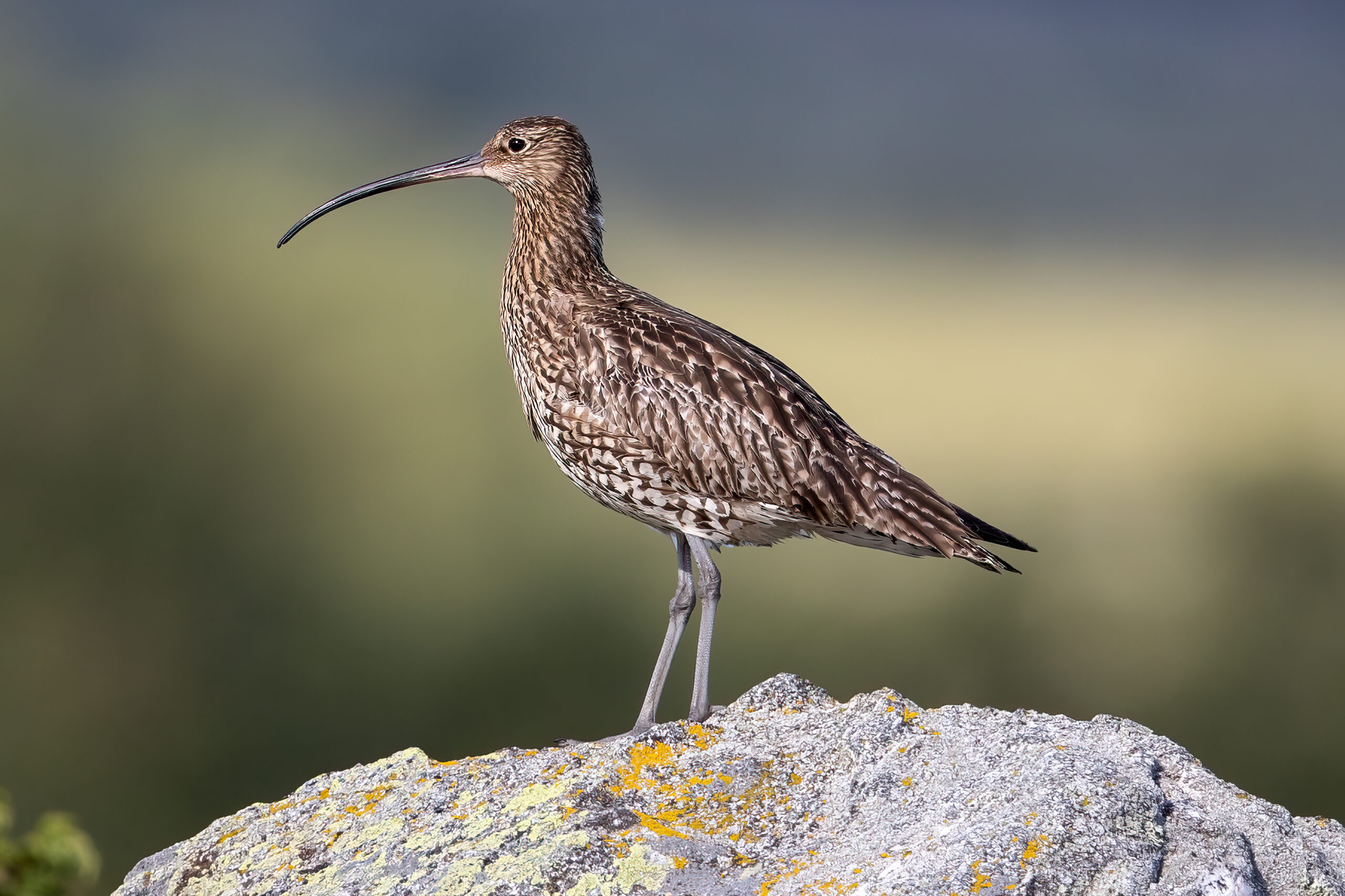 Eurasian Curlew
Numenius arquata Explore species →
Eurasian Curlew
Numenius arquata Explore species →
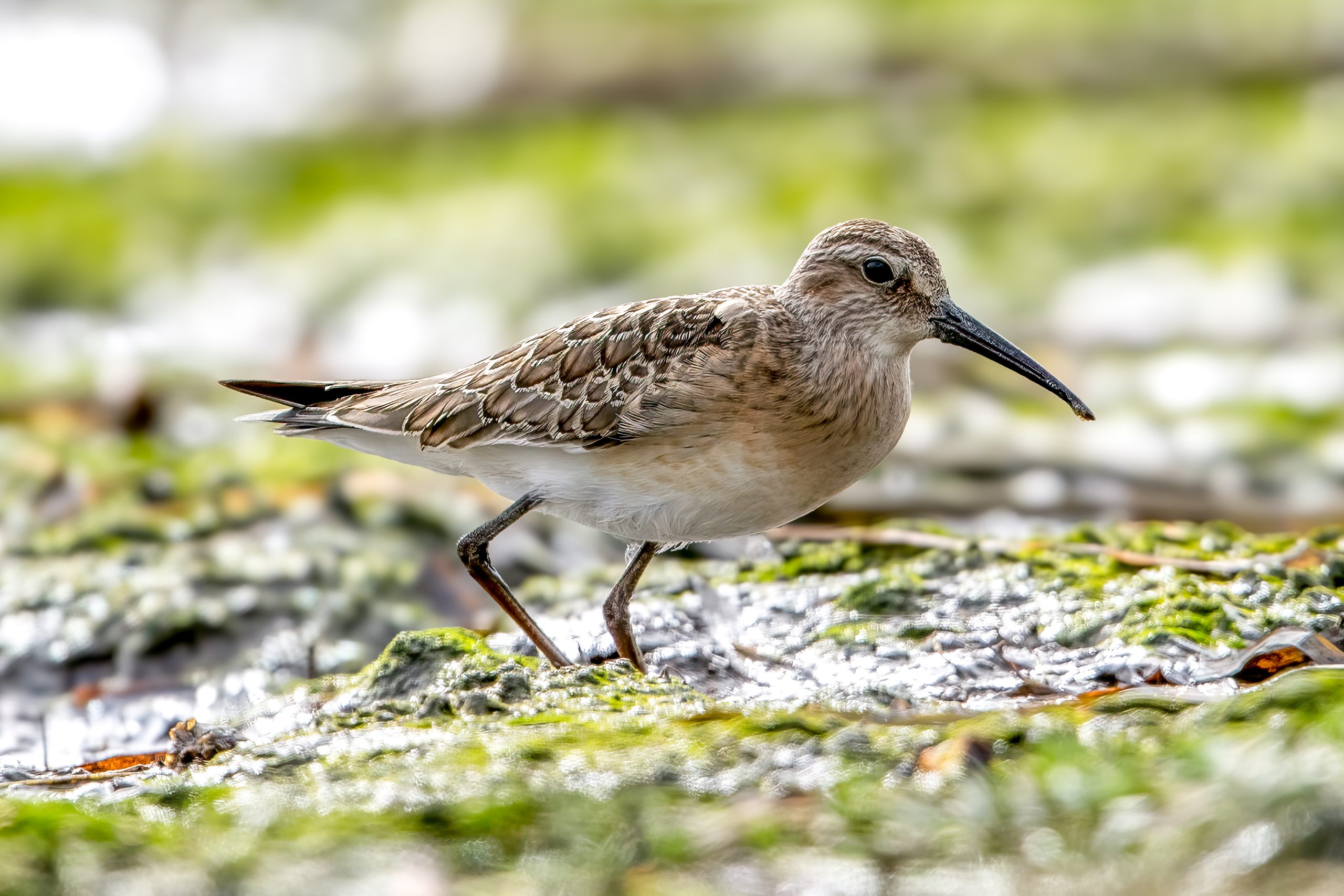 Curlew Sandpiper
Calidris ferruginea Explore species →
Curlew Sandpiper
Calidris ferruginea Explore species →
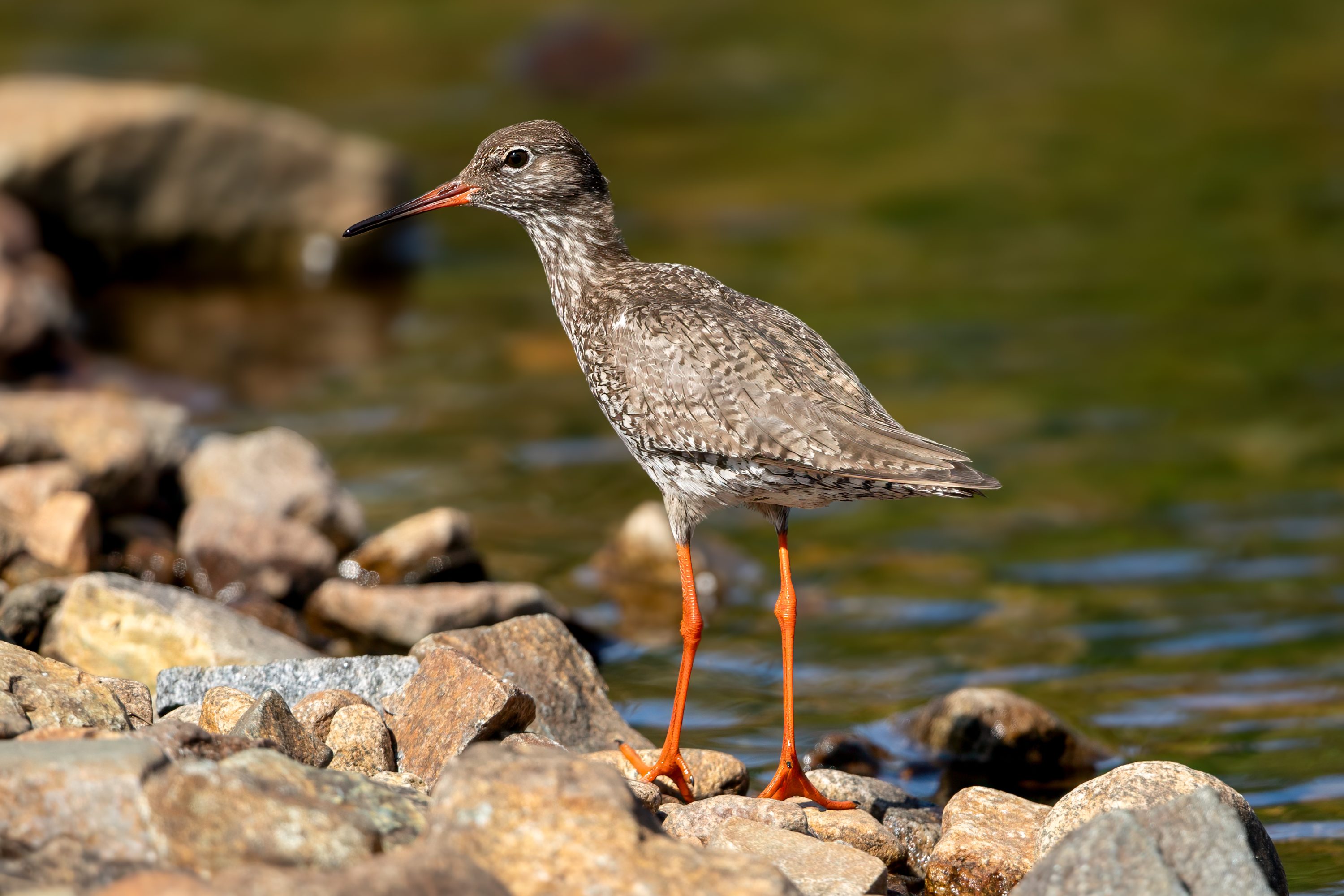 Common Redshank
Tringa totanus Explore species →
Common Redshank
Tringa totanus Explore species →
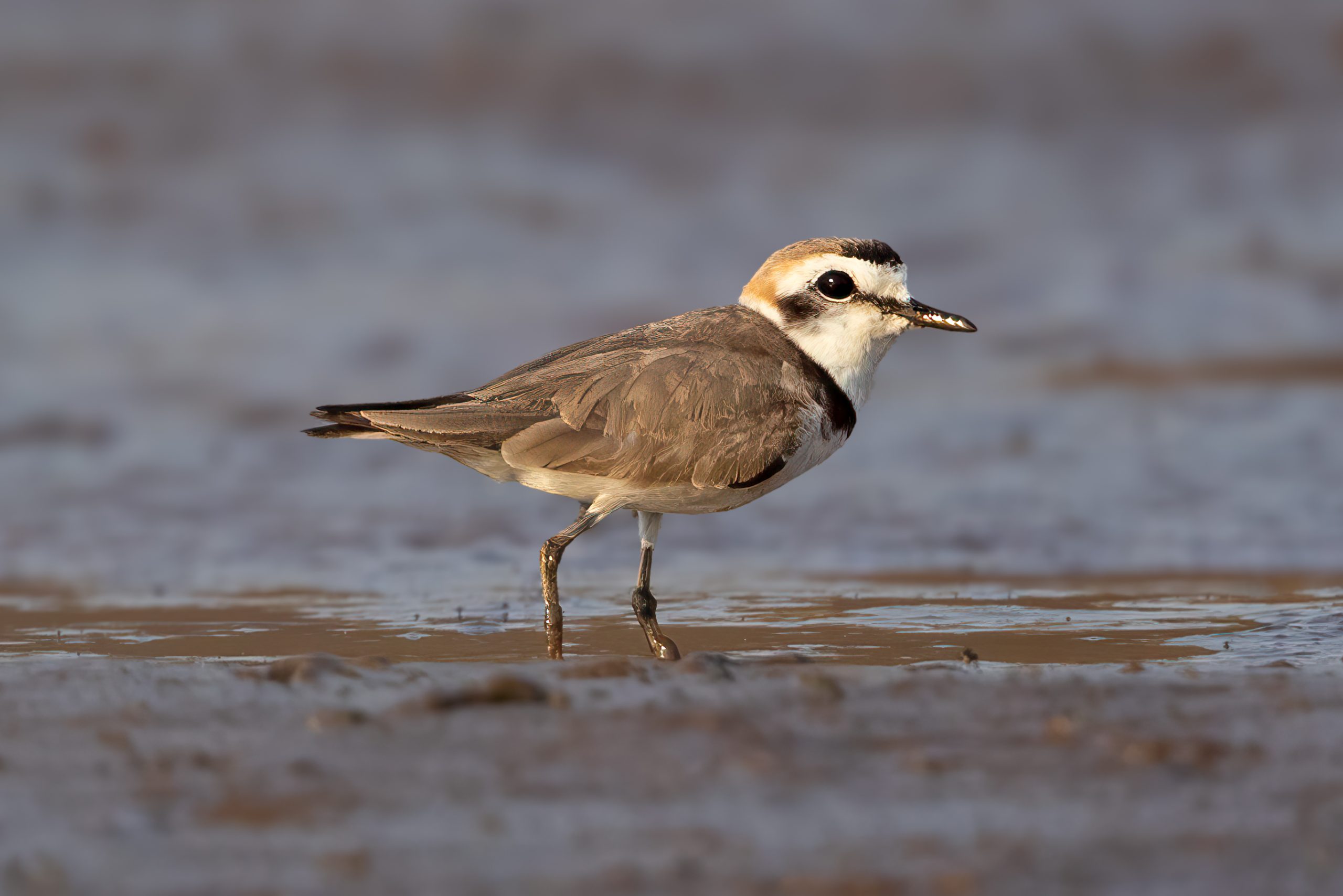 Kentish Plover
Anarhynchus alexandrinus Explore species →
Kentish Plover
Anarhynchus alexandrinus Explore species →
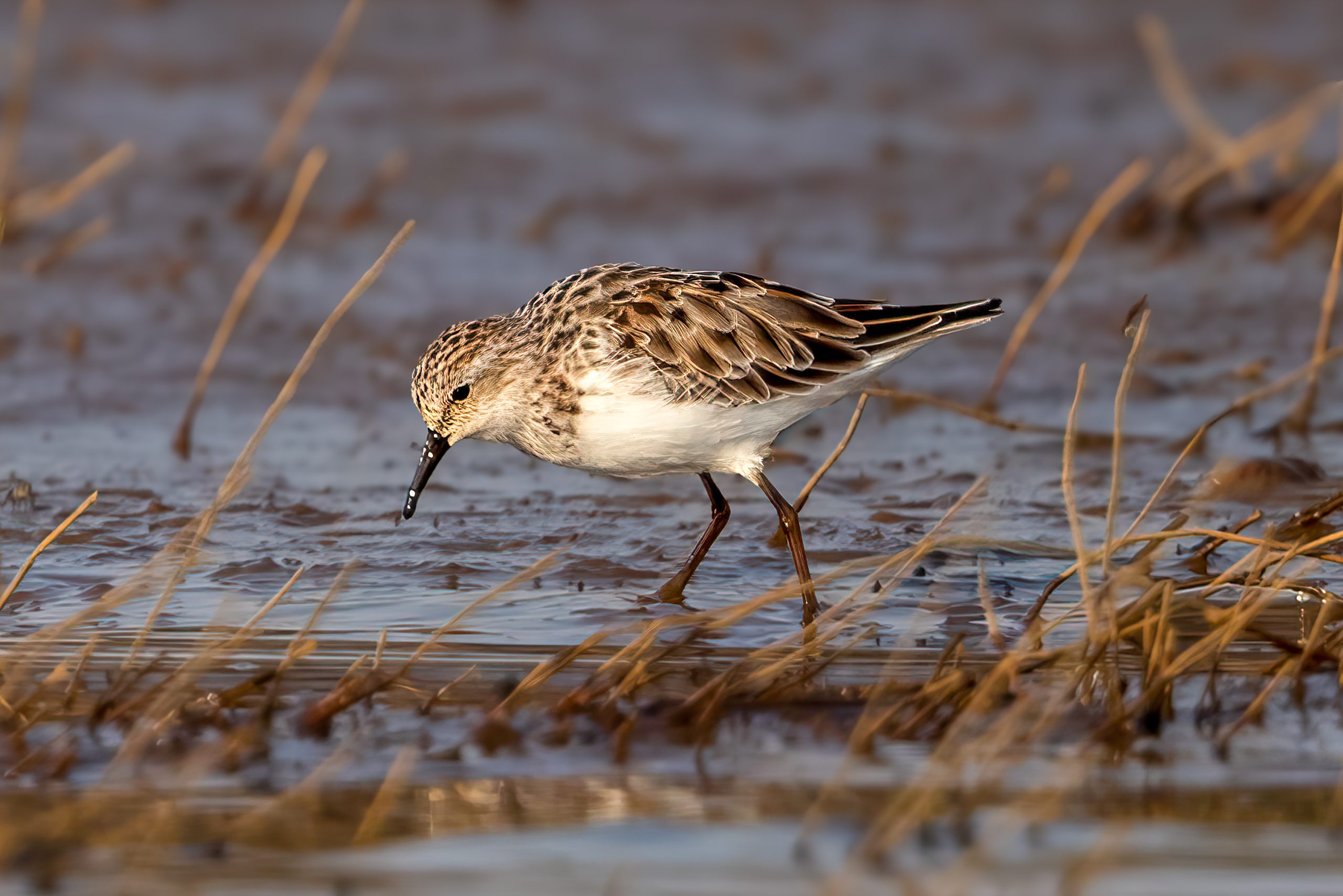 Little Stint
Calidris minuta Explore species →
Little Stint
Calidris minuta Explore species →
Independent research and conservation news archive
Did you find this information useful?
Wildlife Vagabond is independently built and maintained. Voluntary support helps cover source verification, hosting and continued work on research and conservation news.
Support Wildlife VagabondThe news archive will remain freely available.