
Bioeconomic Model Projected Higher White-Rhino Abundance and Profits Under Ecotourism Than Trophy Hunting
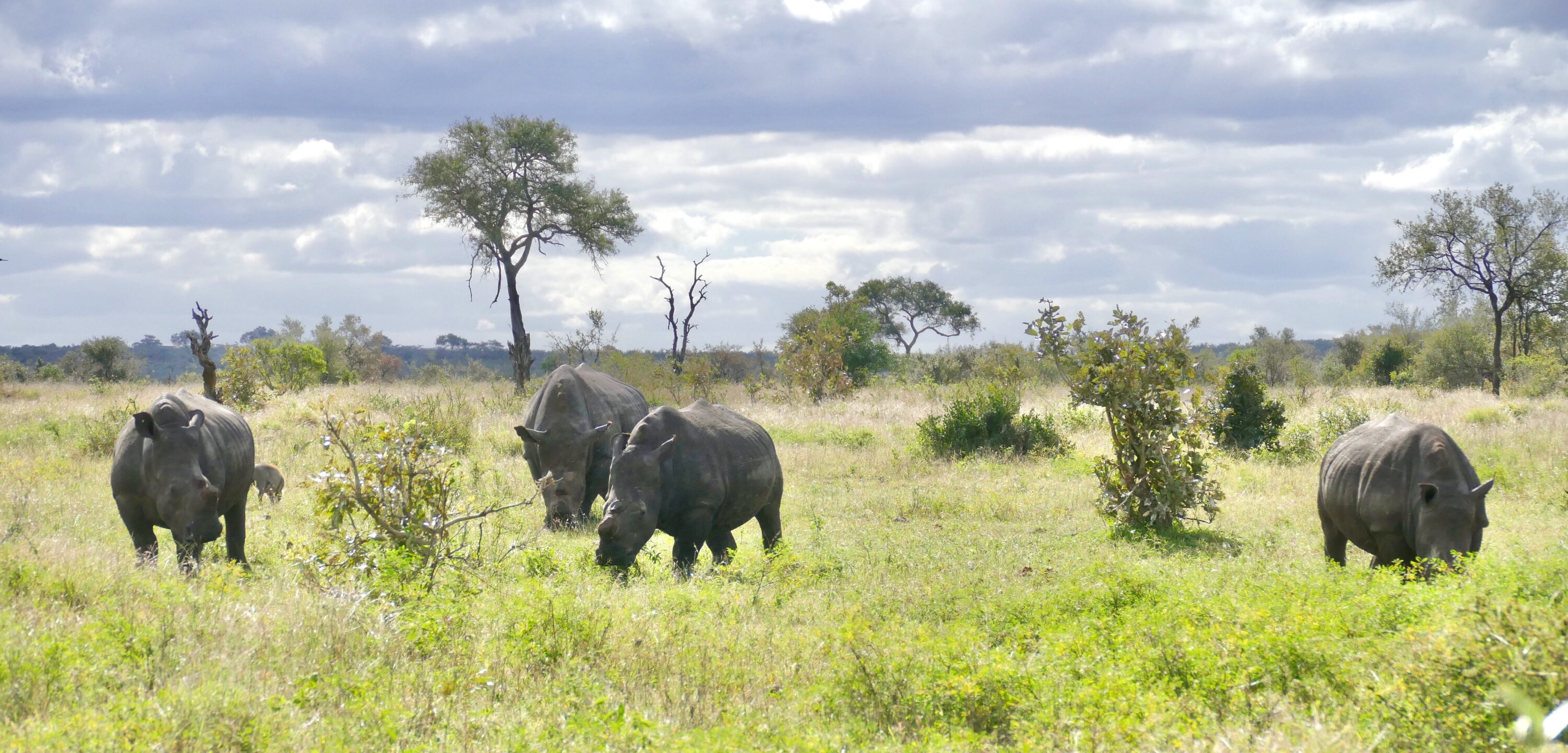
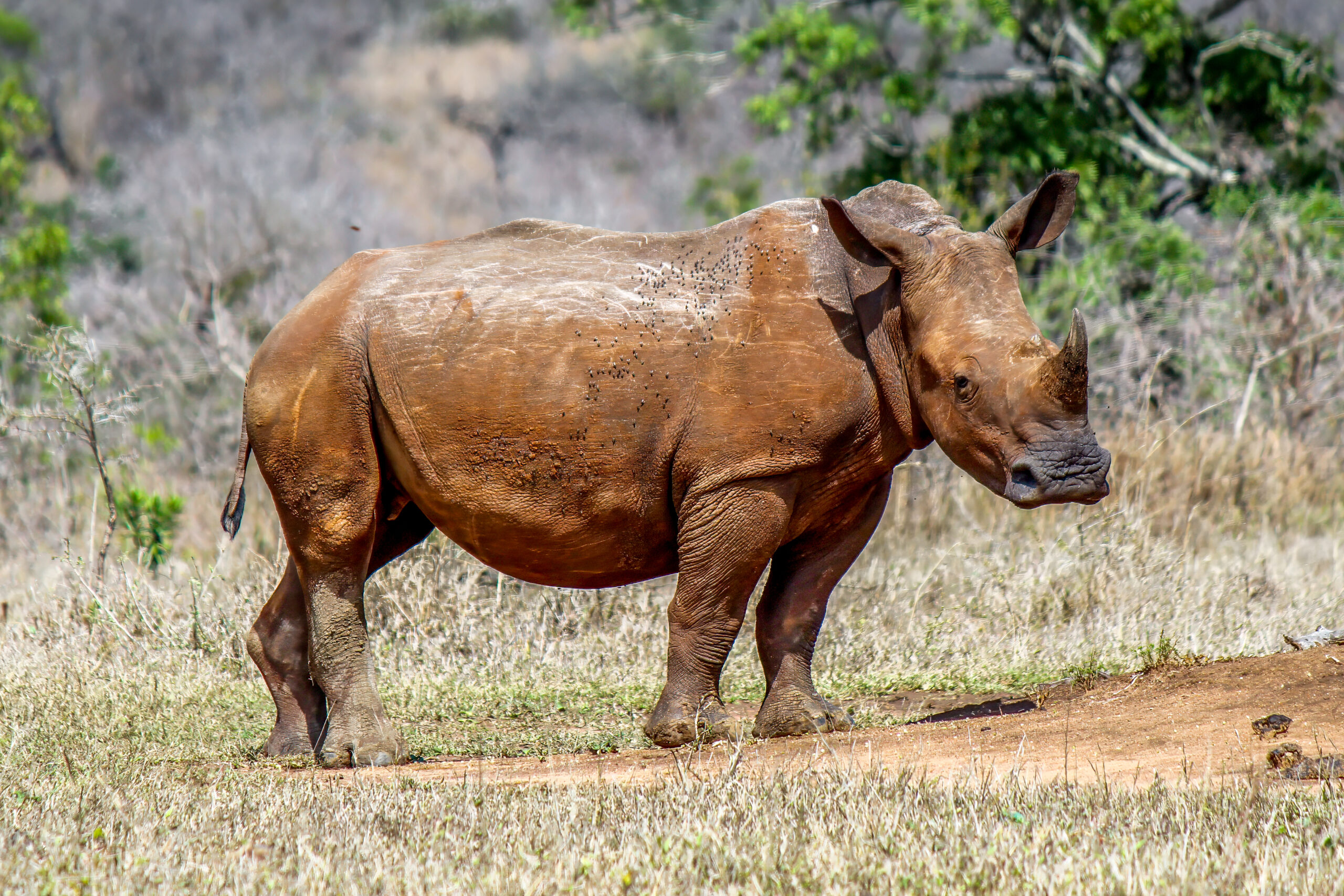
A 2026 bioeconomic study of white rhinoceros (Ceratotherium simum) management on private land in South Africa found that its model produced more favourable long-term outcomes for both rhino abundance and landowner profits under ecotourism than under trophy-hunting scenarios.
The study combined a biological population model with economic variables including trophy prices, ecotourism value, security and management costs, poaching losses and the number of private properties keeping white rhinos. Profitability was measured as net present value across the 2025–2065 model horizon: future revenues and costs were discounted and combined into one long-term economic measure. The model was calibrated against historical data from South Africa and reproduced the observed rise in white-rhino numbers on private land during part of the 2010–2024 calibration period, alongside changes in trophy prices and the number of properties holding rhinos.
Four management scenarios produced different long-term trajectories
Four main scenarios were then compared: trophy hunting with continued poaching, trophy hunting without poaching, ecotourism with poaching and ecotourism without poaching. In the model, both trophy-hunting scenarios initially allowed rhino numbers to rise but were followed by a long-term decline as trophy prices increased. Removing poaching did not prevent that eventual decline in the trophy-hunting scenario.
The ecotourism scenarios produced a different trajectory. Modelled white-rhino density recovered toward about 3.38 animals per square kilometre, and estimated profits were higher than under the trophy-hunting alternatives. When the model was optimised separately for profit and for rhino abundance, both objectives selected the ecotourism-only option.
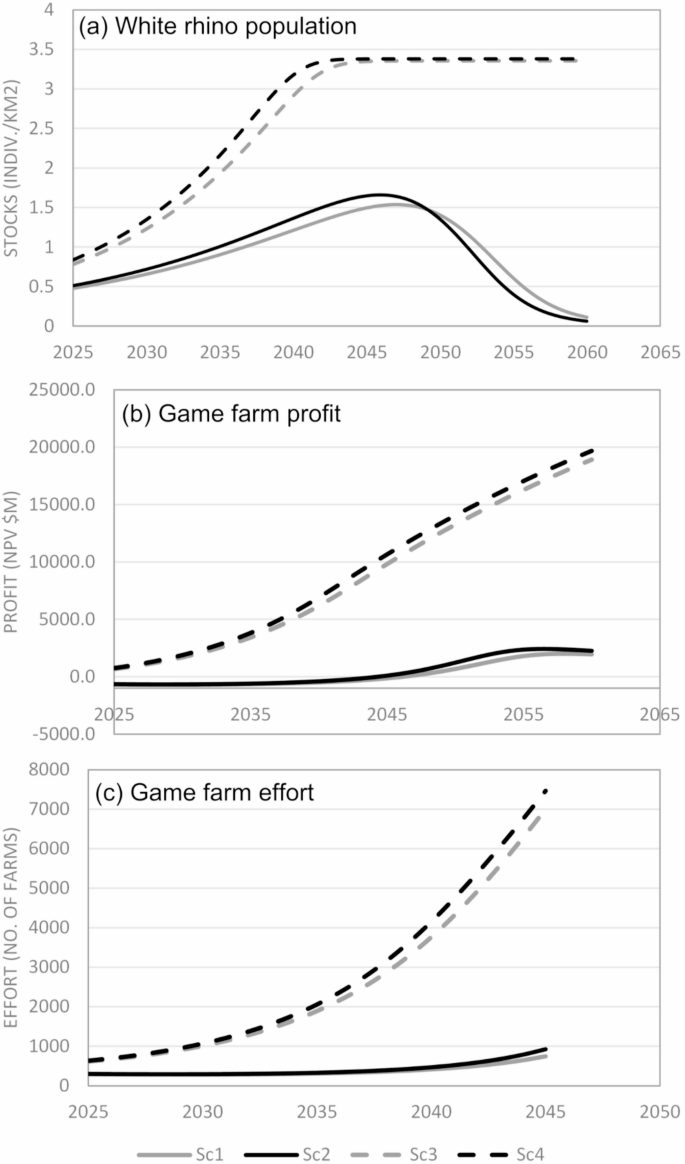
The mechanism in the model was linked strongly to price. Rising trophy prices increased the economic incentive for more hunting activity and eventually increased mortality faster than the modelled population could compensate. Ecotourism, by contrast, generated value from living rhinos repeatedly rather than from removing animals.
The projections depend on uncertain future assumptions
The model projects trajectories to 2065, but the author stresses substantial uncertainty in the inputs that drive those projections. Future trophy prices, tourism values and security costs are uncertain, and the paper describes the assumed future price and cost trends as highly speculative. The model also does not distinguish between sexes or age classes, even though real trophy hunting generally targets selected animals, and it simplifies the diversity of private properties, some of which combine hunting and tourism rather than operating under a single strategy.
Within those assumptions, the study concludes that its ecotourism scenarios provided the strongest combination of modelled financial returns and white-rhino persistence on private land.
Management
Related news
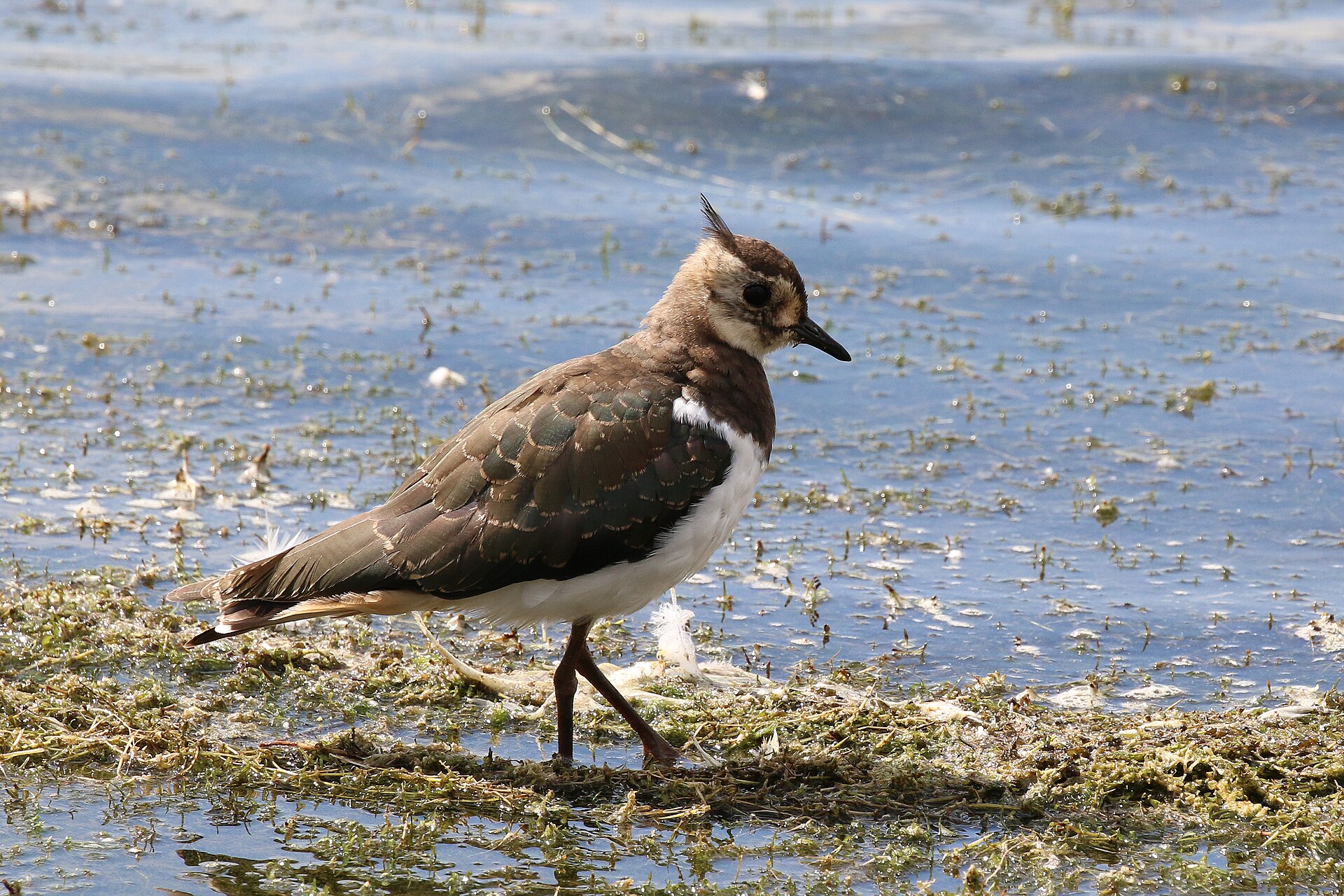
Lapwing and Oystercatcher Nesting Shifted in Opposite Directions With Latitude
Fifty years of UK nest records showed that northern lapwings nested later towards the north while Eurasian oystercatchers…
Read story →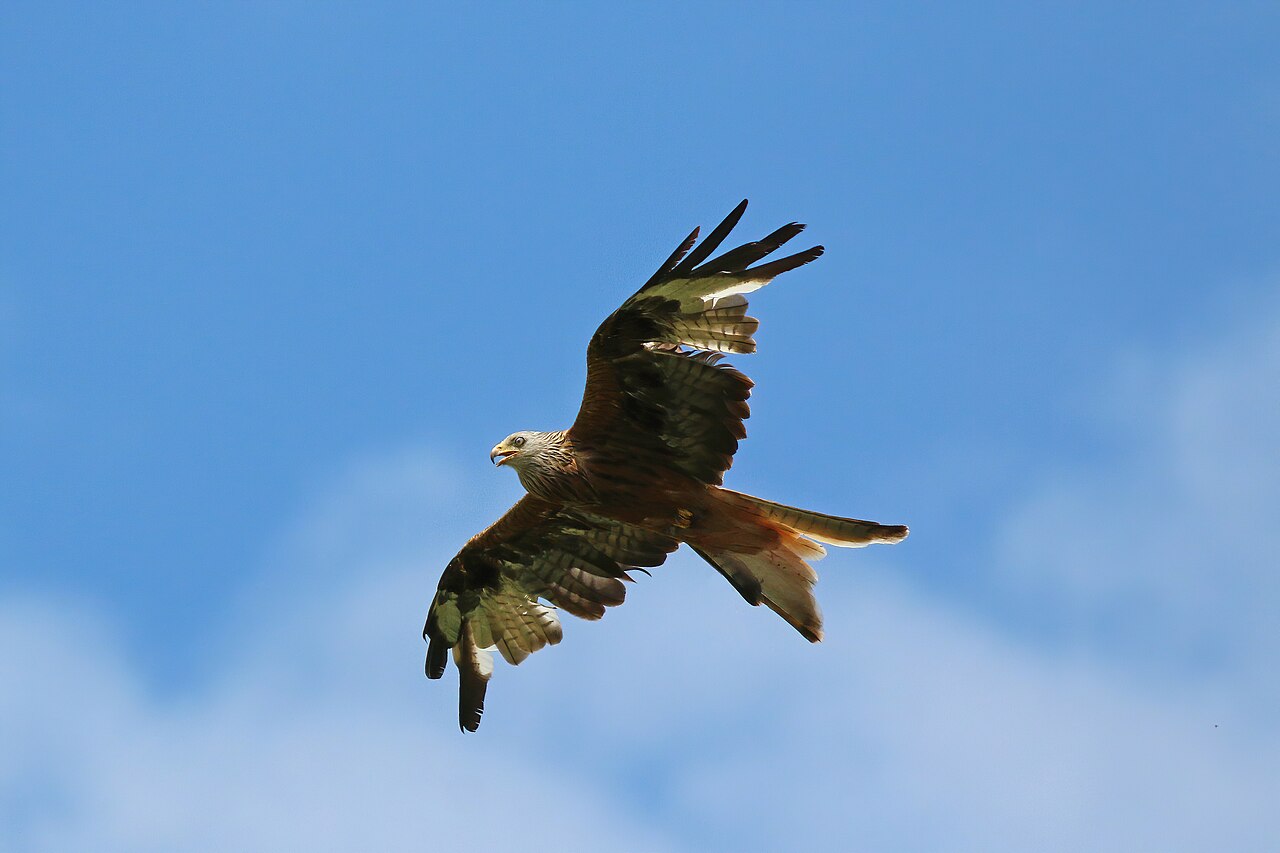
No Red Kite Deaths Were Recorded at a Retrofitted 48-Pylon Power Line Used by Reintroduced Birds
Twenty-one reintroduced red kites generated 802 GPS fixes around a 48-pylon power line retrofitted against electrocution in Jaén,…
Read story →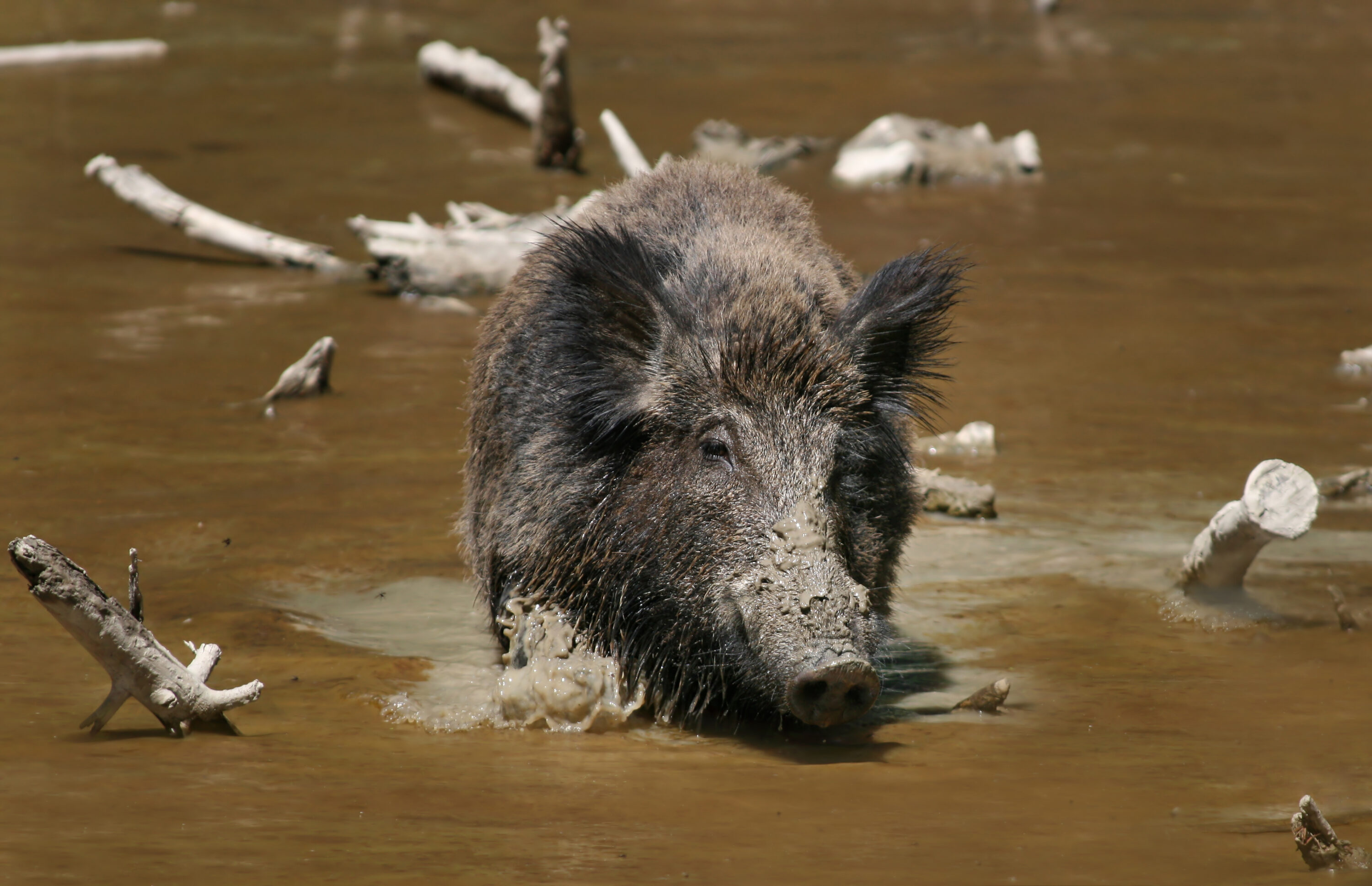
Researchers Recommend More Intensive Wild Boar Culling for Barcelona ASFV Variant
Barcelona’s dense peri-urban wild-boar population and an ASFV variant associated with apparently slower mortality led researchers to recommend…
Read story →SPECIES IN THIS STORY
Species in this story
Independent research and conservation news archive
Did you find this information useful?
Wildlife Vagabond is independently built and maintained. Voluntary support helps cover source verification, hosting and continued work on research and conservation news.
Support Wildlife VagabondThe news archive will remain freely available.