
Wild Boar Rooting Reduced Surface Soil Organic Matter by 36–50% at Three Argentine Sites
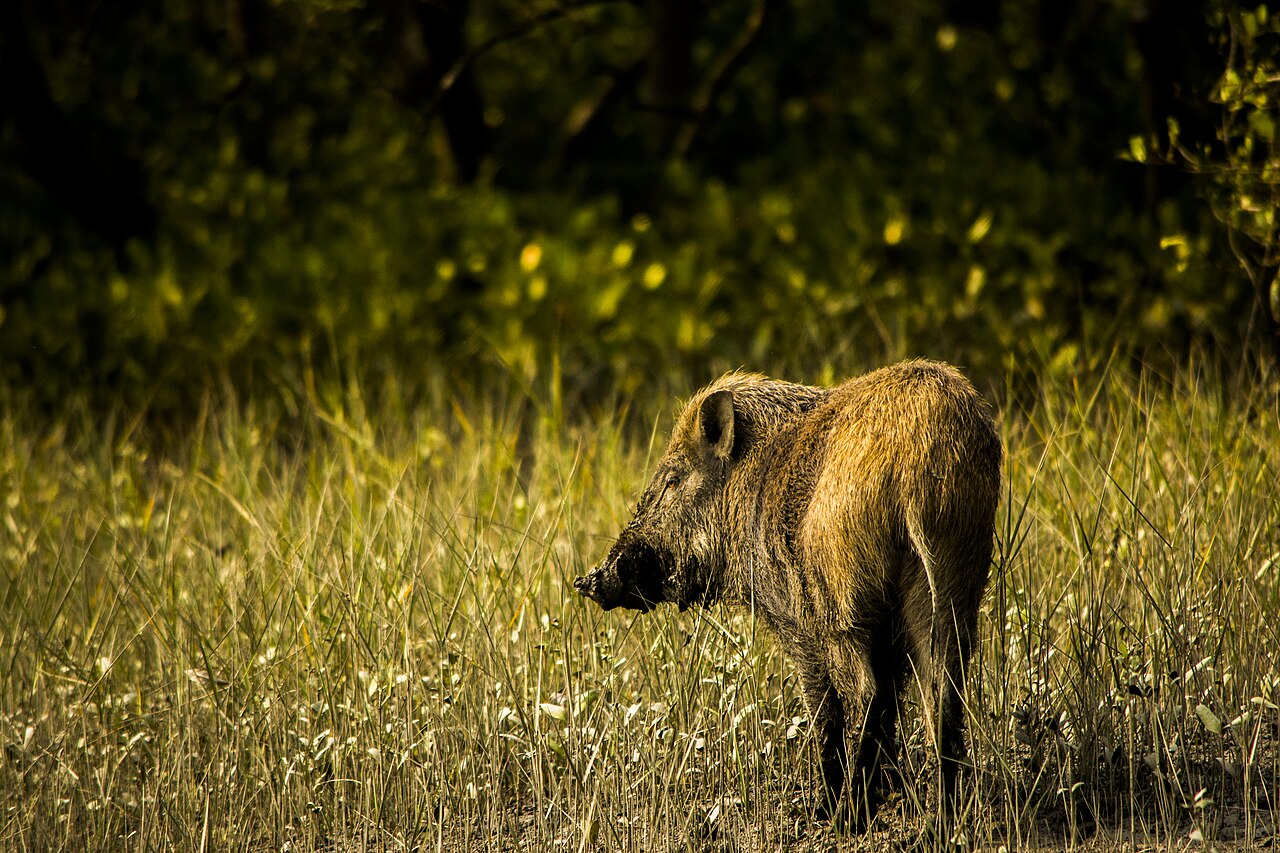
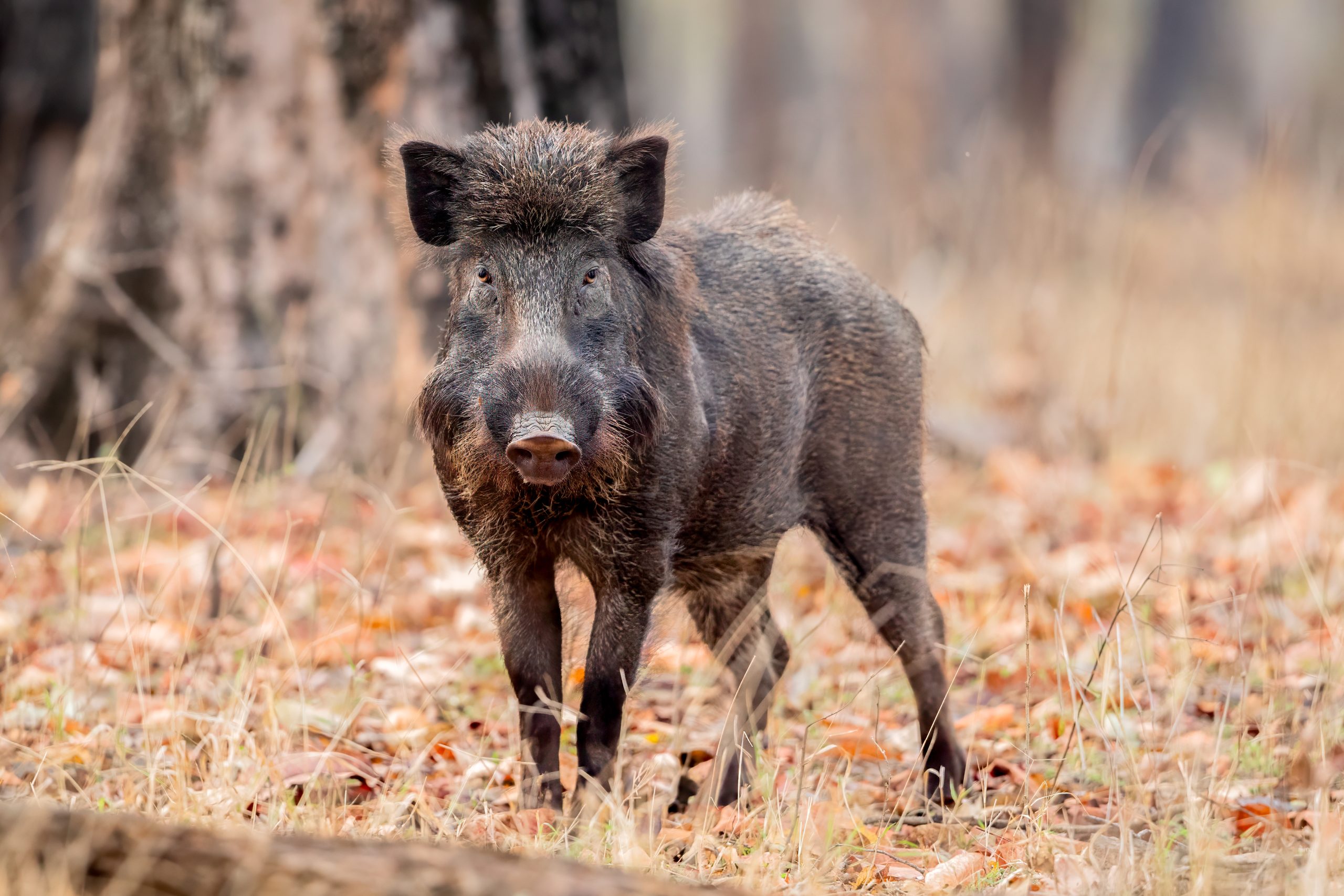
Wild boar (Sus scrofa) rooting was associated with substantial losses of organic matter from the upper soil layer at three of four coastal study sites in Argentina. Compared with nearby non-rooted areas, surface soil organic matter was 36–50% lower at Campos del Tuyú, the Mar Chiquita dunes and the Mar Chiquita grassland. No detectable difference was found at Canal 1.
The researchers combined field comparisons of rooted and non-rooted 1 m² patches with an ongoing exclosure experiment that had prevented wild-boar access to selected plots since 2018. Measurements in summer 2024 covered four sites representing three coastal herbaceous systems: two salt-marsh sites, a flooding grassland and a coastal dune grassland. Surface soil organic matter, bare-ground cover and soil respiration were measured across the sites. Soil respiration — the release of carbon dioxide from the soil, used here as an indicator of biological activity — was one of several processes linked to carbon cycling. Decomposition of dead plant material (detritus) was also measured at three sites.
Rooting exposed soil and reduced organic matter
Rooting generally increased the amount of bare ground. At the three sampling sites where the difference was detectable, bare ground covered 60–75% of rooted patches compared with 5–16% of non-rooted patches. Soil respiration was 38% lower in rooted patches at Campos del Tuyú and the Mar Chiquita grassland, while no detectable difference was found at Canal 1 or the Mar Chiquita dunes; the exclosure comparisons likewise showed no significant effect on soil respiration. No detectable effect on detritus decomposition was found. In the Mar Chiquita grassland experiment, surface soil organic matter was also 23% lower in open control plots than inside the exclosures. The authors interpret the combined results as evidence that the loss and redistribution of vegetation and superficial organic material outweighed any increase in organic matter that could have resulted from mixing plant material into the soil.
The study therefore points to a direct ecosystem effect of an introduced large mammal beyond visible disturbance of vegetation. In these Argentine coastal systems, the researchers conclude that wild-boar rooting can reduce the amount of organic matter stored near the soil surface and may consequently alter longer-term soil-carbon dynamics.
Ecology
Related news
Maps Show Where Wild Boar Could Thrive and Spread on Jeju Island
Researchers mapped potentially suitable wild-boar habitat across roughly 36% of Jeju Island and identified eight possible corridors linking…
Read story →
Roe Deer and Wild Boar Remained Key Wolf Prey as Diet Shifted Across North-western Italy
From 2021 to 2025, wolves in north-western Italy continued to feed mainly on wild prey. In the Po…
Read story →
Copper levels in wild boar differed across Slovak districts
An analysis of kidney, liver and muscle from 147 wild boar in four districts found that iron and…
Read story →SPECIES IN THIS STORY
Species in this story
Independent research and conservation news archive
Did you find this information useful?
Wildlife Vagabond is independently built and maintained. Voluntary support helps cover source verification, hosting and continued work on research and conservation news.
Support Wildlife VagabondThe news archive will remain freely available.