
Wild Elephants Used 41 Gesture Types to Make Others Move Away or Stop
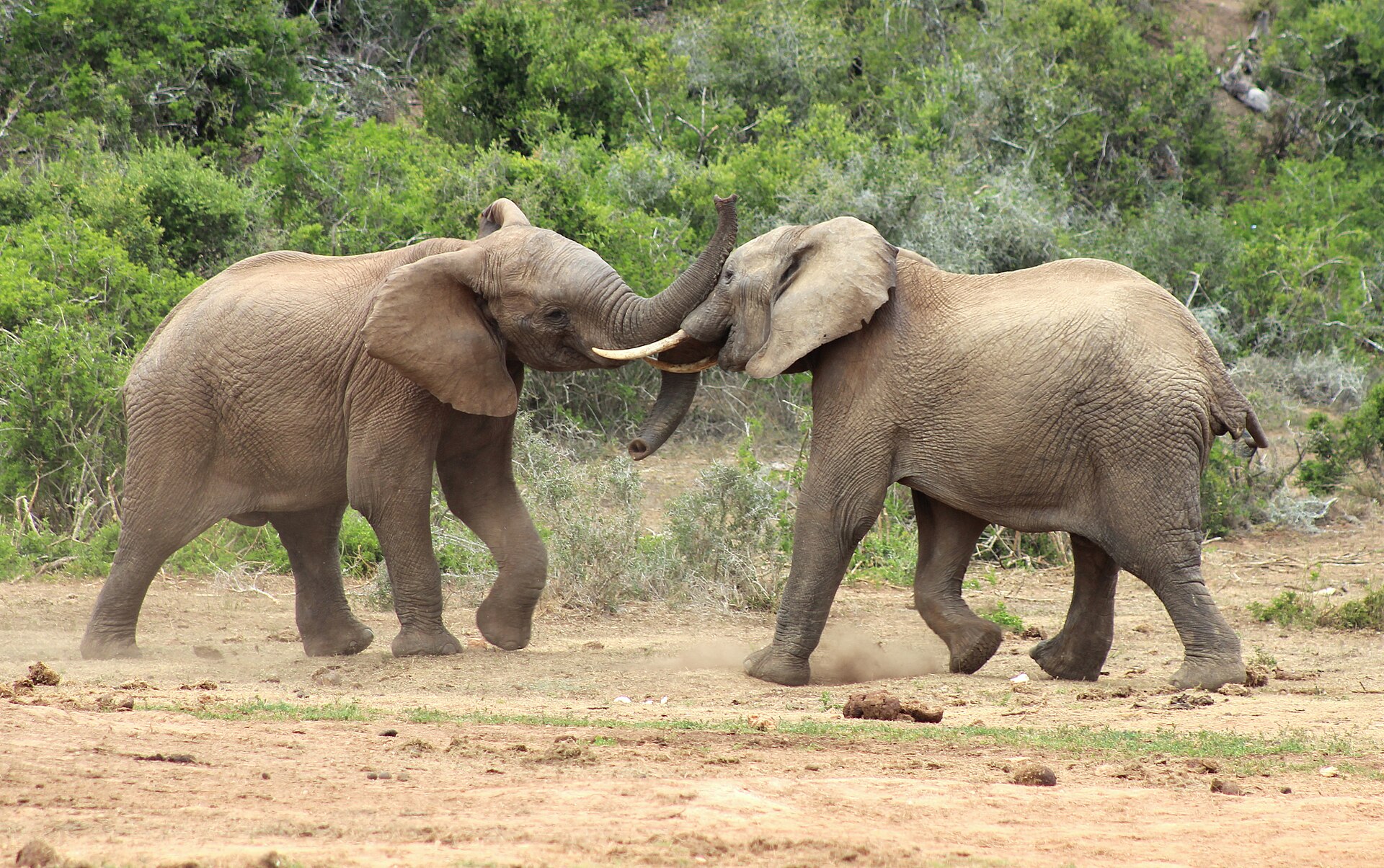
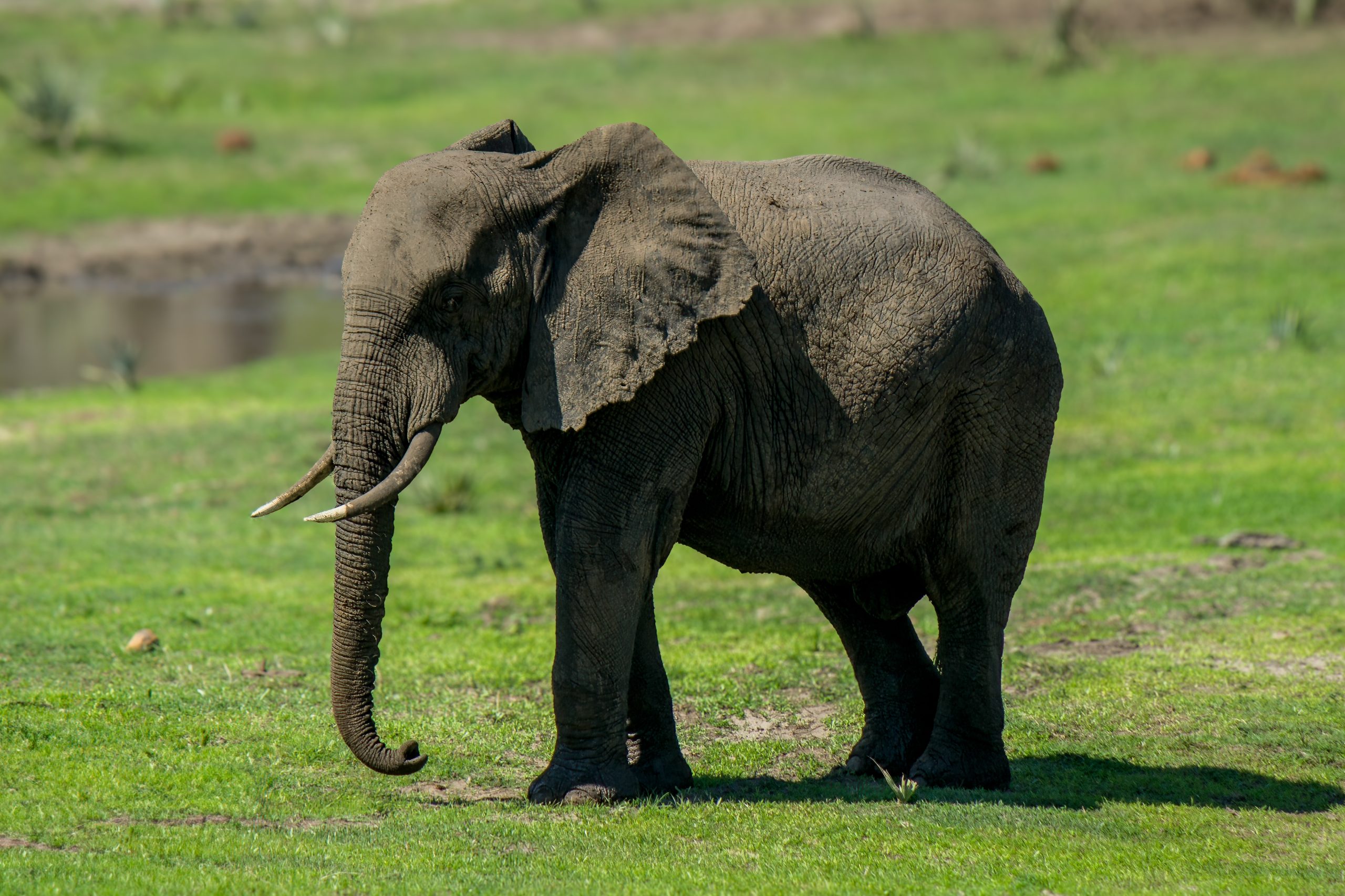
Wild African bush elephants (Loxodonta africana) used 41 distinct gesture types during conflicts with other elephants, and the gestures were organised around two main goals: getting another elephant to move away or making it stop what it was doing. The study, conducted in Addo Elephant National Park and Marakele National Park in South Africa, also found several behavioural signs that the elephants were directing signals toward a recipient rather than simply producing fixed displays.
Goal-directed intentional communication means that a signal is used to influence another individual’s behaviour and is adjusted according to whether that goal has been achieved. Researchers have documented such flexibility extensively in great apes, but systematic evidence from wild elephants communicating with other elephants has been limited.
Thirty-two actions produced 41 gesture types
The researchers analysed agonistic interactions — encounters involving conflict, threat, displacement or competition — and separated the elephants’ movements into gesture actions and gesture types. Thirty-two basic actions produced 41 gesture types because some actions could be performed in different ways or with different orientations toward the recipient.
The trunk was especially important and contributed to almost half of the gesture types. Gestures included movements of the trunk, ears, head and whole body, as well as physical contact. Rather than every gesture carrying one fixed meaning, many could be used flexibly toward either of the two main goals.
Among 168 successful communication outcomes, 134 — 80% — ended with the recipient moving away, while 34 — 20% — ended with the recipient stopping its behaviour. Of the 33 gesture types that occurred often enough to compare across successful outcomes, 21 were used for both goals, 11 only for moving another elephant away and one only for stopping behaviour.
Elephants checked whether the recipient was paying attention
The strongest evidence for intentionality came from what happened around the gestures. Elephants checked their recipient before gesturing in 97% of the relevant cases and continued to monitor the recipient during 98%. Most gestures were also produced when the other elephant was visually attentive.
After gesturing, the signaller usually paused to see what happened next: response waiting occurred after 90% of the analysed parts of gesture bouts. If the desired response did not occur, elephants frequently continued signalling; persistence was recorded after 83% of the relevant bout parts.
Together, audience checking, sensitivity to the recipient’s attention, waiting for a response and persisting after failure form a stronger case for goal-directed signalling than any single gesture would on its own. The study therefore describes the communication as intentional in the behavioural sense: the elephant appears to signal toward a particular individual and modifies its signalling according to the response.
The two populations shared much of the repertoire but used it differently
Addo and Marakele elephants shared 26 of the 41 gesture types, or 63% of the full repertoire. Both populations also had nine gesture types that were used particularly regularly, but only three of those most frequent types overlapped: Ear Spread, Ear Flap and Trunk Push recipient.
The ecological setting of conflict also differed. Competition in Addo was frequently centred on water, whereas elephants in Marakele often competed over reeds. These contrasting resources were accompanied by differences in which gestures were used most often, even though the overall success of gesturing and the tendency to persist did not differ clearly between the populations.
This combination of a largely shared repertoire and population-specific emphasis suggests that elephants have a flexible set of signals rather than a rigid catalogue of one gesture for one situation. The study adds wild African bush elephants to the growing group of animals in which goal-directed gestural communication can be demonstrated through how signals are produced, monitored and repeated during social interactions.
Behaviour
Related news
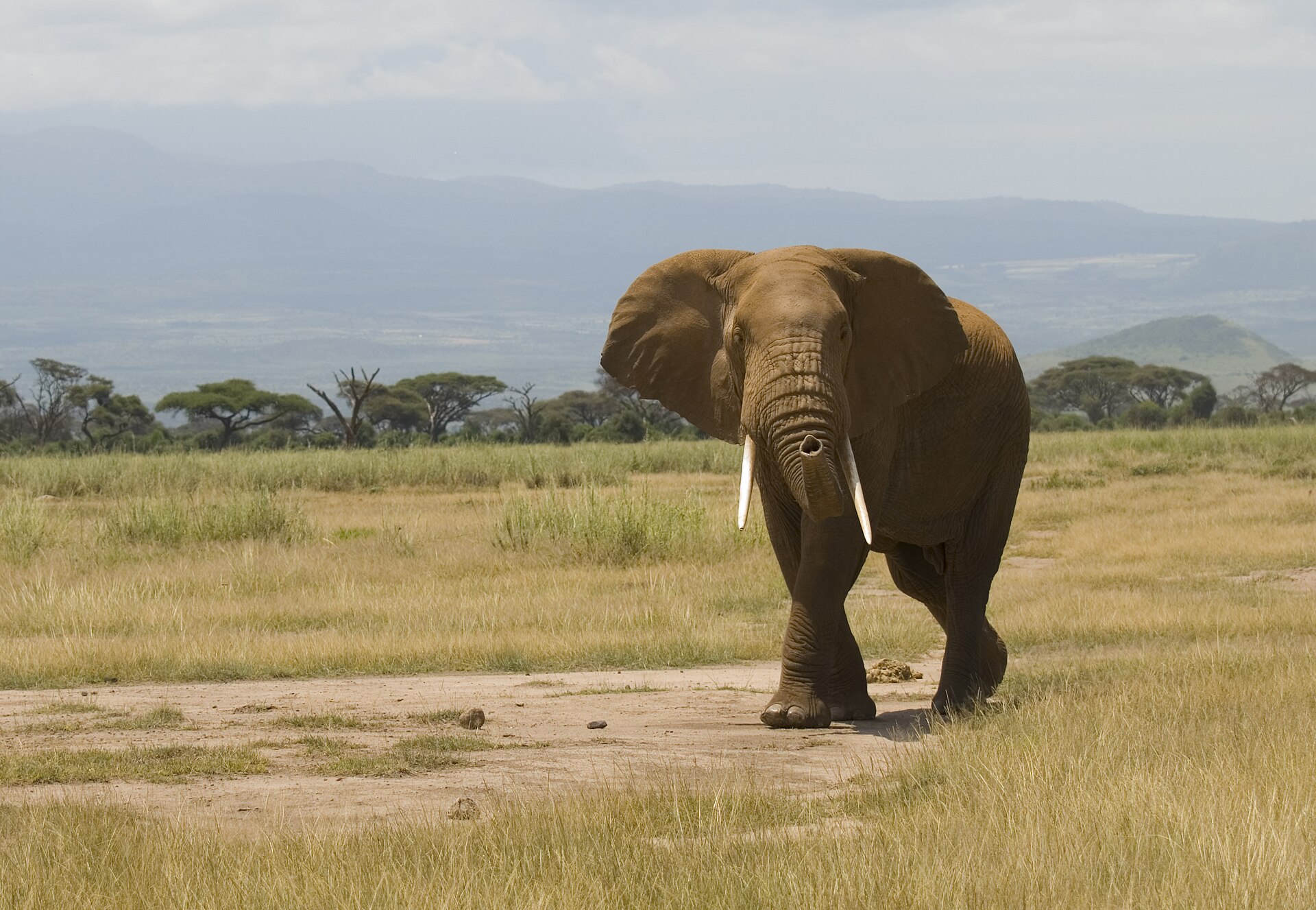
Mount Elgon Elephants May Seek Medicinal Plants When Sick or Caring for Calves
Eight experienced Sabaot observers in Kenya described 35 plants and four mineral or soil resources used by Mount…
Read story →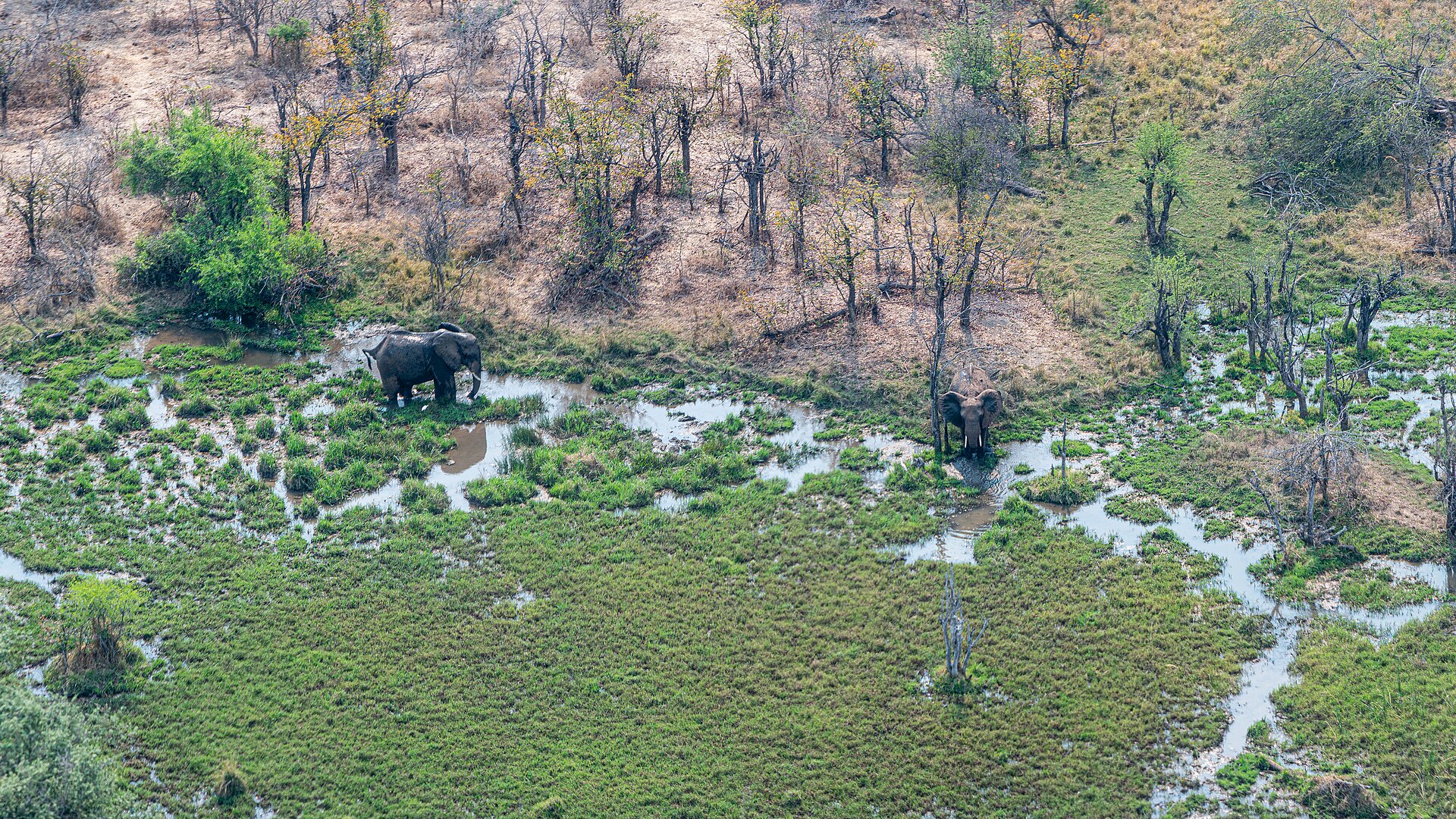
Translocated Elephant Herds Learned New Landscapes Independently, With Movements Stabilising After About Two Years
Satellite tracking followed 201 elephants in 25 whole herds moved from Save Valley to Zimbabwe's Zambezi Valley. The…
Read story →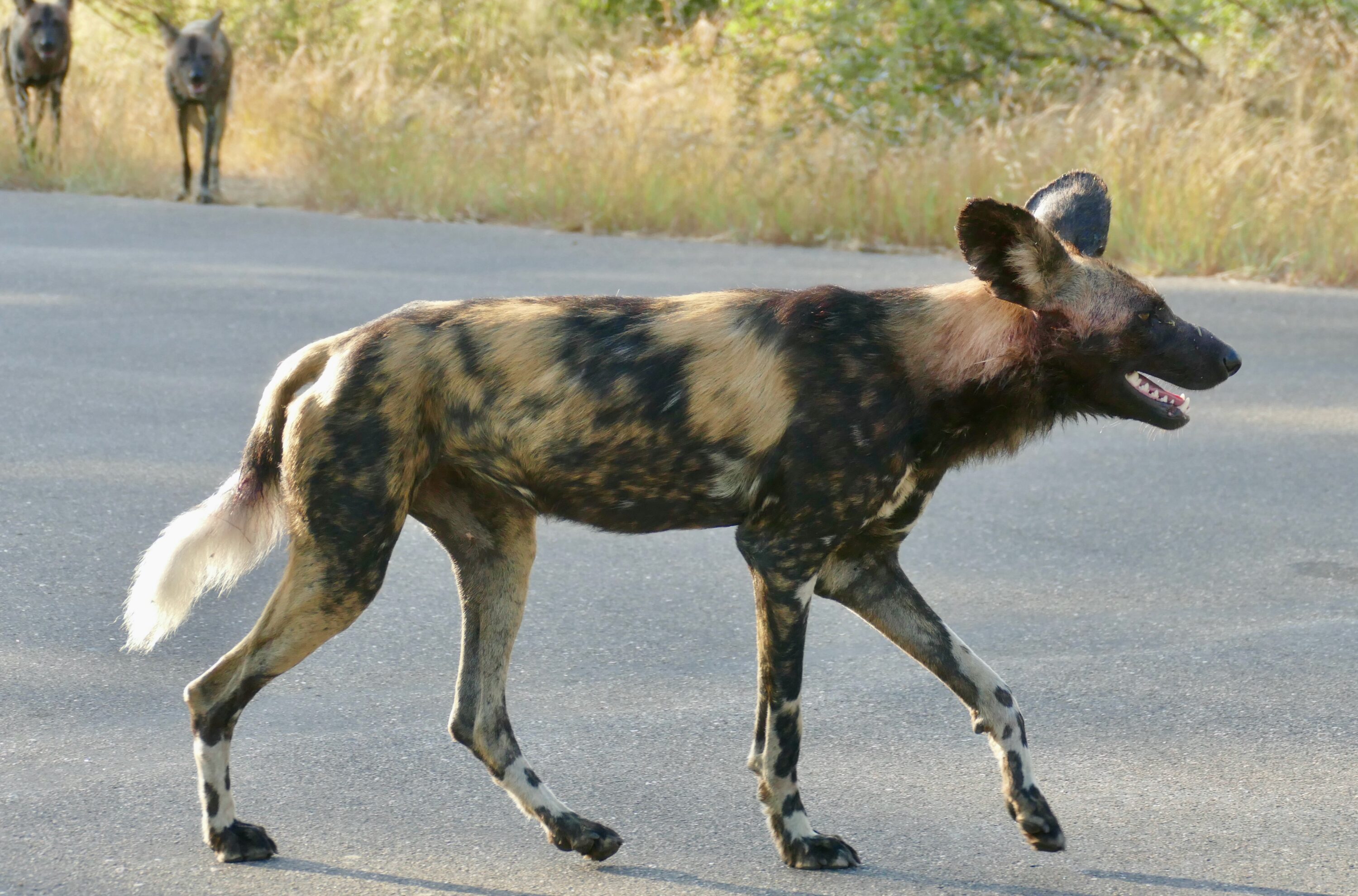
Gut Microbiomes Across Nine Kruger Mammals Clustered More Strongly by Dietary Group Than Species
A study of 89 quality-filtered faecal samples from nine wild mammals in Kruger National Park found that carnivores,…
Read story →SPECIES IN THIS STORY
Species in this story
Independent research and conservation news archive
Did you find this information useful?
Wildlife Vagabond is independently built and maintained. Voluntary support helps cover source verification, hosting and continued work on research and conservation news.
Support Wildlife VagabondThe news archive will remain freely available.