
Relocated Elephants Took Two Years to Find Their Feet
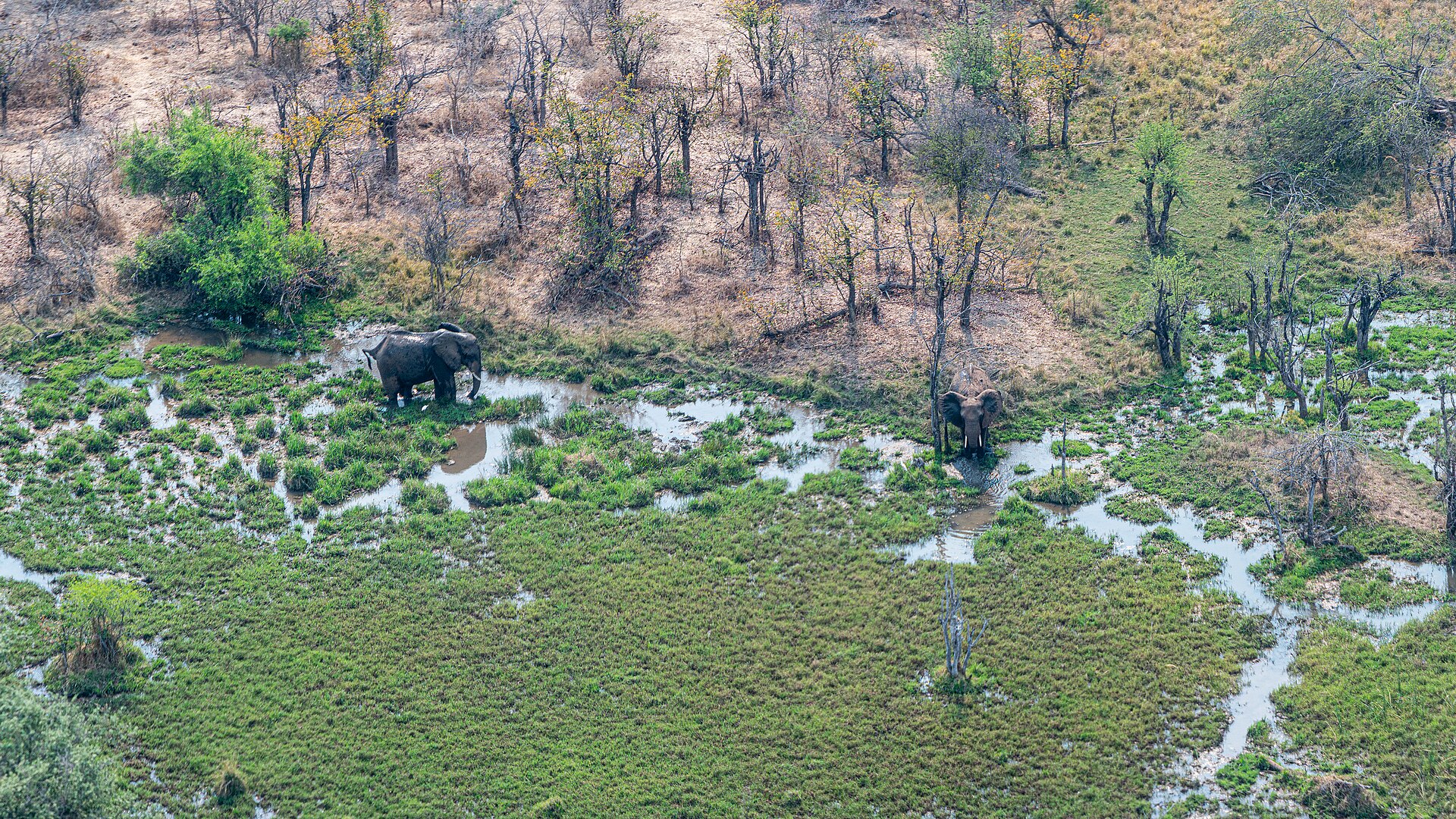
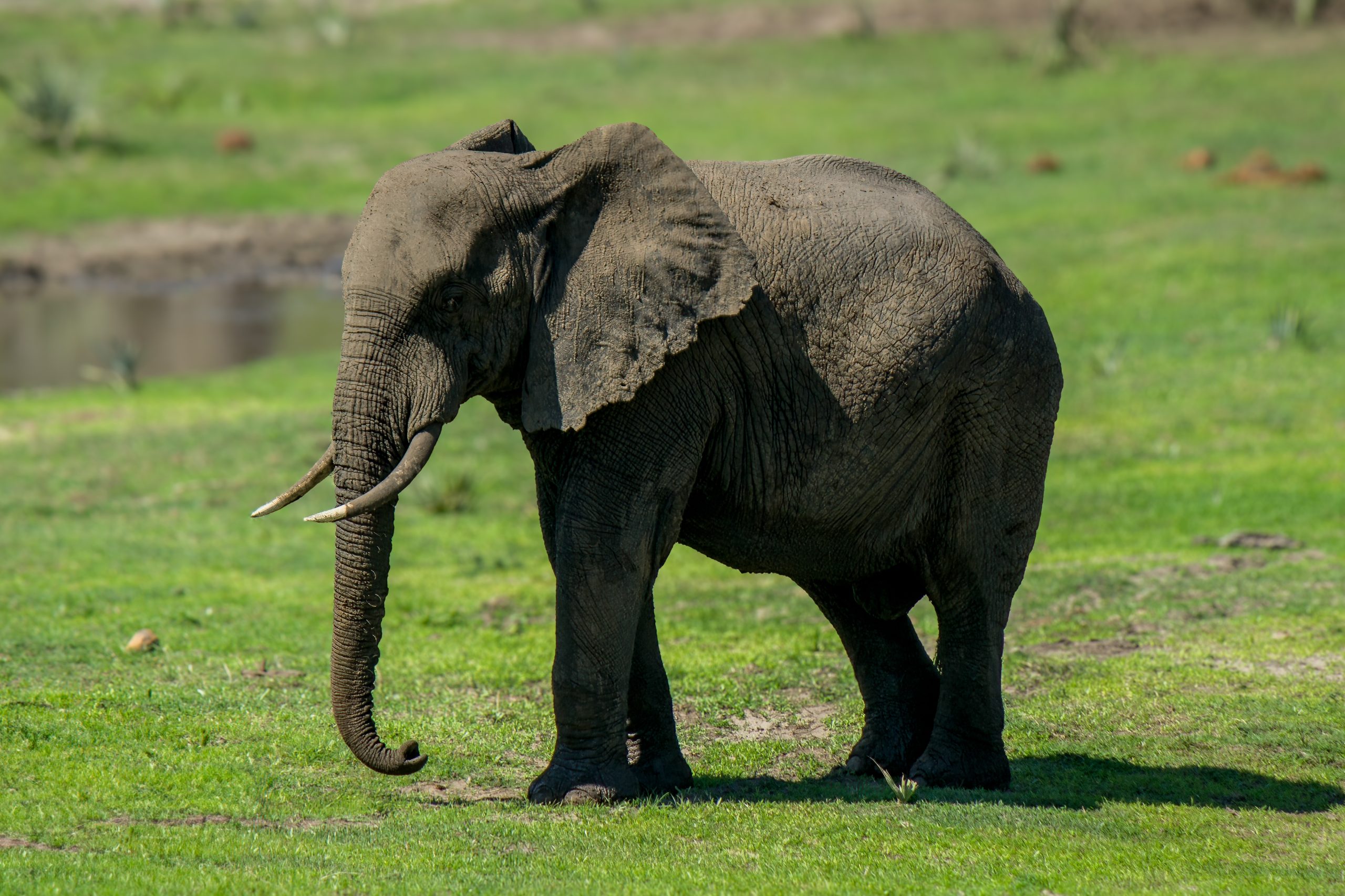
Where is the water, where is it safe to rest, and which places should be avoided? African bush elephants (Loxodonta africana) moved to an unfamiliar landscape must build this local knowledge anew. A Zimbabwean study suggests that the process could take around two years, with herds largely finding their own way rather than following elephants already living there.
Wildlife manager Mike La Grange monitored 201 elephants in 25 family herds moved from Save Valley to the Zambezi Valley in 2018 and 2022. Four years of satellite tracking revealed how they explored the area. Ten resident herds also carried tracking collars.
Water provided a reference point
After release, the oldest female, or matriarch, usually led her family into the wind. When they encountered people or other perceived threats, they changed direction and sought another place to rest and feed.
The herds were reluctant to move more than about two kilometres from a water source they had discovered until they found another. They repeatedly returned to familiar locations. Initially, they travelled back and forth between these points, whereas resident herds followed more circular routes through their established ranges.
La Grange interprets this pattern as the gradual development of spatial memory: the elephants associated particular places with water, food, safety or danger. They encountered resident herds but did not remain with them for long. The relocated herds did, however, occasionally gather with one another.
Disturbance could send herds far afield
When frightened or repeatedly disturbed, the elephants could travel more than 20 kilometres in a day. Some journeys extended hundreds of kilometres and brought them into settled areas. Several herds appeared to head towards their former home.
The elephants also hesitated to cross particular lines in the landscape, including riverbeds. Major disturbances could prompt them to cross nonetheless. La Grange suggests that these boundaries may relate to experiences or cues signalling danger, although how the elephants perceived them remains unknown.
Nine of the 25 matriarchs died during the first two years. La Grange considers prolonged stress a likely major cause, but post-mortem examinations could not confirm this because the tissues were too decomposed. Deaths associated with anthrax also occurred after severe drought.
Families need time and quiet
After about two years, movements became less erratic among herds that could still be monitored. Some continued to range widely, while others concentrated in smaller areas. They still travelled independently of resident herds.
La Grange therefore recommends keeping families together during relocation and limiting major disturbance for around two years after release. This includes postponing road building and other substantial activity. Successful transport is only the beginning: the elephants also need time to learn where they can live safely.
Behaviour
Related news
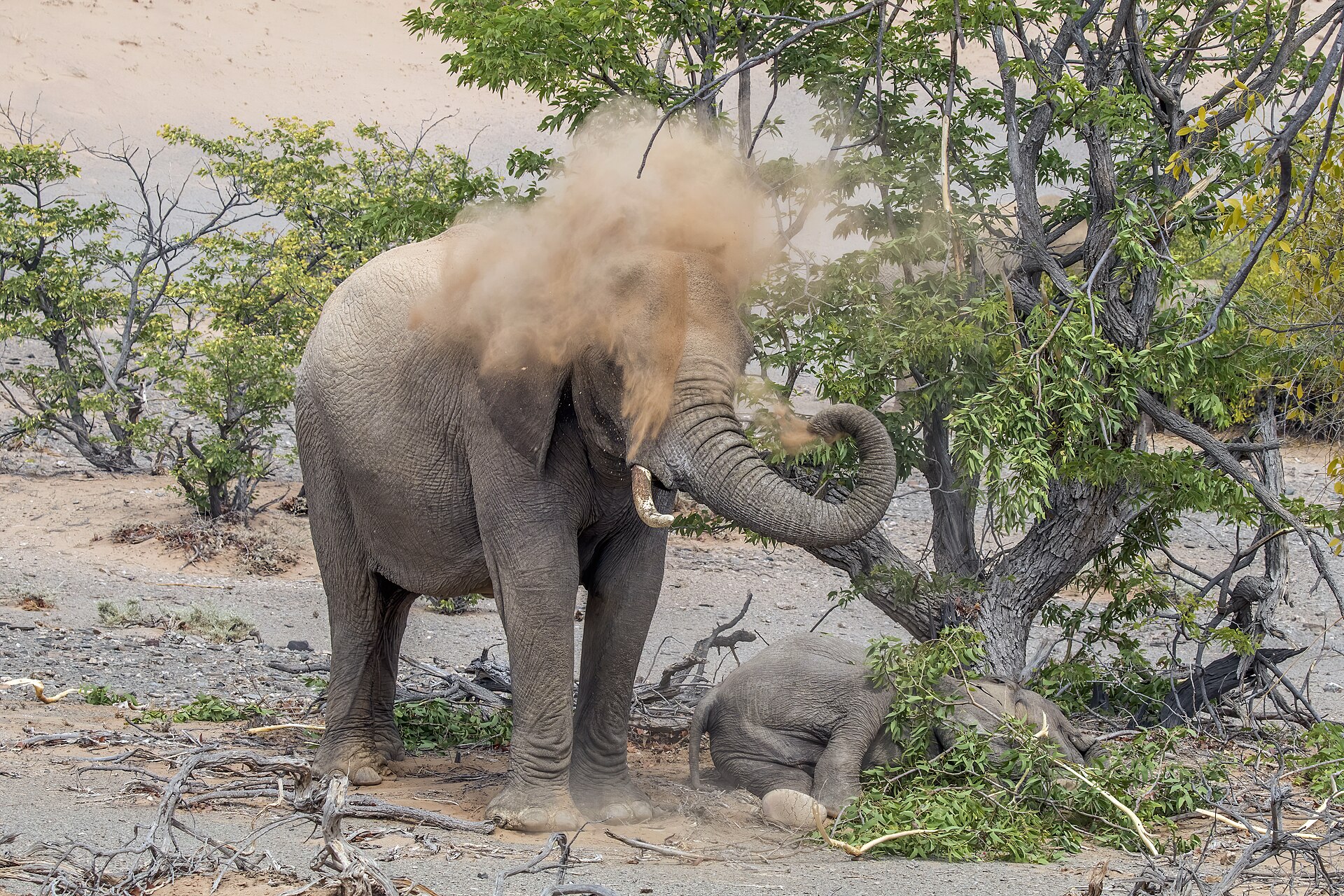
Elephants Have Unusual Enzyme Genes for Processing Foreign Compounds
A comparison of African and Asian elephants found duplicated UGT2B enzyme variants and differences in SULT genes. Tissue…
Read story →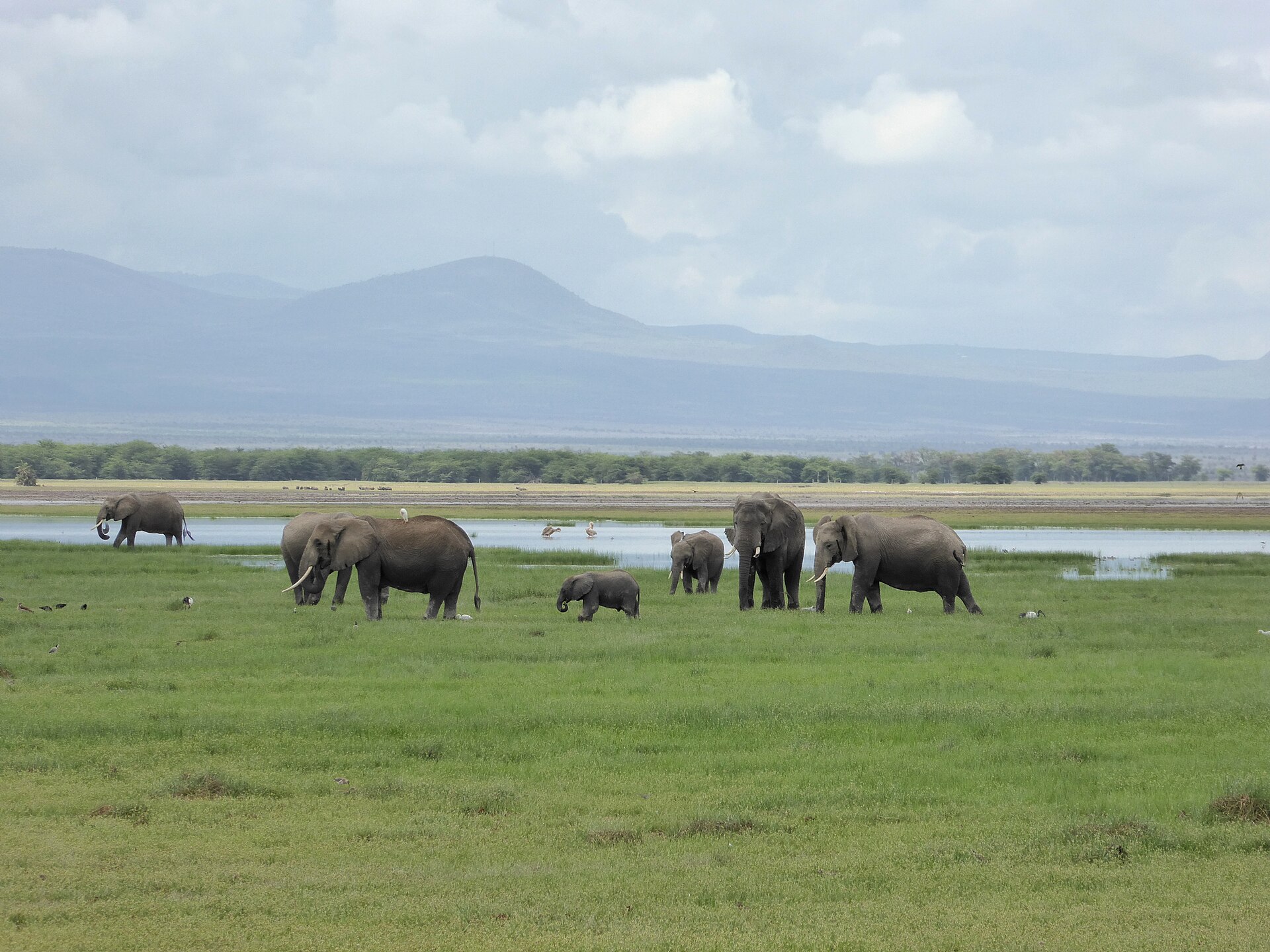
Kinship, drought and matriarchs shape elephant family ties
More than 50 years of records from Amboseli, Kenya, show how elephant family cohesion shifts as families grow,…
Read story →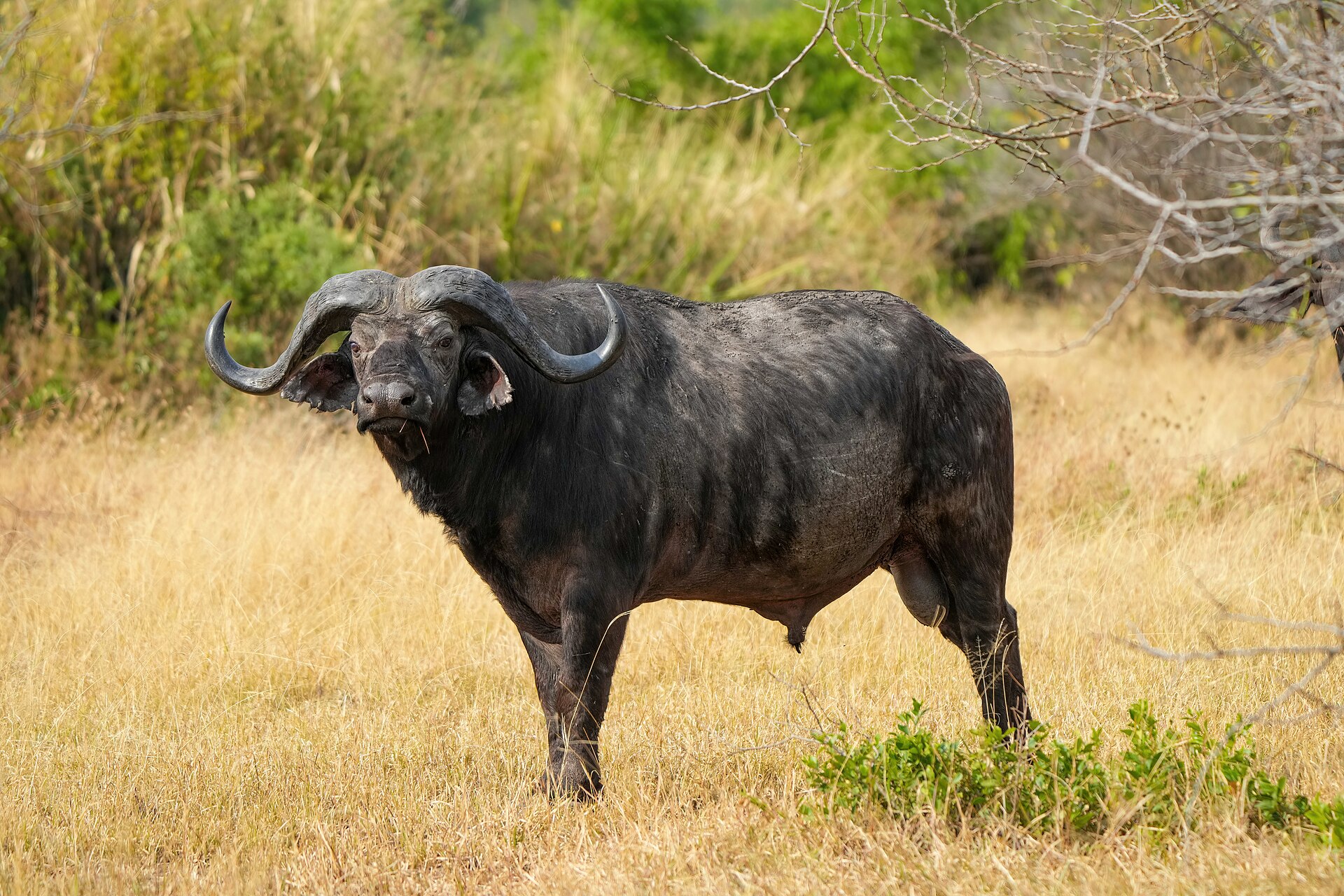
Elephants and buffalo showed the clearest signs of range expansion after translocation in Malawi
A six-year camera-trap study in Nkhotakota Wildlife Reserve found the clearest signs of establishment and expansion in African…
Read story →SPECIES IN THIS STORY
Species in this story
Independent research and conservation news archive
Did you find this information useful?
Wildlife Vagabond is independently built and maintained. Voluntary support helps cover source verification, hosting and continued work on research and conservation news.
Support Wildlife VagabondThe news archive will remain freely available.