
Mount Elgon Elephants May Seek Medicinal Plants When Sick or Caring for Calves
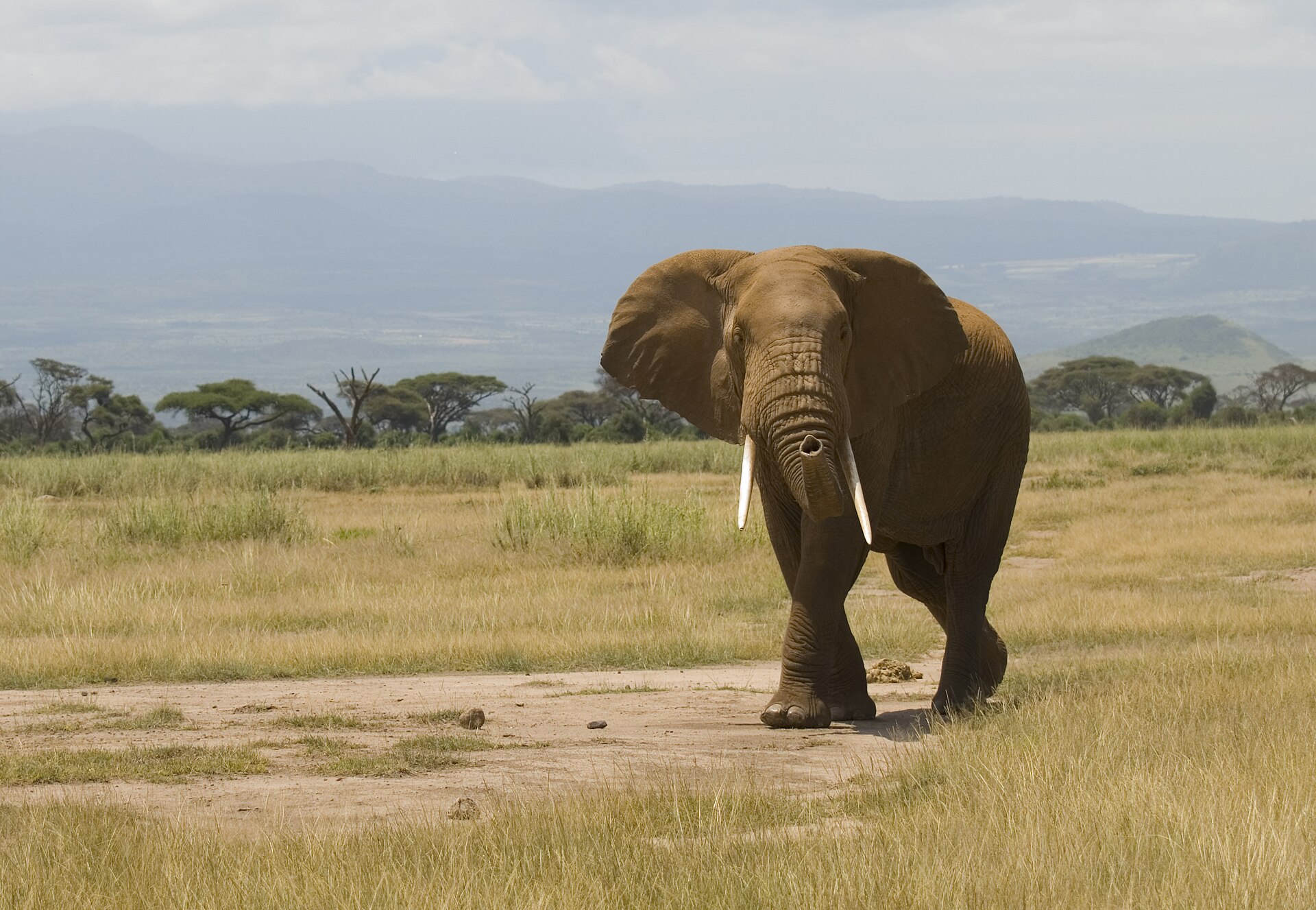
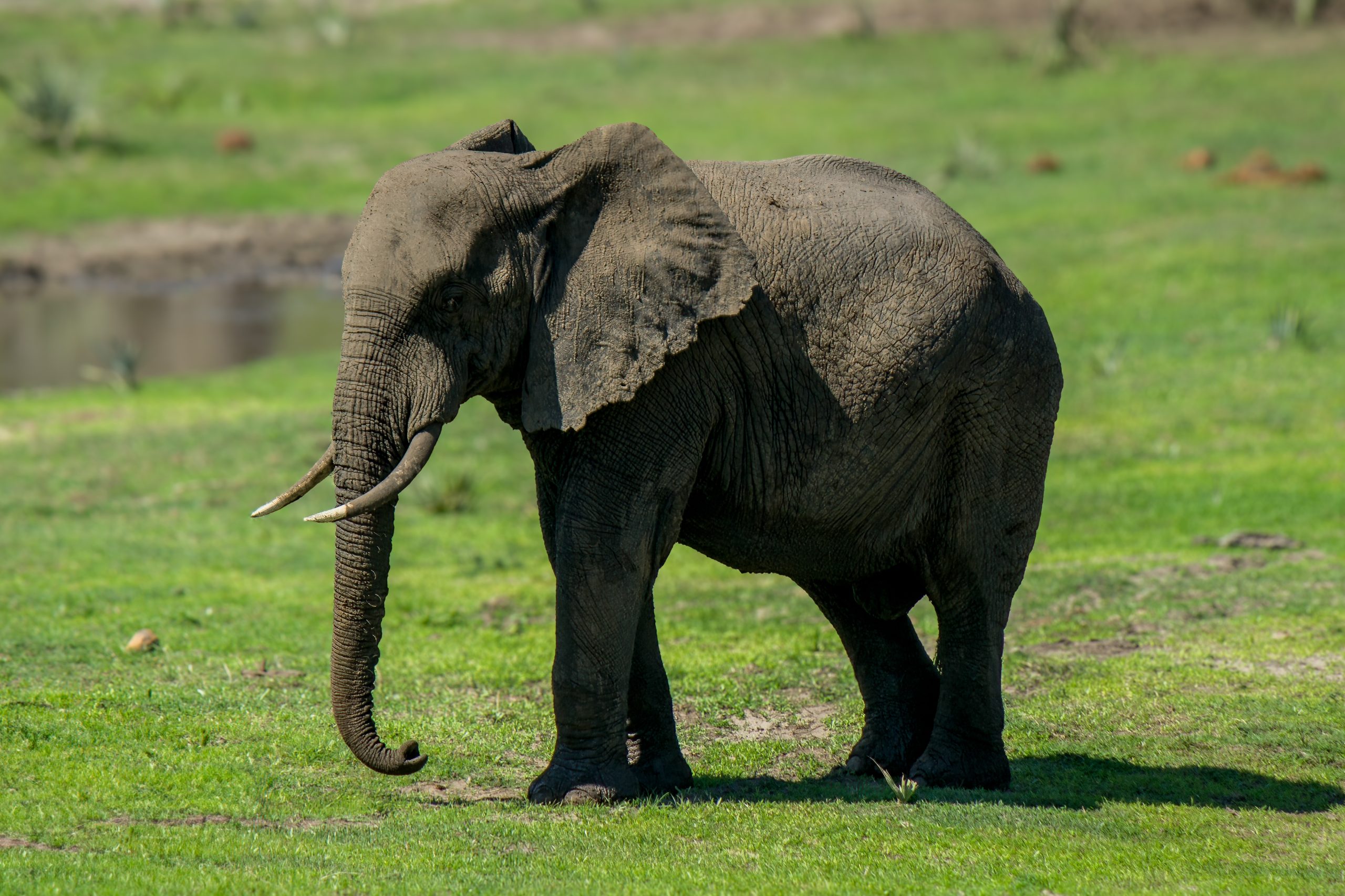
Wild African bush elephants (Loxodonta africana) around Mount Elgon in Kenya may deliberately seek particular plants when ill and, in some cases, provide plant material to their calves. Interviews with eight experienced Sabaot local experts identified 35 plant species and four types of soil, minerals or clay that elephants were reported to use in unusual or health-related ways.
The study concerns zoopharmacognosy: the use of biologically active natural materials by animals in ways that may prevent or treat illness. Demonstrating self-medication in the wild is difficult because researchers must distinguish therapeutic targeting from ordinary feeding, mineral intake or coincidental consumption. The authors therefore classified the strength of the behavioural evidence rather than assuming that every unusual resource was medicine.
Thirty-nine resources were reported from decades of local observation
The researchers conducted semi-structured interviews with eight Sabaot experts who had each spent more than 20 cumulative years living in the Mount Elgon region. The participants included wildlife community scouts, elders, a retired ranger and people with extensive experience guiding or observing elephants.
Across the interviews, 39 resources were identified: 35 plant species from 23 families and four soils, minerals or clays. Local informants also described traditional human uses for 34 of the 39 resources, and 25 plants were explicitly regarded by participants as medicines used by elephants.
This overlap does not by itself show that elephants use the resources medicinally. The study therefore separated reports according to whether elephants were simply associated with a resource, whether it was considered medicinal without evidence about the animal’s condition, or whether a visibly ill or vulnerable elephant was reported to target or receive it for a particular purpose.
Eight plants had the strongest behavioural evidence
Eight plant species were placed in the study’s strongest category of putative medication behaviour: Aloe arborescens, Bersama abyssinica, Coleus barbatus, Dombeya burgessiae, Dombeya rotundifolia, Dombeya torrida subsp. torrida, Ficus natalensis and Kuloa usambarensis.
For these plants, informants described a specified health context or care of vulnerable offspring rather than only unusual feeding. Aloe arborescens was associated with stimulating a calf’s appetite. Mothers were also reported to mix Coleus barbatus, Ficus natalensis and Bersama abyssinica with milk before giving the material to calves, behaviour the participants described as a kind of “immunization”. Three Dombeya species were associated with aiding digestion and softening droppings, while Kuloa usambarensis was reported to be sought by elephants showing visible sickness such as lethargy and little movement.
The researchers identified five resources in reports of allocare — care directed toward another individual — specifically between mothers and calves. Four of those resources belonged to the strongest medication category. This makes the observations relevant not only to possible self-medication, but also to the possibility that elephants can direct health-related resource use toward another animal.
Medicinal knowledge and elephant behaviour overlapped strongly
To compare the local observations with independent pharmacological knowledge, the researchers reviewed published information for the ten plant species mentioned by more than a quarter of the participants. Nine had documented ethnomedicinal uses, and the same nine had previously reported pharmacological properties.
That agreement makes the reports biologically interesting, but it is not proof that the elephants experience the same effects or understand the plants in the same way as people do. The study did not experimentally test whether eating a particular plant cured an elephant, nor did it chemically analyse the plants anew.
The authors also note an important interpretive challenge: the observers knew how many of these plants were used in local human medicine. That knowledge can help identify behaviours that would otherwise go unnoticed, but it can also influence how an unusual feeding event is interpreted. For that reason, the paper consistently treats the strongest cases as putative self-medication or allo-medication rather than confirmed treatment.
Local ecological knowledge revealed behaviour that is difficult to observe directly
Elephants range over large areas, and rare feeding events associated with illness are difficult to capture in a conventional field study. Long-term local observers can therefore provide information about events that researchers would be unlikely to encounter during a short project.
The Mount Elgon accounts point to a potentially diverse medicinal repertoire in African elephants, including selective feeding by compromised animals and possible transfer of medicinal resources from mothers to calves. The next step is to connect such observations with direct behavioural monitoring, plant chemistry and measurable health outcomes to determine which of these candidate behaviours represent true therapeutic use.
Behaviour
Related news
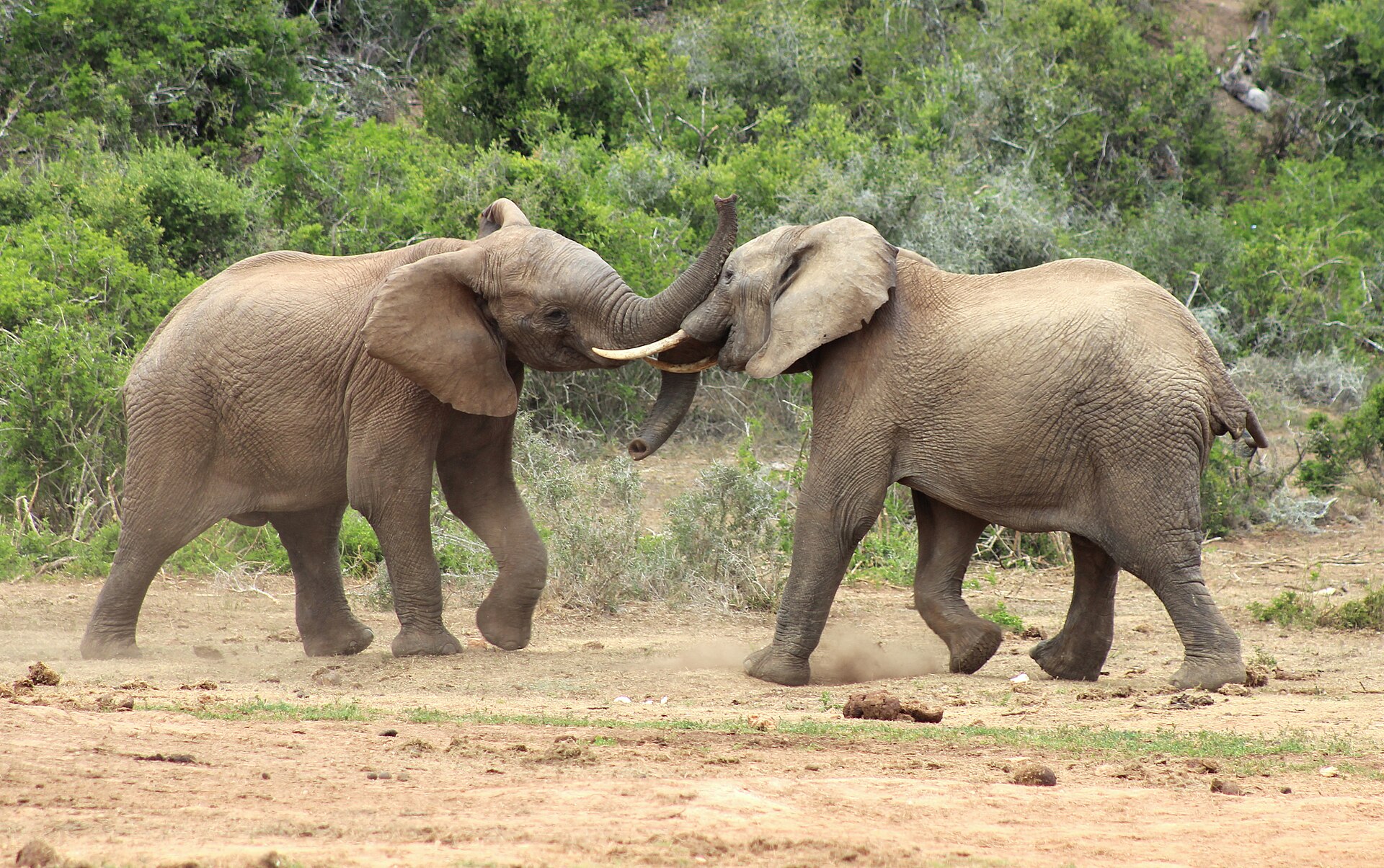
Wild Elephants Used 41 Gesture Types to Make Others Move Away or Stop
Wild African bush elephants in Addo and Marakele used 41 gesture types during conflicts, mainly to make another…
Read story →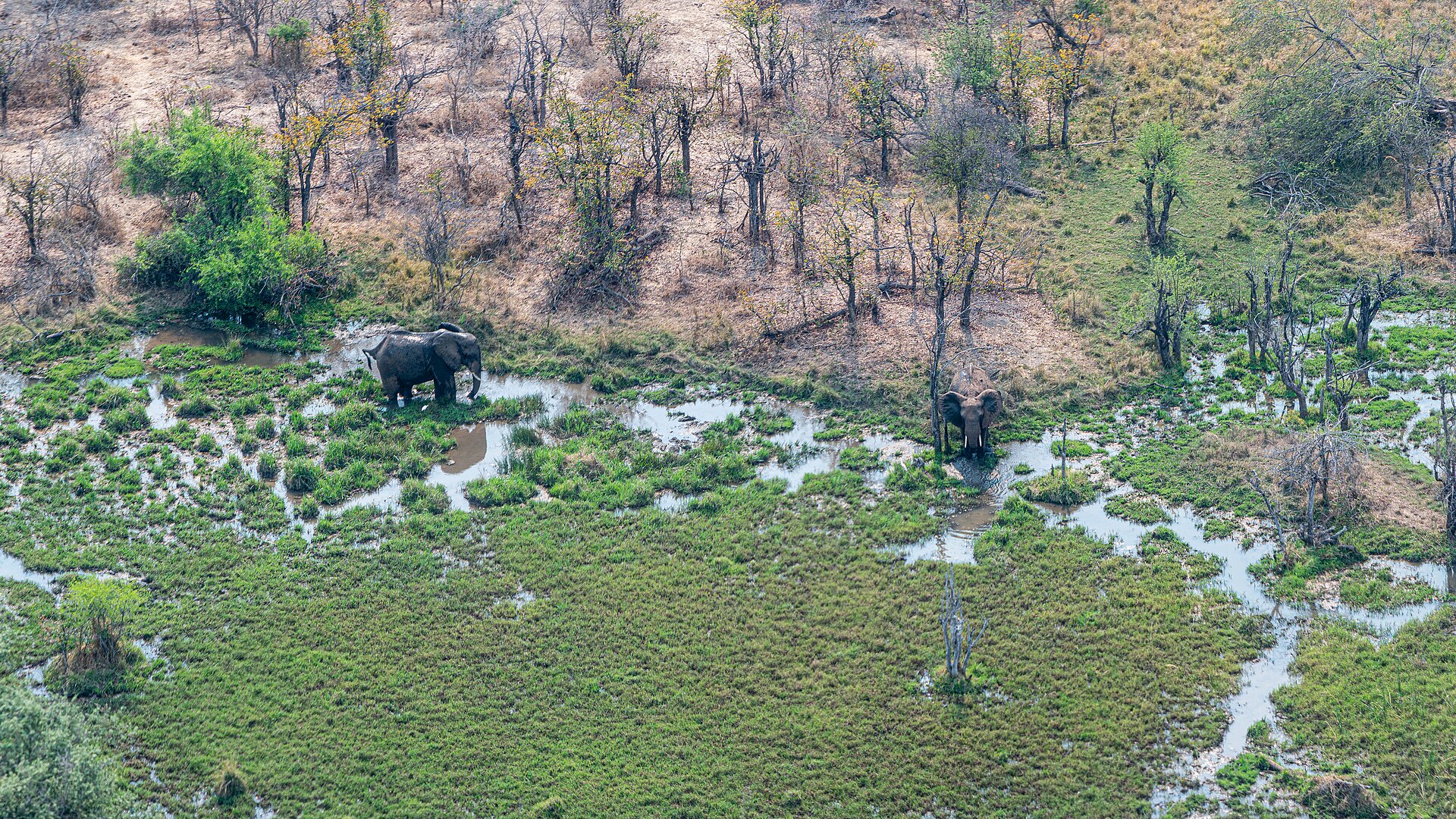
Translocated Elephant Herds Learned New Landscapes Independently, With Movements Stabilising After About Two Years
Satellite tracking followed 201 elephants in 25 whole herds moved from Save Valley to Zimbabwe's Zambezi Valley. The…
Read story →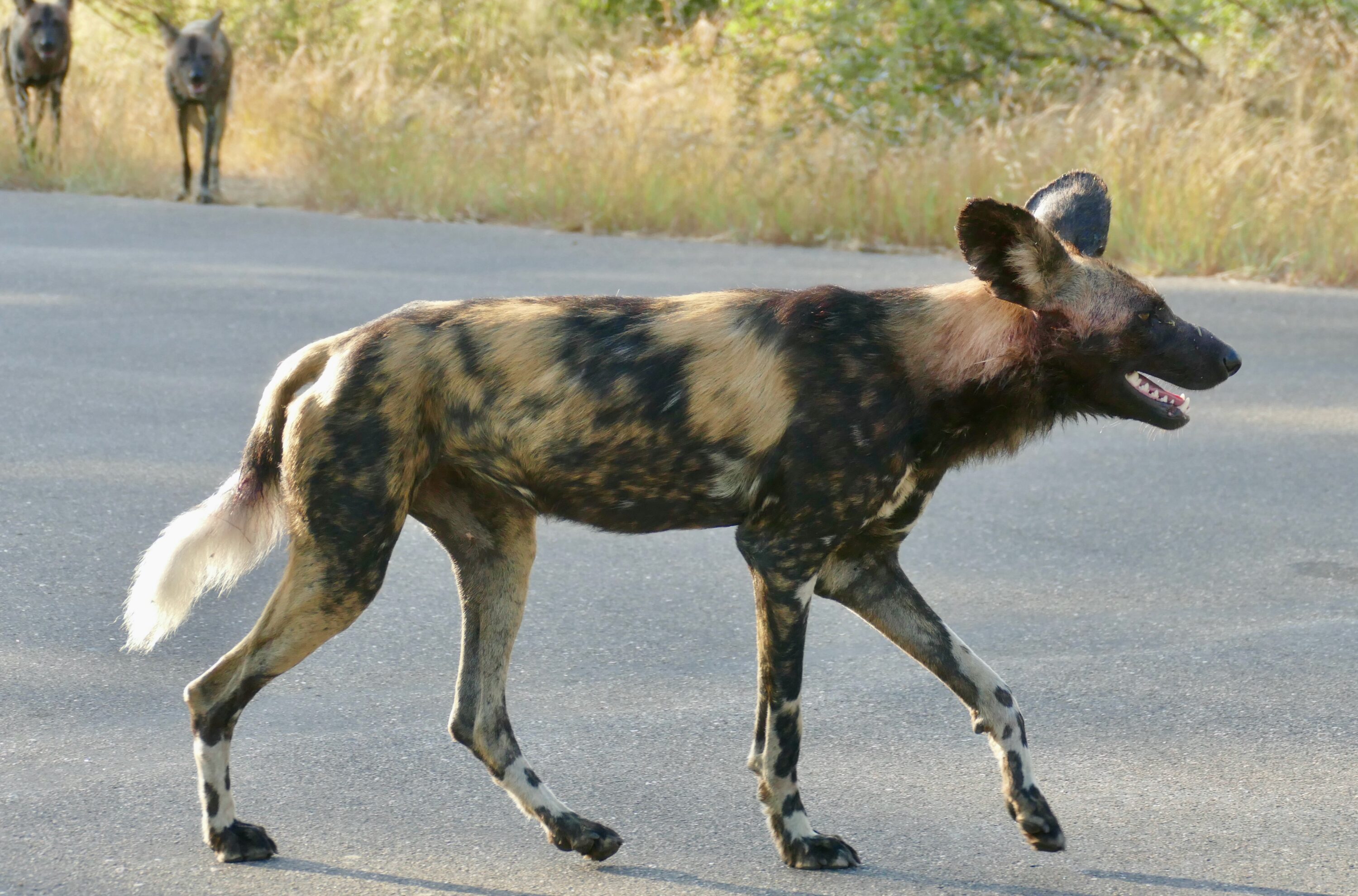
Gut Microbiomes Across Nine Kruger Mammals Clustered More Strongly by Dietary Group Than Species
A study of 89 quality-filtered faecal samples from nine wild mammals in Kruger National Park found that carnivores,…
Read story →SPECIES IN THIS STORY
Species in this story
Independent research and conservation news archive
Did you find this information useful?
Wildlife Vagabond is independently built and maintained. Voluntary support helps cover source verification, hosting and continued work on research and conservation news.
Support Wildlife VagabondThe news archive will remain freely available.