
Young Eurasian Spoonbills Foraged More After Leaving Their Natal Wetlands
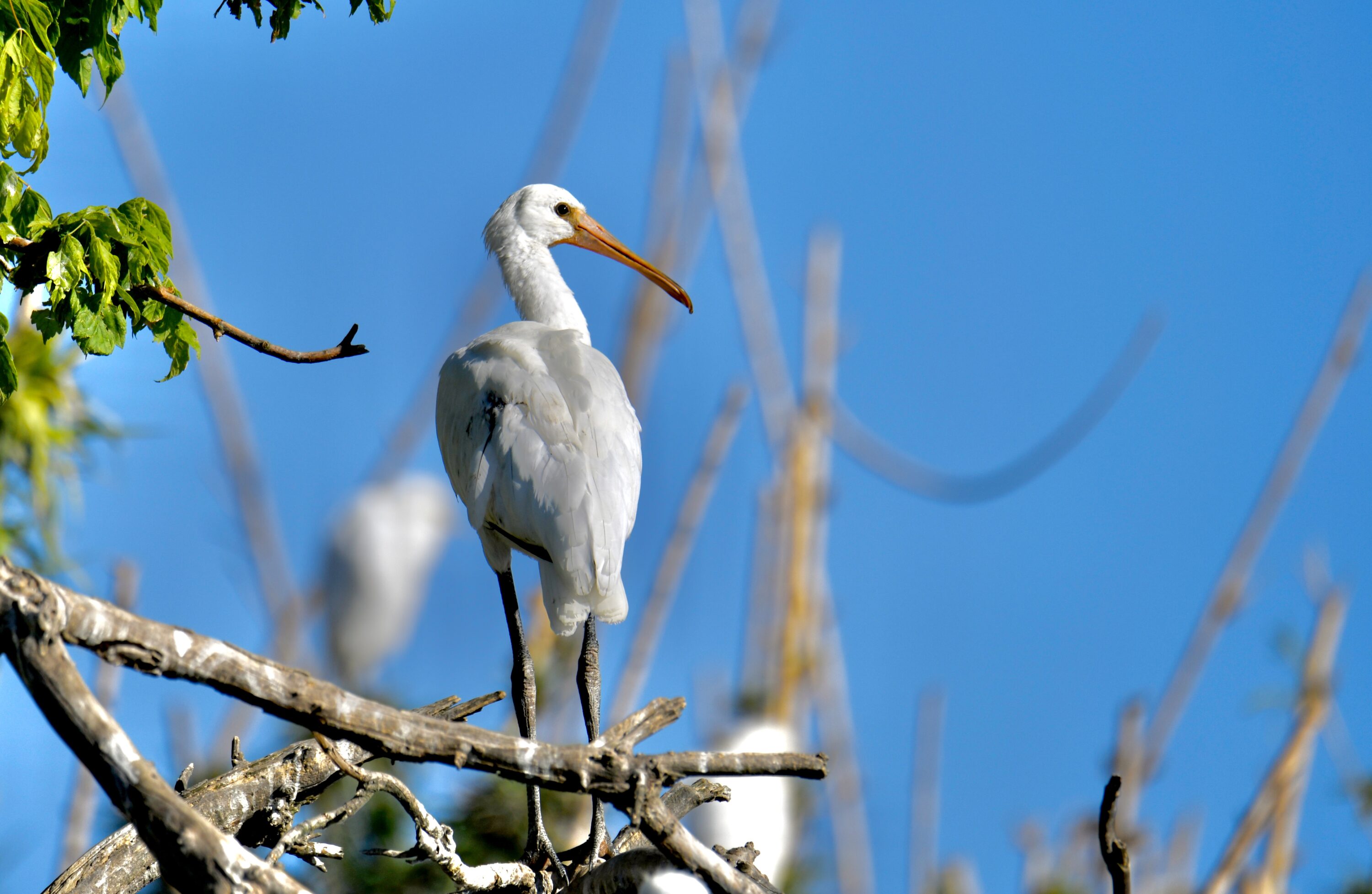
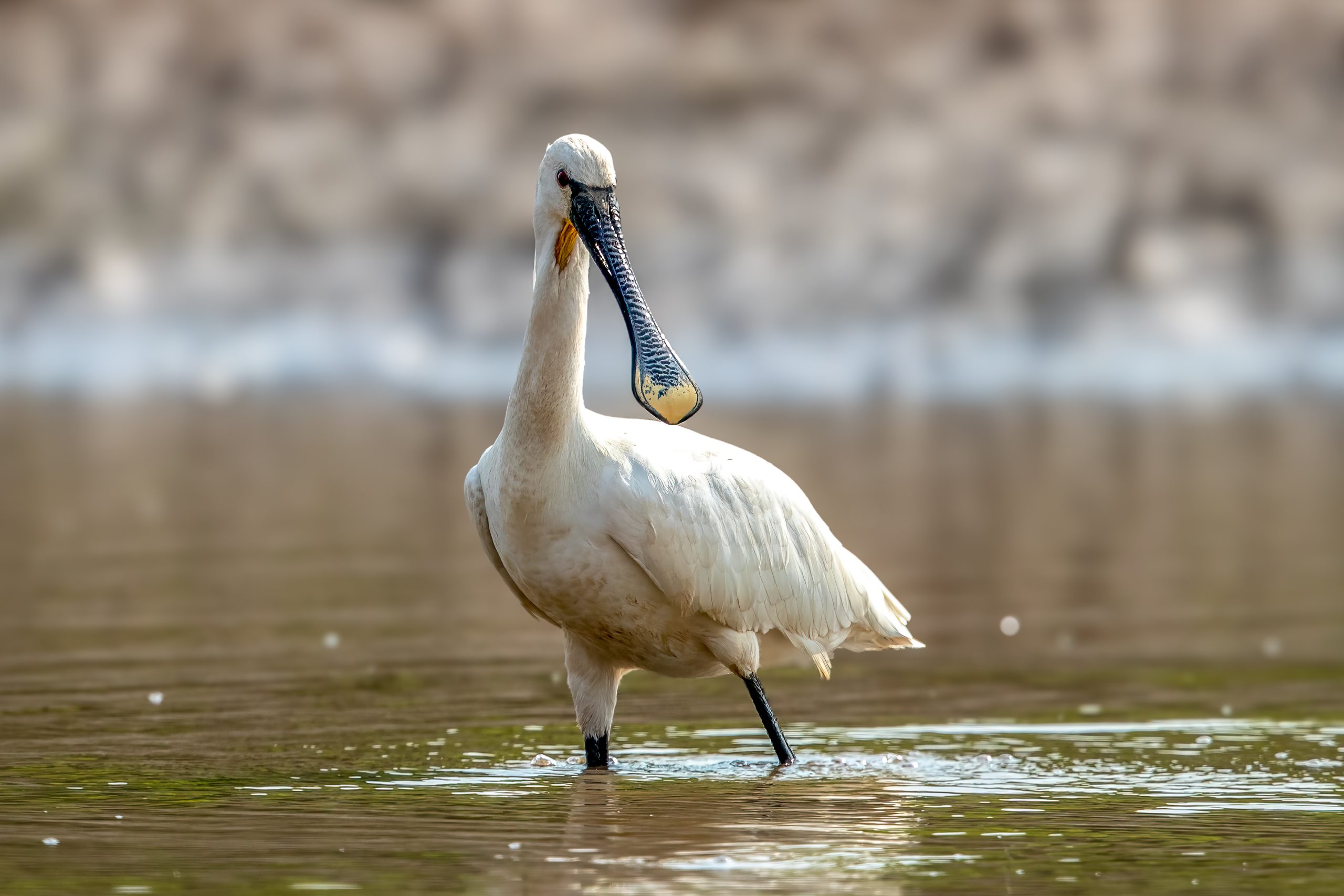
Young Eurasian spoonbills (Platalea leucorodia) changed how they spent their time after leaving the wetlands where they had fledged, according to a study published on 17 March 2026. Researchers fitted 51 pre-fledged juveniles from the Tagus estuary, Sado estuary and Ria Formosa in Portugal with GPS/GSM tags carrying three-axis accelerometers and followed them for up to their first year of life.
An accelerometer measures changes in body acceleration and movement over time, allowing researchers to infer activity and compare movement intensity.
Twenty-nine birds provided enough data to be classified according to their first major displacement: 18 left the natal wetland and 11 remained. Before any displacement, the only behavioural difference detected between the groups was that future leavers spent more time preening. The study recorded 27 displacement events by the 18 leavers; 20 ended in previously unvisited areas and seven returned to known areas. First displacements ranged from 15 to 1,550 km, averaged about 312 km and lasted from one to at least 12 days.
Leaving natal wetlands increased foraging effort
After leaving, the leavers increased both their daily foraging time and overall dynamic body acceleration (ODBA) while foraging, an accelerometer-based proxy for movement-related energy expenditure. They roosted less, reduced preening to levels similar to the birds that stayed, and used fewer habitat types. Their use of anthropogenic habitats also increased after displacement, although after the move this did not differ significantly from the stayers.
The researchers found no evidence that the size of these behavioural changes increased with displacement distance, and the altered behaviour did not clearly return toward pre-displacement levels during the first month in a new area. They therefore interpret conditions in the new areas and the juveniles’ unfamiliarity with those areas — probably a combination of both — as more likely explanations than the direct energetic cost of travel itself. The tracked birds originated from protected Portuguese wetlands, while some movements extended into other parts of the Iberian Peninsula and North Africa. The authors note that remaining near the natal wetland may be advantageous under current Iberian winter conditions, but emphasize that the direct and carry-over fitness consequences of the two strategies still need to be tested.
Behaviour
Related news
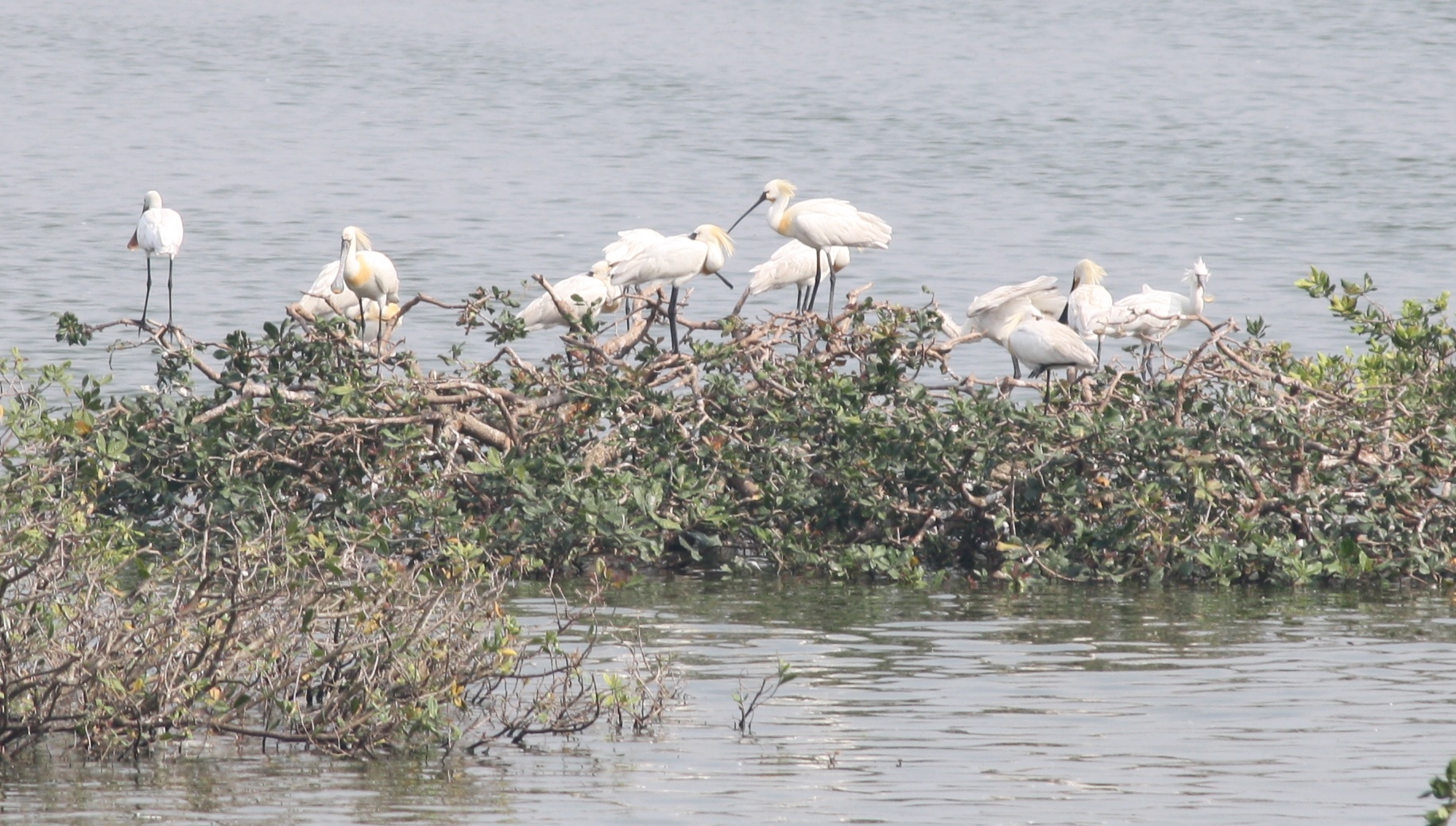
Spoonbills Are Nesting Again at Therthangal
After a season without breeding, a spoonbill colony in southeastern India returned to 12 active nests in 2025–2026.…
Read story →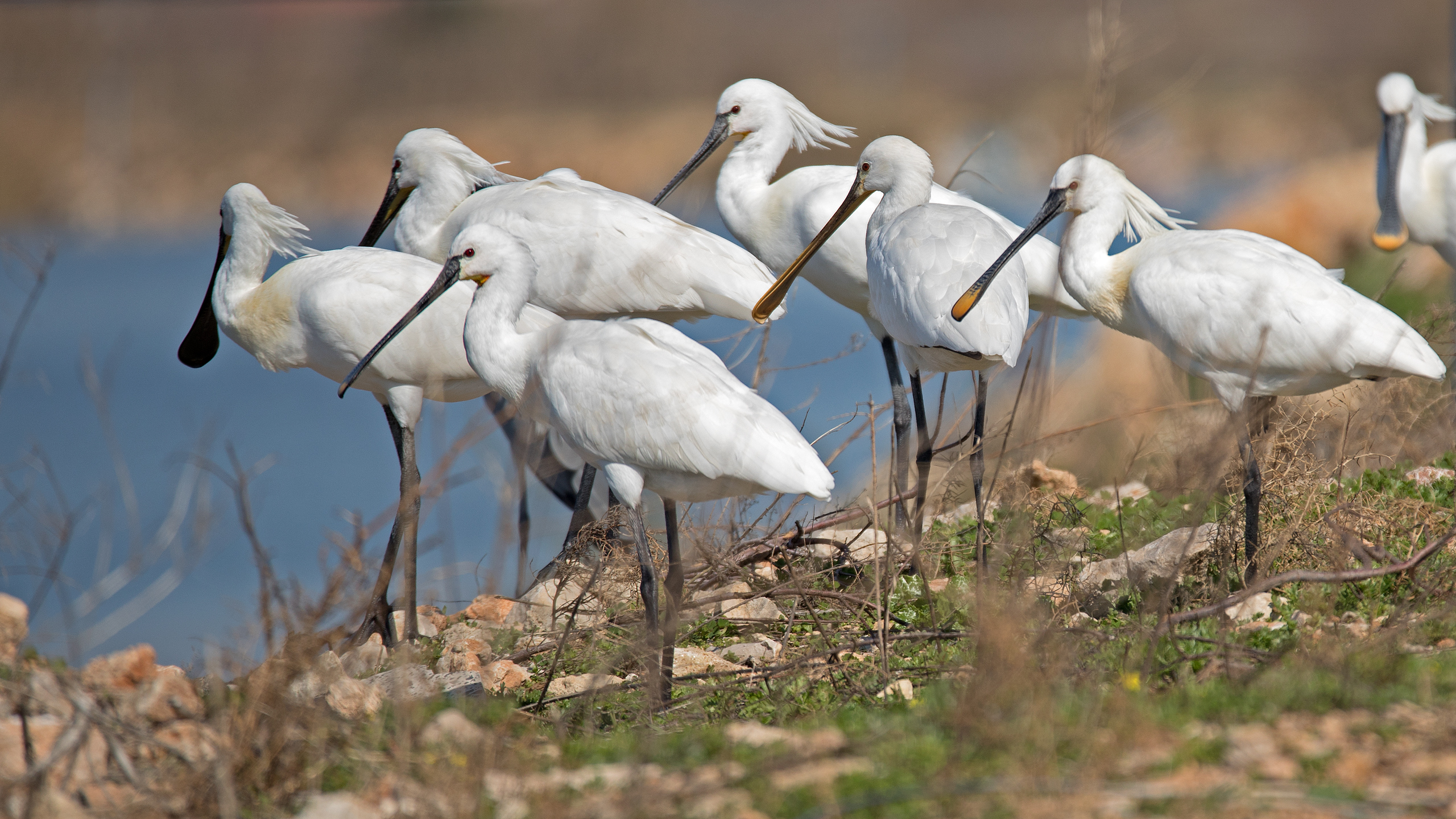
Eurasian Spoonbill Index Showed Clear Declines on Both Time Scales in India
The 2025 State of India’s Birds update estimated a −46.8% long-term trend and a −4.3% current annual trend…
Read story →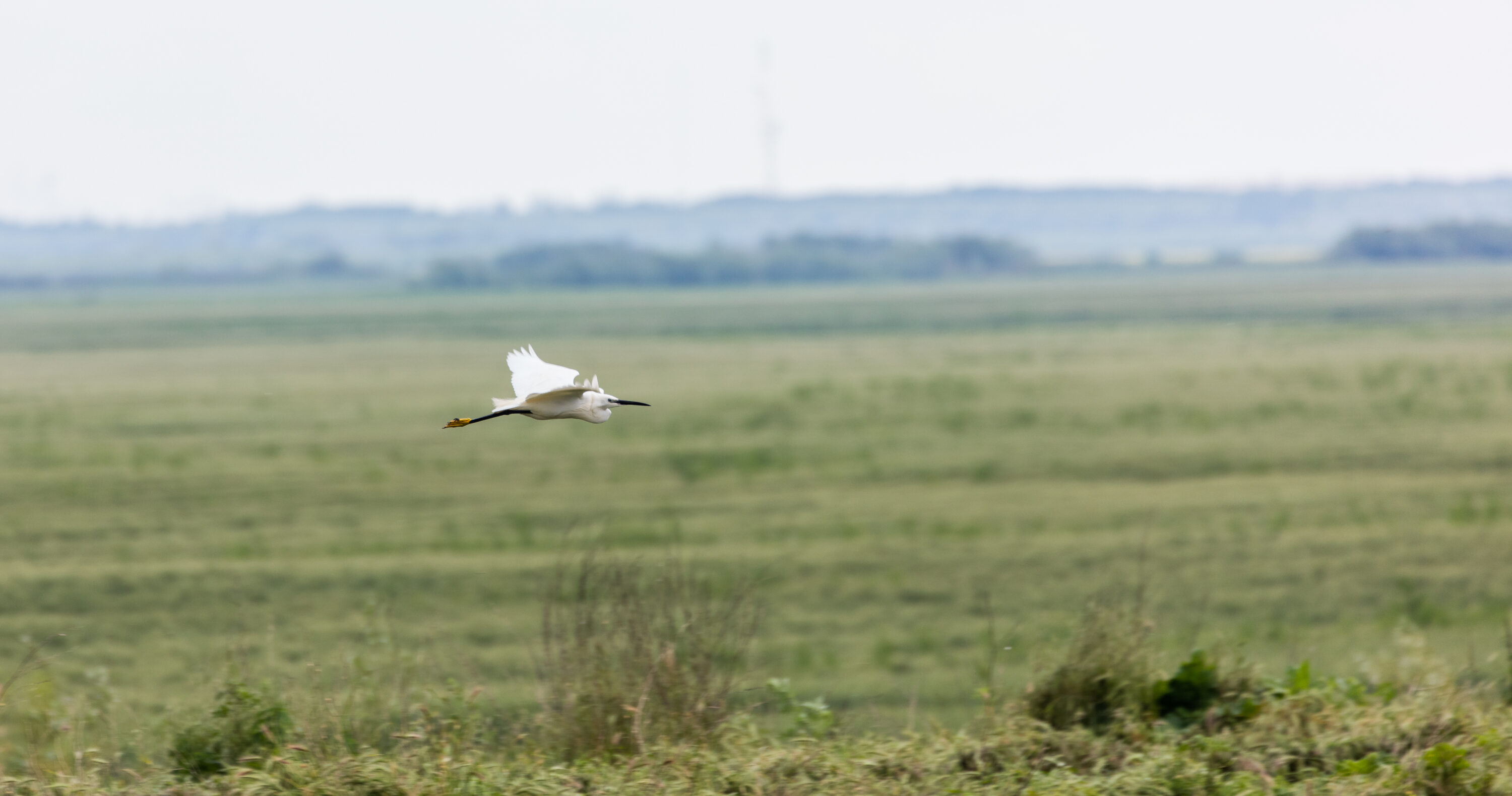
Little Egrets, Glossy Ibises and Eurasian Spoonbills Declined in Danube Delta Colonies
Nine of ten colonial waterbird species showed downward trends across five monitored Danube Delta colonies from 2016 to…
Read story →SPECIES IN THIS STORY
Species in this story
Independent research and conservation news archive
Did you find this information useful?
Wildlife Vagabond is independently built and maintained. Voluntary support helps cover source verification, hosting and continued work on research and conservation news.
Support Wildlife VagabondThe news archive will remain freely available.