
Zimbabwe Cheetah Population Added to CMS Appendices I and II
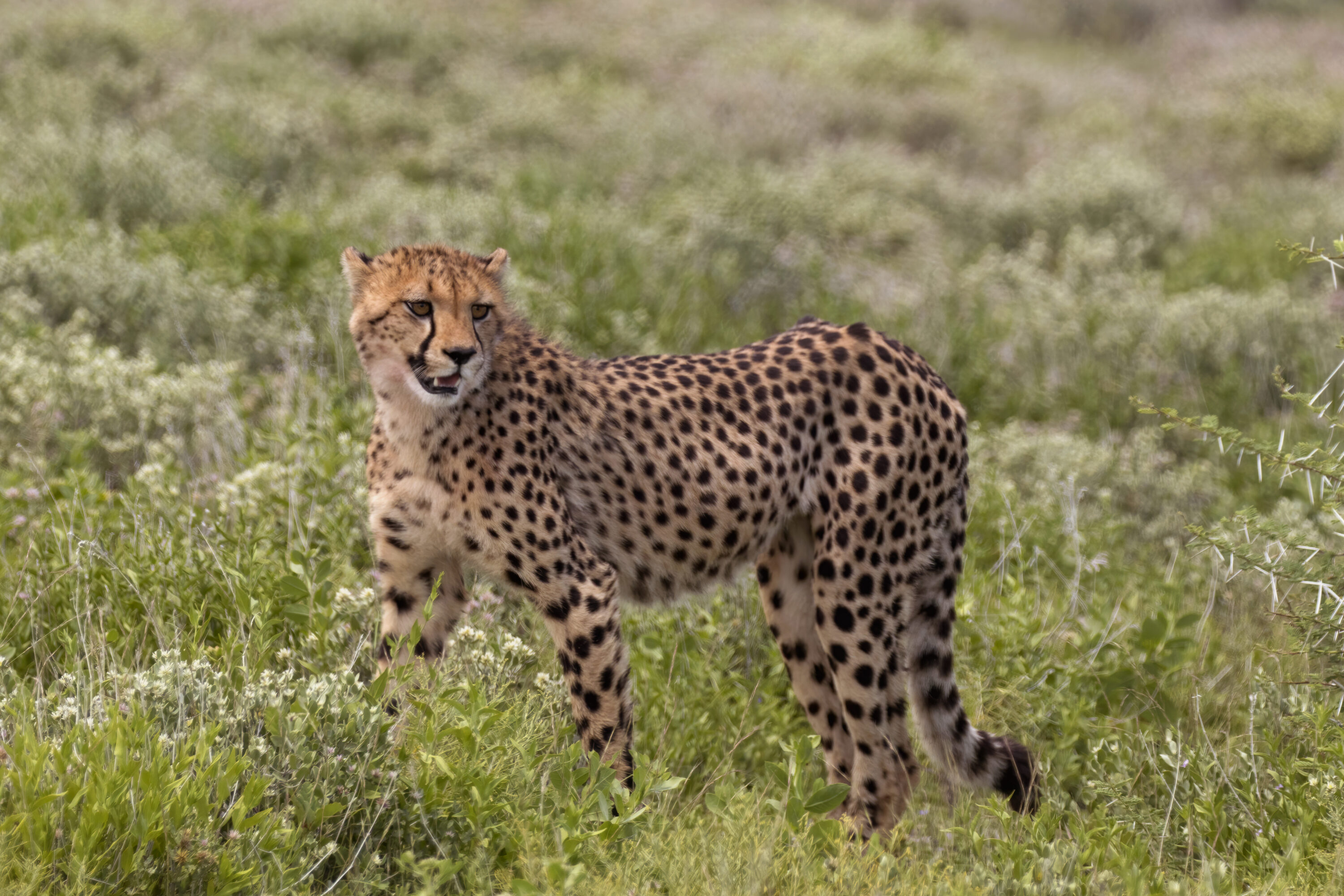
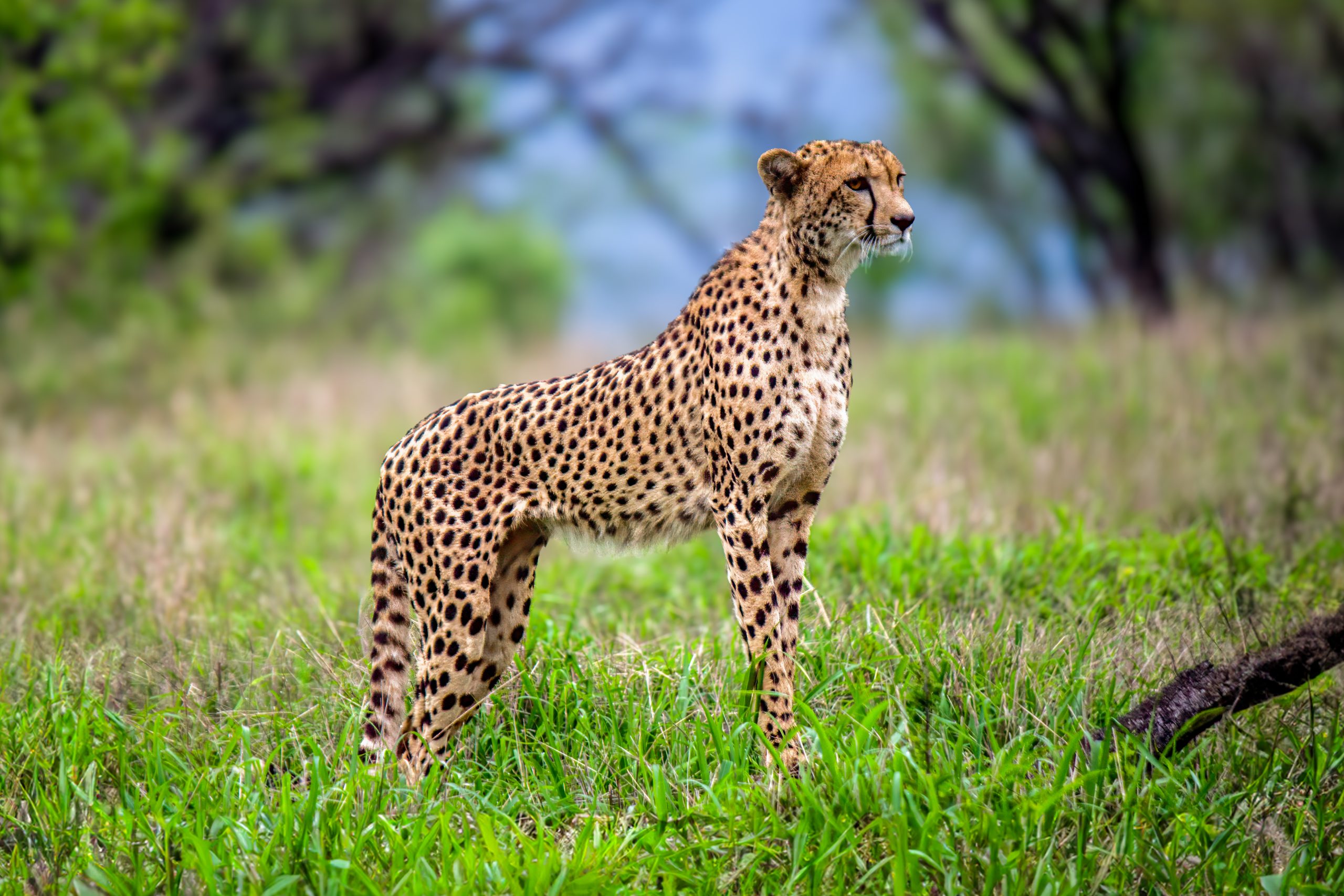
On 27 June 2026, the cheetah (Acinonyx jubatus) population of Zimbabwe became listed on both Appendix I and Appendix II of the Convention on the Conservation of Migratory Species of Wild Animals (CMS). The amendments had been adopted at CMS COP15 and entered into force three months later under the Convention’s rules.
Most cheetah populations had already been listed on Appendix I since 2009, but Botswana, Namibia and Zimbabwe were excluded. COP15 added Zimbabwe to Appendix I and, additionally, to Appendix II. Botswana and Namibia remain excluded from the Appendix I listing.
Appendix I creates strict protection obligations
Appendix I is for migratory species considered endangered under CMS. Parties that are Range States must prohibit the taking of listed animals, apart from narrowly defined exceptions, and must endeavour to conserve and where appropriate restore important habitat, reduce obstacles to movement and control other factors that endanger the species.
For Zimbabwe’s cheetahs, the change therefore places the population under the Convention’s strongest category of direct protection obligations. It does not by itself replace Zimbabwean wildlife law or guarantee a particular conservation outcome; implementation depends on national measures and cooperation with other Range States.
Appendix II focuses on international cooperation
Appendix II covers migratory species that require, or would significantly benefit from, international cooperation. It provides a framework for coordinated agreements, action plans, monitoring, research and habitat conservation among countries sharing migratory populations or ecological systems.
The final 2026 amendment applies the new Appendix I and II inclusion specifically to the Zimbabwe population. An earlier proposal had also included Botswana and Namibia, but the revised COP15 proposal was narrowed to Zimbabwe before adoption.
Management
Related news
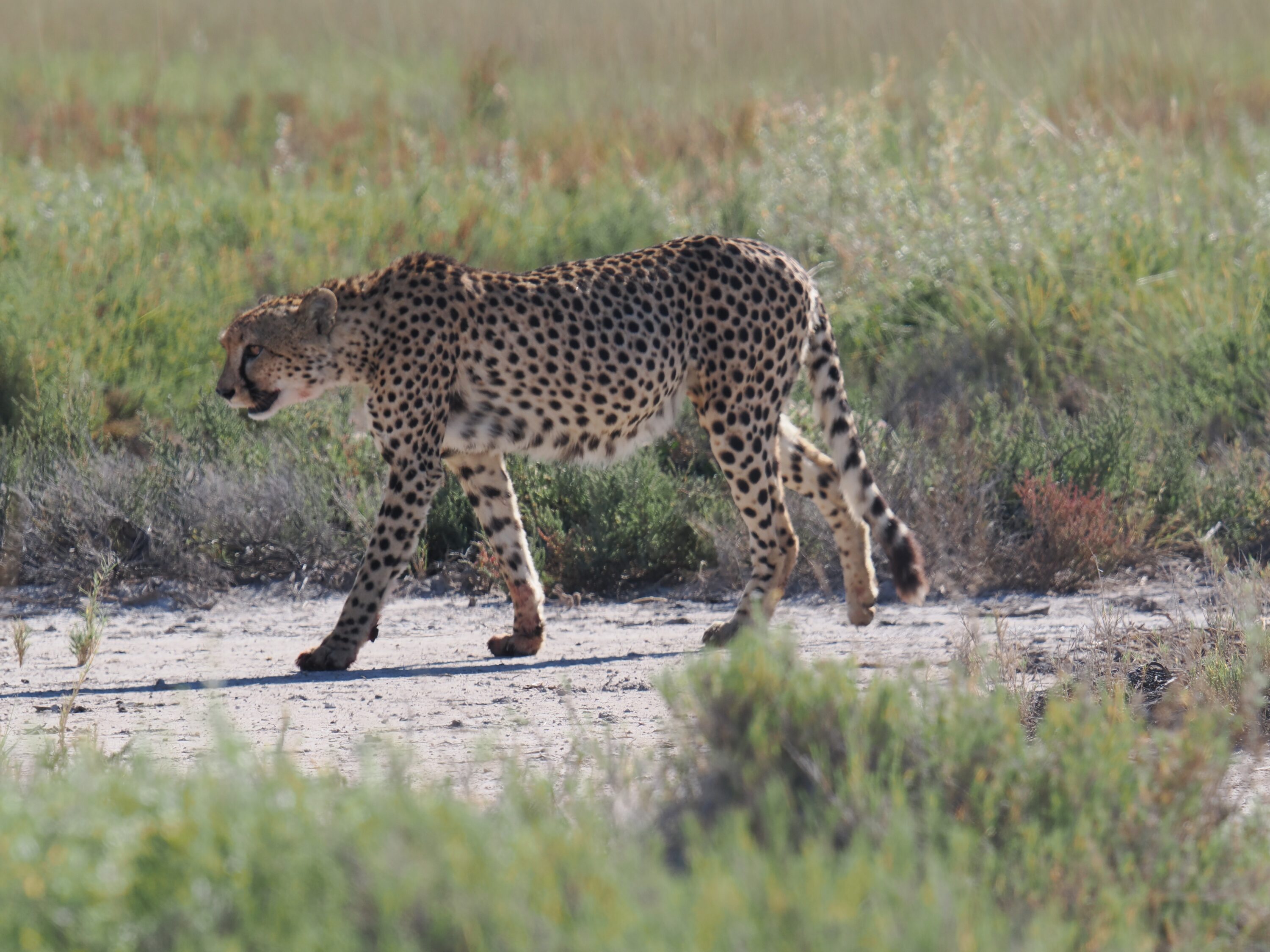
India’s Cheetah Project Sparked Debate Over Deaths, Transparency and Whose Expertise Counted
A review of 28 documents about Project Cheetah in India found sharply different accounts of its conservation goals,…
Read story →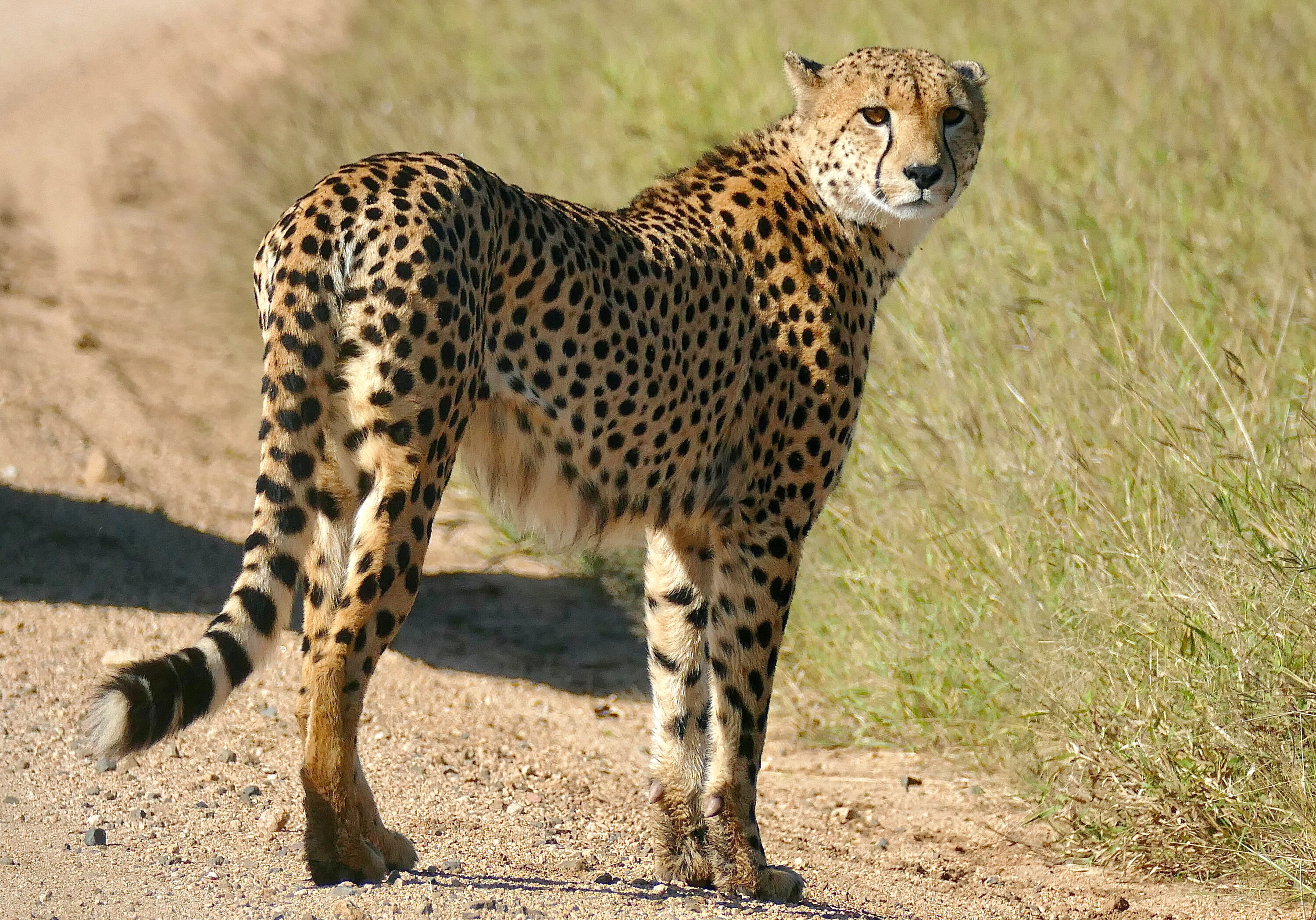
DNA Methylation Shifted as Namibian Male Cheetahs Became Territorial
Paired blood samples from ten free-ranging Namibian males revealed widespread, predominantly increased DNA methylation after the same cheetahs…
Read story →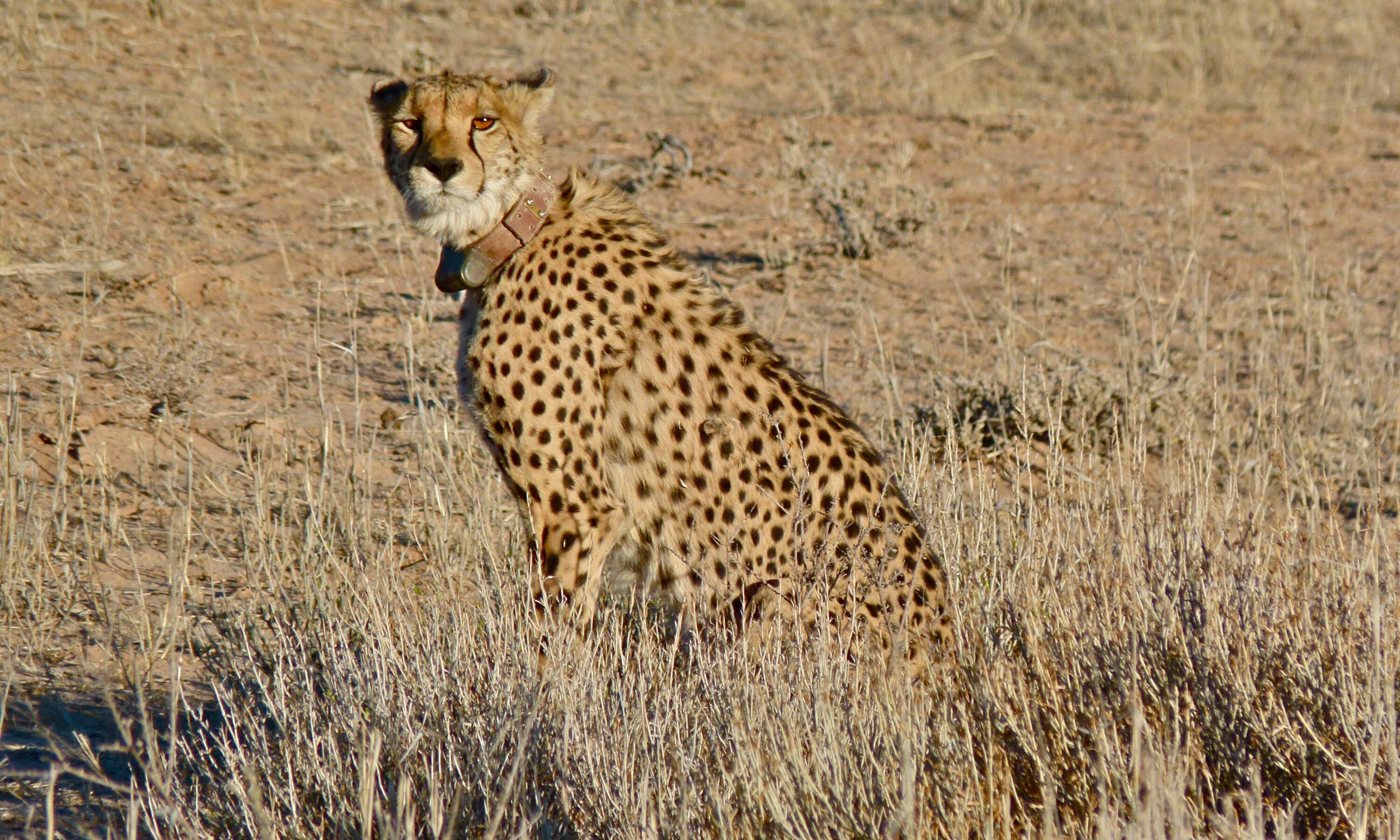
33 Descendants of Phased-Release Cheetahs Reached Independence in South Africa
Twelve captive-origin cheetahs were phased into seven fenced reserves in South Africa. Their ranging and habitat use stabilised…
Read story →SPECIES IN THIS STORY
Species in this story
Independent research and conservation news archive
Did you find this information useful?
Wildlife Vagabond is independently built and maintained. Voluntary support helps cover source verification, hosting and continued work on research and conservation news.
Support Wildlife VagabondThe news archive will remain freely available.