
Nine Female White Rhinos Bring Zinave’s Introduced Population to 39
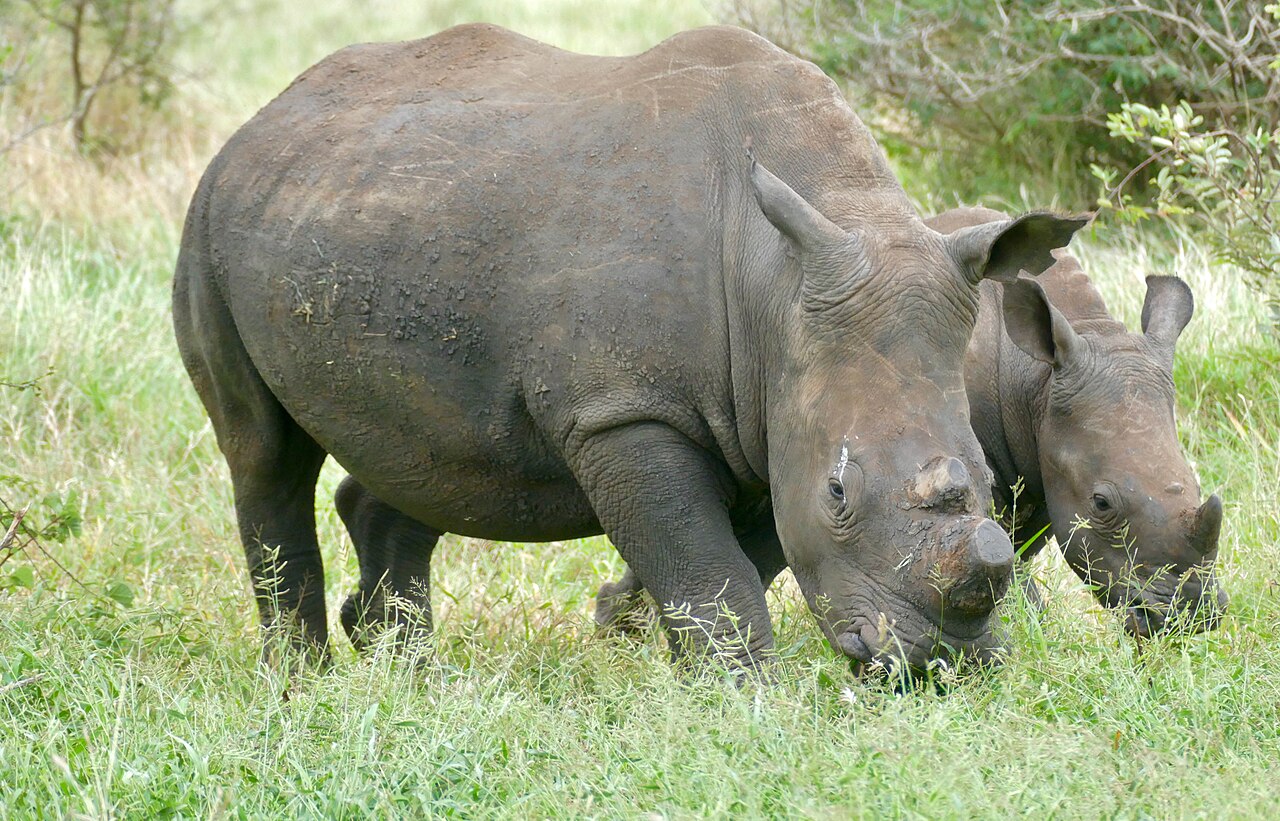
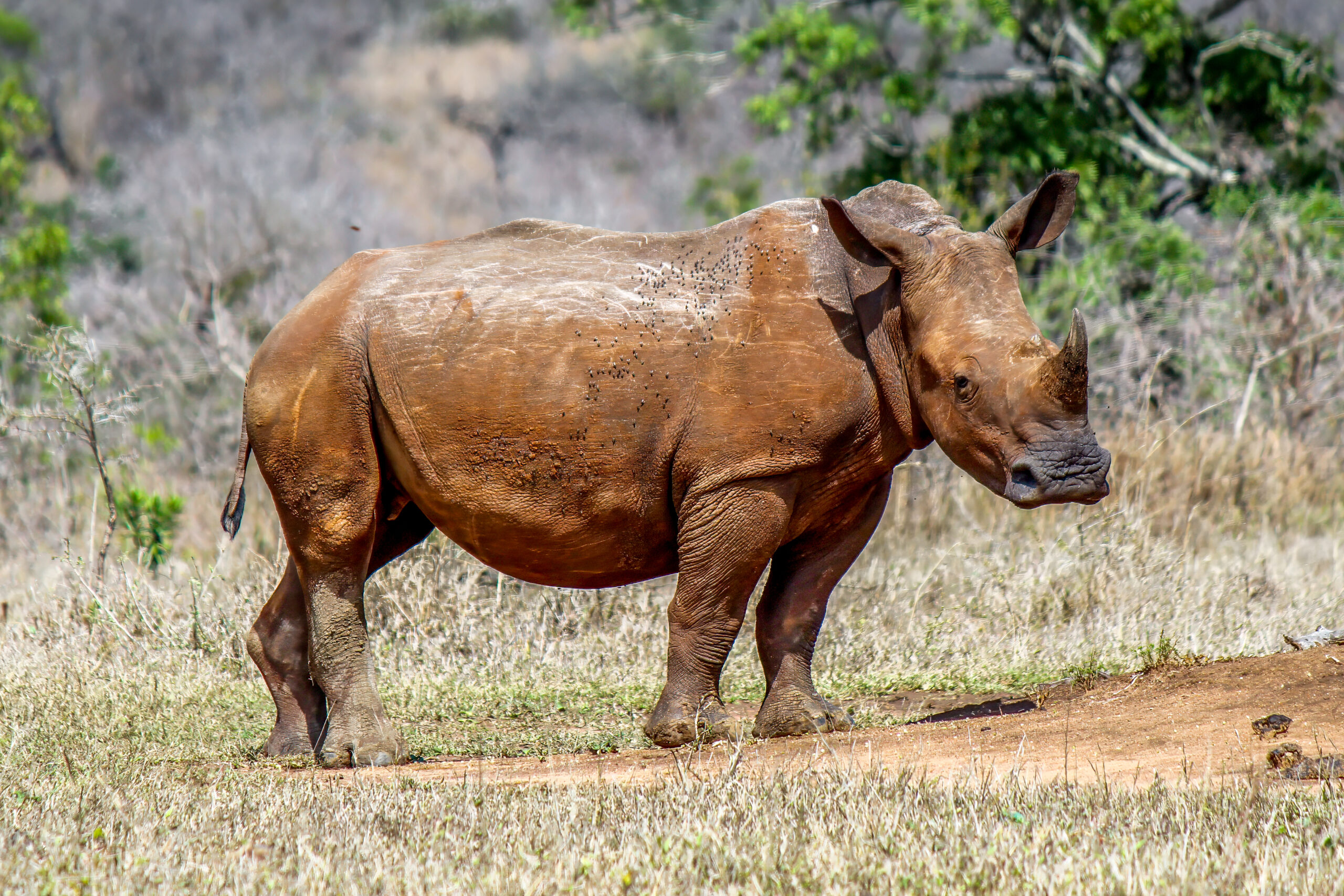
Nine female white rhinoceroses (Ceratotherium simum) have been translocated from South Africa to Zinave National Park in Mozambique, completing the final phase of a major cross-border rhino restoration effort. Peace Parks Foundation announced the successful move on 8 June 2026.
The females came from Manketti Game Reserve near Lephalale in South Africa and were transported overland to Zinave. The operation was carried out by Mozambique’s National Administration for Conservation Areas, Exxaro Resources and Peace Parks Foundation, with support from South Africa’s Department of Forestry, Fisheries and the Environment.
The founder populations now include 39 white and 22 black rhinos
The nine arrivals bring the number of white rhinos introduced to Zinave to 39. The park has also received 22 black rhinos as part of the wider restoration programme. Peace Parks says the two species now form the first viable founder populations of black and white rhinos established in a Mozambican national park after more than four decades of local extinction. A founder population is the initial group of animals intended to establish a self-sustaining breeding population, so its size, reproduction and long-term protection matter more than the number moved in any single operation.
The new females were introduced specifically to strengthen the white-rhino breeding population. Both white and black rhinos have already reproduced in Zinave following earlier introductions, with calves born in the park. The June transfer was the last of three major translocations used to build the founder populations.
Protection becomes central as the founder population develops
The animals are protected inside a high-security sanctuary supported by dedicated ranger capacity, surveillance, monitoring technology and specialised protection infrastructure. This security has been developed alongside the reintroduction programme because rhino recovery in the park depends not only on bringing animals back, but also on protecting the new population after release.
Zinave’s rhino restoration forms part of a much broader rebuilding of the park’s wildlife community. The latest translocation adds more breeding females to a population that Peace Parks describes as established and reproducing, while bringing the planned series of major rhino transfers to a close.
The project partners will continue monitoring the rhinos and their reproduction as the founder population develops. With the planned series of major transfers complete and both rhino species already breeding in Zinave, the focus now shifts increasingly towards monitoring and protecting the founder populations established in the park.
Reintroductions & translocations
Related news
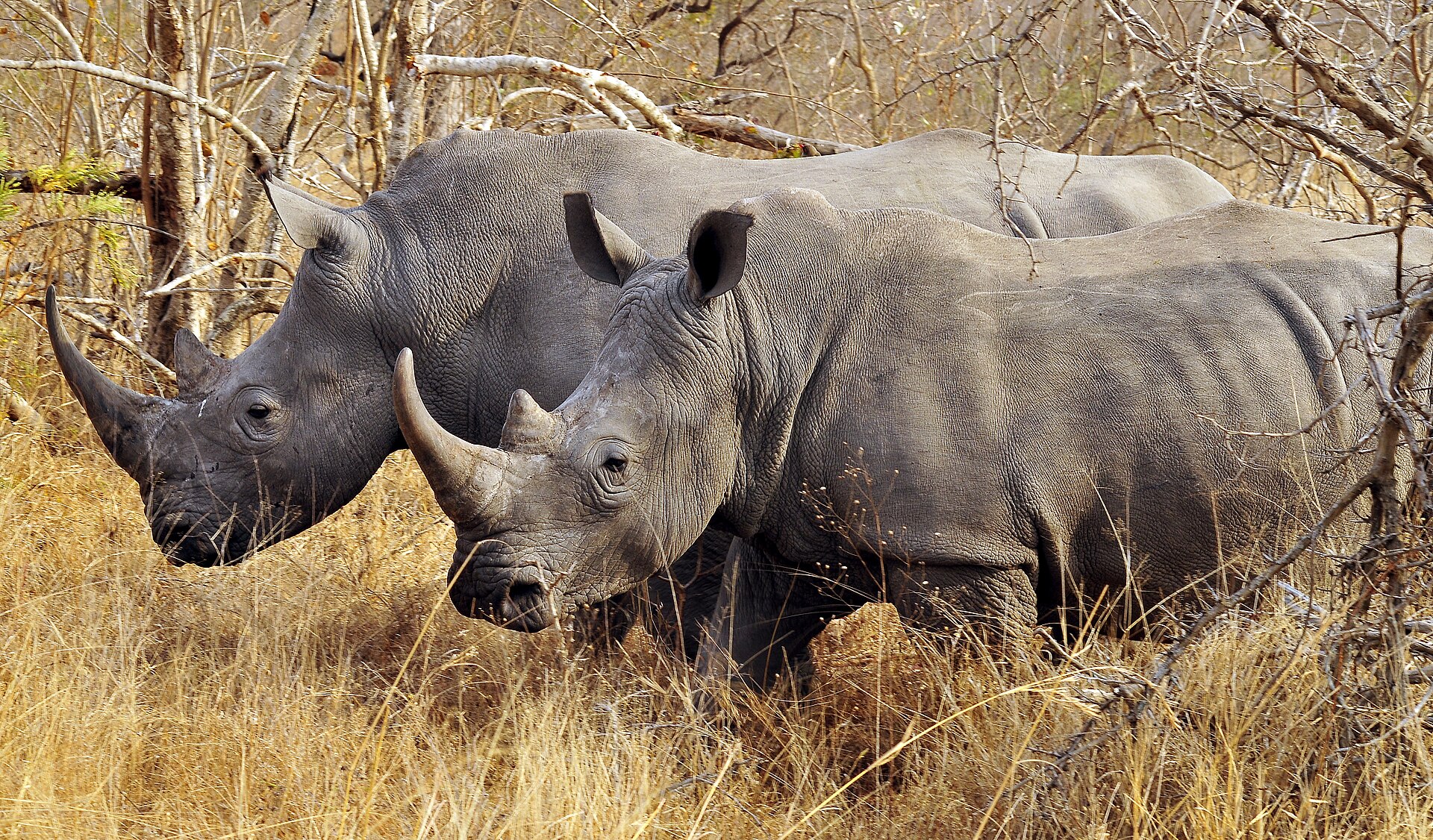
Giraffe and White Rhino Blood Samples Differed in 28 Metabolites
Blood samples from southern giraffes and white rhinoceroses differed in 28 metabolites across repeated statistical checks. Branched-chain amino…
Read story →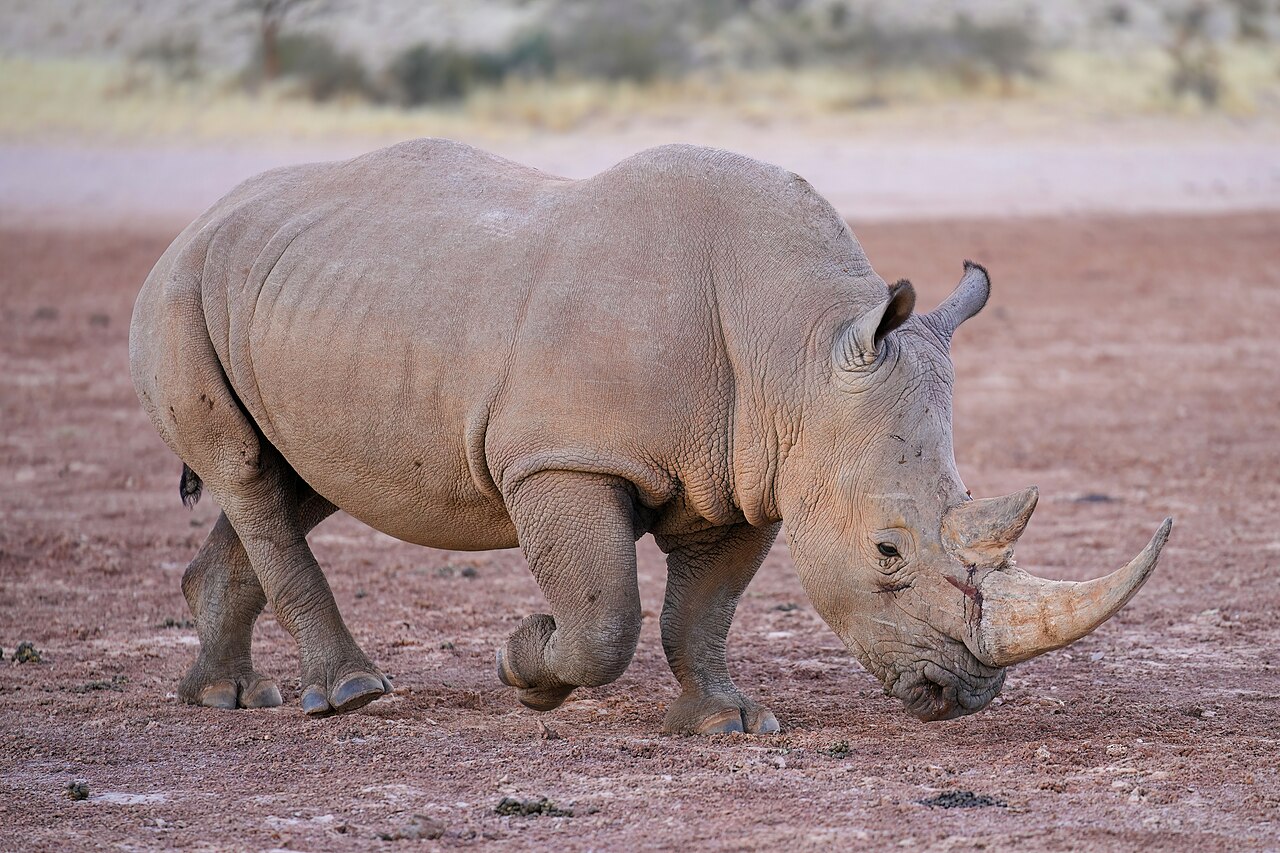
Vitamin D3 Was About Twice as High in Summer in Managed Black and White Rhinoceroses
Serum from 75 rhinoceroses at 27 U.S. institutions showed strong seasonal and geographical variation in 25-hydroxyvitamin D3, while…
Read story →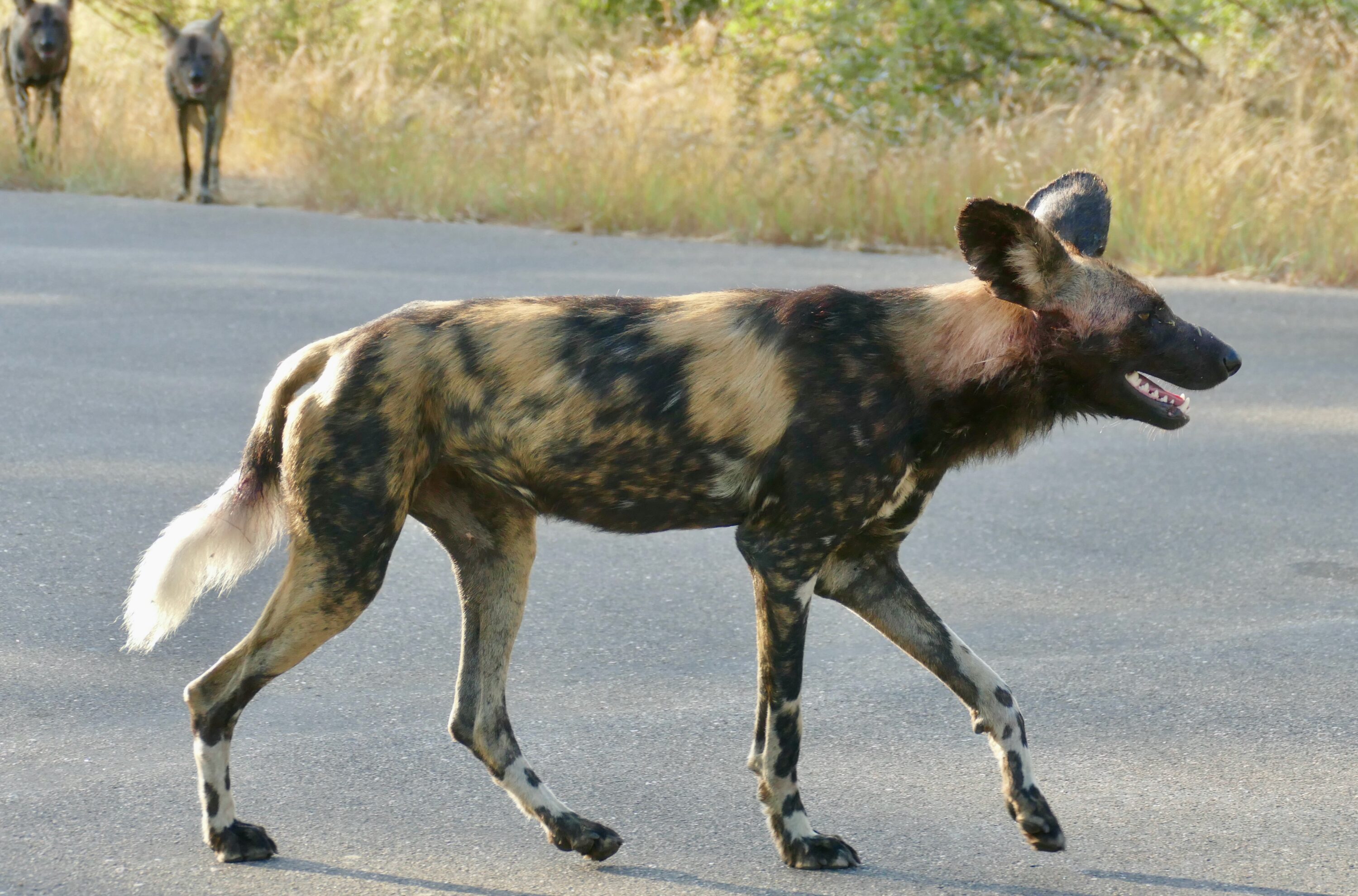
Food Leaves Its Mark on the Gut Bacteria of Kruger’s Wildlife
Gut bacteria in nine mammal species from Kruger National Park followed clear patterns linked to food and digestion.…
Read story →SPECIES IN THIS STORY
Species in this story
Independent research and conservation news archive
Did you find this information useful?
Wildlife Vagabond is independently built and maintained. Voluntary support helps cover source verification, hosting and continued work on research and conservation news.
Support Wildlife VagabondThe news archive will remain freely available.