
1929 Tamil Nadu Specimen Designated Neotype for Black Drongo
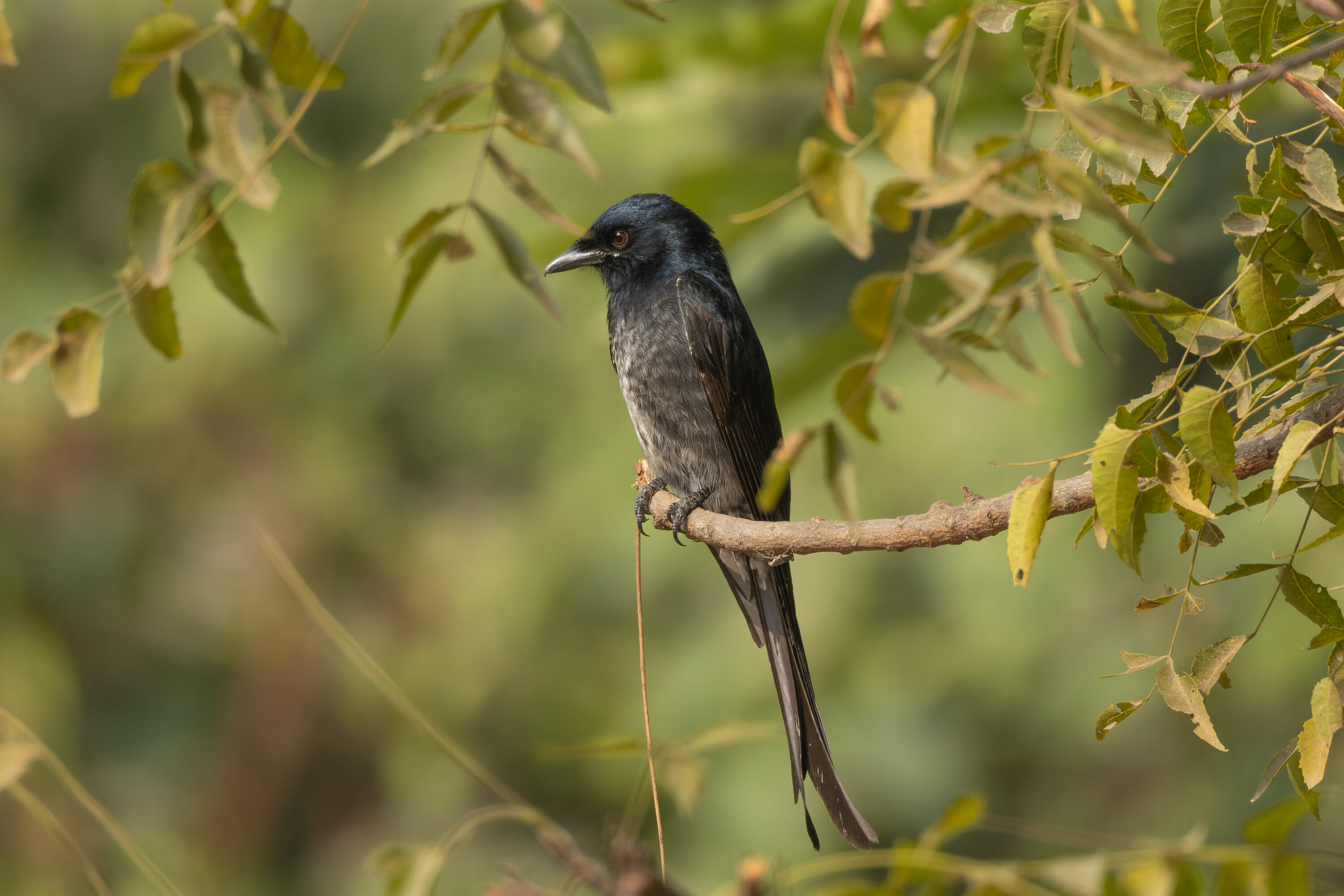
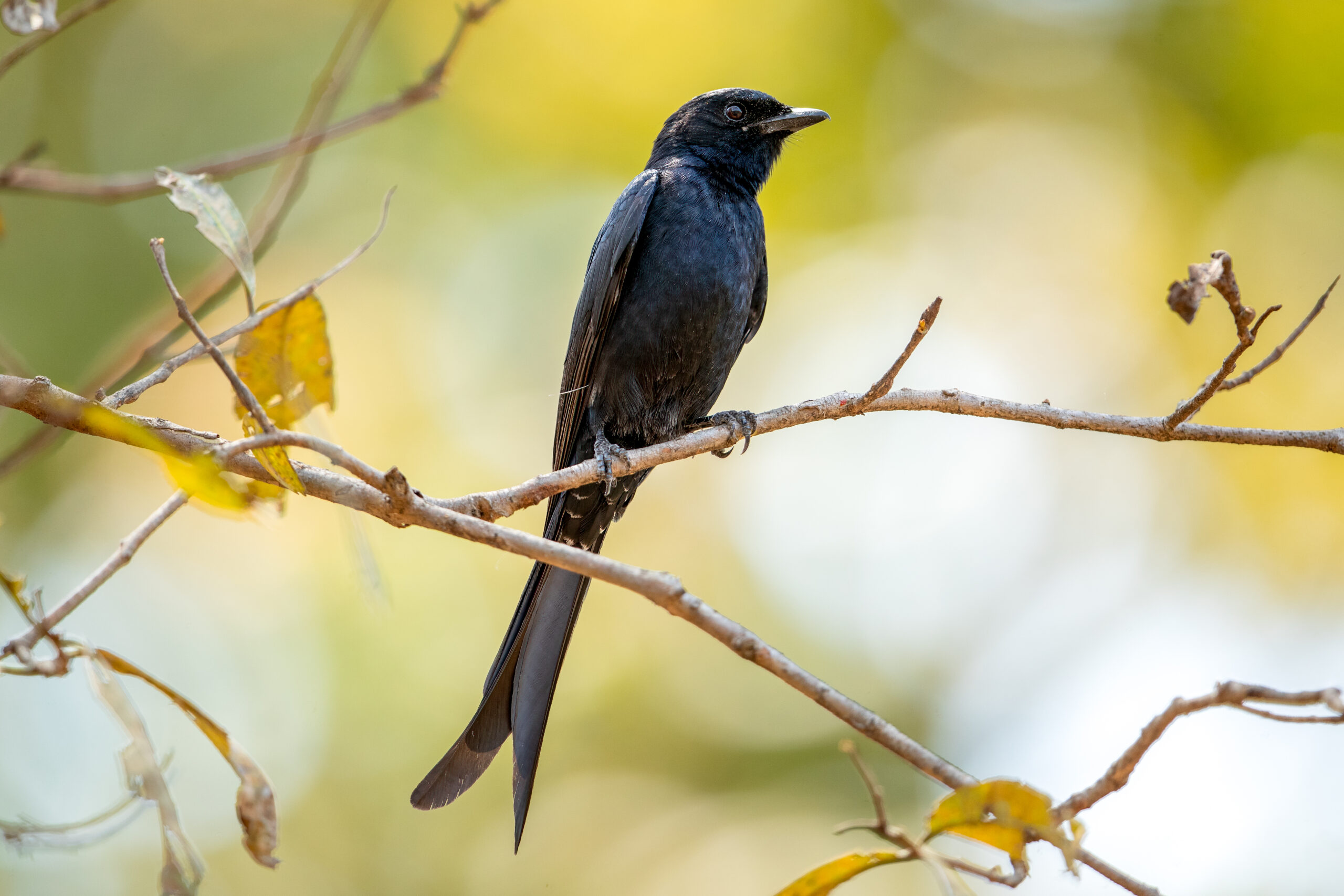
A taxonomic study published on 5 March 2026 designated a museum specimen collected in Tamil Nadu, India in 1929 as the neotype of black drongo (Dicrurus macrocercus). The designation fixes the scientific name to the taxonomic concept that ornithologists currently understand as black drongo.
The name Dicrurus macrocercus was introduced by Louis Jean Pierre Vieillot in 1817, based on François Levaillant’s earlier description and illustration of a bird called “Le Drongolon”. The authors could not locate surviving original type material directly linked to Levaillant in the collections they investigated.
A specimen from Kambam Valley now anchors the name
Hein van Grouw and Jiří Mlíkovský therefore designated specimen NHMUK 1949.Whi.1.2295 in the Natural History Museum, Tring, as the neotype. It is an adult male collected by Vivian Stanley La Personne in Kambam Valley, Theni district, Tamil Nadu, on 11 December 1929.
The specimen has a wing length of 139 mm, a tail length of 154 mm and a tail fork of 59 mm. The authors state that assigning a neotype was necessary to remove historical uncertainty over which drongo the name macrocercus should apply to.
The same specimen also fixes an older synonym
The paper also discusses Dicrurus indicus Stephens, 1826, another name based on Levaillant’s “Le Drongolon”. The same museum specimen was designated as neotype for that name as well, keeping both names tied to the established taxonomic concept and preserving nomenclatural stability.
A neotype does not create a new species or change the biology of black drongo. It provides a physical reference specimen for a scientific name when the original name-bearing material is lost or cannot be identified. In this case, the 2026 designation gives Dicrurus macrocercus an unambiguous museum reference after more than two centuries of taxonomic history.
Evolution & taxonomy
Related news
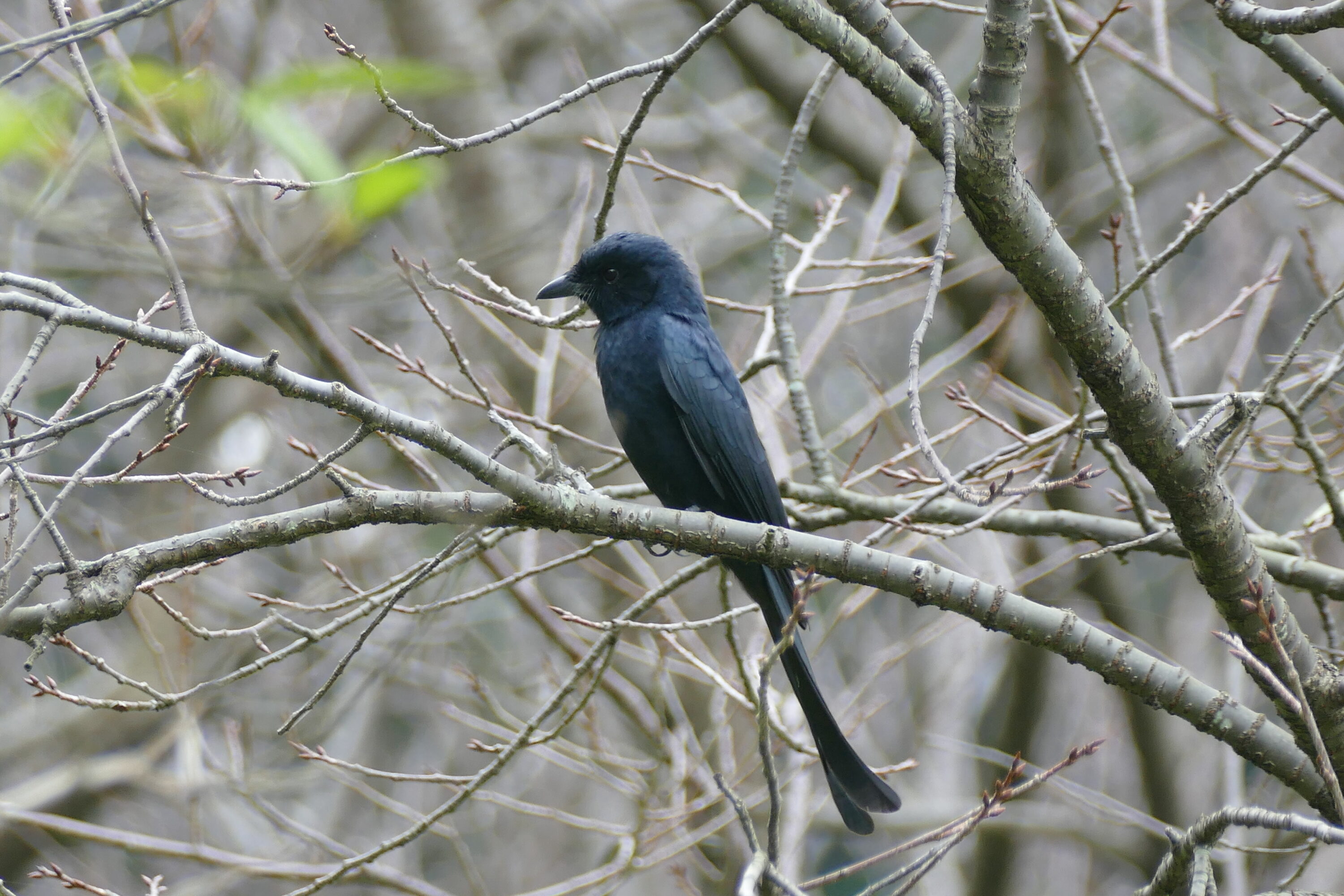
114,357 ha of Taiwan Farmland Was Modelled as Suitable for Four Bird Species
Suitable habitat for black drongo, common moorhen, zitting cisticola and scaly-breasted munia overlapped across 114,357 hectares of Taiwan…
Read story →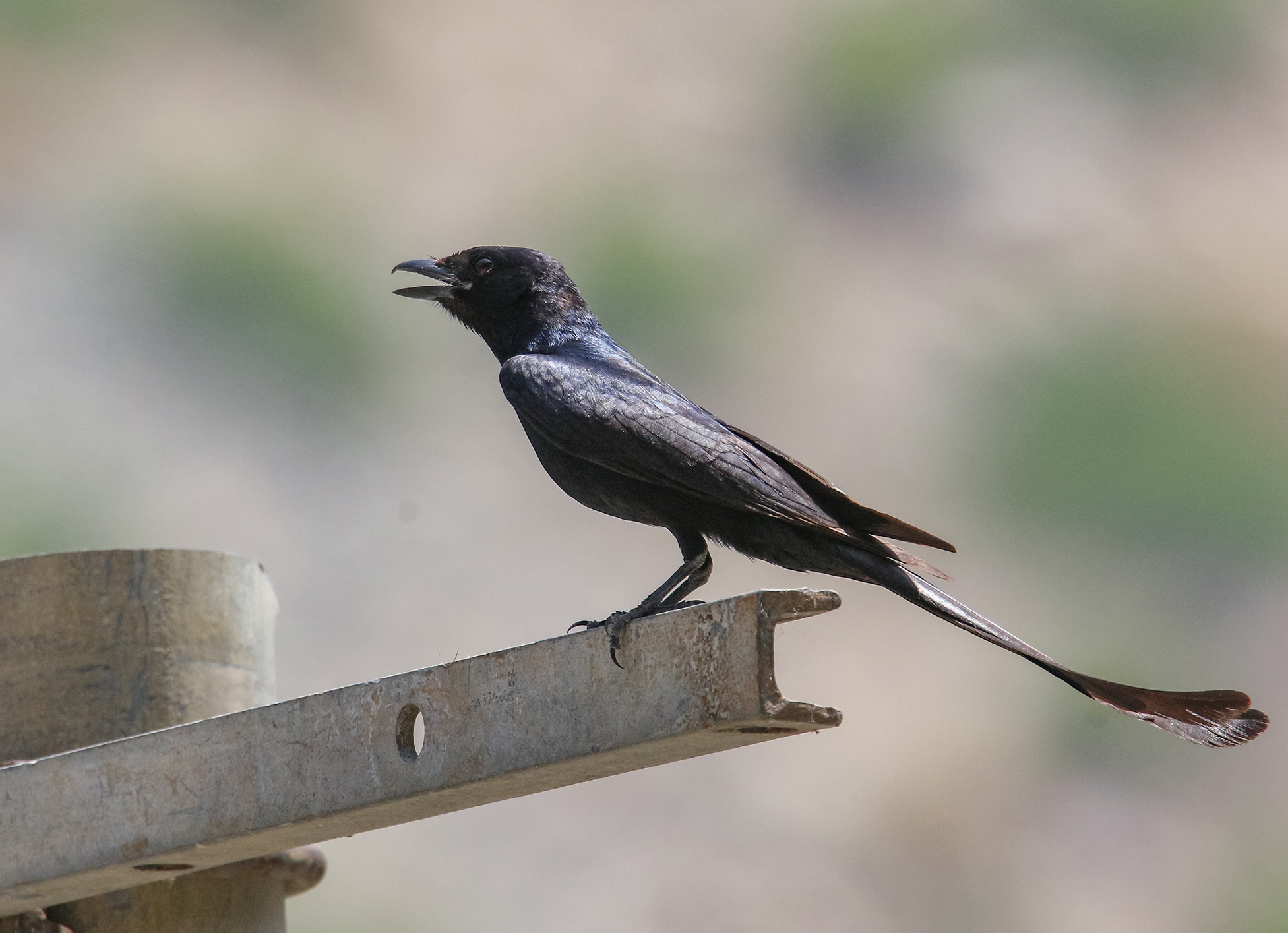
Seven Examined Black Drongo Nests Averaged 4.97 m High, Versus 4.50 m for Seven Long-tailed Shrike Nests
Seven examined Black Drongo nests averaged 4.97 m above ground versus 4.50 m for seven Long-tailed Shrike nests…
Read story →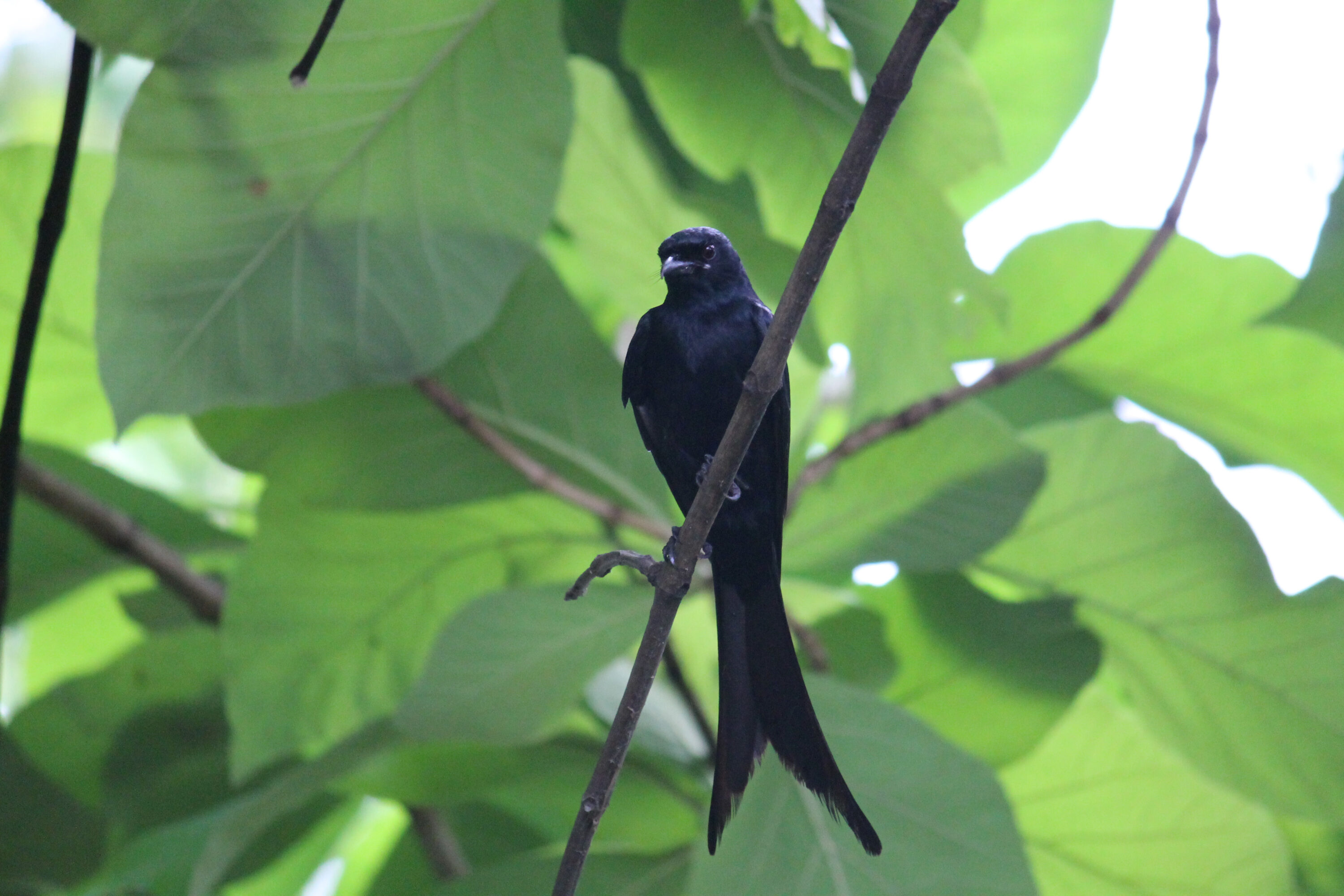
Black Drongo Index Showed Clear Long-term Increase in India, While Recent Trend Was Unclear
The 2025 State of India’s Birds update estimated a +48.5% long-term trend for black drongo in India, clearly…
Read story →SPECIES IN THIS STORY
Species in this story
Independent research and conservation news archive
Did you find this information useful?
Wildlife Vagabond is independently built and maintained. Voluntary support helps cover source verification, hosting and continued work on research and conservation news.
Support Wildlife VagabondThe news archive will remain freely available.