
22 of 24 Annual-Cycle Measures Were Repeatable in GPS-Tracked Eurasian Curlews
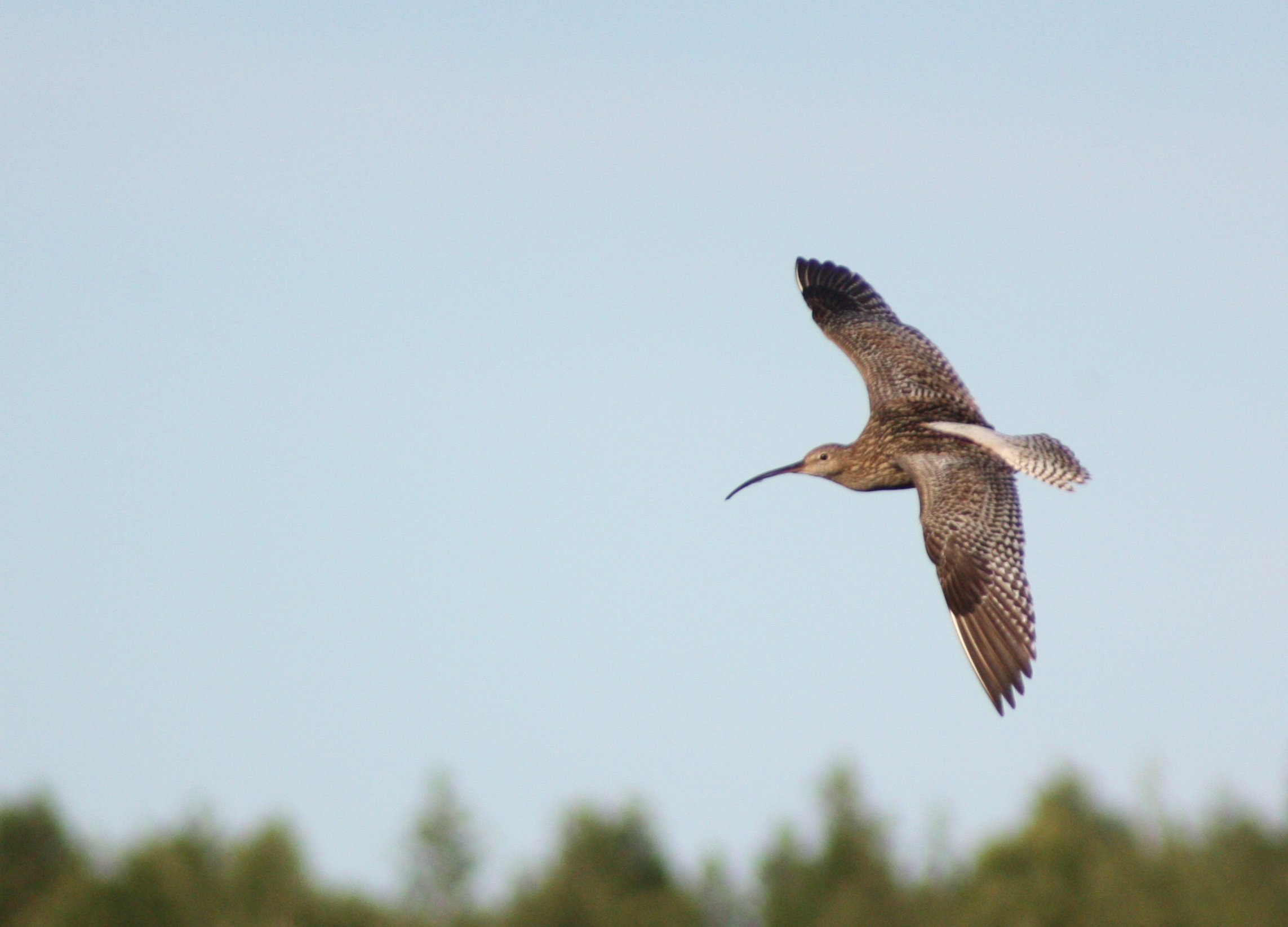
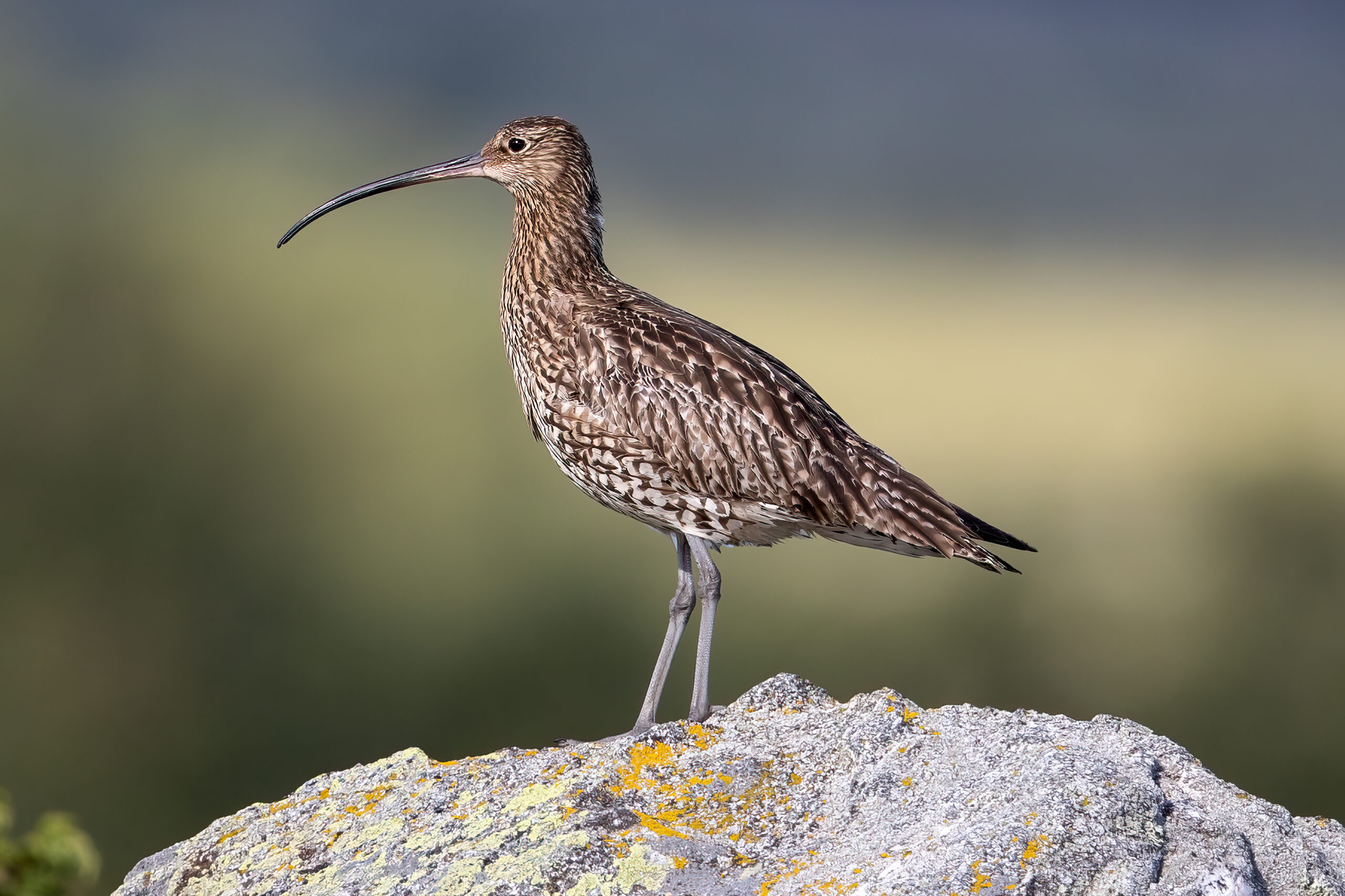
A long-term GPS study found that individual Eurasian curlews (Numenius arquata) repeated much of their annual routine from year to year. The full dataset contained 94 adults tracked between 2014 and 2021, with some individuals followed for as many as seven consecutive years. Researchers analysed 24 spatial and temporal measures across breeding, wintering and migration. Twenty-two showed significant repeatability.
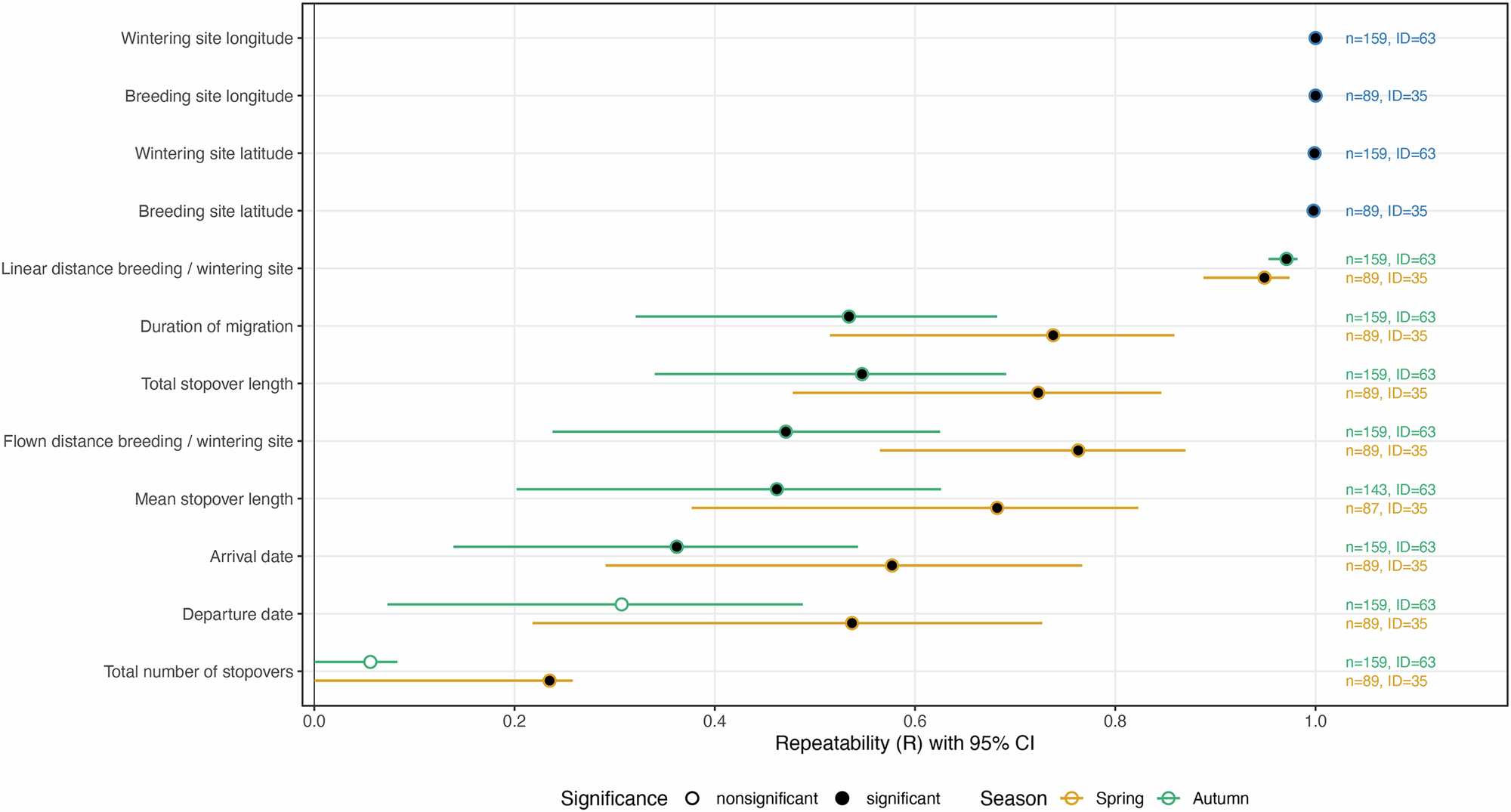
Repeatability asks whether the same individual retains its own characteristic timing or spatial pattern across years relative to the differences among birds. A value close to 1 therefore indicates a strong and stable individual pattern, not that a bird follows exactly the same path or date every year. The number of birds differed among analyses because each measure required at least two repetitions of the relevant annual-cycle stage: 94 birds contributed repeated wintering periods, 93 repeated breeding periods, 40 at least two complete spring migrations and 67 at least two complete autumn migrations.
Breeding and wintering sites showed the strongest fidelity
The strongest repeatability occurred in the locations of breeding and wintering sites, with values close to 1. The straight-line distance between an individual’s breeding and wintering sites was also highly repeatable, whereas the distance actually flown varied more. Migration routes were not identical between years, but consecutive routes from the same bird were substantially more similar to one another than routes from different birds in the same spatial group.
Spring migration was more repeatable than autumn migration
Spring migration was generally more consistent than autumn migration. Migration duration had a repeatability of about 0.6 in spring and 0.4 in autumn. The two measures without statistically supported repeatability were the date birds left the breeding area in autumn and the number of stopovers during autumn migration.
The authors suggest that variable breeding success may help explain the flexible autumn departure date: birds that fail to breed can leave earlier than birds that complete a breeding attempt. This interpretation is biologically plausible and supported by previous curlew work, but the repeatability analysis itself did not experimentally test the cause.
The broad pattern suggests strong annual routines and comparatively limited short-term flexibility. The authors caution, however, that high repeatability is not the same as proof that curlews cannot adapt. The study does not establish how individuals or future generations might respond to stronger or longer-lasting environmental change.
Ecology
Related news
Six Migratory Shorebirds Were Linked to Habitat Complexes Beyond Tidal Flats
Across the East Asian–Australasian Flyway, six shorebirds were associated not only with tidal flats but also with nearby…
Read story →
Irish and British Curlews Showed Little Genetic Separation but Both Differed From Swedish Birds
Whole-genome data from 56 Eurasian curlews found little differentiation between Irish and British birds but clear separation from…
Read story →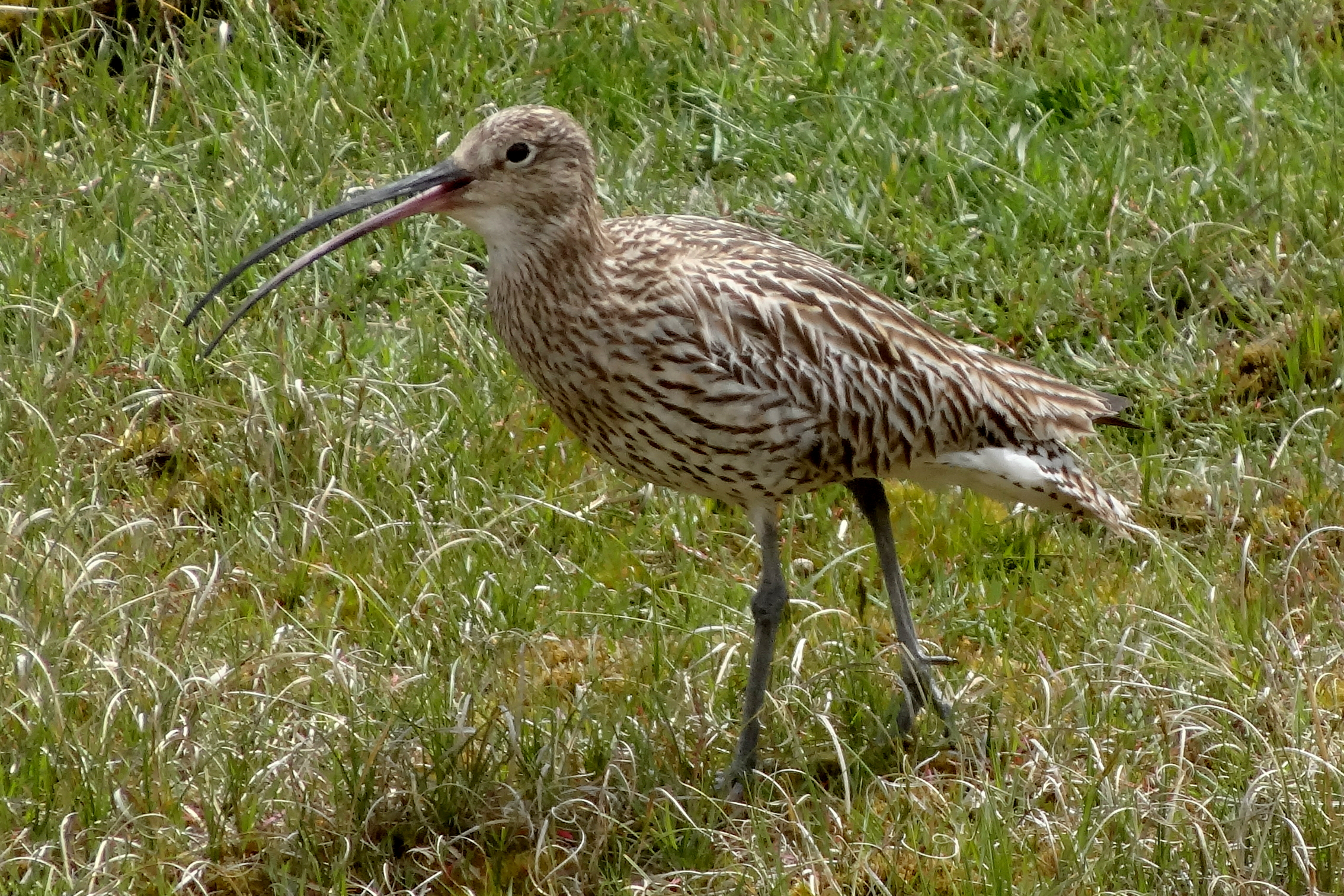
Eurasian Curlews Used Larger Areas and More Mudflats Early in the Wintering Season
GPS tracking of 62 Eurasian curlews in France and the German Wadden Sea found larger home ranges, greater…
Read story →SPECIES IN THIS STORY
Species in this story
Independent research and conservation news archive
Did you find this information useful?
Wildlife Vagabond is independently built and maintained. Voluntary support helps cover source verification, hosting and continued work on research and conservation news.
Support Wildlife VagabondThe news archive will remain freely available.