
Semi-urban Vervet Monkeys Ate a Wider Range of Foods Than Field Observations Revealed
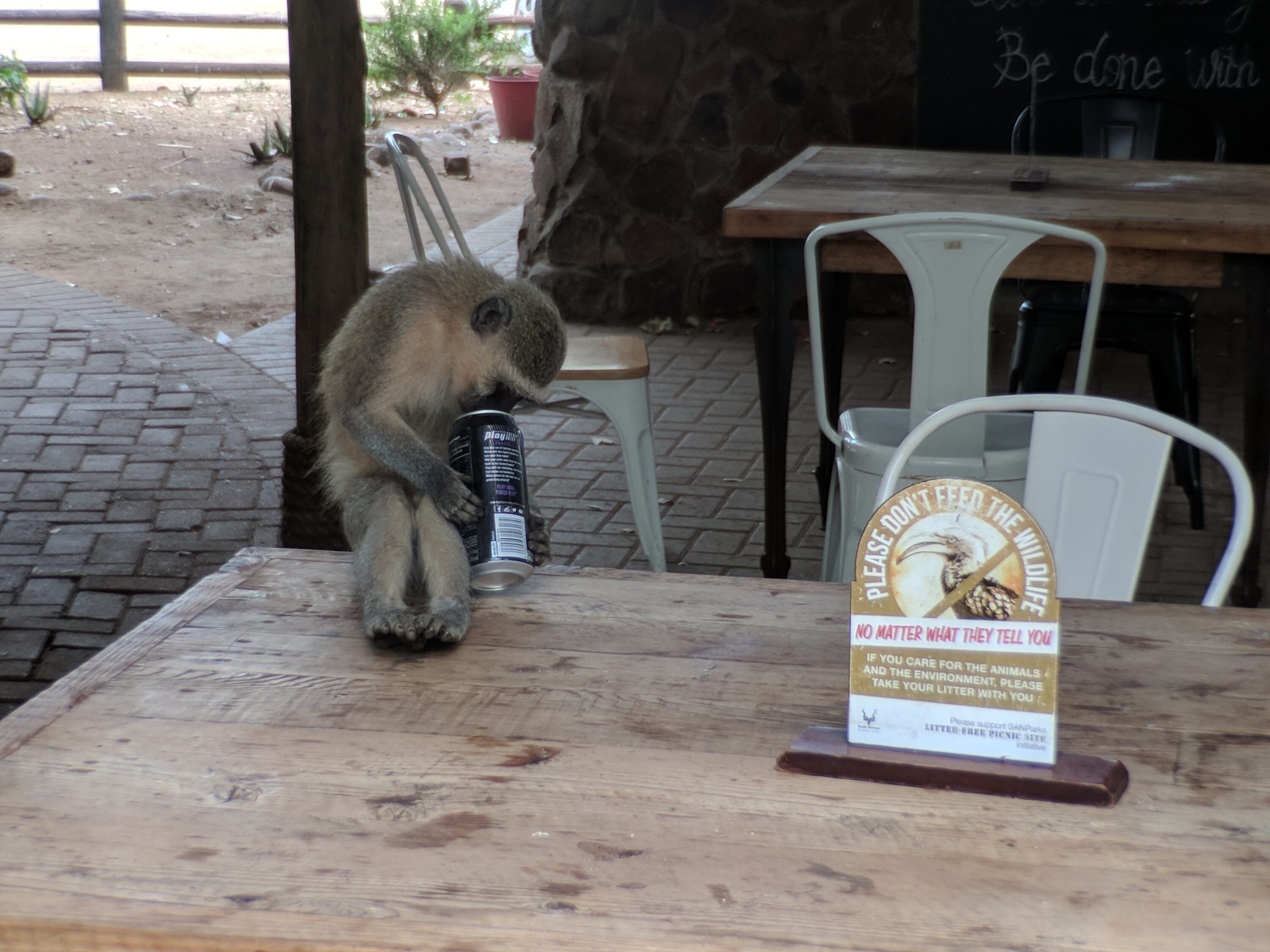
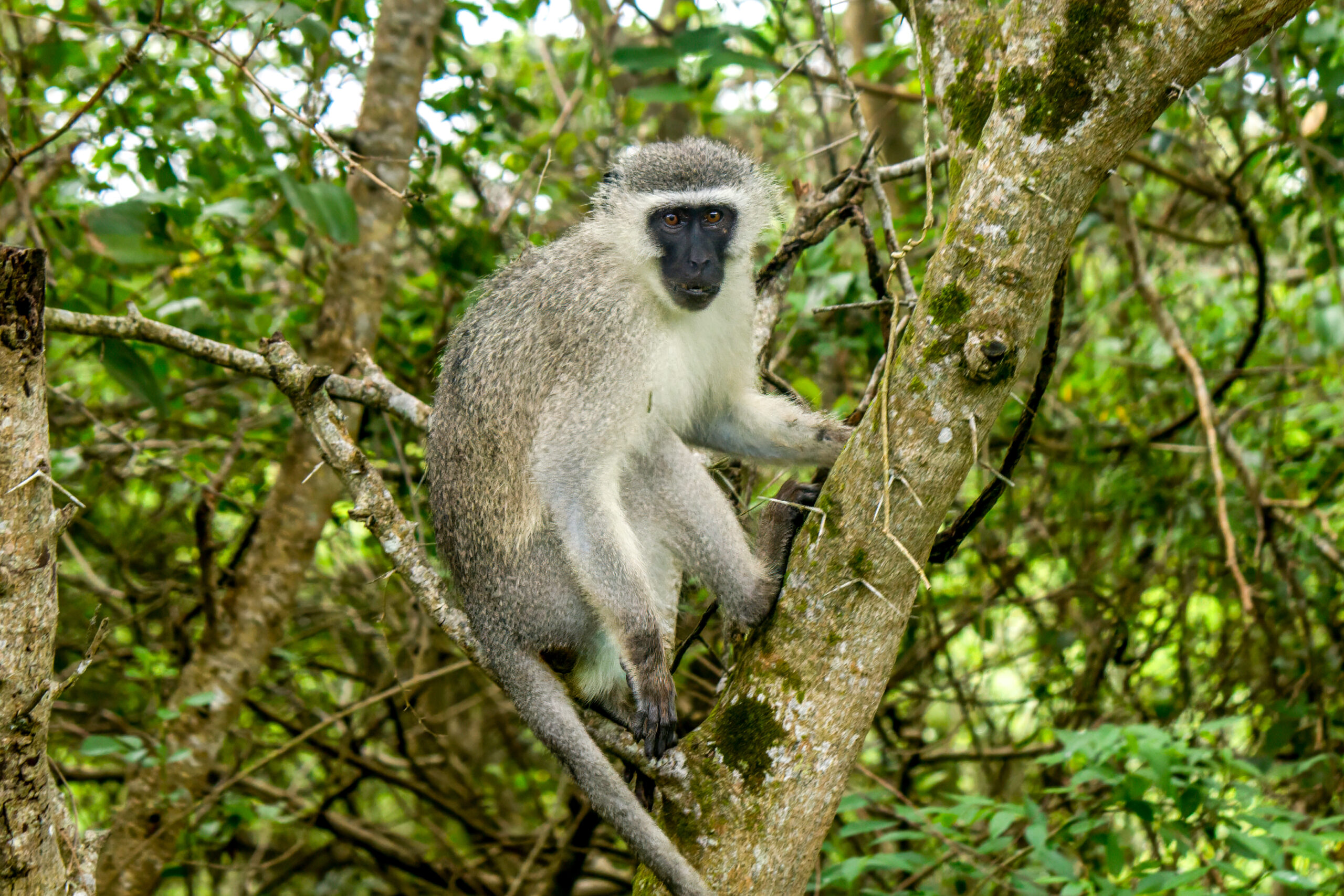
Semi-urban vervet monkeys (Chlorocebus pygerythrus) in KwaZulu-Natal, South Africa ate a wider range of foods than researchers could identify through field observations alone. DNA metabarcoding of 447 faecal samples from 43 individually known monkeys detected 144 plant taxa and 12 vertebrate taxa during four months in 2023.
The study followed two neighbouring groups, Acacia and Savanna, at Simbithi Eco-Estate in Ballito. DNA metabarcoding reads short DNA marker sequences from the mixture in a faecal sample and compares them with reference sequences. This can reveal consumed taxa that are difficult to see or identify while watching the animals feed.
DNA revealed much more dietary diversity
Field observers identified 28 natural plant species during focal observations, while the faecal DNA represented 144 plant taxa. The two methods broadly agreed on the main dietary components they had in common, but the DNA data captured a much wider range of consumed plants.
Vertebrate DNA was found in 34 of the 447 samples and represented 12 taxa. Chicken was the most frequently detected identified vertebrate. Cattle and sheep also indicated use of human-derived foods, while DNA from wild birds, a lizard and common duiker was detected as well. These findings show that material from those animals was consumed, but not how the monkeys obtained it.
Human food was difficult to quantify precisely
Direct observations attributed 4.5% of recorded feeding time to human food. In the faecal data, at least 2.3% of relative DNA reads were confidently assigned to anthropogenic food, while another 12.2% came from taxa that could have either natural or human origins. The molecular figure is therefore a minimum rather than a complete estimate of human-food use.
The two approaches also measure different things: field observations record feeding time, whereas metabarcoding reflects relative DNA read abundance. Highly processed foods can additionally leave degraded or difficult-to-identify DNA. The authors therefore treat the methods as complementary rather than interchangeable.
Neighbouring groups and individuals differed in diet
The Savanna group had a higher proportion of identifiable human food in the faecal data than the Acacia group. This contrasted with the direct observations, in which recorded human-food feeding time came mainly from Acacia. The authors caution that unequal sampling and differences in food availability between the groups’ ranges could also contribute to the contrast in the molecular data.
Samples from the same individual were more similar to one another than to samples from other group members, pointing to consistent individual differences in foraging. Mother–infant pairs showed a more complicated pattern: they were more similar than other group members in Acacia but not in Savanna. The authors therefore do not treat the result as simple evidence that mothers transmit fixed food preferences to their young.
For the researchers, the main advantage of DNA metabarcoding is that it complements behavioural observation. Observations show how and where food is obtained, while faecal DNA can reveal dietary items that are easily missed. Together, the two approaches gave a fuller picture of how vervet monkeys use both natural and human-derived foods in a semi-urban landscape.
Ecology
Related news
Only dominant vervet monkeys tackled the hardest food puzzle
In a field experiment with wild vervet monkeys, monkeys of different ranks used easier food puzzles, but only…
Read story →
Wild Vervet Monkeys Used Vision in 96.8% of Food Evaluations
In 18,868 food-evaluation observations from 44 wild vervet monkeys in South Africa, vision was used in 96.8% of…
Read story →
More Foraging Around Buildings and Bins Was Not Linked to Greater Flexibility in Vervet Monkeys
A study of 42 semi-urban vervet monkeys found that more experience foraging around buildings and bins did not…
Read story →SPECIES IN THIS STORY
Species in this story
Independent research and conservation news archive
Did you find this information useful?
Wildlife Vagabond is independently built and maintained. Voluntary support helps cover source verification, hosting and continued work on research and conservation news.
Support Wildlife VagabondThe news archive will remain freely available.