
Social Connectedness Was Linked to Survival After a Vervet Troop Was Released in Malawi
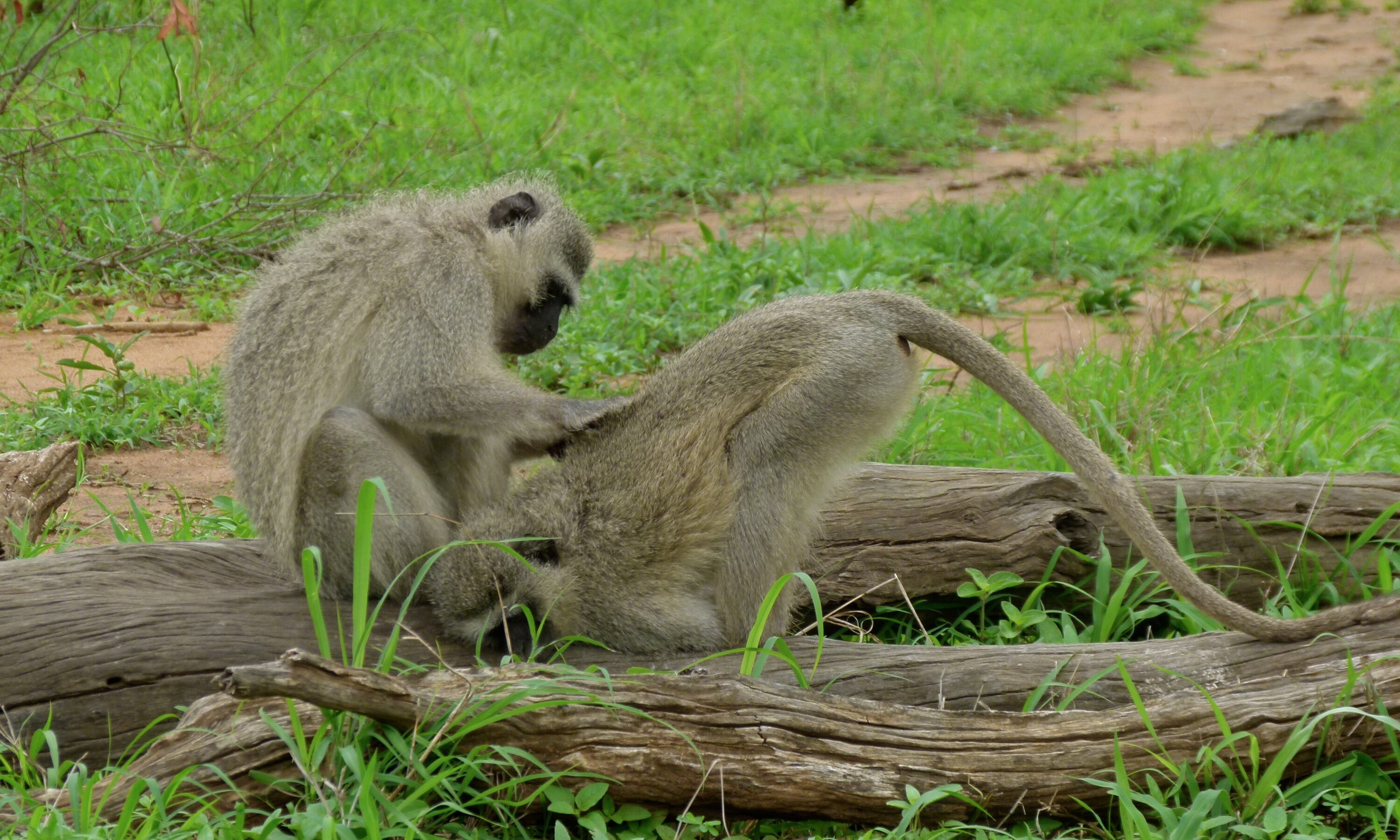
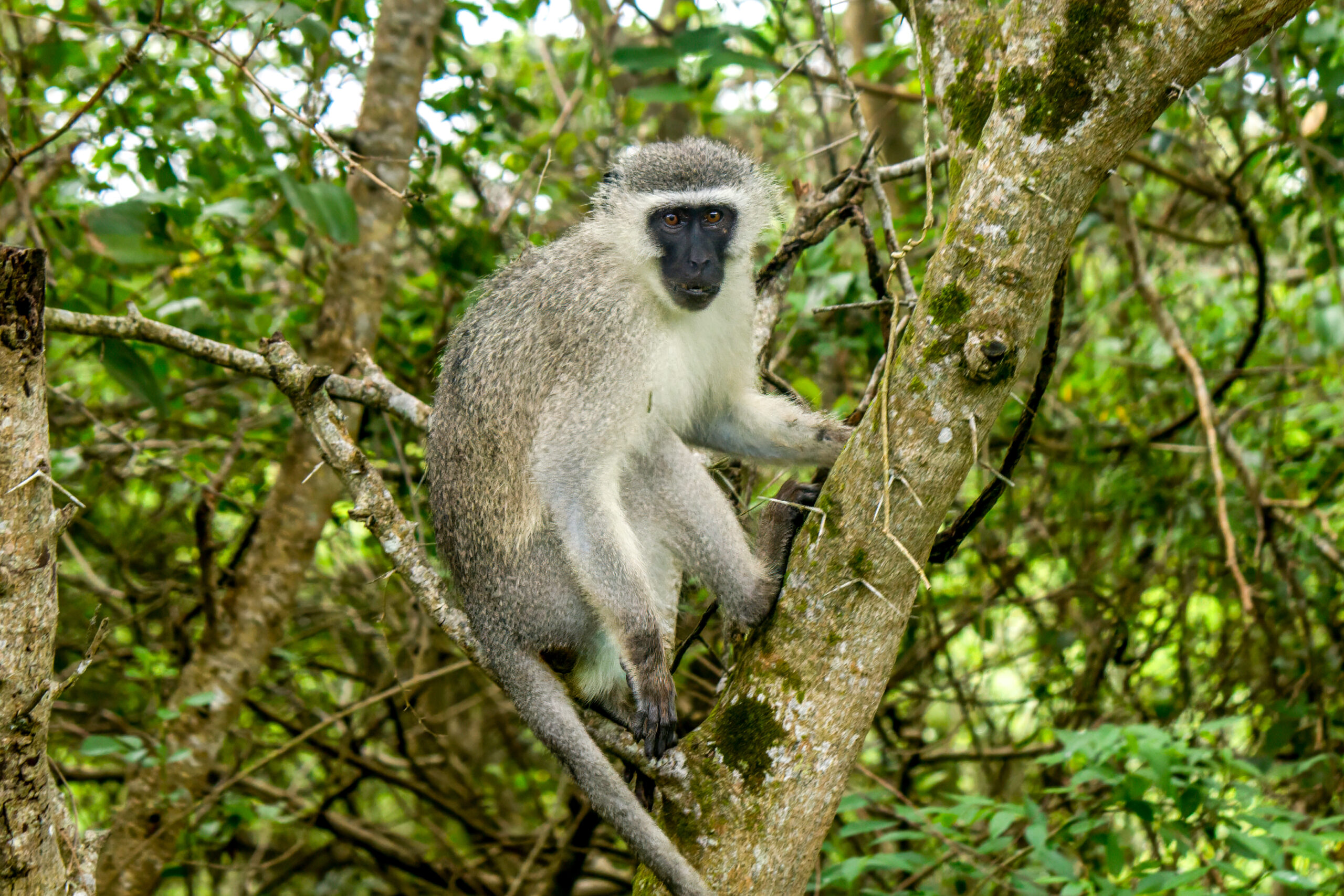
An analysis published in 2026 found that social connectedness was one of the clearest factors associated with survival after a rehabilitated troop of vervet monkeys (Chlorocebus pygerythrus rufoviridis) was released into Kasungu National Park in Malawi.
The troop had been rescued and rehabilitated by Lilongwe Wildlife Trust before its release in 2016. Twenty-two vervets were released in the original troop. Researchers followed the animals before and after release, combining behavioural observations, survival analysis and social-network methods to examine which characteristics were linked to surviving the transition back to free-ranging life. In the social-network analysis, repeated observations of which monkeys stayed near one another were used to map how strongly each individual was connected to the rest of the troop.
Survival estimates depended on how disappearances were interpreted
Survival depended partly on how disappearances were interpreted. Nine months after release, seven members of the original troop were still known to be alive, while two wild males had also joined the group. If every missing released monkey was counted as dead, survival among the released animals was 32%. Because males of dispersal age may naturally leave a troop, the researchers also calculated an estimate in which those disappearances were treated as emigration; under that assumption, estimated survival was 45%. Confirmed mortality was 18%.
Social relationships stood out in the analyses. Here, social connectedness describes how strongly an individual was linked to other troop members through proximity and social relationships. Individuals with stronger post-release connections were more likely to survive. When several factors were considered together, juveniles also had better survival prospects, while sex, dominance rank and the measured frequency of antipredator behaviour were less informative.
Antipredator behaviour decreased after release
Several behavioural changes after release were unexpected. Antipredator behaviour decreased significantly rather than increasing, despite the animals moving into an environment with wild predators. Overall behavioural diversity also declined. Here, behavioural diversity describes how broad the observed repertoire was and how evenly time was distributed among different behaviours. The researchers link much of the decline to a sharp increase in locomotion after release and note that their ethogram—the predefined list of behaviours used to code observations—may not have captured all meaningful variation.
The release was not free of substantial losses. Survival probability fell strongly during the nine-month monitoring period, and the authors describe post-release mortality as comparable with previous published vervet rehabilitation-and-release projects. They therefore emphasise that releasing a socially cohesive troop does not by itself remove the risks associated with returning rehabilitated primates to the wild.
Based on the observed behaviour, the researchers recommend strengthening preparation for life above ground before release. Raised feeding platforms during rehabilitation could encourage greater use of higher forest levels, while predator-awareness training may also deserve further testing. They also argue for long-term monitoring after release so that disappearances, deaths, social changes and adaptation can be evaluated rather than judging a release only from the first days or weeks.
The study is based on a single release operation from 2016, but its publication provides unusually detailed post-release data for a type of primate conservation intervention that is still poorly documented in the scientific literature.
Reintroductions & translocations
Related news
Only dominant vervet monkeys tackled the hardest food puzzle
In a field experiment with wild vervet monkeys, monkeys of different ranks used easier food puzzles, but only…
Read story →
Wild Vervet Monkeys Used Vision in 96.8% of Food Evaluations
In 18,868 food-evaluation observations from 44 wild vervet monkeys in South Africa, vision was used in 96.8% of…
Read story →
More Foraging Around Buildings and Bins Was Not Linked to Greater Flexibility in Vervet Monkeys
A study of 42 semi-urban vervet monkeys found that more experience foraging around buildings and bins did not…
Read story →SPECIES IN THIS STORY
Species in this story
Independent research and conservation news archive
Did you find this information useful?
Wildlife Vagabond is independently built and maintained. Voluntary support helps cover source verification, hosting and continued work on research and conservation news.
Support Wildlife VagabondThe news archive will remain freely available.