
Parasites Were Detected in 88% of Vervet Samples, but Overlap With Other Hosts Was Limited
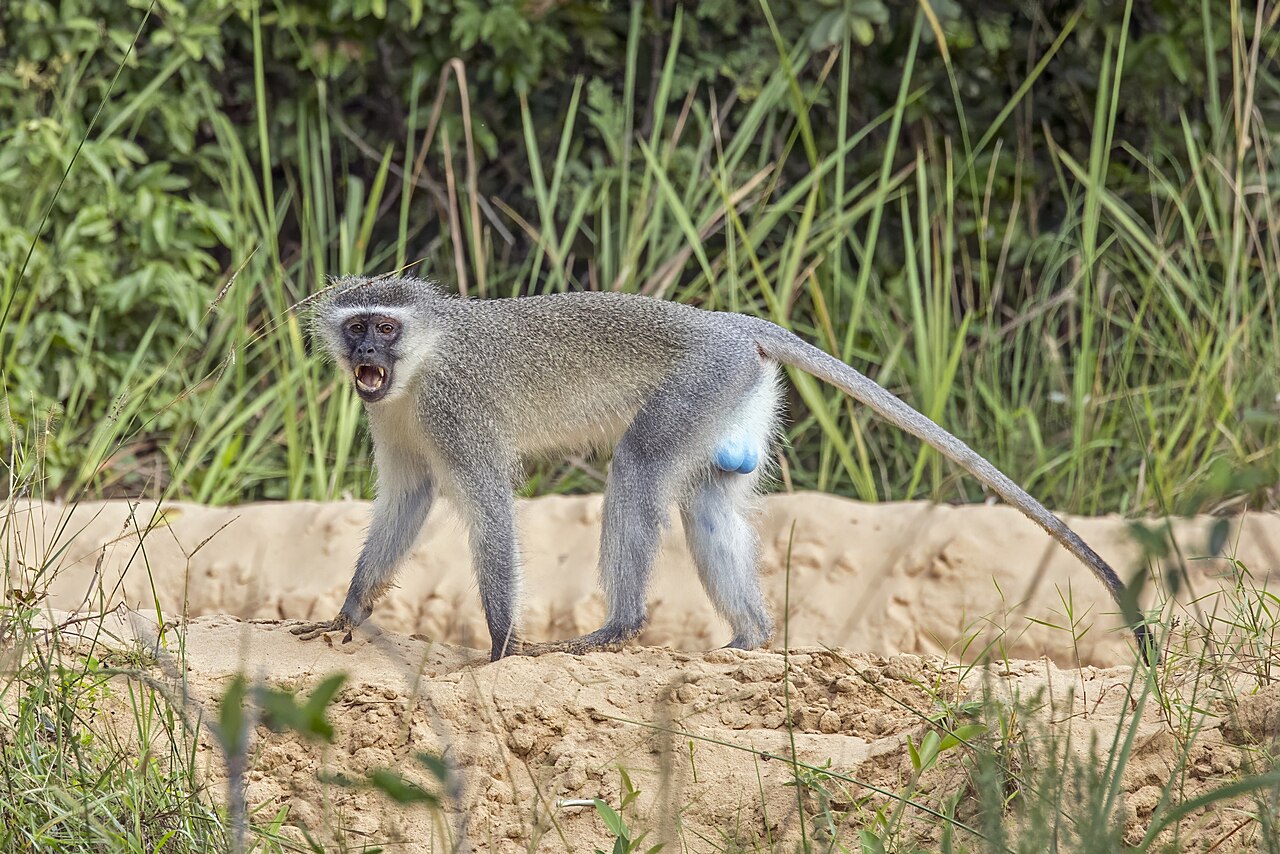
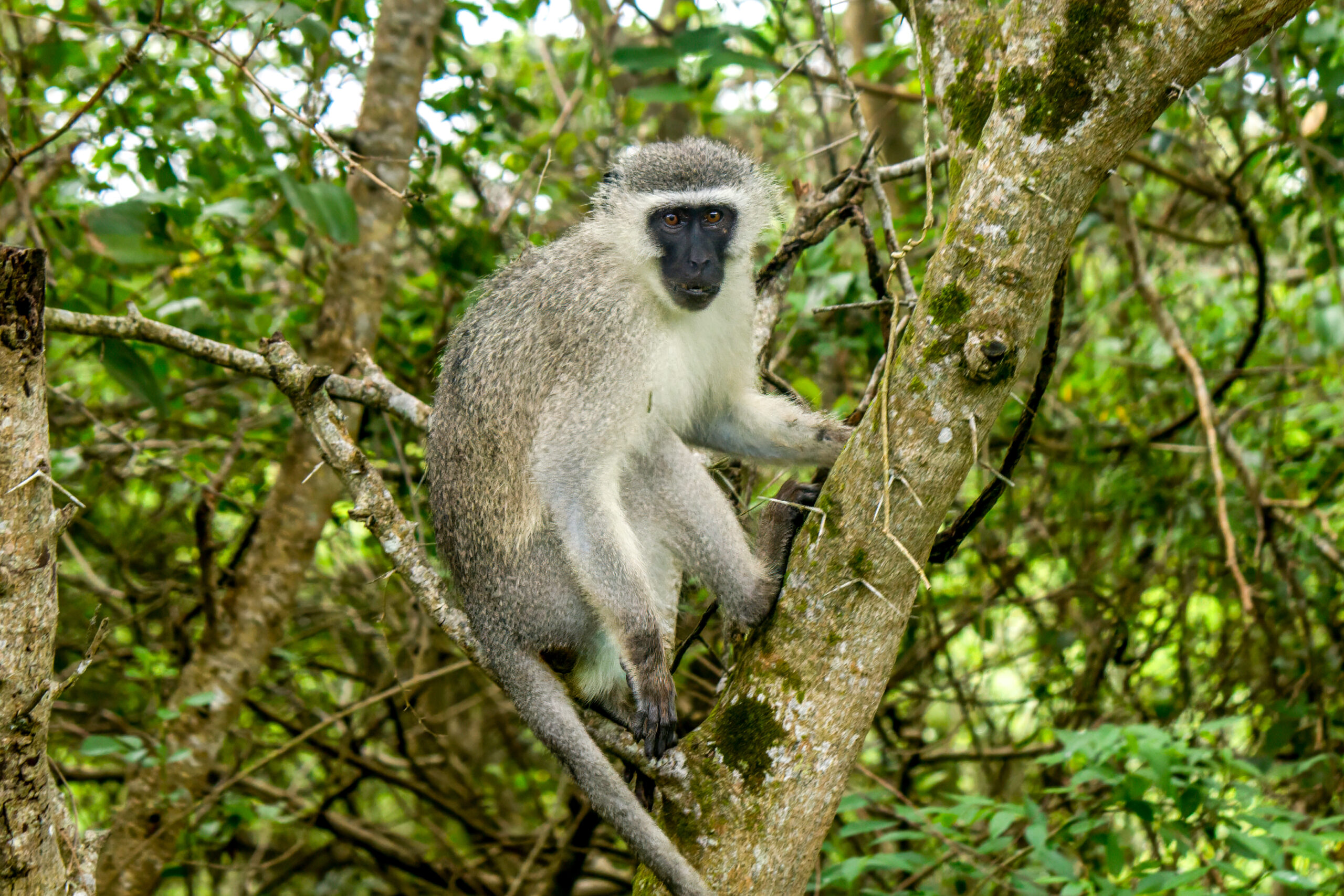
A 2026 study around Lake Nabugabo in Uganda found at least one parasite by microscopy in 88% of faecal samples from vervet monkeys (Chlorocebus pygerythrus), substantially more often than in samples from dogs, livestock or household latrines. This percentage describes microscopy-positive faecal samples, not how sick the monkeys were. Despite the high sample positivity in the monkeys, the researchers found only limited overlap in parasite communities between vervets and the other sample groups.
Researchers collected 75 faecal samples from adult and subadult vervets belonging to three neighbouring groups, together with 25 samples from dogs, 25 from livestock and material from 25 household pit latrines near Bbaale village. They combined microscopy with molecular methods to identify parasitic worms and several groups of single-celled parasites.
Parasites were found in 88% of vervet samples
Across all sample types, 33 parasite taxa were detected. Dogs carried the greatest number of identified taxa, with 18, followed by livestock with 14, while vervet and latrine samples each contained 10. Microscopy nevertheless found at least one parasite in 66 of the 75 vervet samples, corresponding to 88% of samples, compared with 44% of livestock samples, 40% of dog samples and 24% of latrine samples.
Whipworms in the genus Trichuris—intestinal roundworms that shed eggs in faeces—were especially common in vervets. Eggs were detected in 78.7% of vervet samples, compared with 8% of latrine samples and none of the dog or livestock samples. Molecular analyses also identified Strongyloides fuelleborni, a parasitic roundworm associated mainly with primates and known on rare occasions to infect humans, in 27 vervet samples.
Overlap between vervets and other hosts was limited
Most parasite communities remained distinct between host groups, but several organisms or genetic variants occurred in more than one sample type. Giardia intestinalis assemblage A—a genetic group of an intestinal single-celled parasite that can infect several mammal species, including humans—was detected in 16% of dog samples, 12% of household latrine samples and one vervet sample (1.3%). The strongylid nematode Oesophagostomum stephanostomum occurred in vervets, pigs, dogs and latrine samples, and shared genetic variants were found across several of these hosts. Two microsporidian parasites showed the opposite pattern: Enterocytozoon bieneusi occurred only in latrine samples, while Encephalitozoon was detected only in vervets, in 4% of samples.
The authors describe these shared detections as possible signs of cross-species transmission or exposure to the same contaminated environment. The study cannot determine which host infected which, and molecular detection may sometimes reflect parasite DNA passing through the gut rather than an established infection. At the same time, the overall result was one of limited parasite overlap between vervets and the other hosts rather than widespread sharing. For example, the Strongyloides species found in vervets was not detected in the household latrine samples.
Lake Nabugabo is a landscape where people, domestic animals and vervet groups use neighbouring fields, forest patches, wetlands and settlements. The researchers therefore argue that examining wildlife, domestic animals and people together can reveal potential contact points in parasite transmission that would be missed by studying a single host in isolation.
Disease, parasites & microbiology
Related news
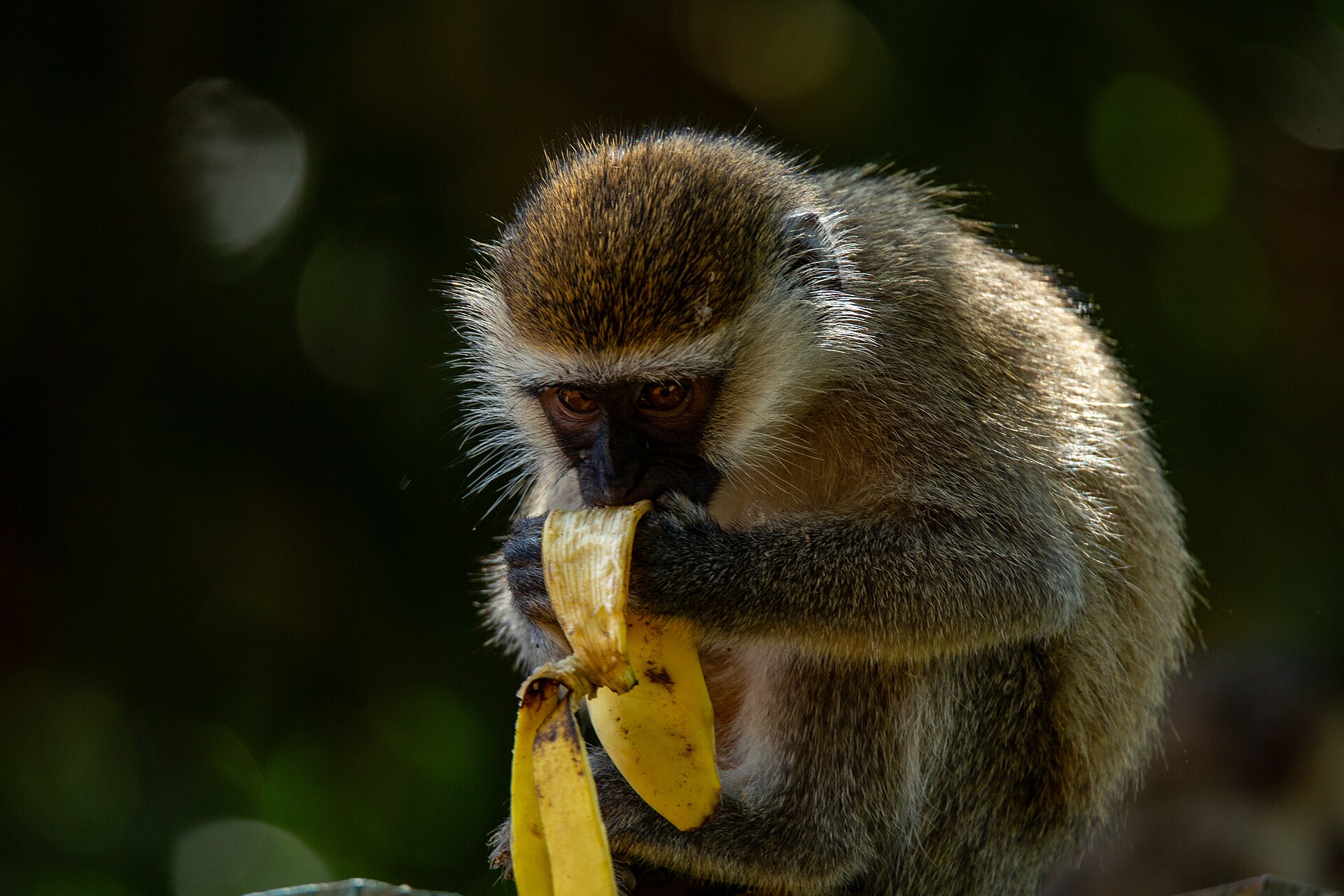
Only dominant vervet monkeys tackled the hardest food puzzle
In a field experiment with wild vervet monkeys, monkeys of different ranks used easier food puzzles, but only…
Read story →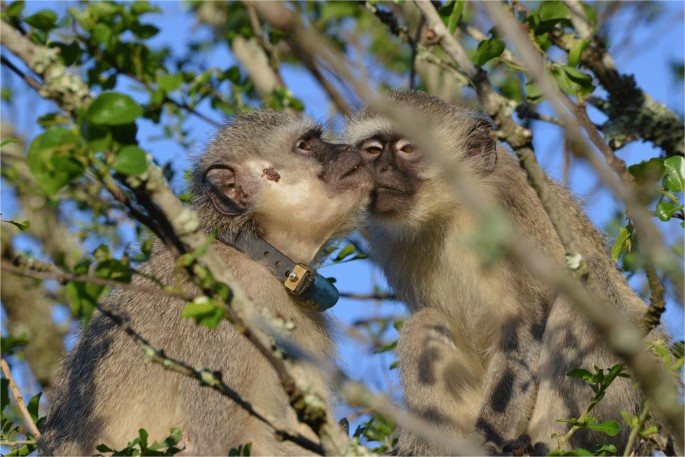
Wild Vervet Monkeys Used Vision in 96.8% of Food Evaluations
In 18,868 food-evaluation observations from 44 wild vervet monkeys in South Africa, vision was used in 96.8% of…
Read story →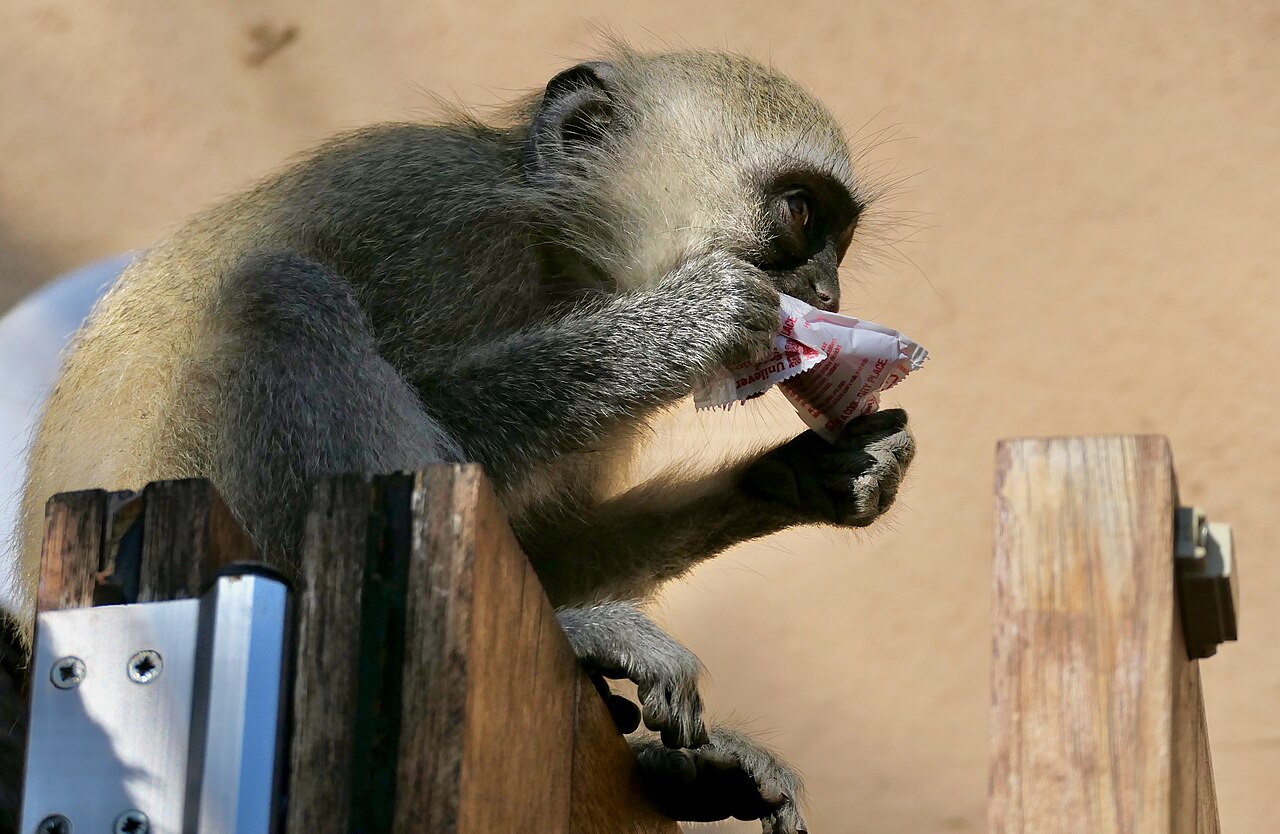
More Foraging Around Buildings and Bins Was Not Linked to Greater Flexibility in Vervet Monkeys
A study of 42 semi-urban vervet monkeys found that more experience foraging around buildings and bins did not…
Read story →SPECIES IN THIS STORY
Species in this story
Independent research and conservation news archive
Did you find this information useful?
Wildlife Vagabond is independently built and maintained. Voluntary support helps cover source verification, hosting and continued work on research and conservation news.
Support Wildlife VagabondThe news archive will remain freely available.