
A multi-drone system kept most zebra body surfaces in view

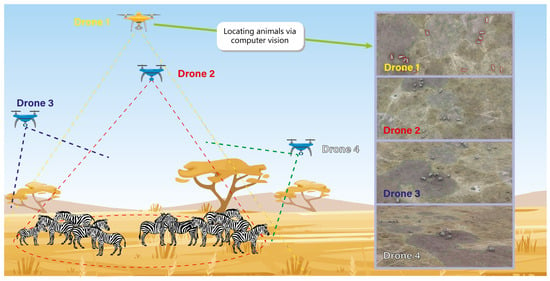
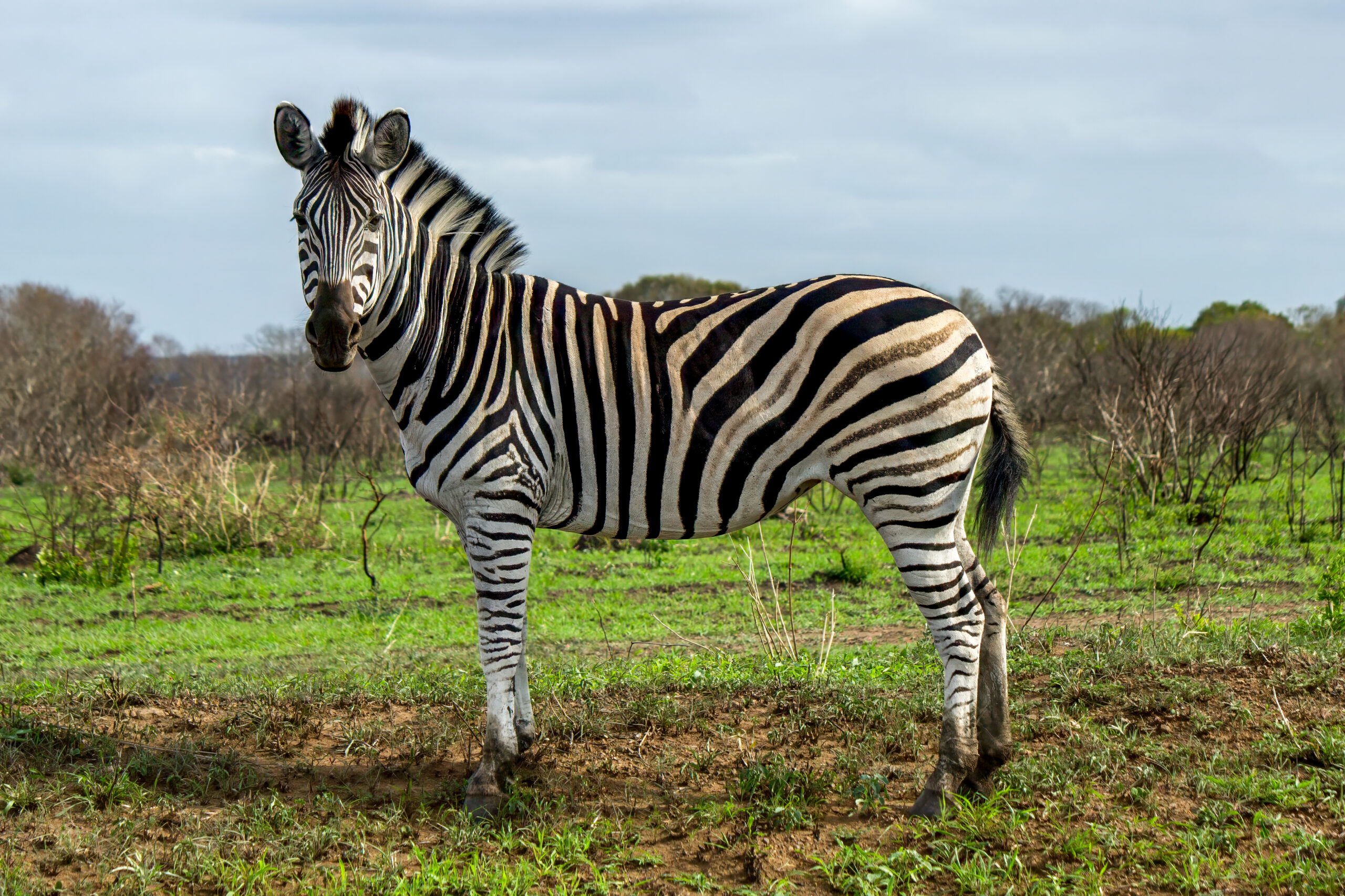
When animals gather, one individual can block the view of another. That makes it harder for researchers to observe particular parts of their bodies from the air. At Ol Pejeta Conservancy in Kenya, researchers tested whether several autonomous drones could work together to keep selected body surfaces of plains zebras (Equus quagga) in view.
The system did more than locate the animals. Its controller used their estimated positions and headings to choose where the drones should fly, balancing camera angle, framing, blocked views, the body surfaces being prioritised and distance from the animals. The researchers used a particle swarm optimisation algorithm to search for useful drone positions—a computational method for comparing possible arrangements and improving them towards a target.
High visibility of backs and flanks in field trials
Across four autonomous field missions, the system repeatedly adjusted its plan as the zebras moved. It made 187 online re-optimisations and located up to 19 plains zebras at the same time. Herd-average visibility of the dorsal surface—the back—was above 90% for 96.7% of the monitoring time. Herd-average visibility of the left flank was above 75% for 75.8% of the time, and visibility of the right flank was above 75% for 71.6%.
These figures describe how often the average visibility across the herd cleared each threshold; they do not mean that every zebra was continuously visible in full. The results show that multiple viewpoints can keep selected surfaces in view for much of a field observation, even as animals move together.
More viewpoints helped, but coordination had limits
In simulations with 10 to 100 animals and one to nine monitoring drones, adding viewpoints generally increased body-surface coverage. How much was visible also depended on herd size and how spread out the animals were. The calculations became more demanding as the simulated groups and drone teams grew.
Tuning the optimisation for this monitoring task improved simulated performance compared with using its default settings. But separate tuning for grazing, travelling and panic behaviour did not measurably improve results over a shared setting. In the field, missed detections and the time it took drones to reach newly selected positions sometimes made the planned views less accurate or timely. During one video-downlink failure, the drones also became less consistent in keeping their distance from the animals.
The trials demonstrate the technical feasibility of coordinating several drones to observe selected body surfaces in groups of plains zebras under the conditions tested. The authors present the approach as a framework that could be adapted by changing which surfaces matter for a particular species or research question—not as a system already validated across species, sites or operating conditions.
Ecology
Related news
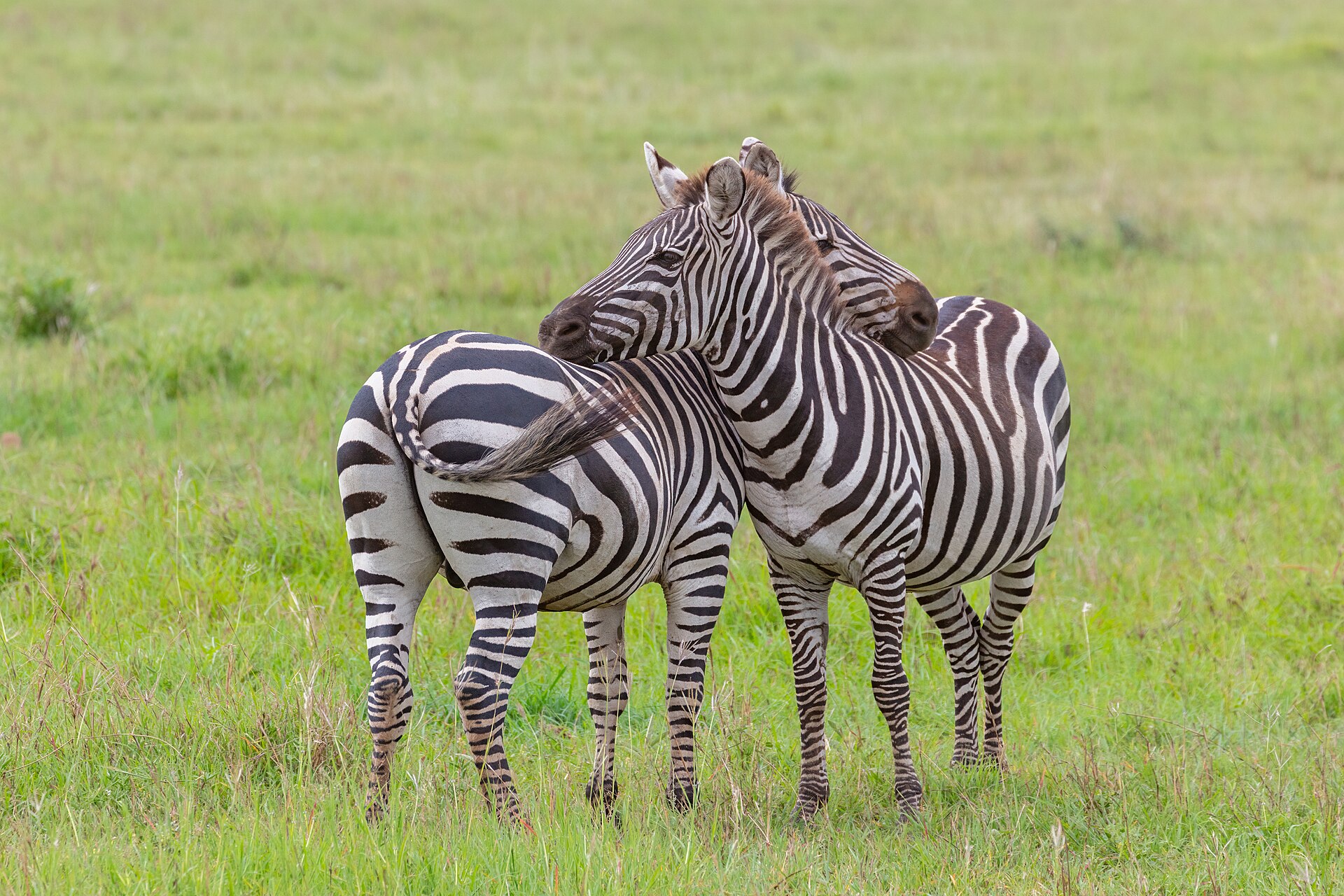
Zebra used larger daily ranges than tsessebe—except in the late flood season
GPS tracking in Botswana’s Okavango Delta found that plains zebra used daily ranges about twice as large as…
Read story →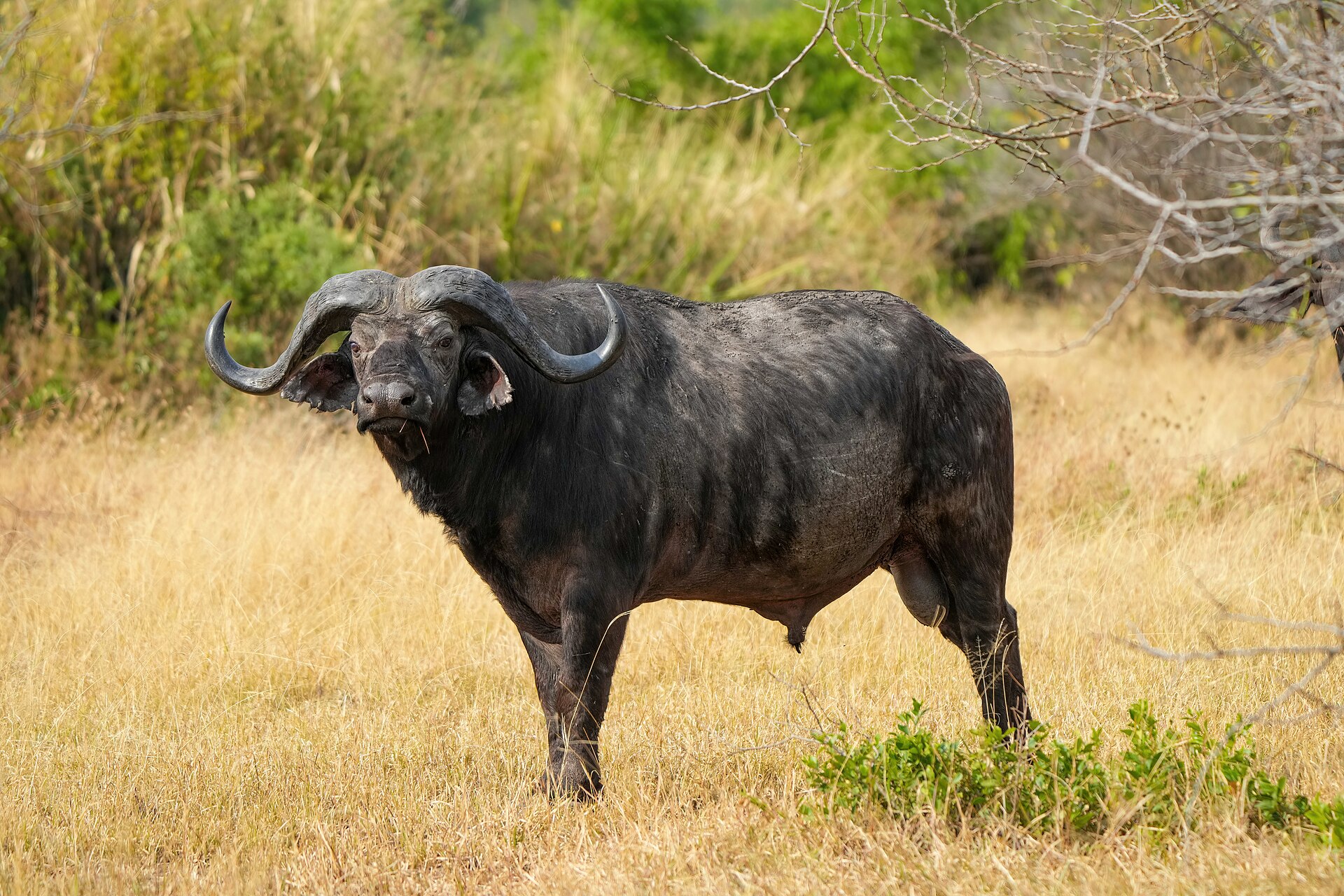
Elephants and buffalo showed the clearest signs of range expansion after translocation in Malawi
A six-year camera-trap study in Nkhotakota Wildlife Reserve found the clearest signs of establishment and expansion in African…
Read story →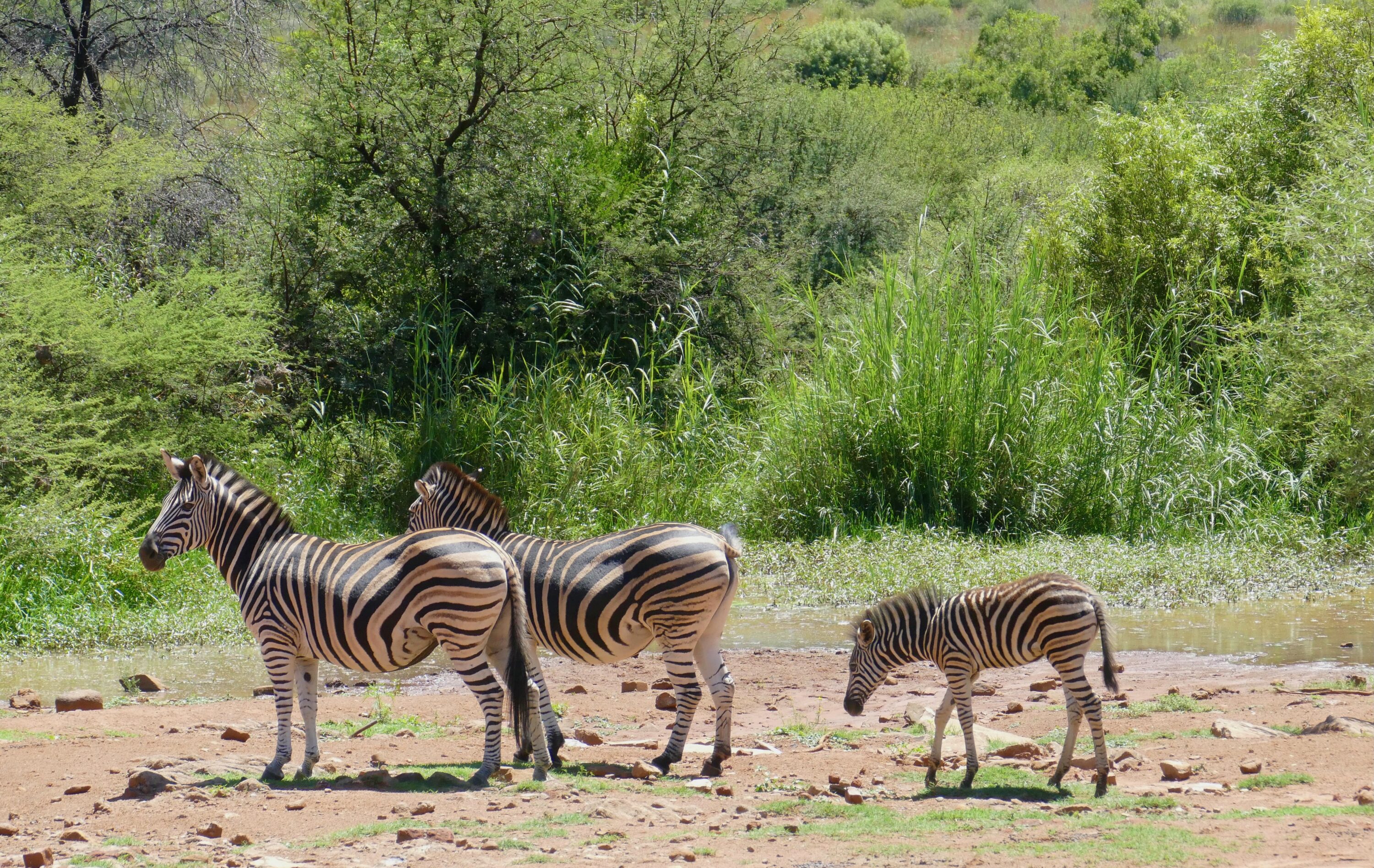
Zebra Group Departures Were Linked to Visual and Tactile Behaviours
Observations of 43 wild zebra group departures in South Africa found that head movements, contact, standing and changes…
Read story →SPECIES IN THIS STORY
Species in this story
Independent research and conservation news archive
Did you find this information useful?
Wildlife Vagabond is independently built and maintained. Voluntary support helps cover source verification, hosting and continued work on research and conservation news.
Support Wildlife VagabondThe news archive will remain freely available.