
Zebra used larger daily ranges than tsessebe—except in the late flood season
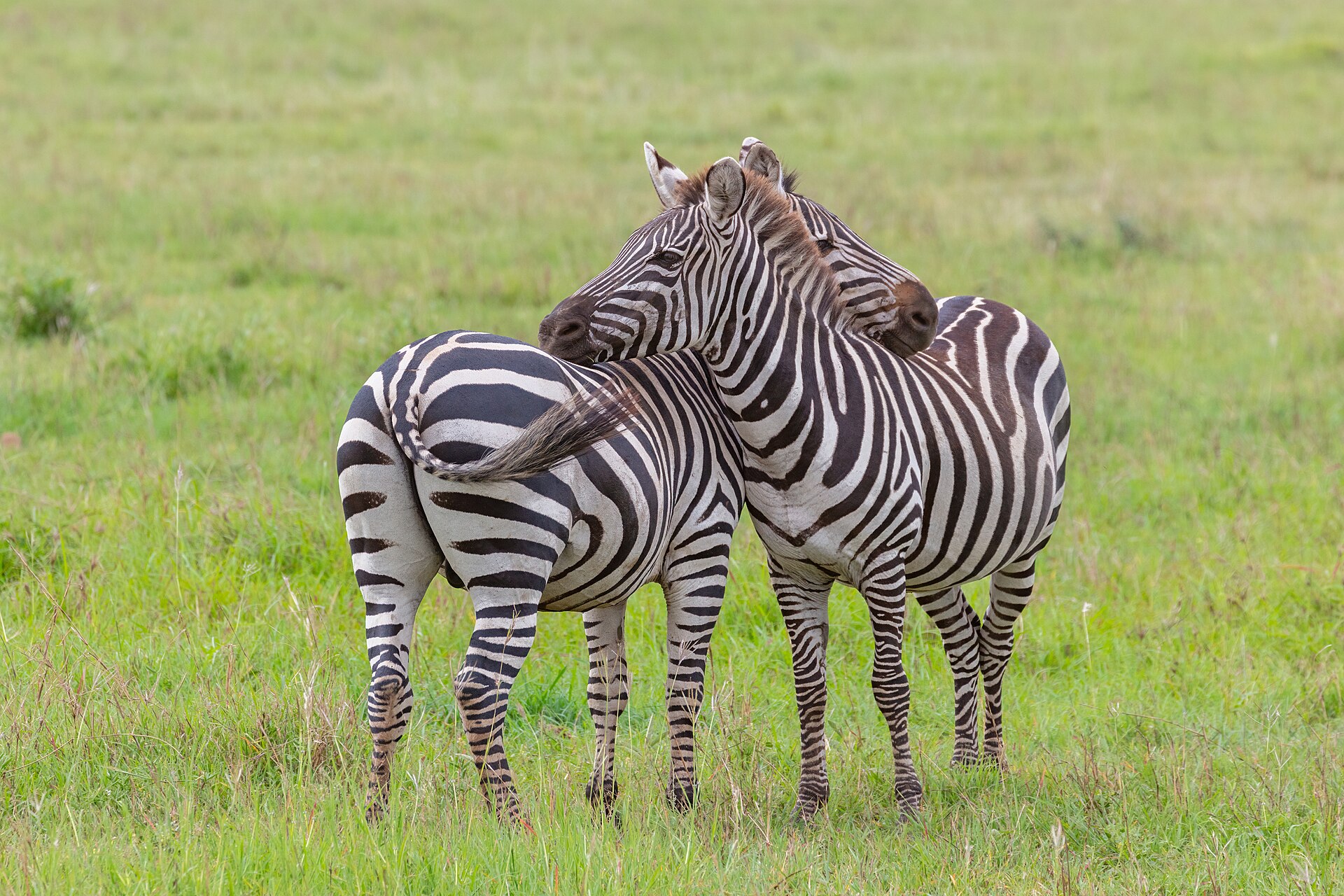
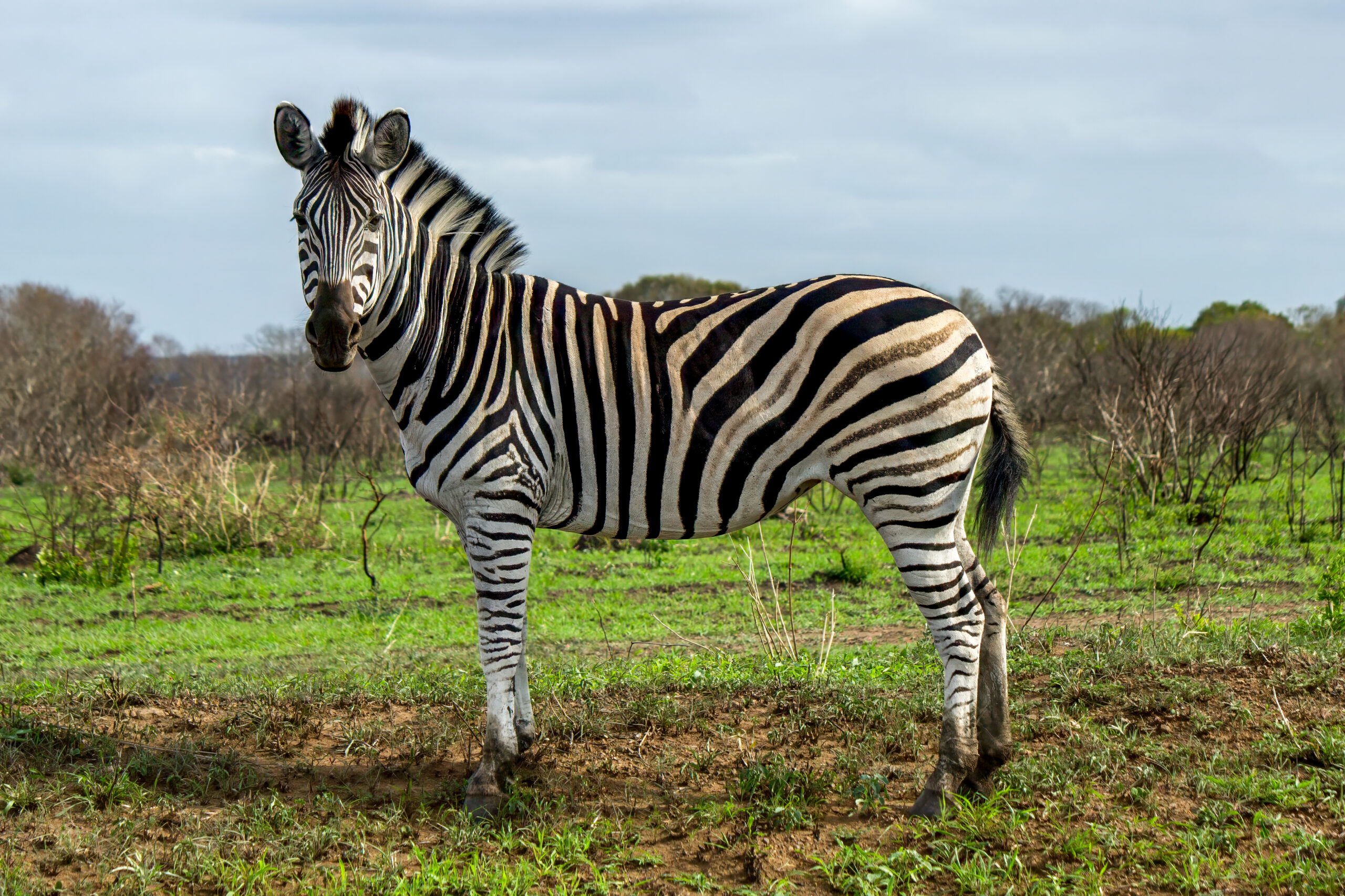
In Botswana’s southeastern Okavango Delta, plains zebra (Equus quagga) and tsessebe (Damaliscus lunatus) changed how they moved across the year and through the day. GPS tracking of adult females showed that the species’ differences depended on season, temperature and vegetation productivity.
GPS collars recorded locations every five minutes for 16 plains zebra and eight tsessebe between 2014 and 2016. Researchers compared the area each animal used over 24 hours, its total daily travel distance, and its movement in successive four-hour periods. They also measured how winding the paths were: a more tortuous route covers more ground in turns rather than taking a direct line. The researchers related these patterns to the Okavango’s rainy, early flood and late flood seasons, daily maximum temperature and satellite estimates of vegetation productivity.
The two species differ in how they use grass. Plains zebra are large hindgut fermenters, able to eat large amounts of forage, including lower-quality grasses. Tsessebe are smaller ruminants, with a digestive system that efficiently processes food, and specialize in short, higher-quality grasses. These differences may help explain their movement patterns, although the study cannot separate the effects of diet, body size and digestion.
Daily ranges converged in the late flood season
During the rainy and early flood seasons, zebra used daily ranges about twice as large as those of tsessebe. In the late flood season, the sizes of their daily ranges no longer differed. The seasonal pattern was not identical in both species: zebra used about half as large a daily range in the late flood season as in the rainy and early flood seasons, while tsessebe used smaller ranges in the early flood season than in either of the other two seasons.
The area an animal used and the distance it travelled were not interchangeable measures. Zebra travelled about twice as far per day as tsessebe in the early flood season, when rising floodwaters and drying rain-fed pans were changing the distribution of dry grazing areas. Daily travel distances were similar between the species in the rainy and late flood seasons. The authors suggest that zebra may have travelled farther between increasingly scattered grazing areas during the early flood season.
Movement patterns shifted through the day
Movement within four-hour periods also varied with season. Tsessebe movement generally peaked around dawn. In the rainy and late flood seasons, it rose again around dusk; in the early flood season, the second peak came closer to midday. Zebra movement peaked around dusk in the rainy and late flood seasons, but around dawn in the early flood season. Both species moved least during the early and late night periods.
Zebra generally travelled farther than tsessebe during the early flood season, across daytime periods and both night periods. In the rainy season, zebra travelled farther during the morning, dusk and both night periods. In the late flood season, a difference between species was detected only during the late night.
Tsessebe usually followed more winding routes than zebra, particularly during the rainy and early flood seasons. The contrast was smaller around midday and less consistent in the late flood season. Winding paths can be consistent with localized movement, such as using nearby forage patches, while more direct movement can indicate travel between areas. The tracking data show routes, however, not what the animals were doing at each location.
Heat and greener vegetation were linked to movement
As daily maximum temperature rose, movement declined more strongly in zebra than in tsessebe. At the same time, their routes became more winding as temperatures rose, especially for tsessebe. Higher vegetation productivity was associated with larger daily ranges in both species, and with more winding paths in both, especially zebra. Four-hour movement distance also increased more strongly with vegetation productivity in zebra than in tsessebe.
Together, the findings show that neither species had one fixed movement pattern: differences in the area used, distance travelled and route shape changed with season and time of day. Zebra often used a broader area, but their advantage was absent for daily range size in the late flood season, when high temperatures and receding floodwaters reshape the landscape. The authors suggest that differences in body size, forage specialization and digestive strategy may contribute to the contrast between species, but this two-species comparison cannot identify which traits explain it.
Ecology
Related news
Elephants and buffalo showed the clearest signs of range expansion after translocation in Malawi
A six-year camera-trap study in Nkhotakota Wildlife Reserve found the clearest signs of establishment and expansion in African…
Read story →
Zebra Group Departures Were Linked to Visual and Tactile Behaviours
Observations of 43 wild zebra group departures in South Africa found that head movements, contact, standing and changes…
Read story →
First Reported Giardia Detections in Four Wild Herbivore Species in Kenya
Molecular screening of wildlife and livestock in Laikipia produced the first reported Giardia detections in African buffalo, plains…
Read story →SPECIES IN THIS STORY
Species in this story
Independent research and conservation news archive
Did you find this information useful?
Wildlife Vagabond is independently built and maintained. Voluntary support helps cover source verification, hosting and continued work on research and conservation news.
Support Wildlife VagabondThe news archive will remain freely available.