
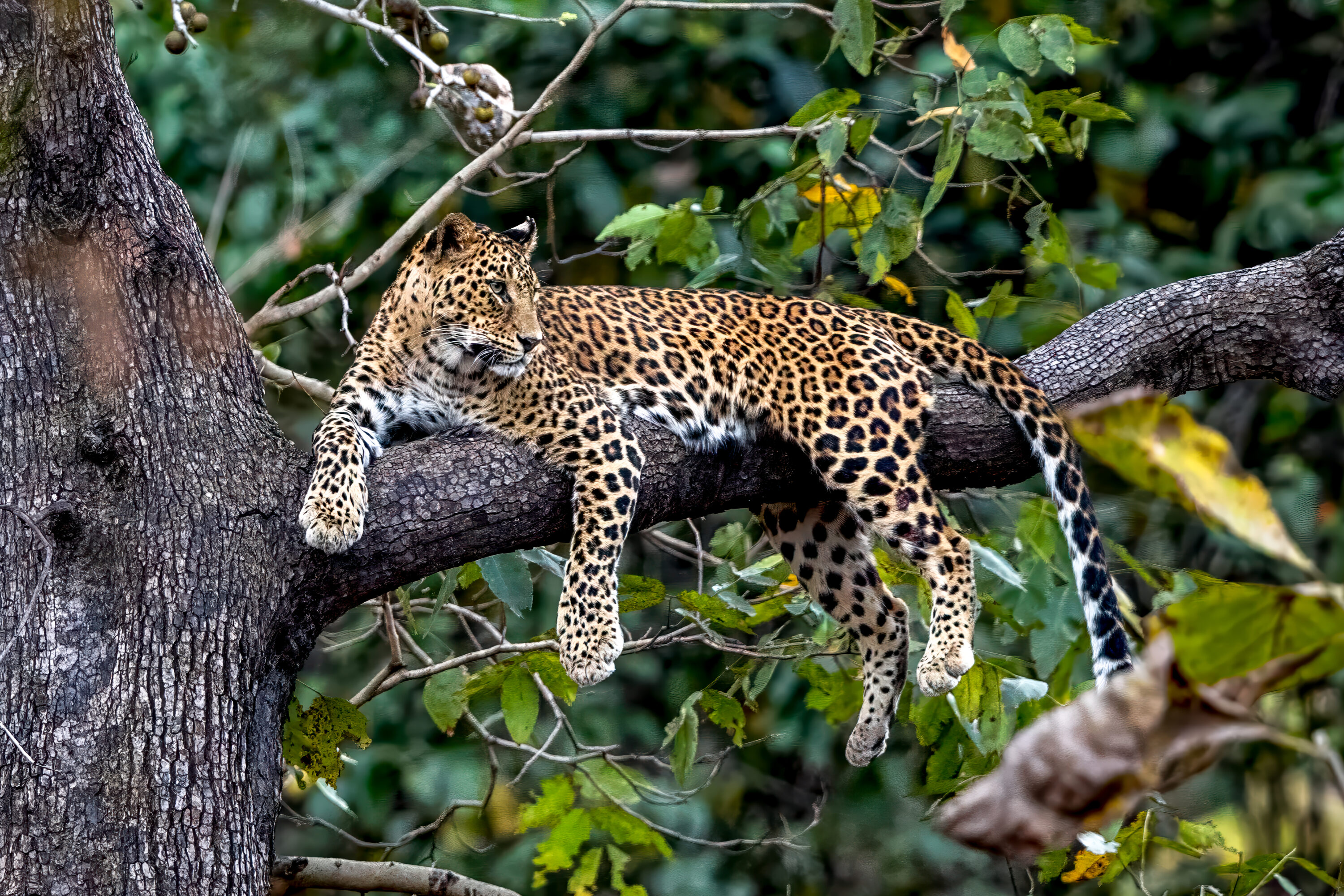
A Persian leopard recovered from severe hepatozoonosis and returned to the wild
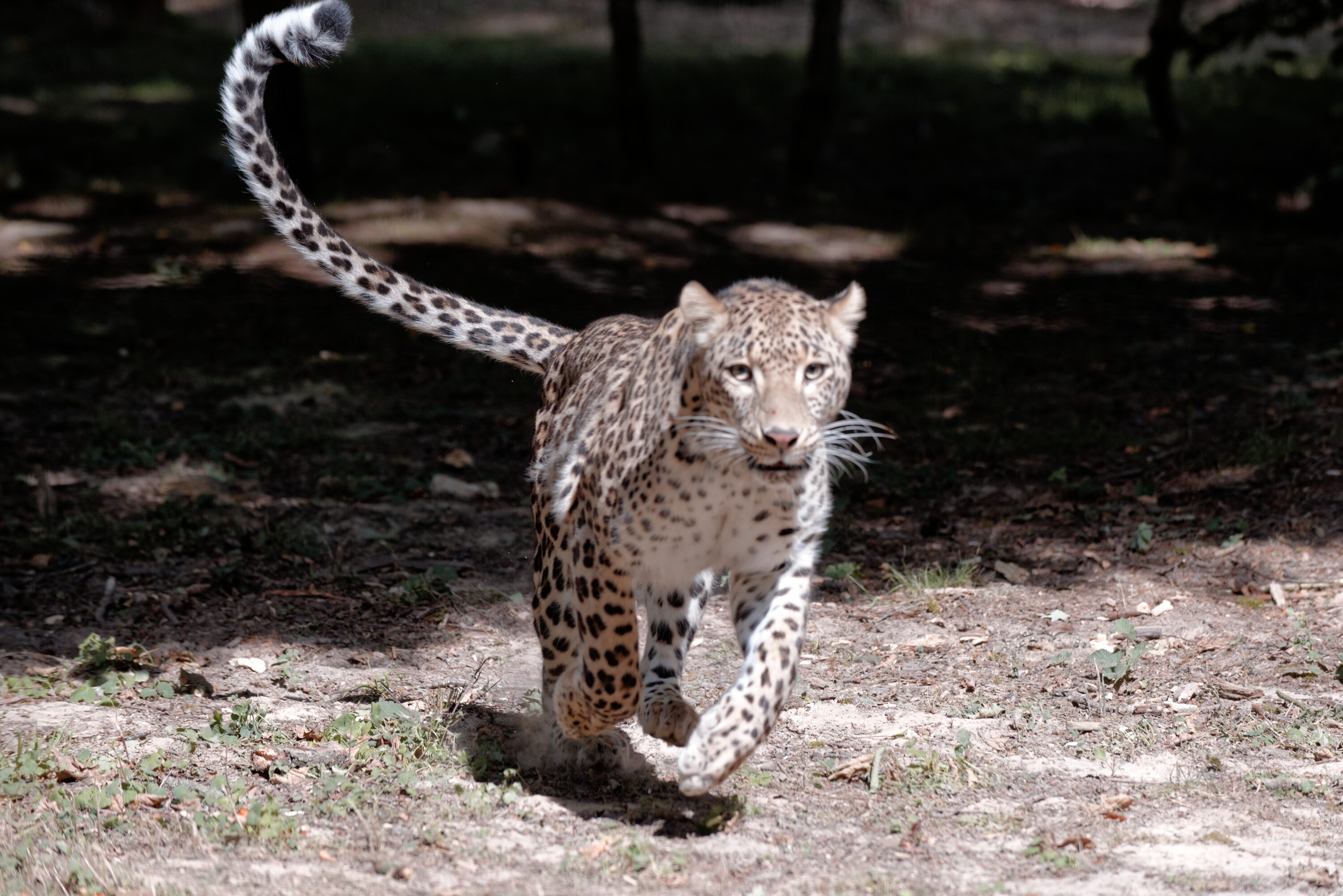
An adult female Persian leopard (Panthera pardus saxicolor) living in the wild in northeastern Iran became severely ill with hepatozoonosis, a tick-borne disease caused by single-celled parasites in the genus Hepatozoon. It affects both domestic and wild carnivores. The leopard had lost weight, was lethargic and showed abnormal behaviour, neurological signs and loss of sensation.
Blood tests showed a high white-cell count, especially neutrophils, which help the body fight infection. Under the microscope, veterinarians found gamonts—blood stages of the parasite—inside the neutrophils. A PCR test, which detects genetic material, also found Hepatozoon DNA. Blood chemistry showed elevated liver enzymes and creatine kinase. Imaging excluded traumatic abnormalities, and separate PCR tests were negative for the viral diseases tested.
The leopard received oxytetracycline, imidocarb dipropionate and supportive care. During three months of rehabilitation, she made a complete clinical recovery. After her release, follow-up confirmed that she had reintegrated into the wild.
To the authors’ knowledge, this is the first documented case of a free-ranging Persian leopard with hepatozoonosis being successfully treated, rehabilitated and released.
Disease, parasites & microbiology
Related news
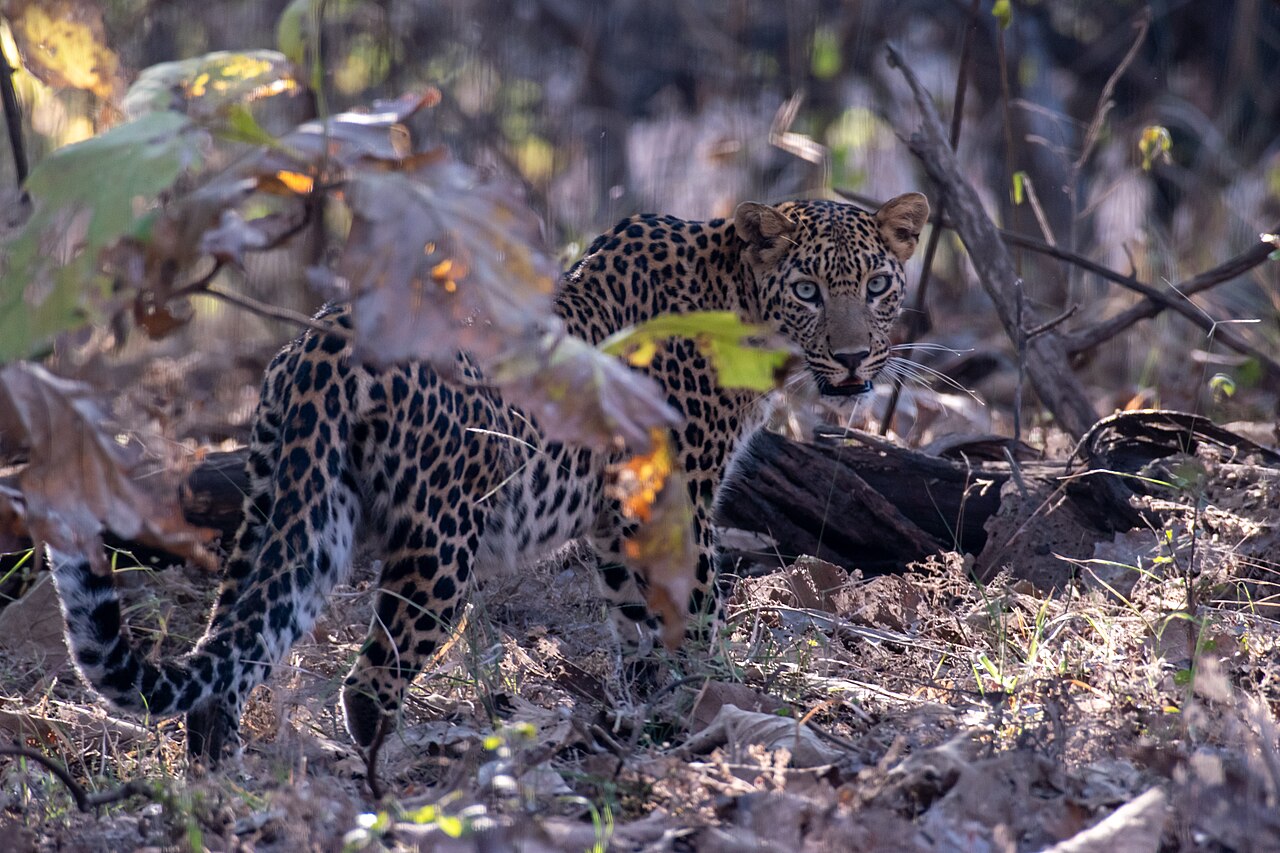
Blood tests showed different signs of muscle injury in tigers and Indian leopards
In a field study in India, LDH was significantly higher in animals classified as affected in both species.…
Read story →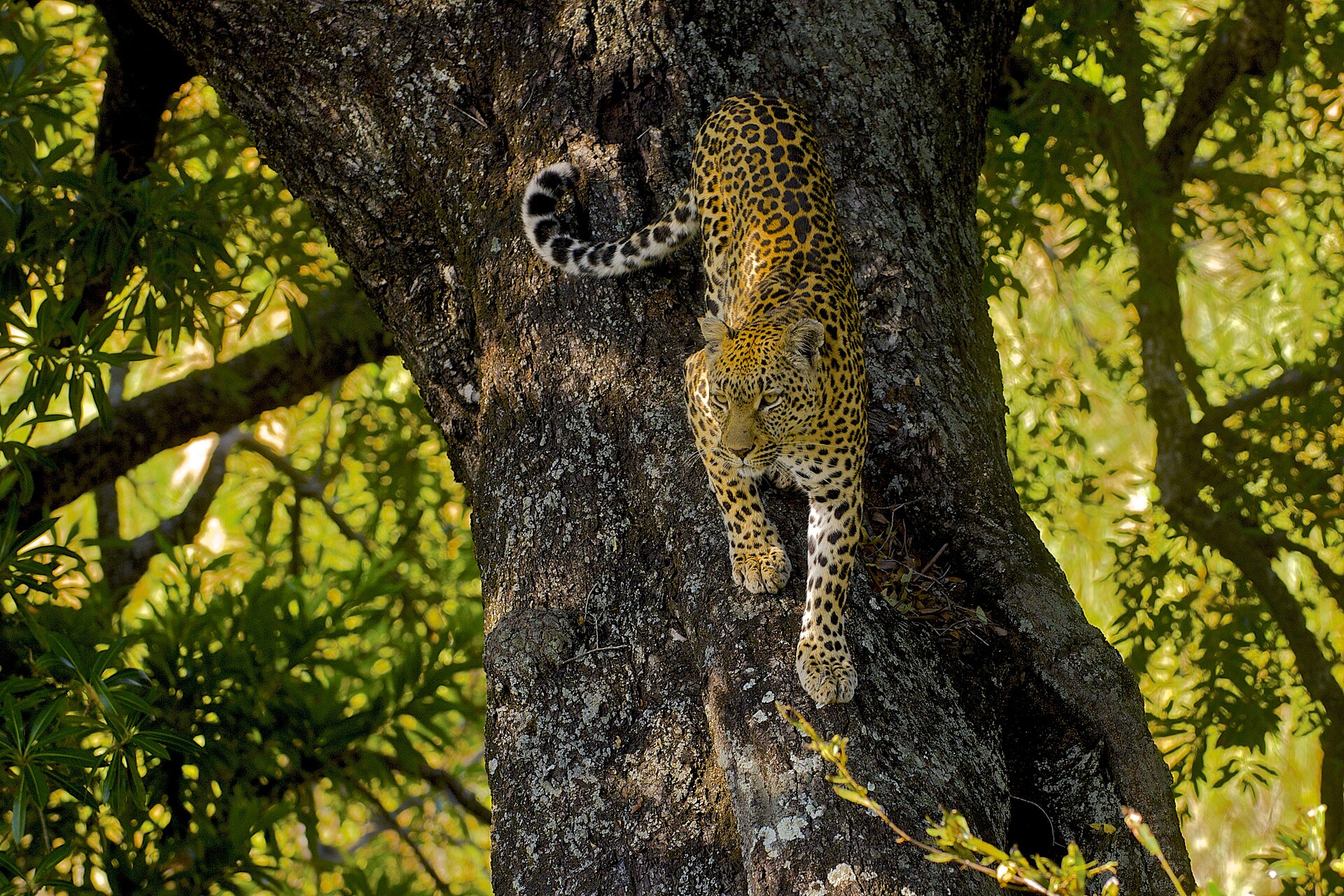
Two Arrested in Nepal With Leopard Skin
Police said they recovered one leopard skin near a hotel in Dhangadhi. Leopards are poached for their skins…
Read story →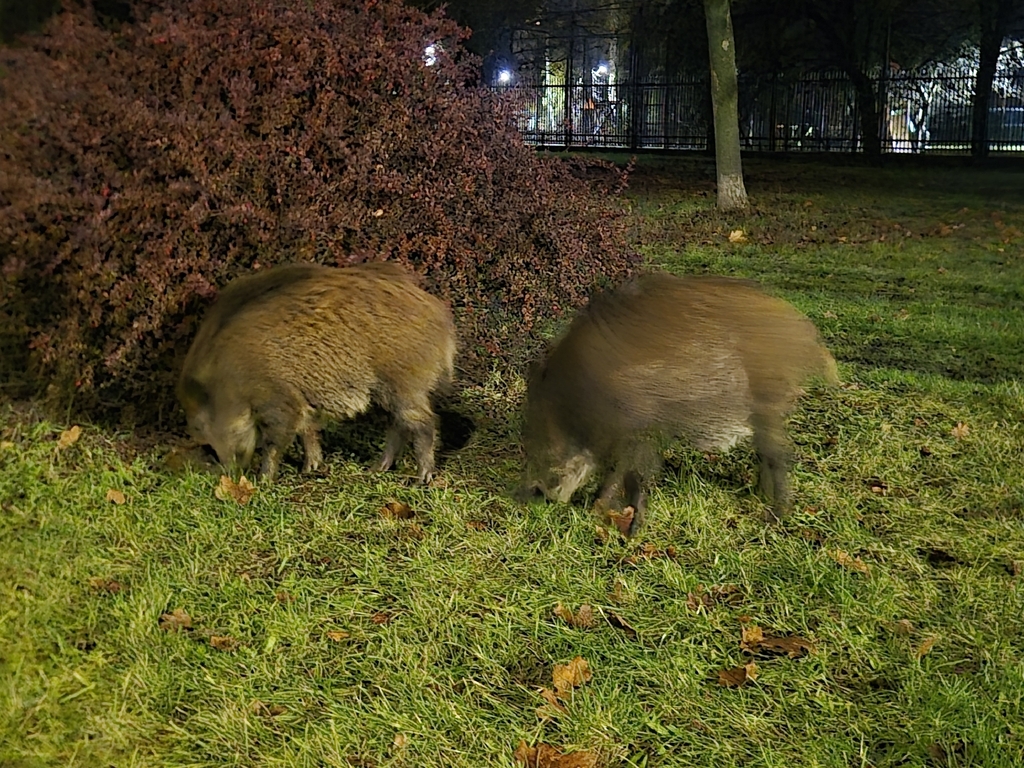
A Raspberry Pi prototype detects wildlife—but has not been tested in the field
WildShield detects elephant, wild boar, tiger and leopard in camera images and triggers an alert. The paper reports…
Read story →SPECIES IN THIS STORY
Species in this story
Independent research and conservation news archive
Did you find this information useful?
Wildlife Vagabond is independently built and maintained. Voluntary support helps cover source verification, hosting and continued work on research and conservation news.
Support Wildlife VagabondThe news archive will remain freely available.