
A Raspberry Pi prototype detects wildlife—but has not been tested in the field
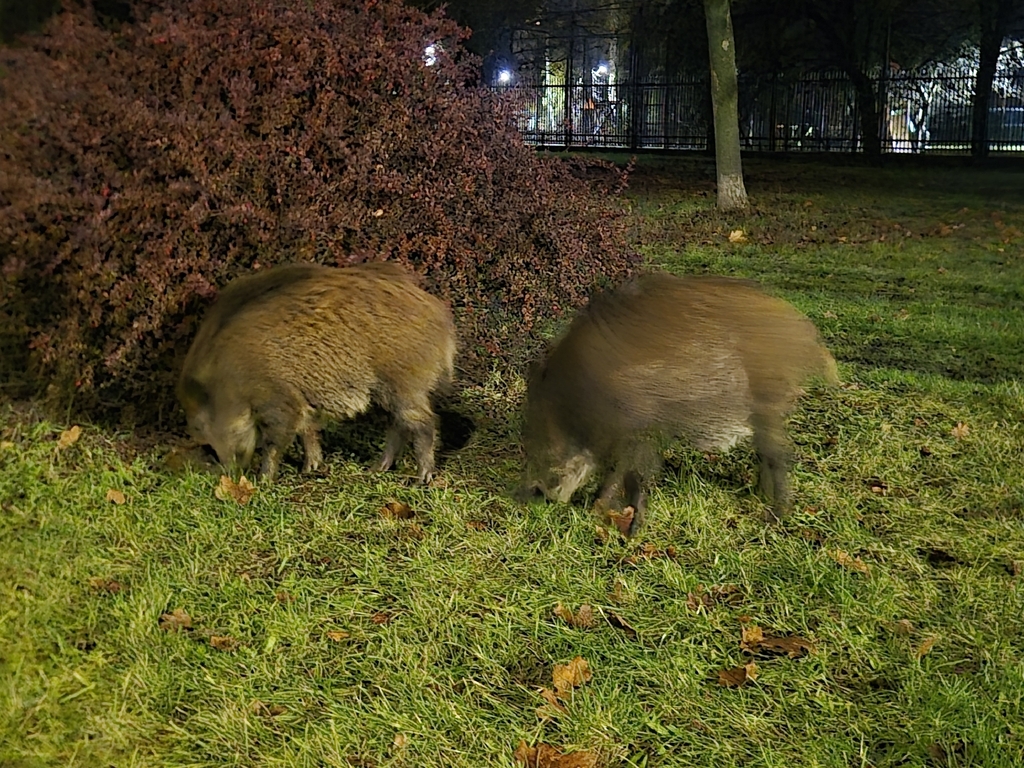
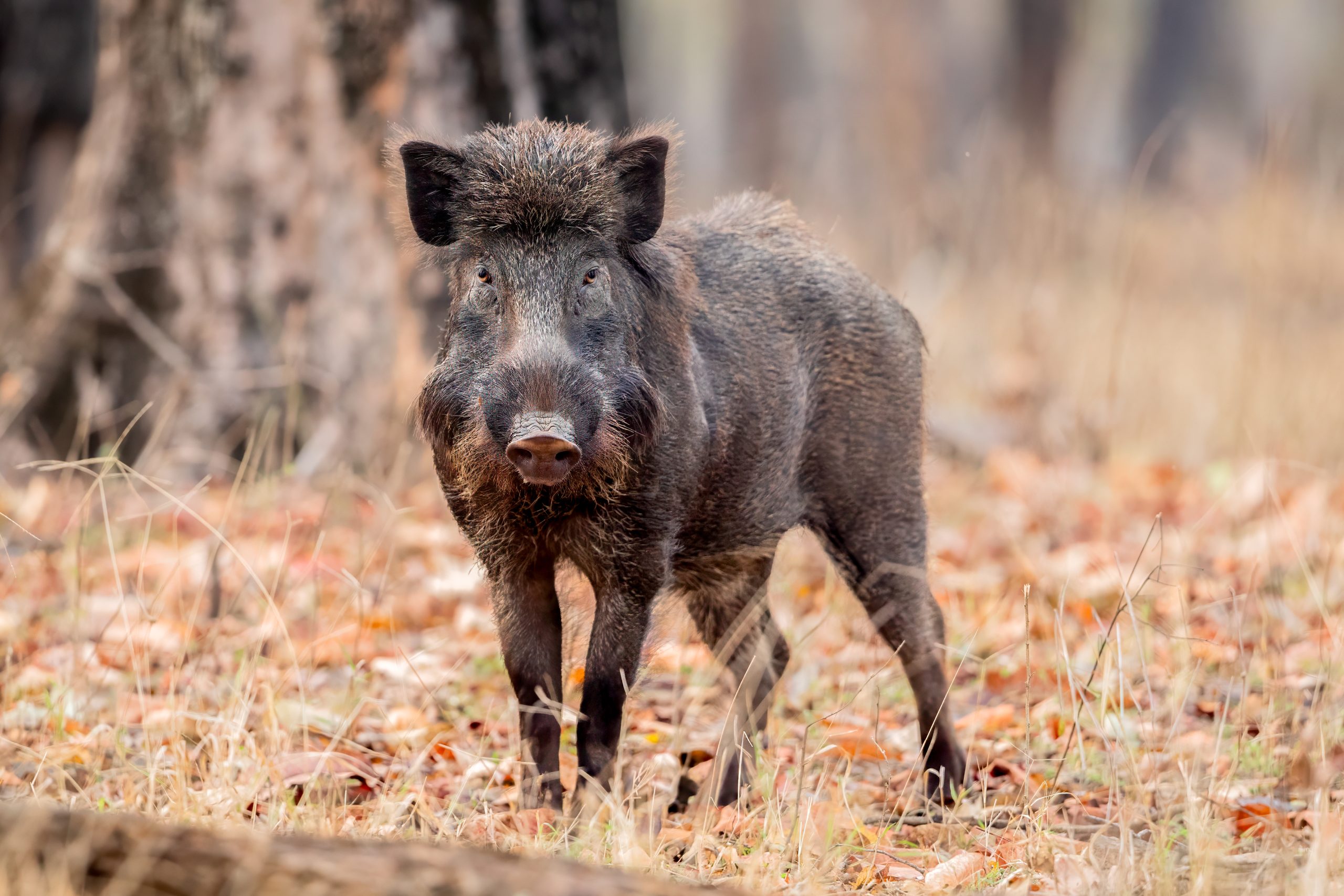
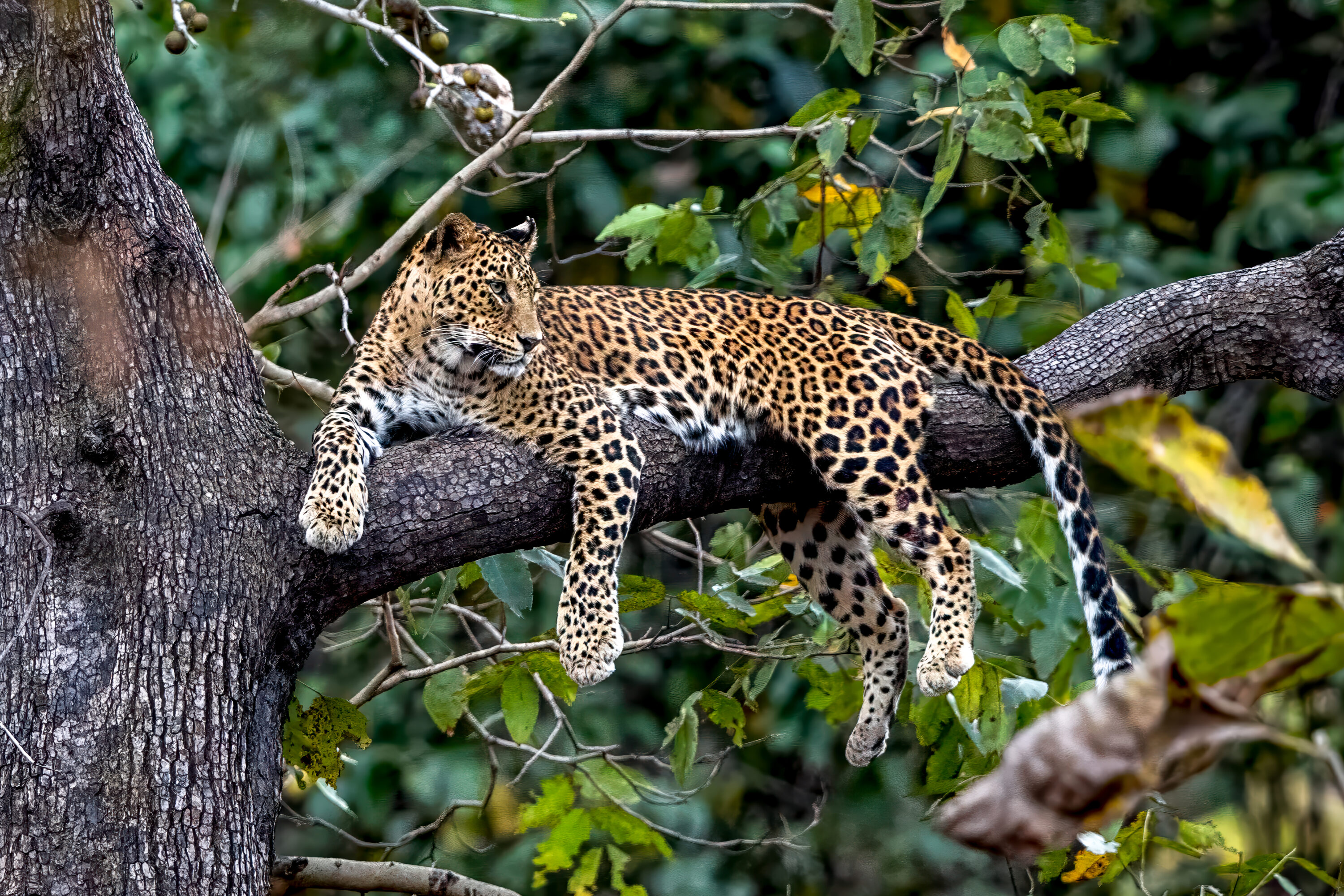
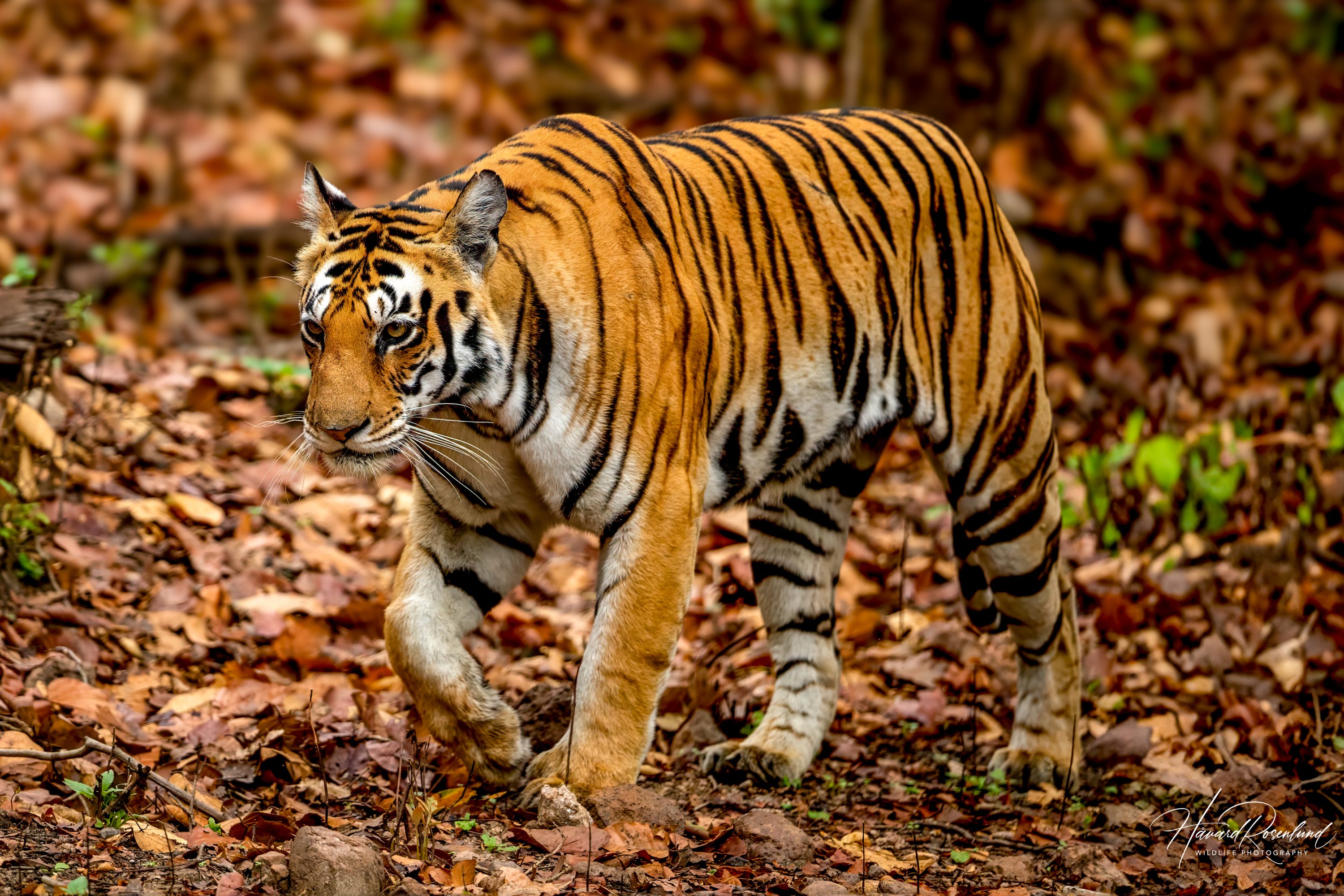
WildShield is a prototype designed to recognize animals in camera images and trigger a warning. Described in a 2026 paper, it runs on a Raspberry Pi 5, a small computer, and uses YOLOv8, a model that detects and classifies objects in images. The four target classes are elephant, wild boar (Sus scrofa), tiger (Panthera tigris) and leopard (Panthera pardus). The paper frames the potential use around human–wildlife conflict in Kerala, India.
The model was trained on manually labelled images gathered from public sources and open datasets. When its confidence score for a detection exceeded the set threshold of 0.5, the system activated a buzzer and played a sound through a Bluetooth speaker. The authors describe it as a possible way to alert people in places with limited connectivity.
The important distinction is between recognizing an animal and knowing what to do about its presence. Because the image analysis runs on the device itself, the proposed warning does not require continuous transmission of video to a remote server. That could be useful along forest edges with unreliable connectivity, but a fast classification on a test image is not the same as a reliable early warning outdoors.
Detection results do not show that animals are deterred
The paper reports 92% detection accuracy and an average processing time of 50–60 milliseconds per image. It also reports AUC values above 0.90 for each of the four animal classes. AUC summarizes how well a model distinguishes a class from other images across different confidence thresholds. The authors note that performance varied with lighting conditions and object distance. They also report that the buzzer and speaker were triggered during testing.
What would have to work outside the laboratory?
The reported 92% is an overall result, not a separate accuracy figure for each animal class. Nor does the confidence threshold of 0.5 mean that every warning is 50% likely to be correct. In real use, missed detections and unnecessary alarms matter because people must be able to trust a warning and still have time to respond.
A field evaluation would therefore need to test moving animals at different distances and under changing light and weather, as well as how often the system alarms unnecessarily. Crucially, it would also need to establish what people and animals actually do when the buzzer and speaker activate. The paper does not report those tests. WildShield demonstrates a functioning camera-based detector and alarm, but not yet a measure shown to prevent encounters or reduce human–wildlife conflict.
Other research
Related news
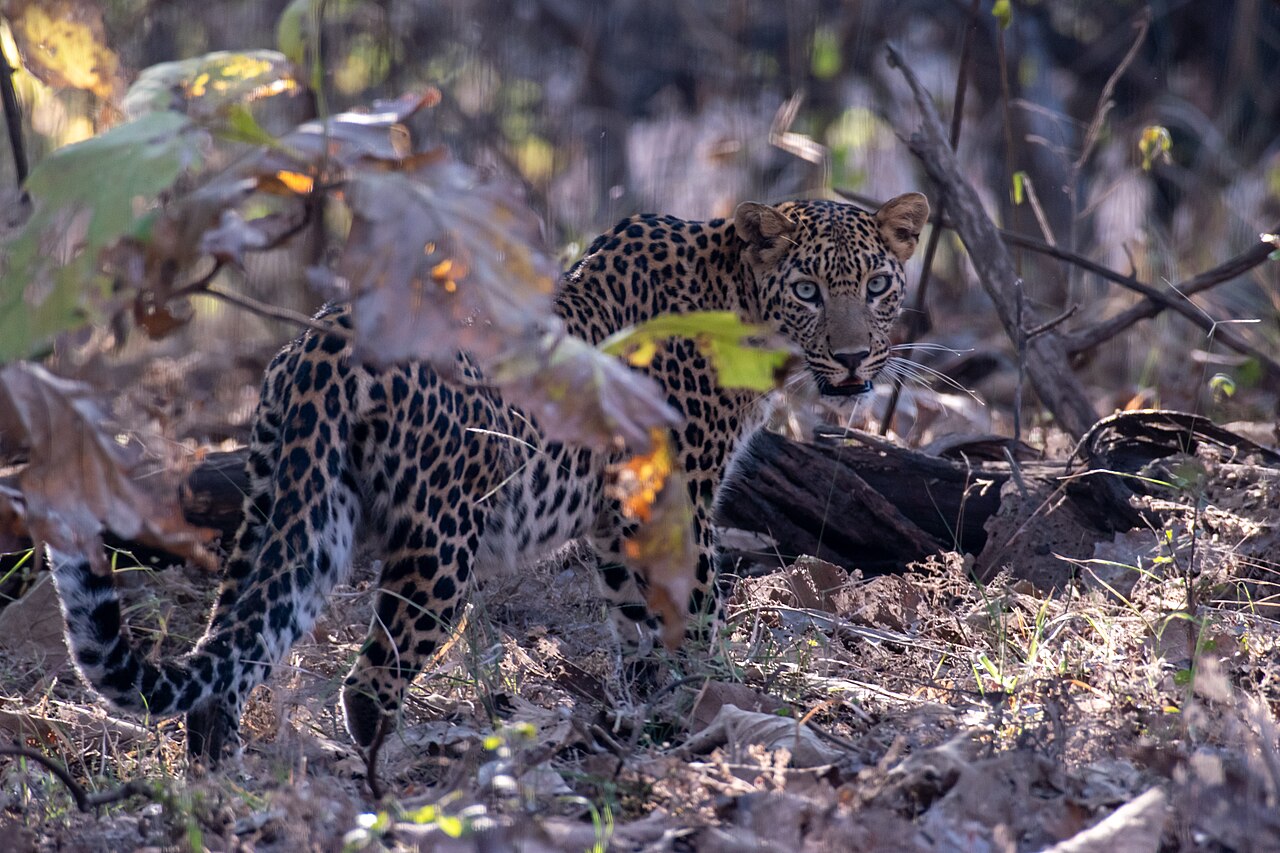
Blood tests showed different signs of muscle injury in tigers and Indian leopards
In a field study in India, LDH was significantly higher in animals classified as affected in both species.…
Read story →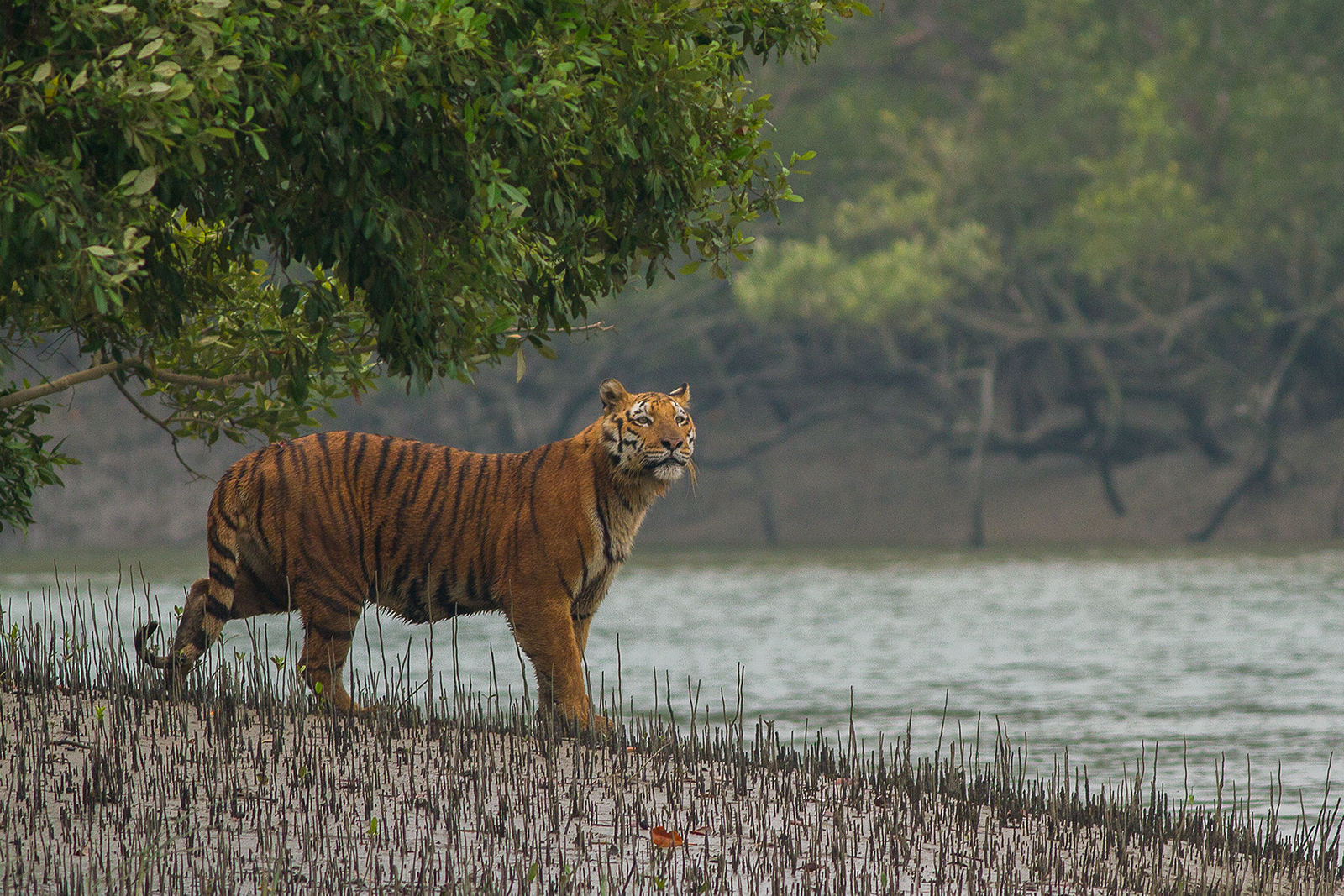
Tiger Density and Mammal Diversity Vary Across Bangladesh’s Sundarbans
Camera traps at 603 locations revealed higher tiger density and mammal diversity in the less saline eastern Sundarbans.…
Read story →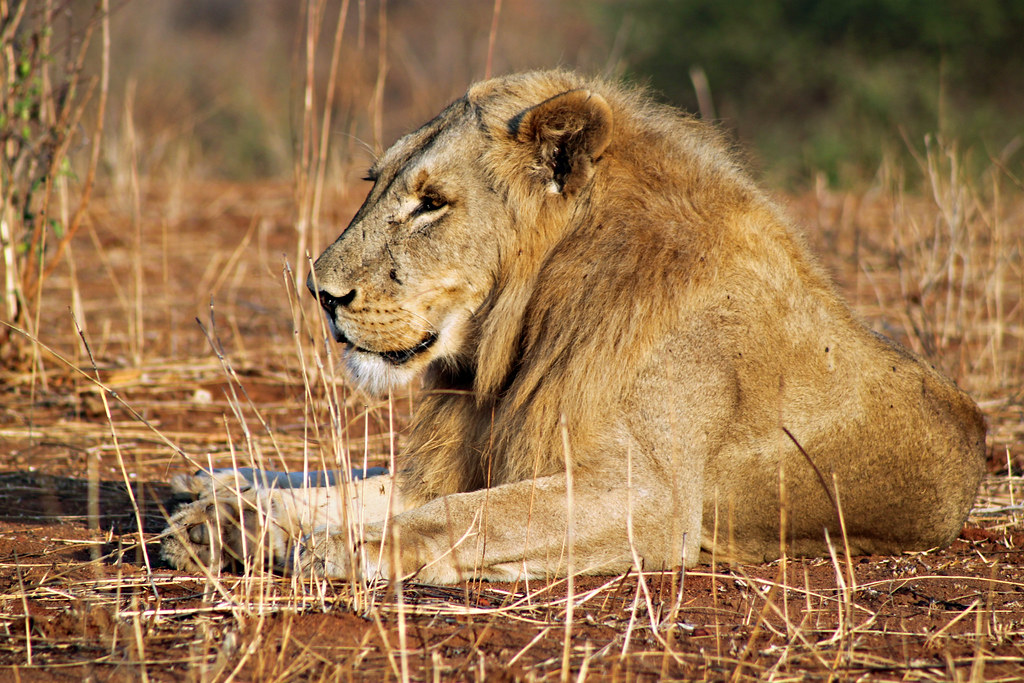
A lion liver protein was a poor hepatitis B virus receptor—and a less efficient bile-acid transporter
Tests of NTCP proteins from cats, tigers and leopards supported hepatitis B virus binding, unlike lion NTCP, which…
Read story →SPECIES IN THIS STORY
Species in this story
Independent research and conservation news archive
Did you find this information useful?
Wildlife Vagabond is independently built and maintained. Voluntary support helps cover source verification, hosting and continued work on research and conservation news.
Support Wildlife VagabondThe news archive will remain freely available.