
Active Monitoring in Bergen Detected H5N1 in Apparently Healthy Tufted Ducks
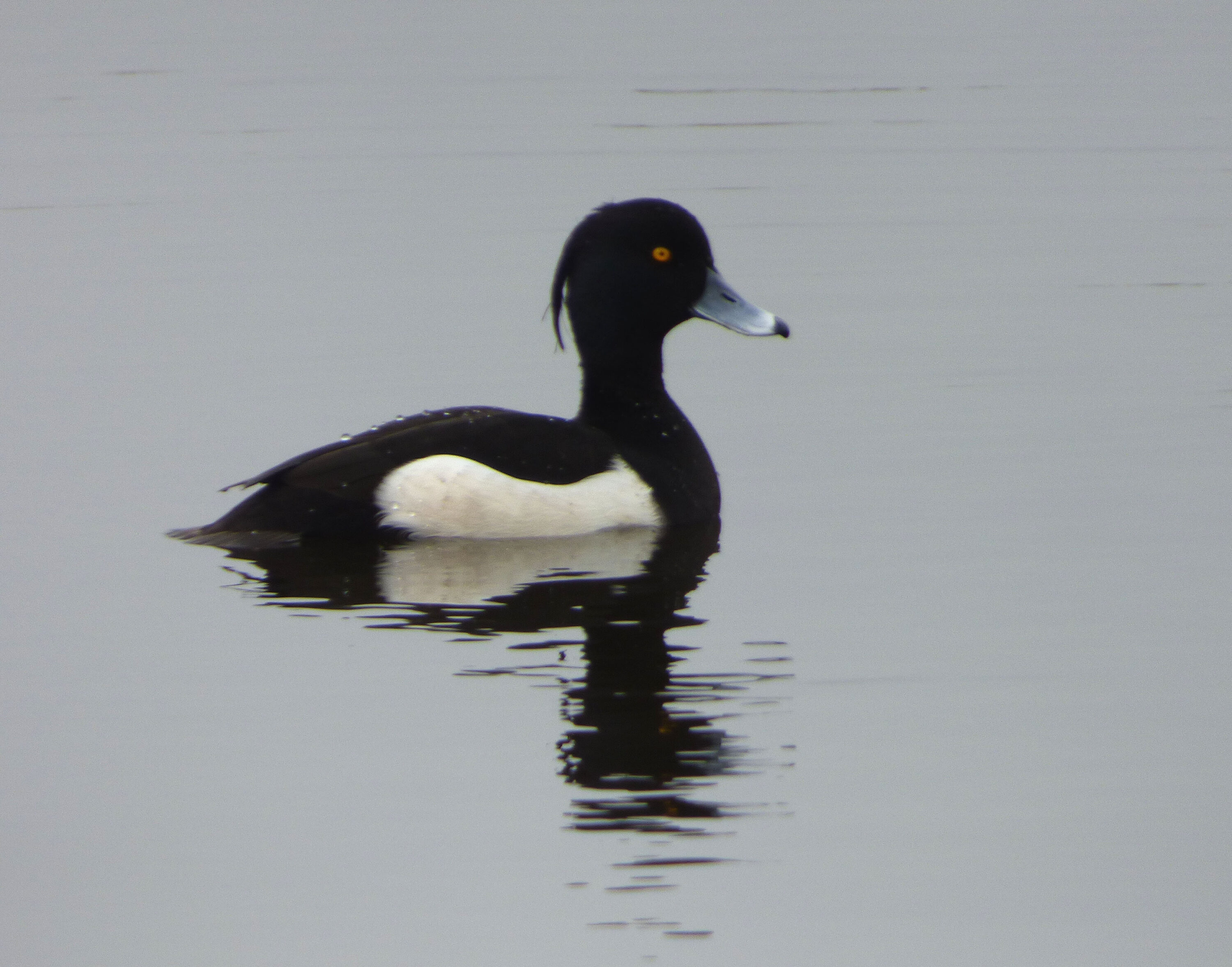
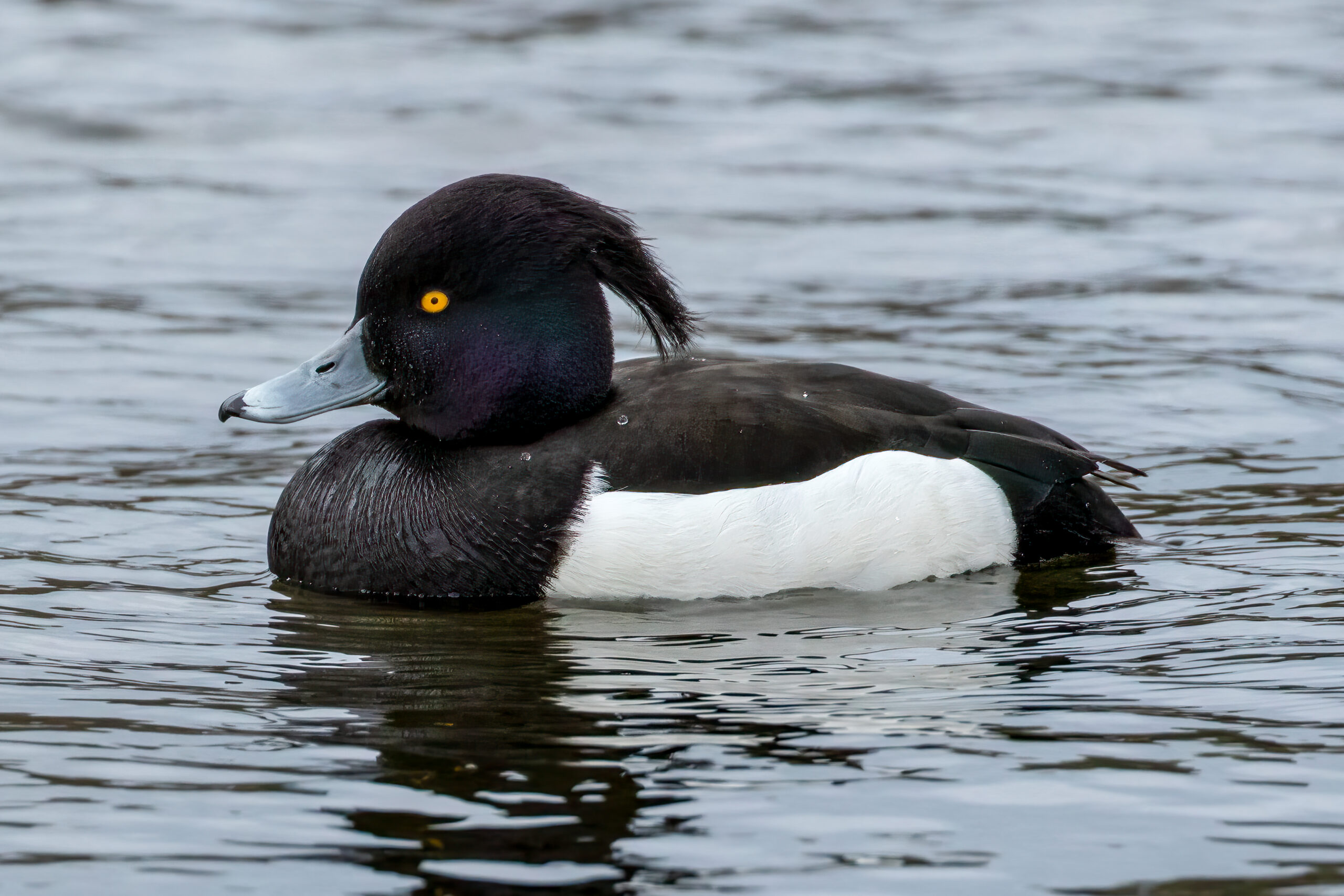
Expanded surveillance during an H5N1 outbreak among waterfowl in the Bergen area found that apparently healthy tufted ducks (Aythya fuligula) could shed the virus without showing clinical signs. The finding is reported in a Norwegian Veterinary Institute status report published on 25 March 2026.
In early February, H5N1 was detected in six mute swans in Bergen and one in neighbouring Øygarden. The virus was also found in mallards, tufted ducks and a European herring gull. After sick swans were observed at a site in central Bergen, ornithologists from the Norwegian Institute for Nature Research helped initiate expanded active surveillance.
That surveillance showed that several apparently healthy birds, including tufted ducks, could shed H5N1 without obvious illness. The report notes that this was consistent with earlier findings from Rogaland and other European countries, where infected wild birds had also been detected without clear clinical signs.
The Bergen event occurred during a winter with very high HPAI activity among wild birds in Europe. In Norway, detections were scattered across several regions, and waterfowl were particularly affected. The report also cautions that the high number of February detections partly reflected unusually intensive sampling.
Disease, parasites & microbiology
Related news
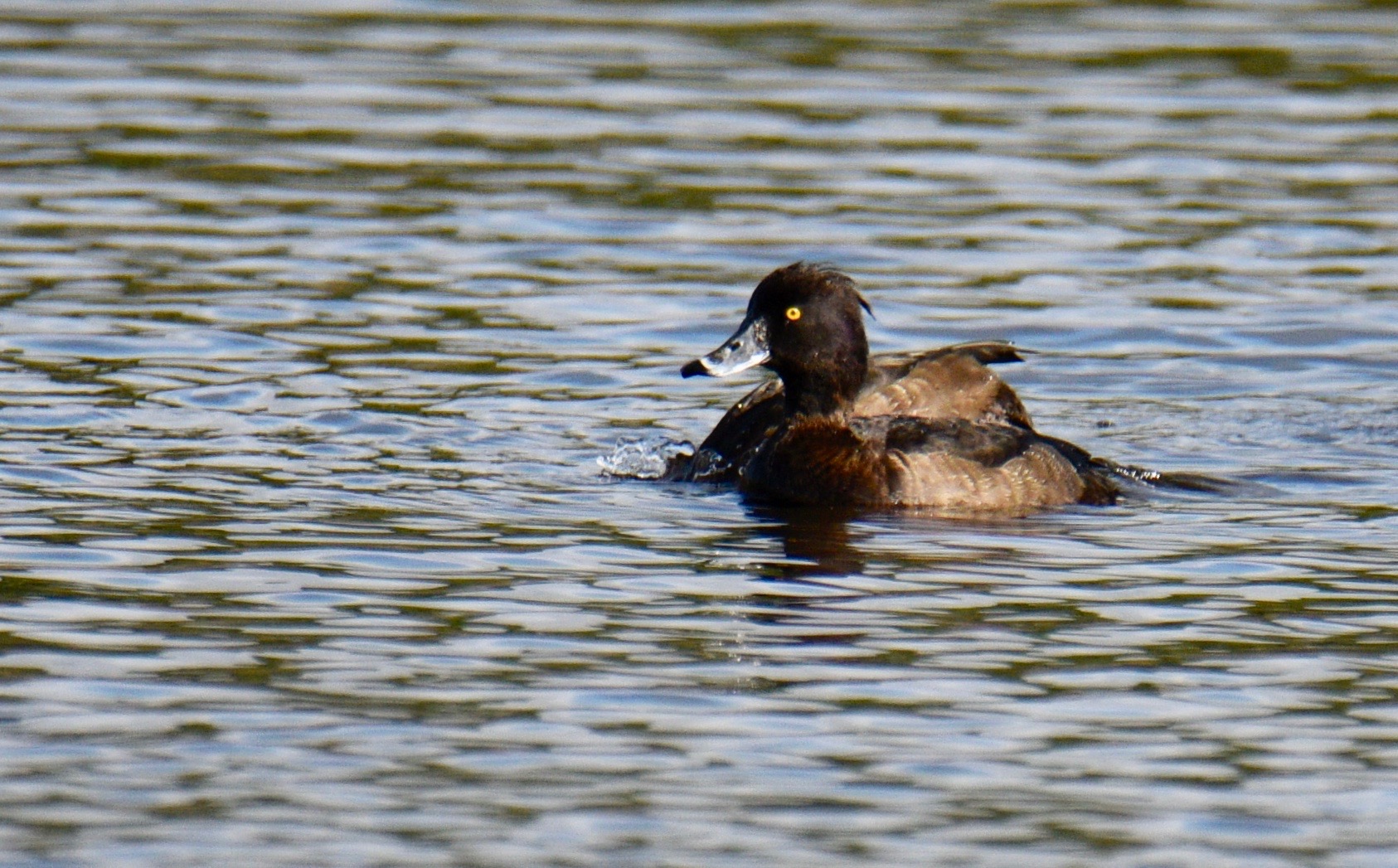
Finland’s Tufted Duck Breeding-Pair Index Has Fallen 78% Since 1986
Finland’s 2026 tufted duck breeding-pair index was 49% below the long-term average and 15% below 2025, extending a…
Read story →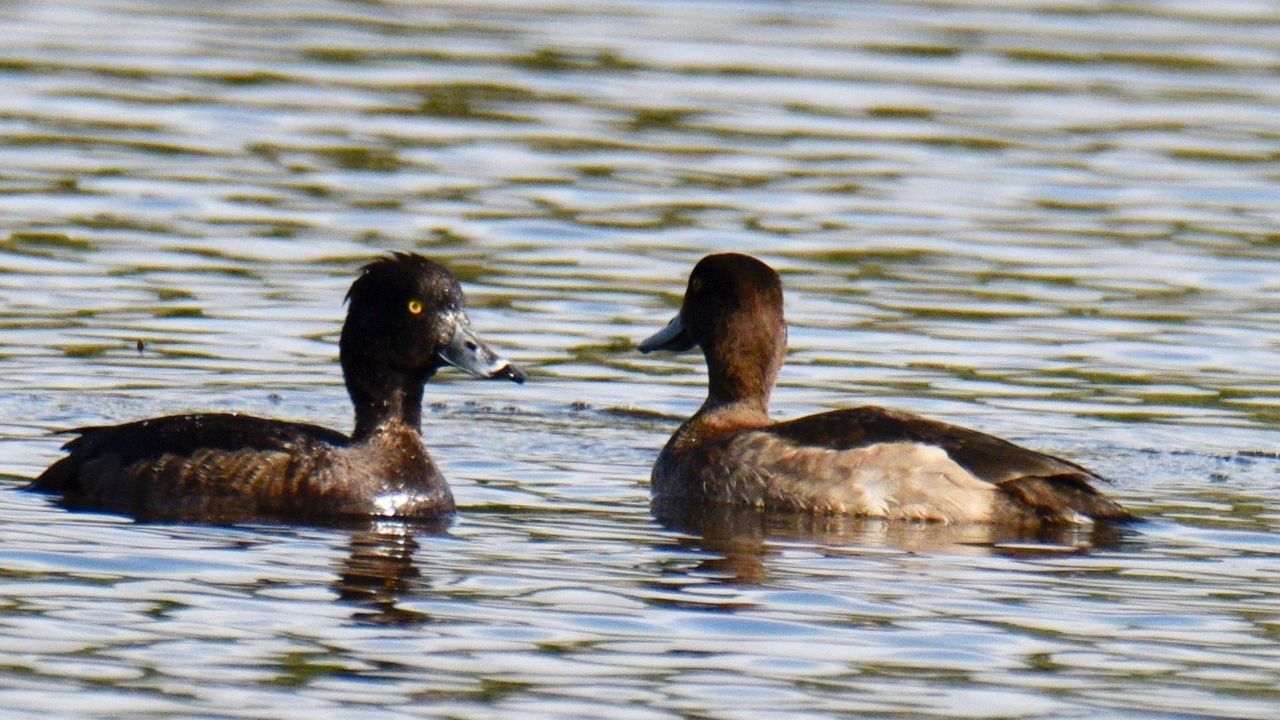
UK Winter Waterbirds Diverged: Tufted Duck Index Hit a Four-Decade Low as Canada Goose Index Rose 60%
Official UK winter-waterbird statistics published on 16 April 2026 showed a four-decade low for tufted duck while the…
Read story →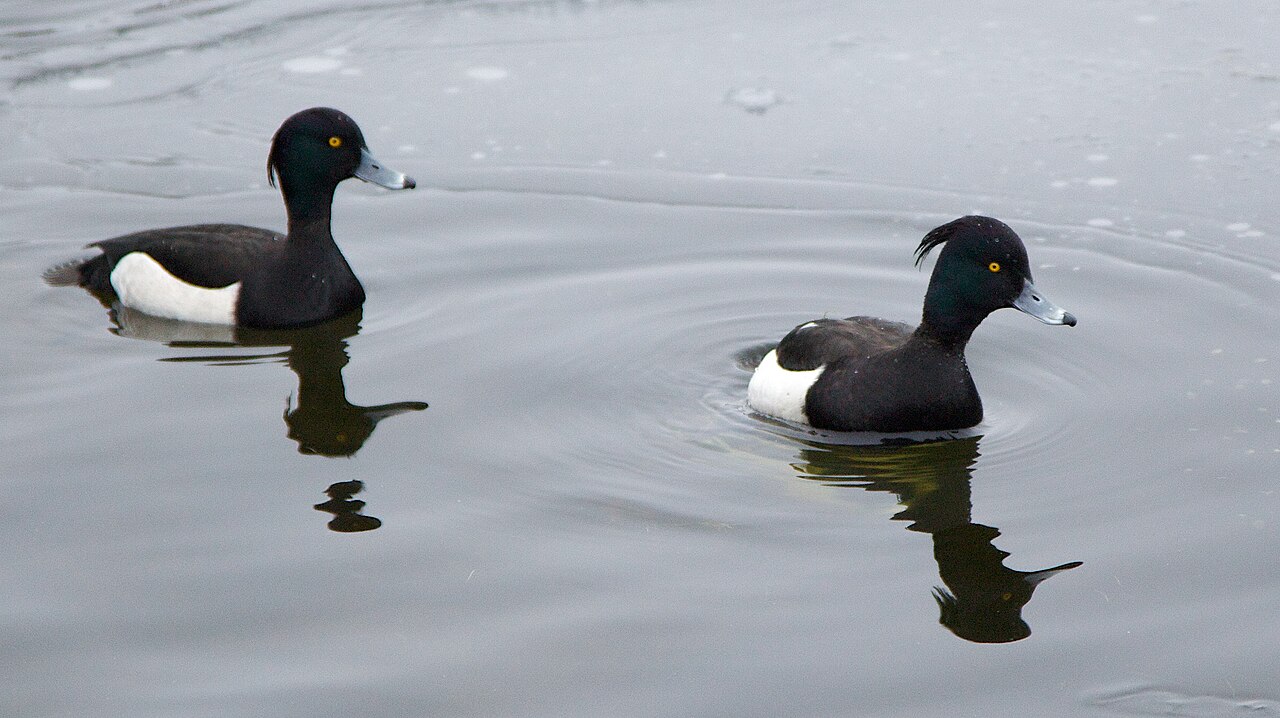
Tufted Ducks Were More Abundant Around Forsmark’s Cooling-Water System in Winter
Six years of counts at Sweden’s Forsmark nuclear power plant found tufted ducks more abundant in cooling-water-affected areas…
Read story →SPECIES IN THIS STORY
Species in this story
Independent research and conservation news archive
Did you find this information useful?
Wildlife Vagabond is independently built and maintained. Voluntary support helps cover source verification, hosting and continued work on research and conservation news.
Support Wildlife VagabondThe news archive will remain freely available.