
Tufted Ducks Were More Abundant Around Forsmark’s Cooling-Water System in Winter
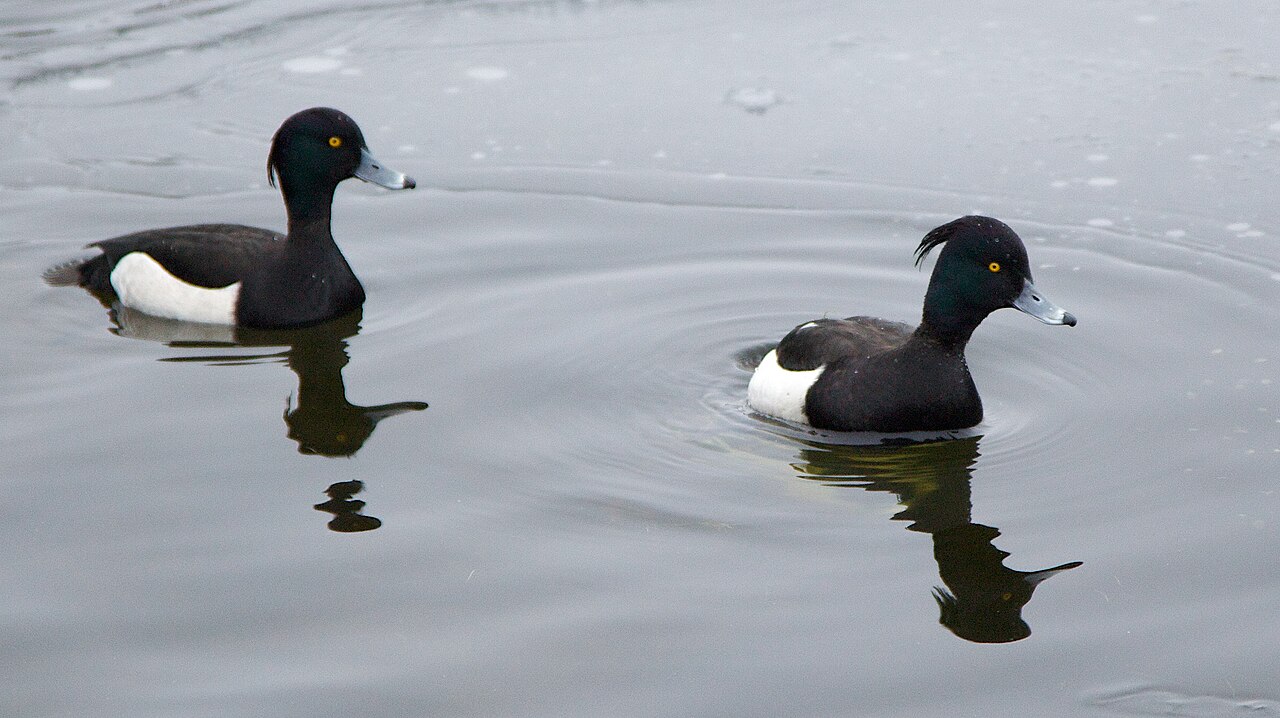
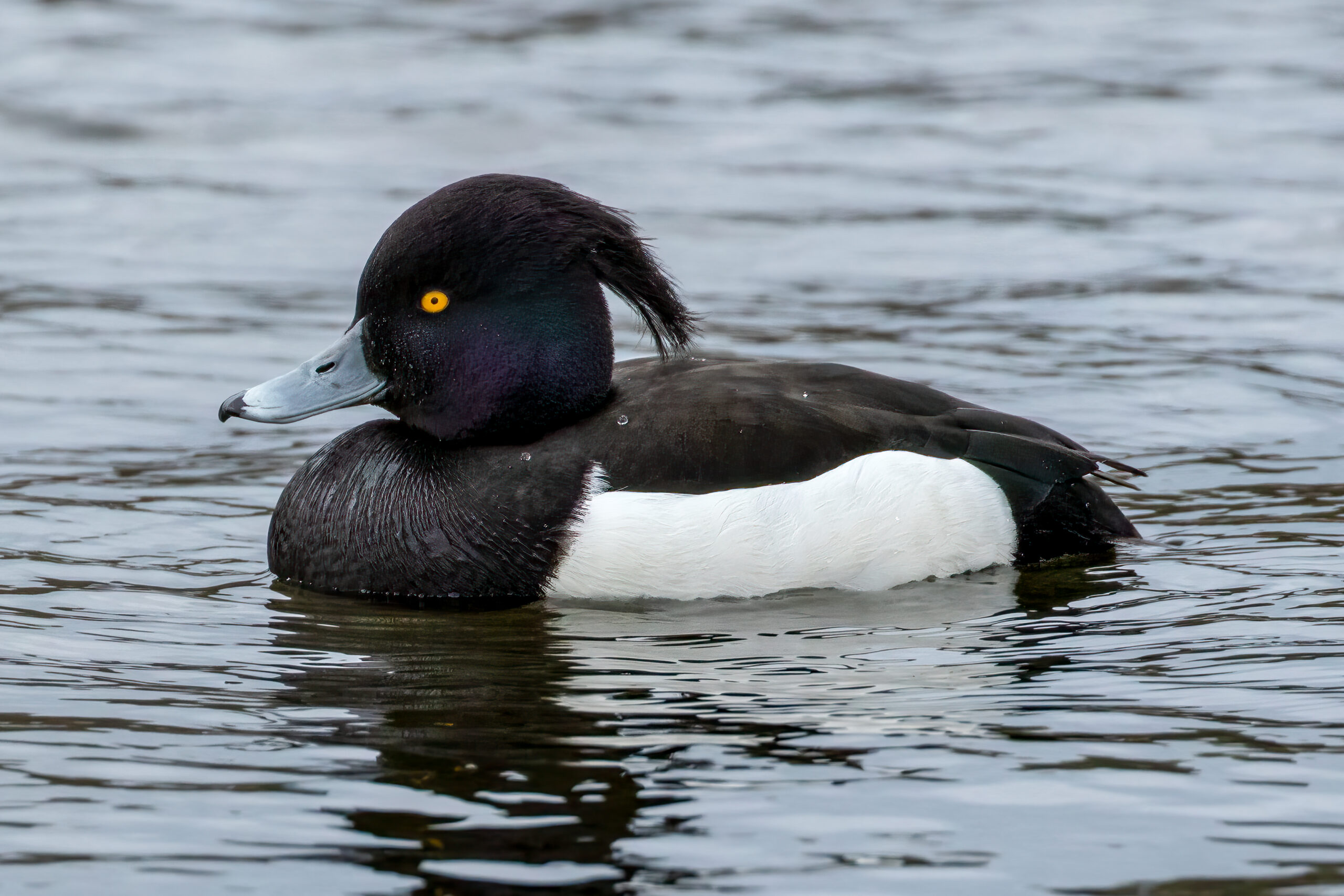
Tufted ducks (Aythya fuligula) were more abundant in coastal areas affected by the cooling-water system at Sweden’s Forsmark nuclear power plant than in nearby control areas during winter. The pattern emerged from standardized waterbird counts collected from 2018 to 2023 and published in Ibis on 12 March 2026.
Forsmark draws cooling water from Asphällafjärden on the Baltic coast. The strong water intake creates currents that keep part of the bay ice-free in winter. After passing through the plant, warmer water from two reactors is released into the artificial brackish reservoir Biotestsjön, where water is normally about 7–9°C warmer than in surrounding coastal waters and remains ice-free through winter.
Six Years of Surveys Produced 87,572 Tufted-Duck Records
Researchers analysed waterbird monitoring data from seven sectors around the plant. Counts followed a fixed route and standardized observation points, and birds in flight were excluded. For tufted duck alone, the summed daily counts comprised 87,572 records. These are repeated survey counts, sometimes expressed as bird-days, rather than 87,572 unique birds or an estimate of population size. The analyses compared the cooling-water discharge area, the cooling-water intake area and five nearby control sectors across spring, summer, autumn and winter.
Tufted ducks were more abundant in Biotestsjön than in the control sectors in every season. They were also more abundant in Asphällafjärden than in the controls during spring, autumn and winter. In winter, the species was significantly more abundant around the cooling-water intake than in the warmer discharge reservoir.
Open water may matter more than warmth in winter
The researchers argue that the absence of ice may be particularly important during winter. Ice can block diving ducks from reaching benthic prey, so both the partially ice-free intake bay and the ice-free discharge reservoir may provide winter habitat when surrounding coastal waters freeze.
Food availability may also help explain why tufted ducks used the two affected areas differently. The cooling-water intake area contains more large-bodied molluscs, including Limecola balthica, a known prey of tufted ducks in the Baltic Sea. The warmer discharge area has a different benthic community and is often dominated by smaller, more active amphipods.
Temperature, ice cover and food effects could not be separated
The authors describe the result as an example of how the same industrial system can have different ecological effects. Cooling-water intake screens can kill fish, while the warm and ice-free areas associated with the system appear to provide favourable habitat for some waterbirds, especially during winter.
The study is correlative. It does not separate the effects of temperature, ice cover and food availability, and it did not measure survival or reproduction of birds using the different areas.
Ecology
Related news
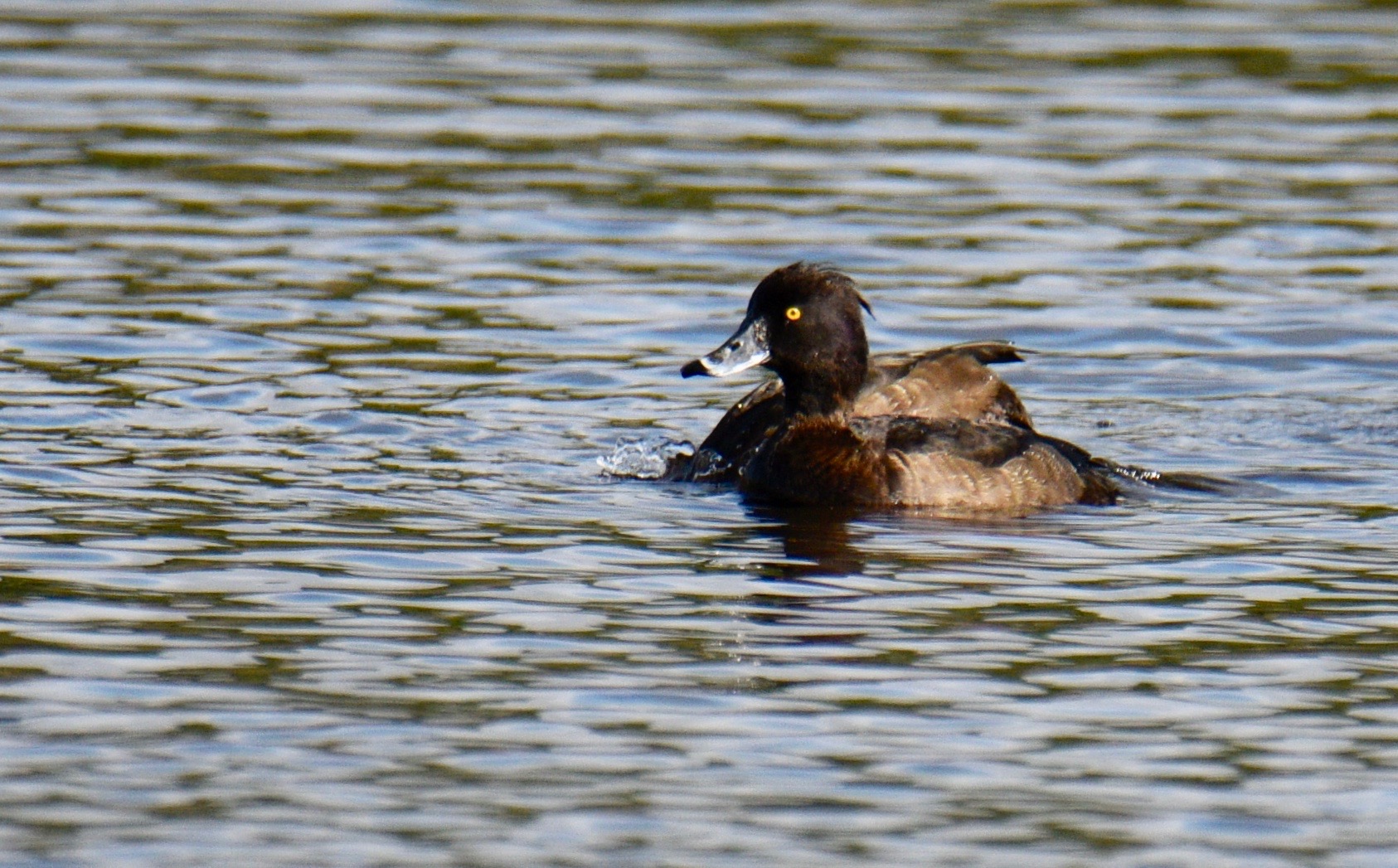
Finland’s Tufted Duck Breeding-Pair Index Has Fallen 78% Since 1986
Finland’s 2026 tufted duck breeding-pair index was 49% below the long-term average and 15% below 2025, extending a…
Read story →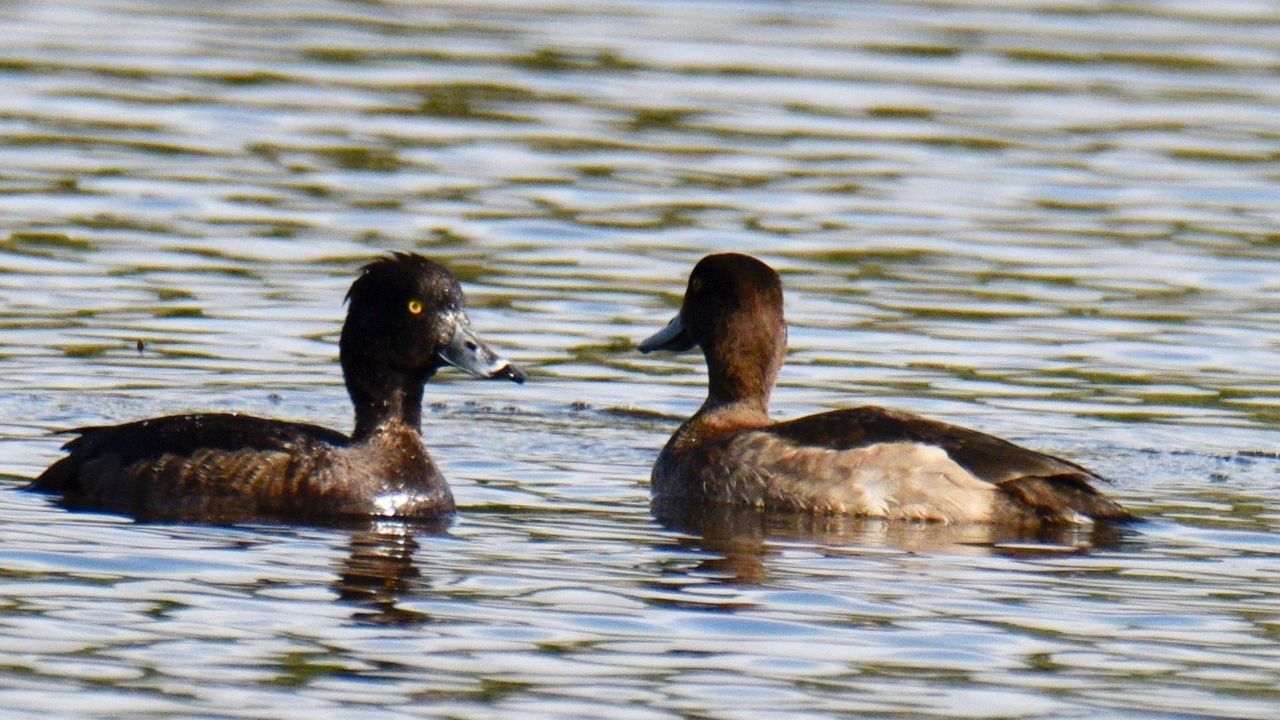
UK Winter Waterbirds Diverged: Tufted Duck Index Hit a Four-Decade Low as Canada Goose Index Rose 60%
Official UK winter-waterbird statistics published on 16 April 2026 showed a four-decade low for tufted duck while the…
Read story →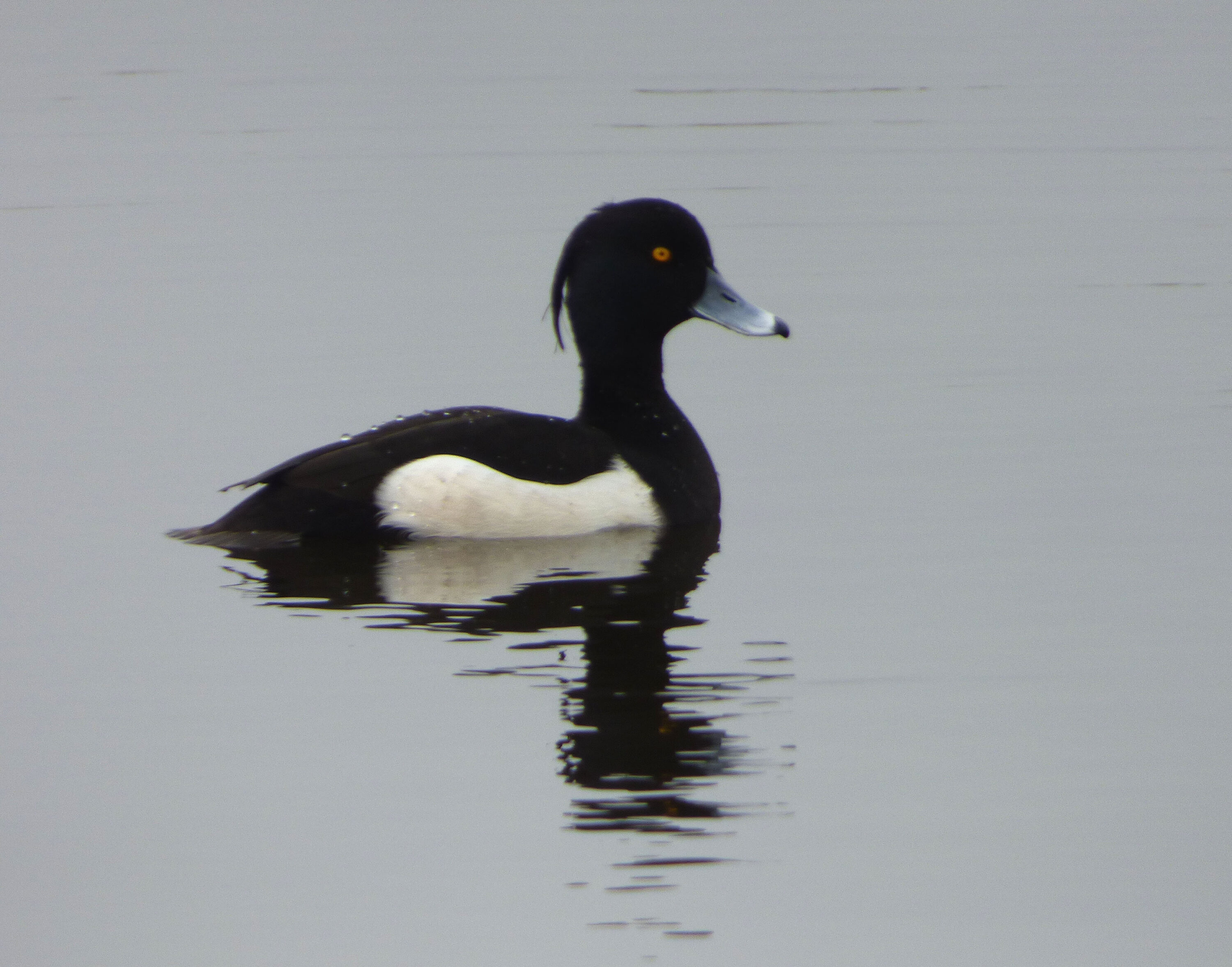
Active Monitoring in Bergen Detected H5N1 in Apparently Healthy Tufted Ducks
Expanded surveillance during a February H5N1 outbreak in the Bergen area found that apparently healthy tufted ducks could…
Read story →SPECIES IN THIS STORY
Species in this story
Independent research and conservation news archive
Did you find this information useful?
Wildlife Vagabond is independently built and maintained. Voluntary support helps cover source verification, hosting and continued work on research and conservation news.
Support Wildlife VagabondThe news archive will remain freely available.