
Finland’s Tufted Duck Breeding-Pair Index Has Fallen 78% Since 1986
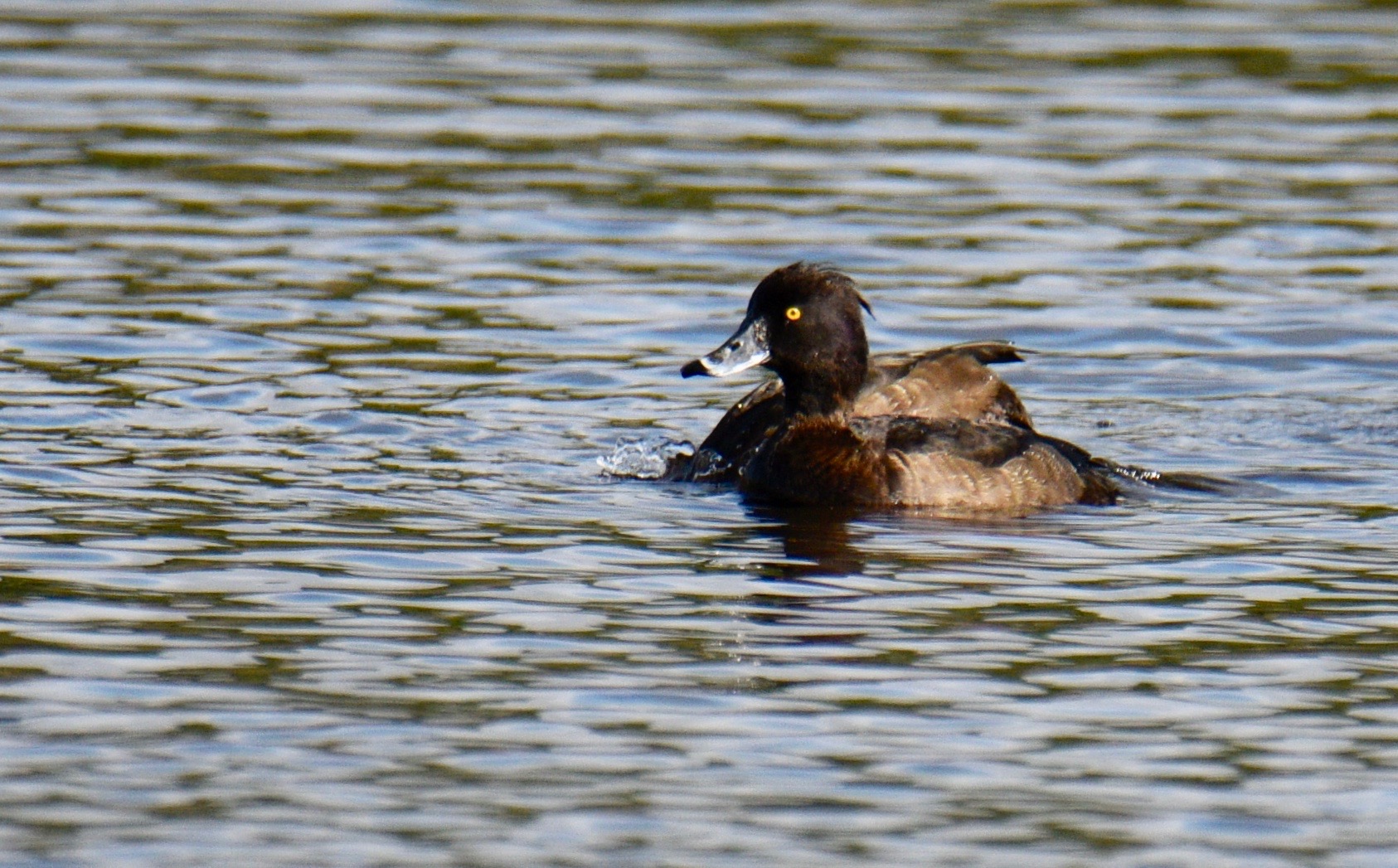
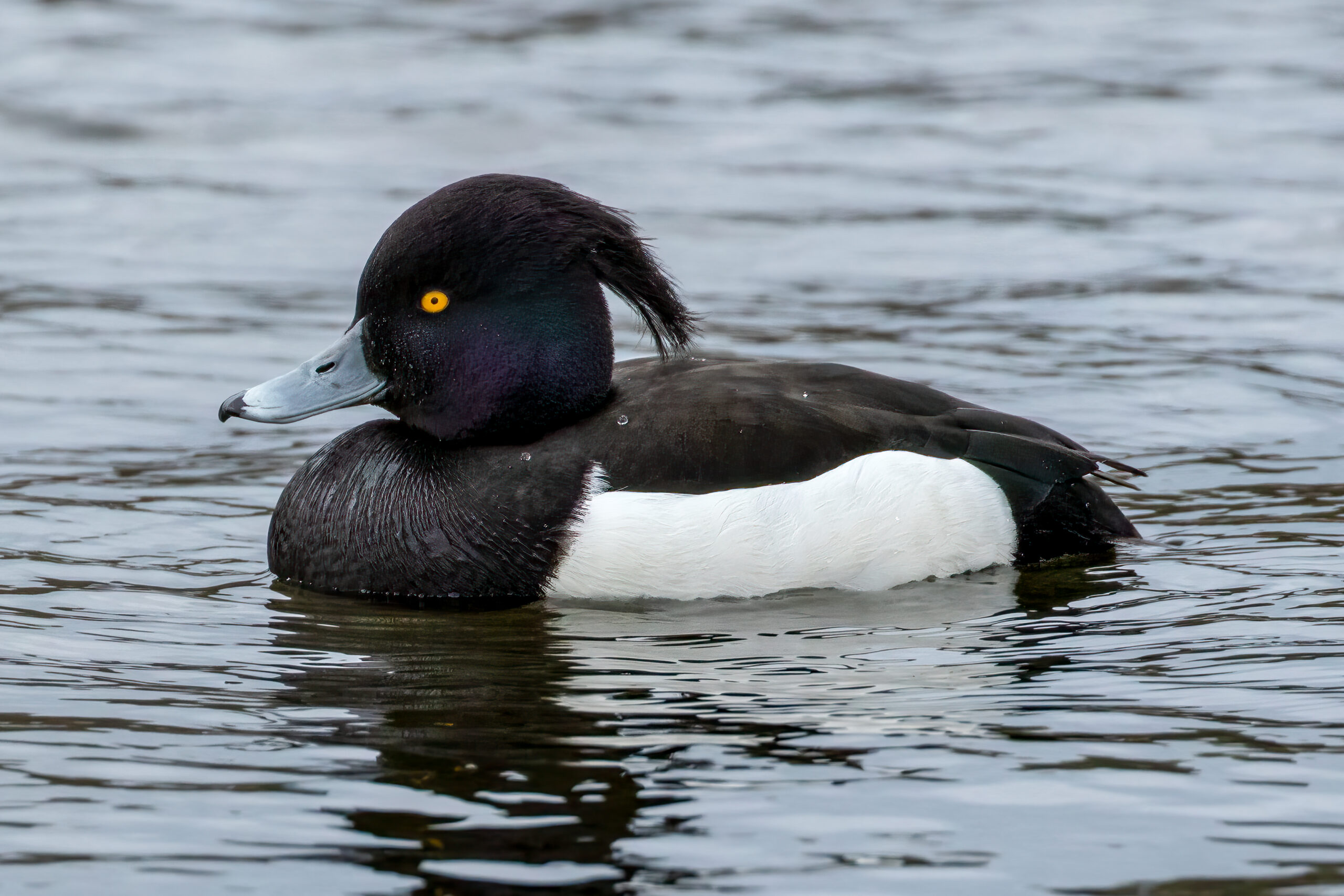
Finland’s tufted duck (Aythya fuligula) breeding-pair index was 49% below the long-term average in 2026 and 15% lower than in 2025. Across the full 1986–2026 monitoring period, the index has fallen by 78%, the Natural Resources Institute Finland reported on 12 August 2026.
The index measures relative abundance, not a census
The figures come from Finland’s national waterfowl monitoring programme, coordinated by the Natural Resources Institute Finland and the Finnish Museum of Natural History. The 2026 results were based on breeding-pair counts at 1,257 sites and brood counts at 423 sites, with fieldwork carried out by volunteer hunters and birdwatchers. The breeding-pair index measures relative abundance at monitored sites rather than serving as a complete census of every tufted duck in Finland. Each monitoring time series is scaled so that its long-term mean equals 100, making annual index values relative to that reference level. Survey sites are concentrated in southern Finland.
No species-specific breeding-success index was calculated for tufted duck
The 2026 update did not provide a separate breeding-success index for tufted duck. Species-specific analyses of duckling production and brood size per breeding pair covered mallard, teal, wigeon and common goldeneye. The report therefore documents a further decline in the tufted duck breeding-pair index, but does not show whether poor reproduction in 2026 caused that decline.
Tufted duck was part of a broader long-term pattern among Finnish ducks. For most species, breeding-pair trends were negative in both nutrient-rich and nutrient-poor waters. Since the mid-1990s, duck numbers collectively have fallen by more than 50% in eutrophic waters and by about 20% in oligotrophic waters. During the past decade, the combined trend was broadly stable in nutrient-poor waters while decline continued in nutrient-rich habitats. These are community-level patterns across duck species, not a demonstrated explanation for the tufted duck trend itself.
The 78% decline was among the steepest long-term changes reported in the 2026 update. Northern pintail declined by 75% across the monitoring period, northern shoveler by 71% and Eurasian coot by 76%. The monitoring release documents the scale and direction of these changes but does not assign the tufted duck decline to a specific cause.
Population & status
Related news
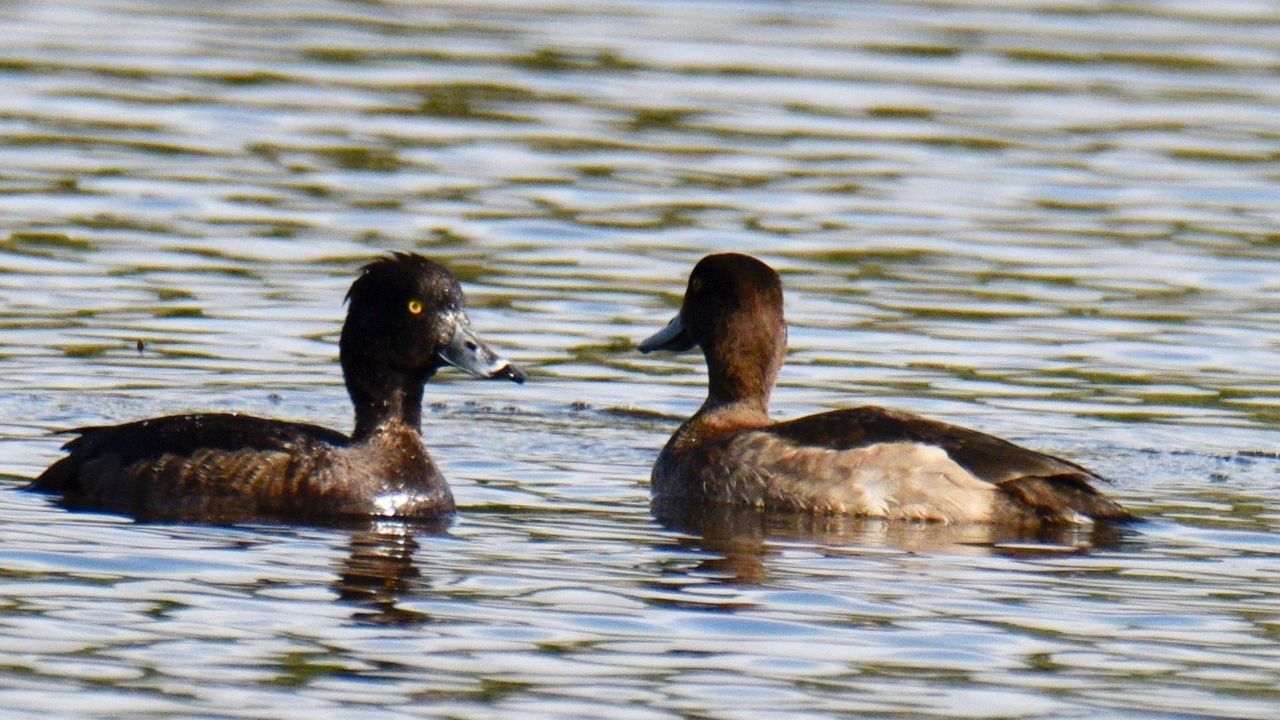
UK Winter Waterbirds Diverged: Tufted Duck Index Hit a Four-Decade Low as Canada Goose Index Rose 60%
Official UK winter-waterbird statistics published on 16 April 2026 showed a four-decade low for tufted duck while the…
Read story →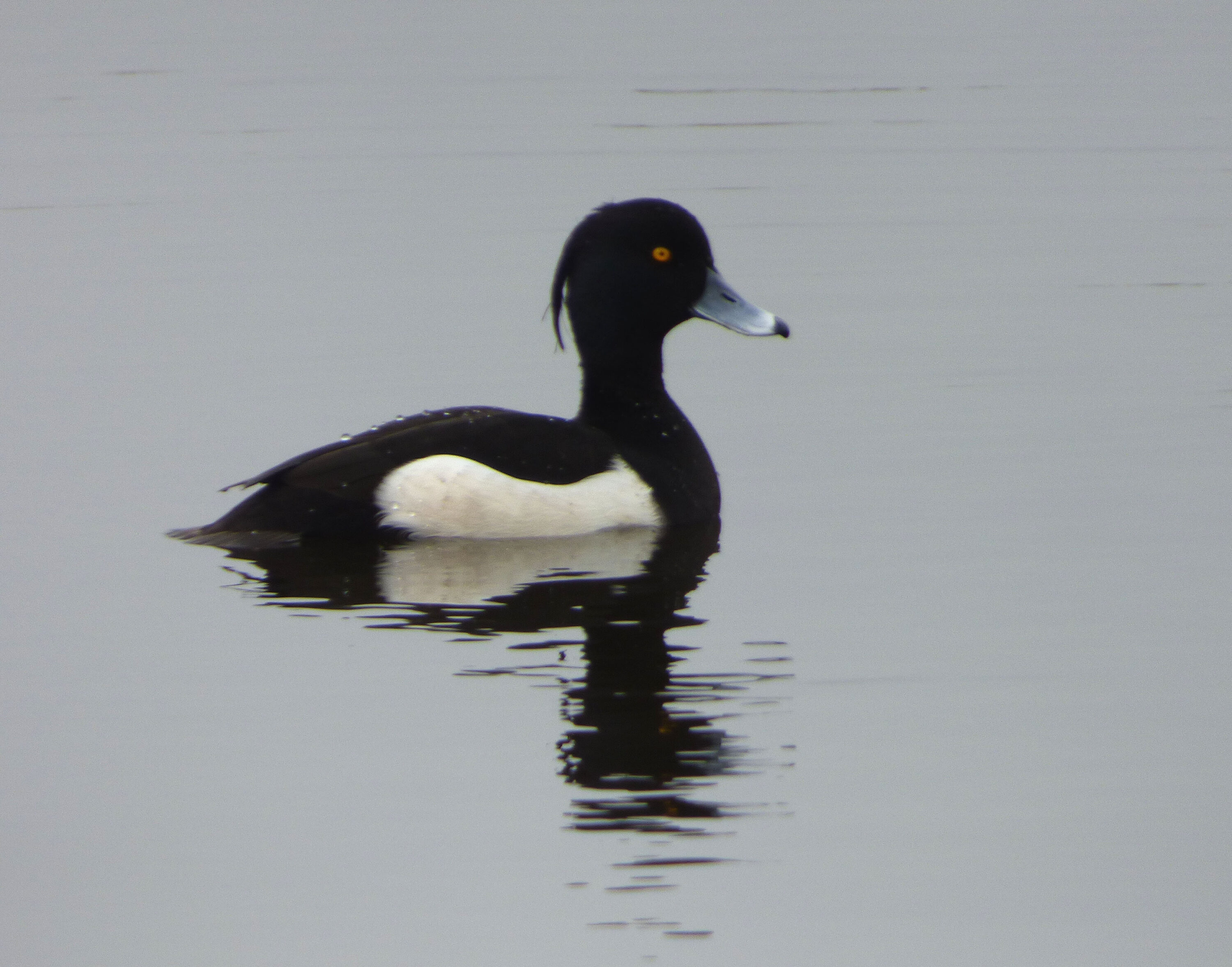
Active Monitoring in Bergen Detected H5N1 in Apparently Healthy Tufted Ducks
Expanded surveillance during a February H5N1 outbreak in the Bergen area found that apparently healthy tufted ducks could…
Read story →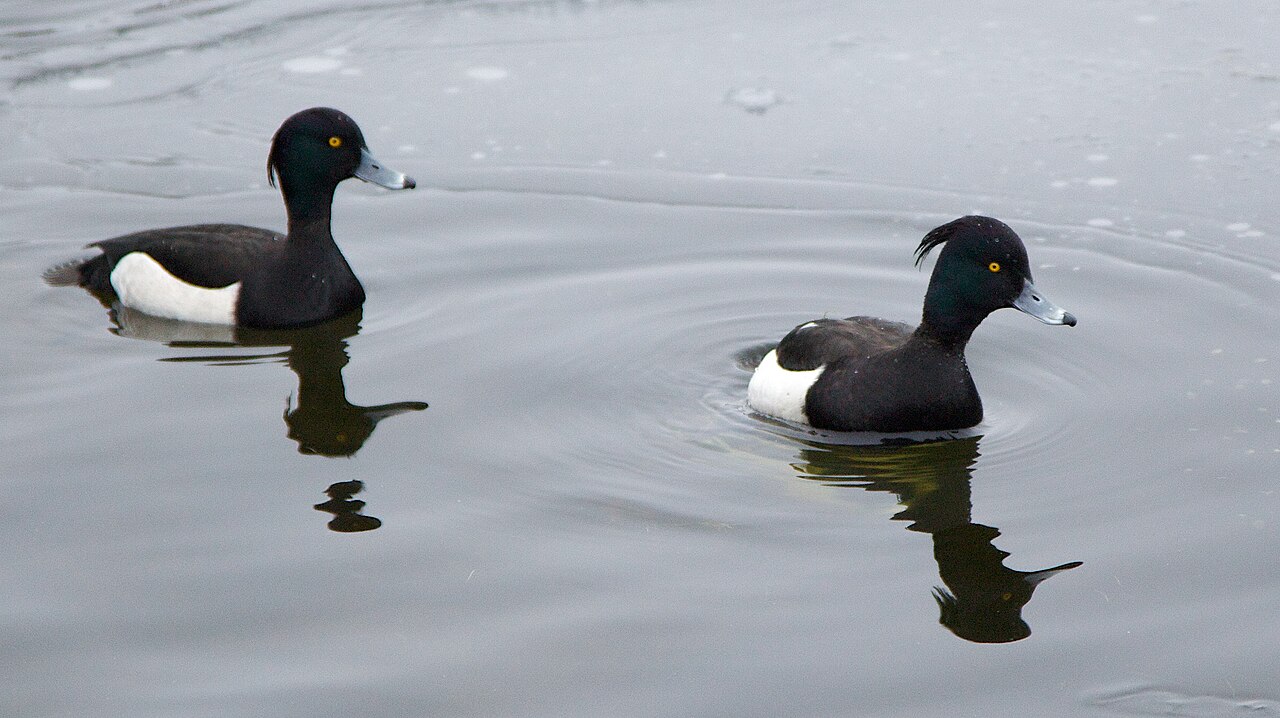
Tufted Ducks Were More Abundant Around Forsmark’s Cooling-Water System in Winter
Six years of counts at Sweden’s Forsmark nuclear power plant found tufted ducks more abundant in cooling-water-affected areas…
Read story →SPECIES IN THIS STORY
Species in this story
Independent research and conservation news archive
Did you find this information useful?
Wildlife Vagabond is independently built and maintained. Voluntary support helps cover source verification, hosting and continued work on research and conservation news.
Support Wildlife VagabondThe news archive will remain freely available.