
Adult Conditions Shape How Early Body Mass Relates to Adult Weight in Great Tits
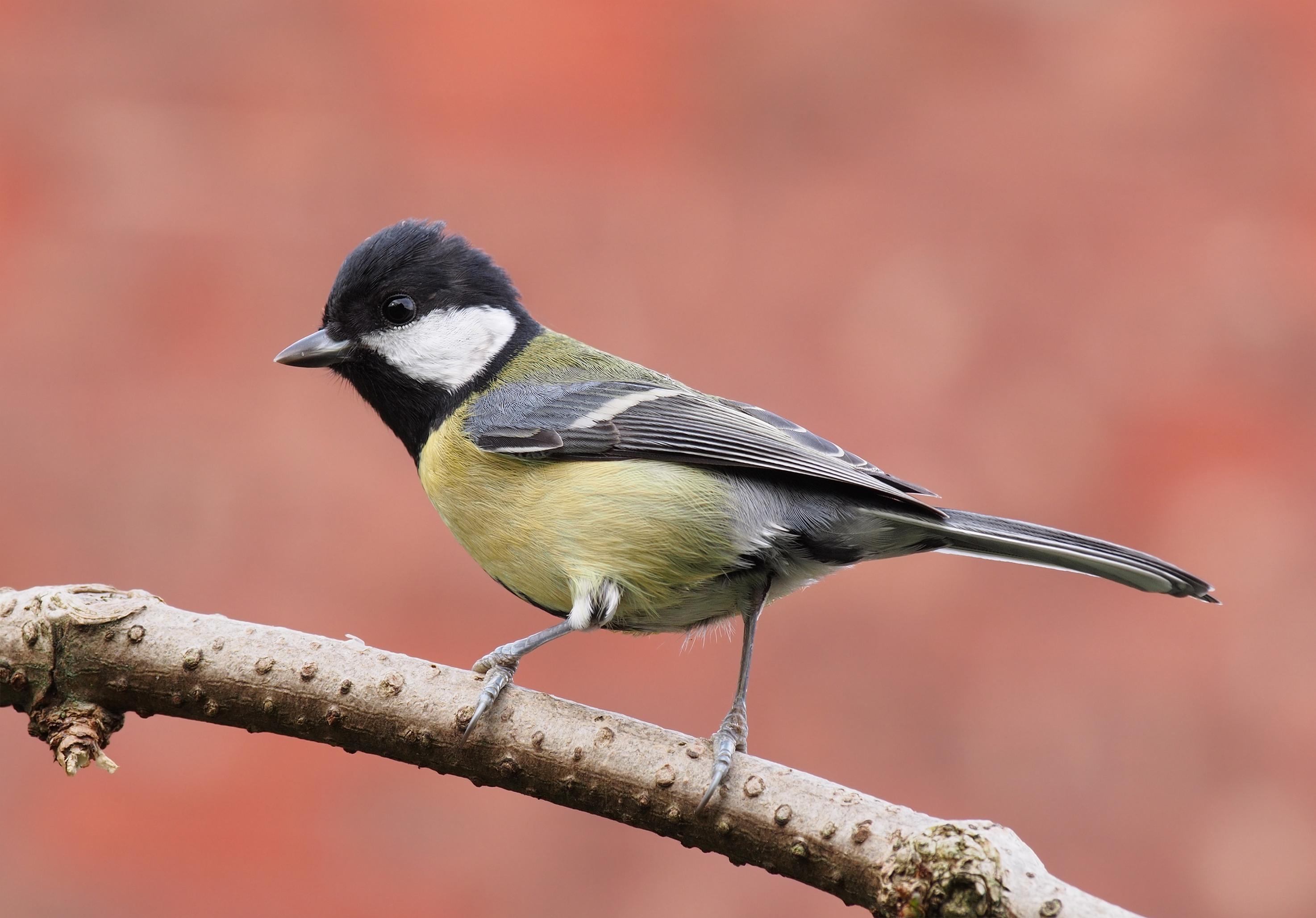
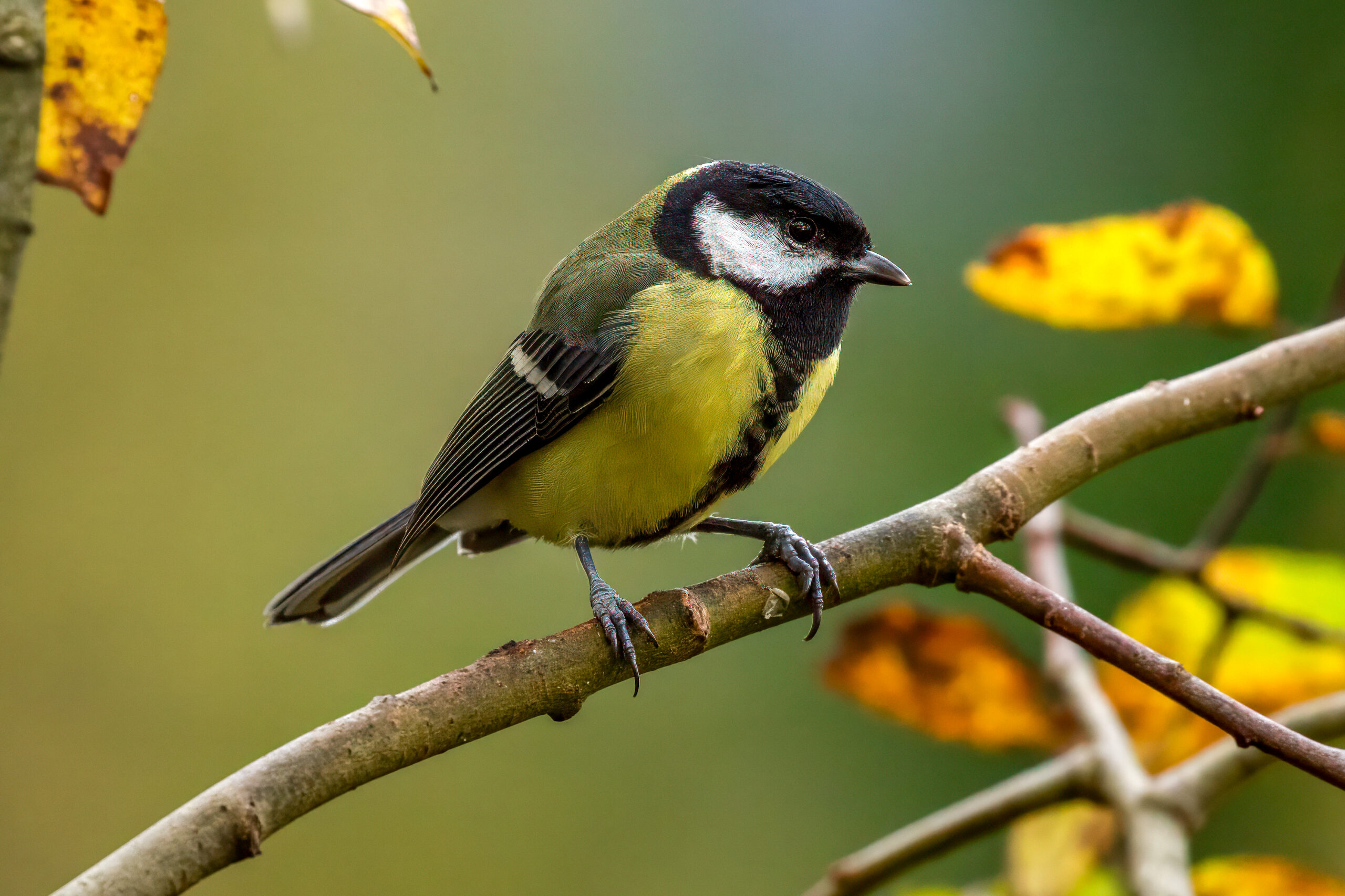
In a wild population of great tits (Parus major) at Wytham Woods near Oxford, researchers used 40 years of records to examine how body mass early in life relates to mass in adulthood. The two were clearly associated: the correlation was about 0.7, meaning birds that were heavier early in life tended also to be heavier as adults. But the strength of this link changed with environmental conditions.
The association varied with temperature, rainfall and population density during both life stages. Conditions in adulthood largely determined whether early differences persisted. Under benign adult conditions, the patterns suggested compensatory growth: birds that were lighter early in life may partly catch up, weakening the link between early and adult mass. Population density also altered how early-life differences carried through, though the study does not support one simple direction of effect across all conditions.
The researchers found no evidence that the genetic association between early and adult body mass changed with the environment. Instead, they attributed almost all of the changing association to environmentally sensitive differences among individuals that were not genetic. In this population, then, early body mass remained informative about adult mass, but how closely the two tracked each other depended largely on the conditions birds experienced later in life. The study is currently available as a preprint.
Ecology
Related news
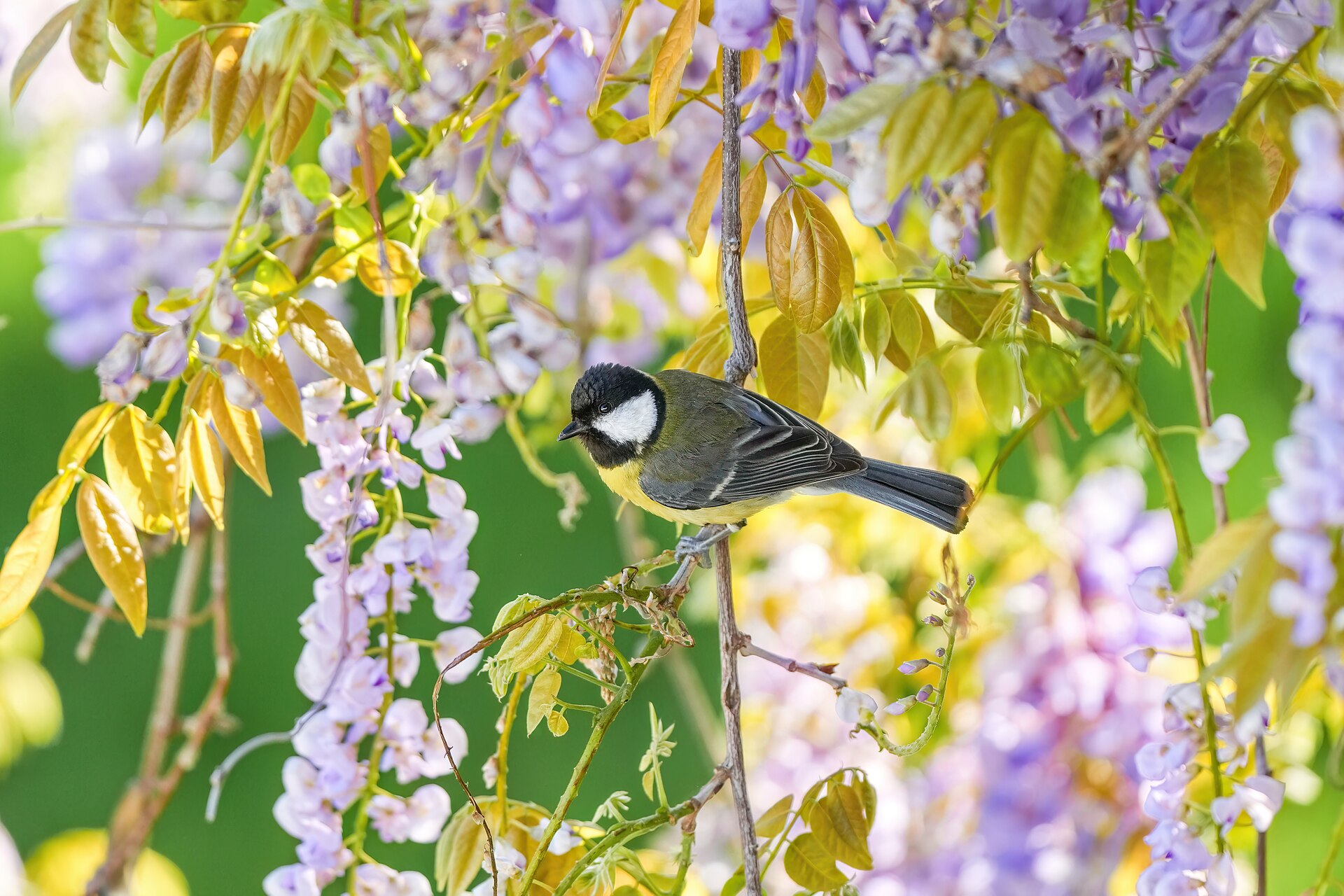
Great Tit Measurements Followed Different Patterns with Warmth and Over Four Decades
Measurements of Great Tit eggs, nestlings and adults in eastern Spain show that relationships with warmer conditions did…
Read story →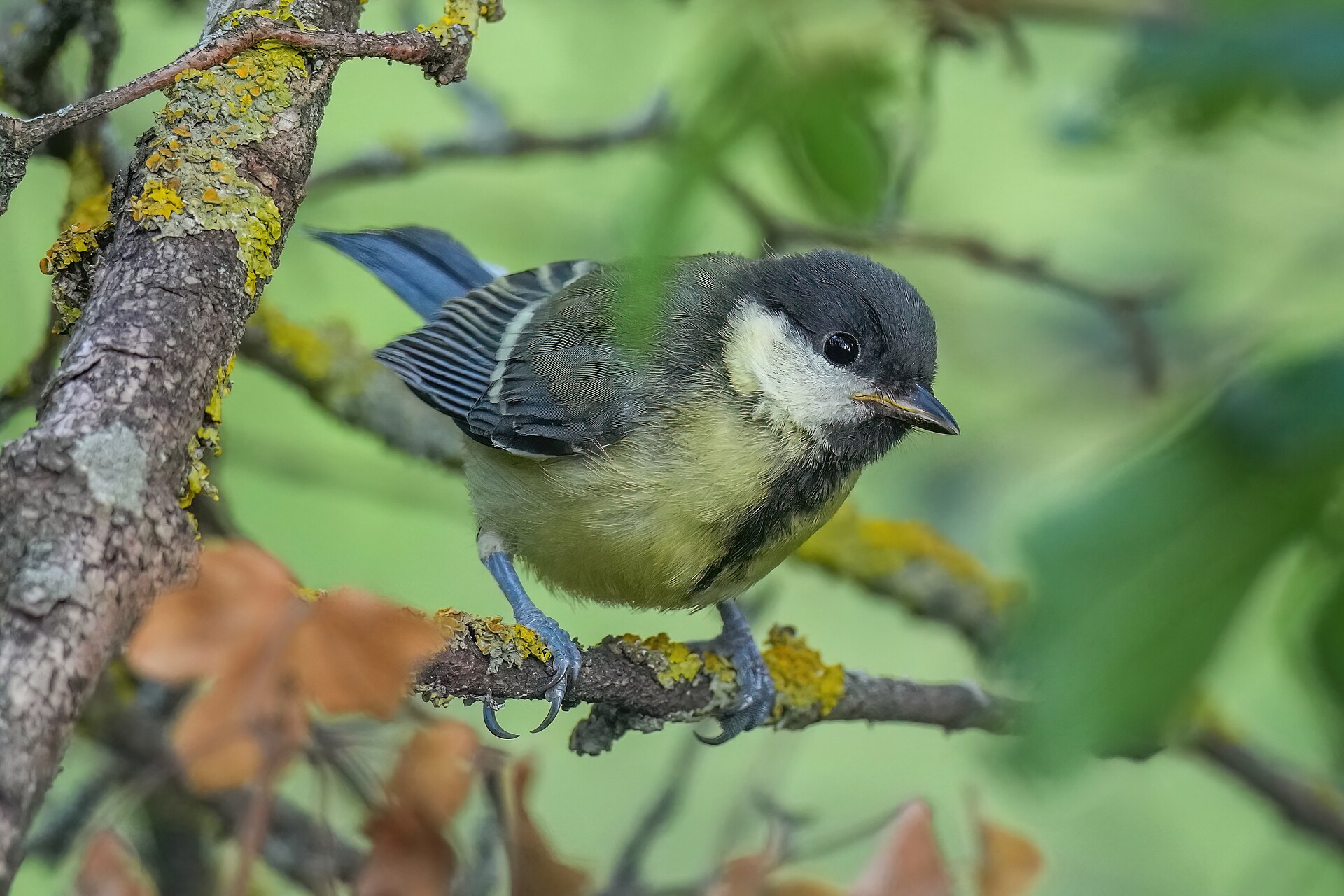
Alkaloid-rich moths may put extra metabolic strain on great tits
In a six-day feeding experiment, great tits given moths with higher levels of pyrrolizidine alkaloids made greater use…
Read story →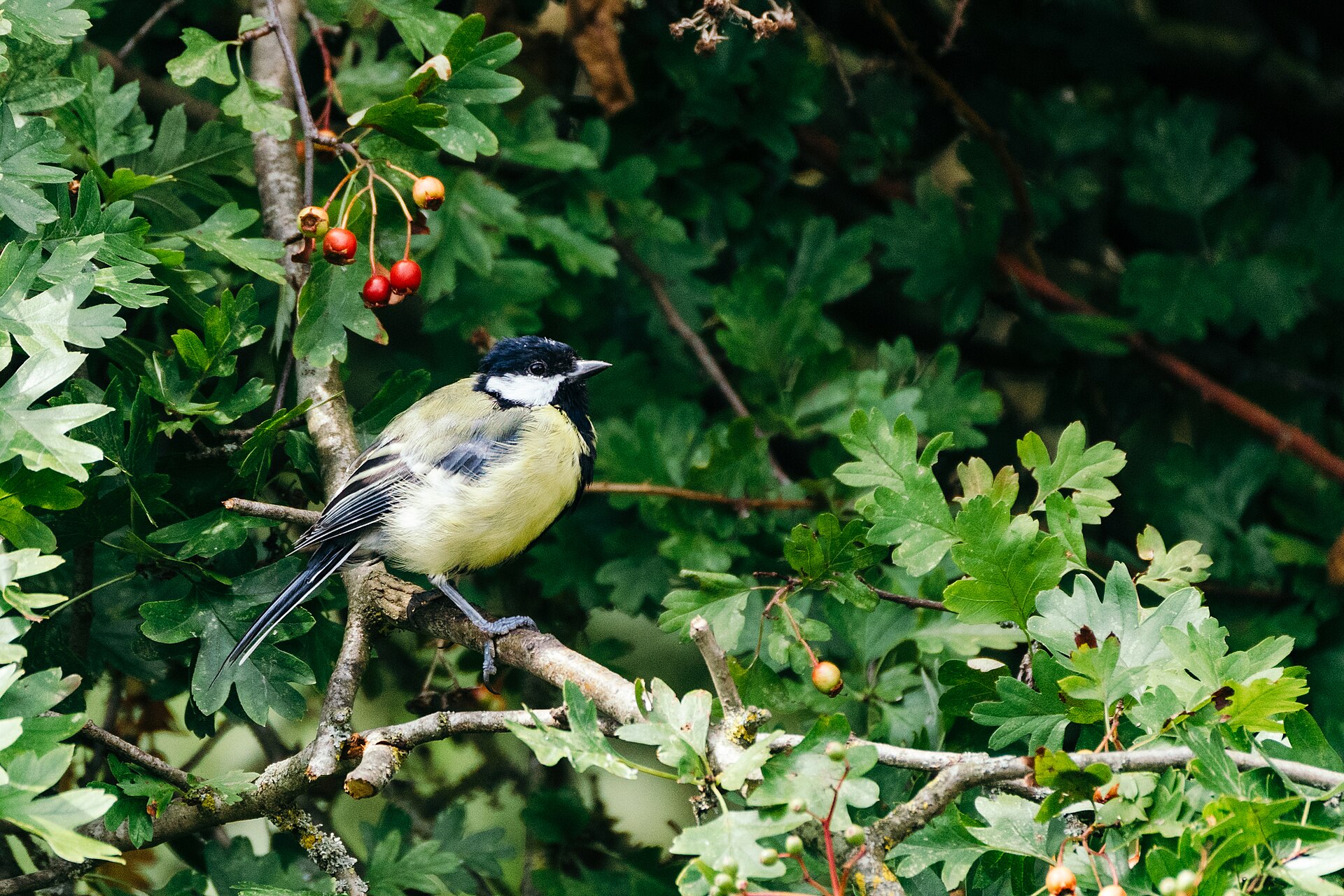
City and Forest Great Tits Respond Differently to Artificial Light at Night
In a common-garden experiment, artificial light initially advanced daily activity onset in great tits from both city and…
Read story →SPECIES IN THIS STORY
Species in this story
Independent research and conservation news archive
Did you find this information useful?
Wildlife Vagabond is independently built and maintained. Voluntary support helps cover source verification, hosting and continued work on research and conservation news.
Support Wildlife VagabondThe news archive will remain freely available.