
Andalusian Roe Deer Had Smaller Antlers With Thicker Bases Than Other European Populations
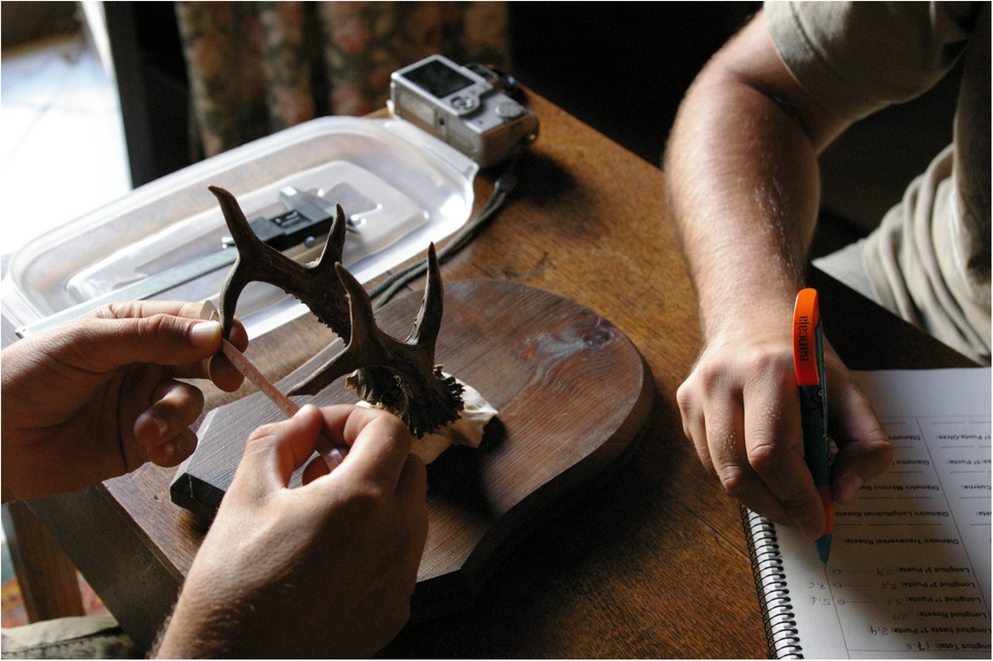
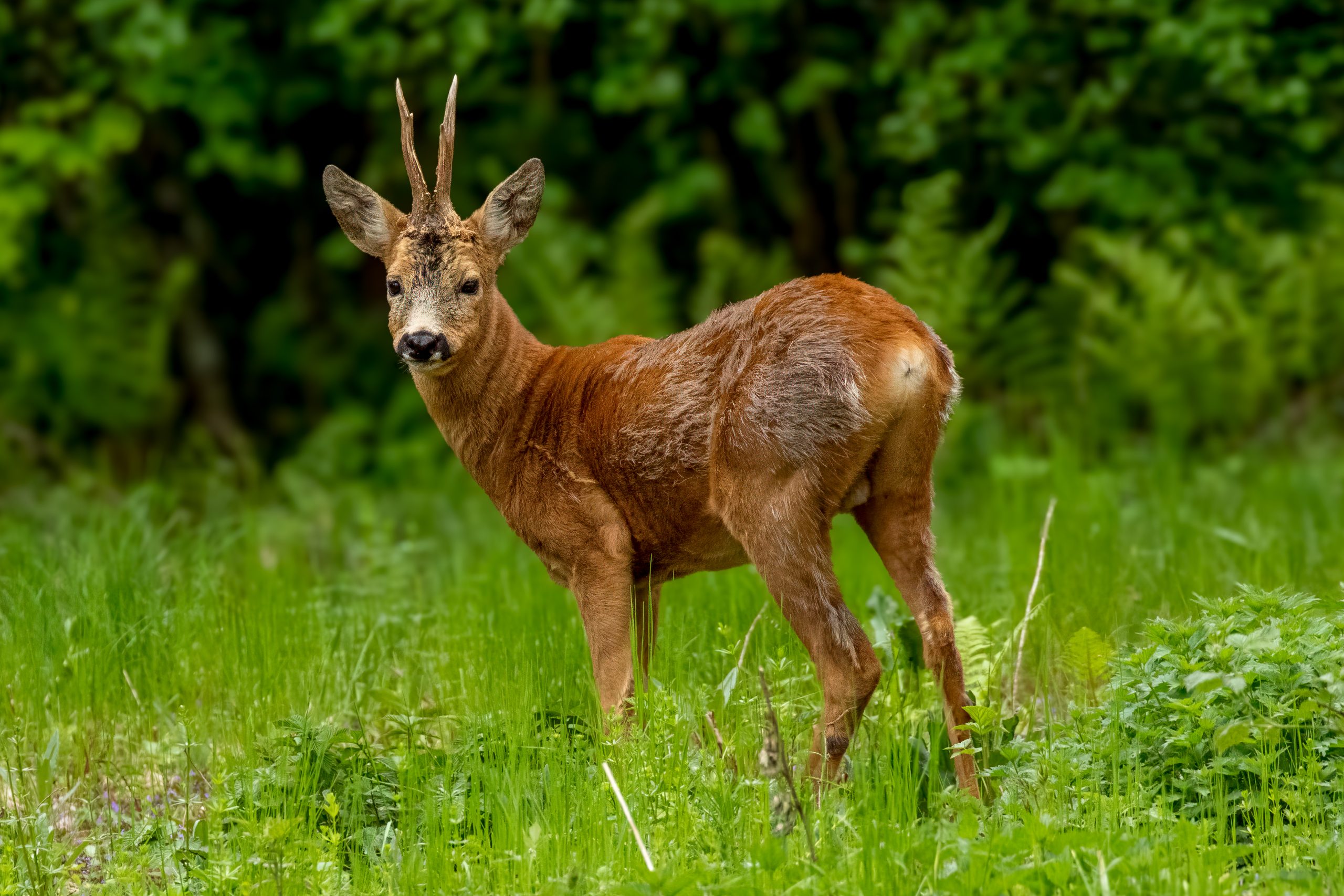
A morphometric study of European roe deer (Capreolus capreolus) antlers found a distinctive form in the isolated population of the Baetic System in Andalucía. Researchers measured 751 antler specimens from adult males in nine populations: six in Spain plus Tuscany in Italy, Hungary and Poland.
The Andalusian/Baetic antlers were significantly shorter overall and had shorter tines but thicker coronets — the burr-like bases where the antlers join the skull — than specimens grouped from central–northern Spain and central–eastern Europe. On average, the longest and widest antlers in the dataset came from Poland and Hungary.
The population showed a distinctive antler form
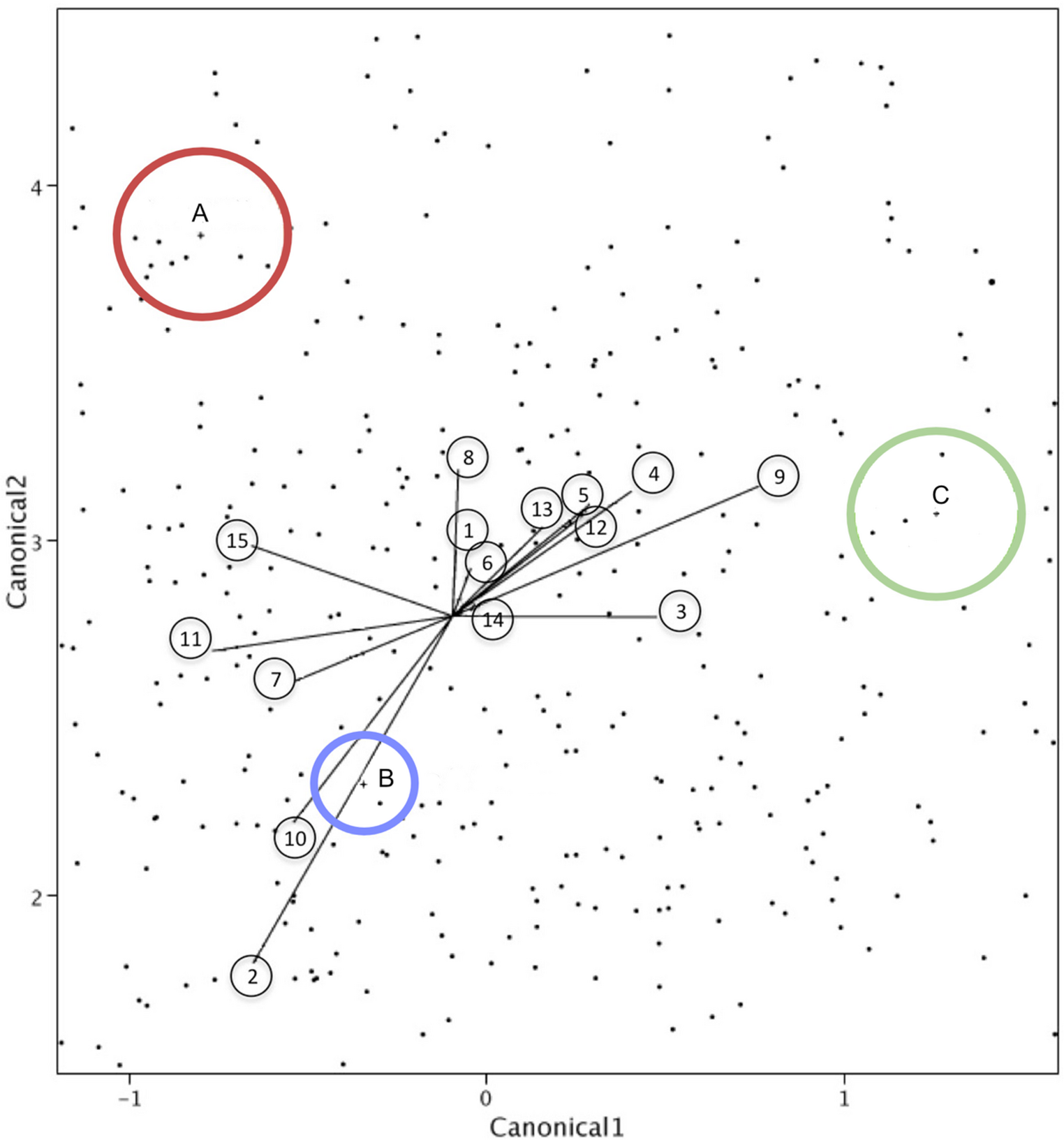
The researchers measured 15 morphological traits. Across all nine populations, antler morphology showed geographic differentiation: the Baetic System formed a distinct cluster, while Sierra Madrona showed intermediate morphology. When populations were combined into three broader groups — Andalucía, central–northern Spain and central–eastern Europe — the Andalusian group remained clearly separated.
The differences support a distinct ecotype, not a subspecies
The authors state that the antler differences, together with earlier genetic and cranial evidence, support treating the Andalusian population as a distinct ecotype and Evolutionarily Significant Unit, but not as a separate subspecies. They caution that uncontrolled translocations from other populations could erode its genetic and morphological identity.
Anatomy & morphology
Related news
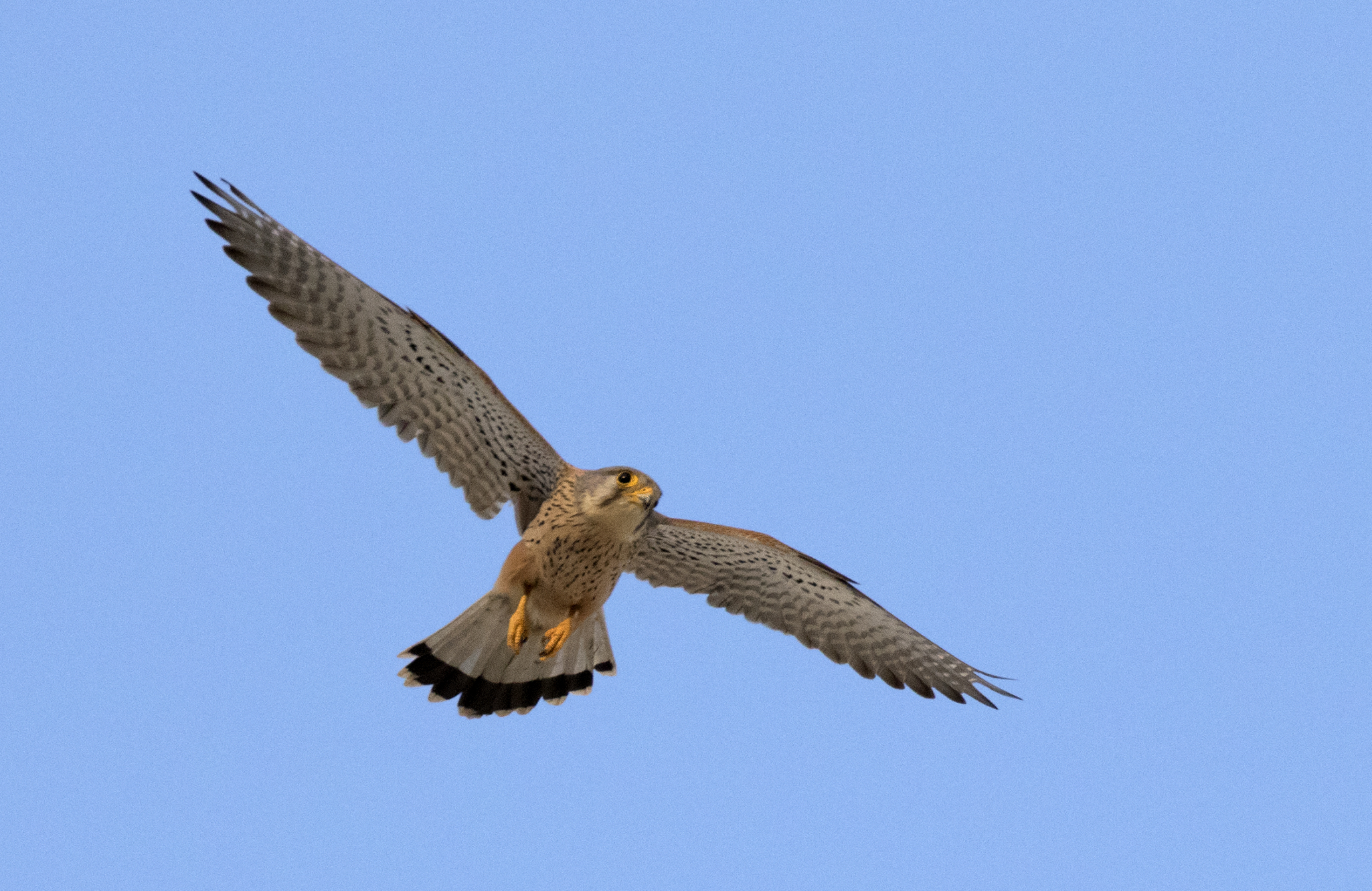
Common Kestrels Had About Twice the Tracheal Mucous-Gland Density of White Storks
A comparative study of three adult males from each of three bird species found 11.32 tracheal mucous glands…
Read story →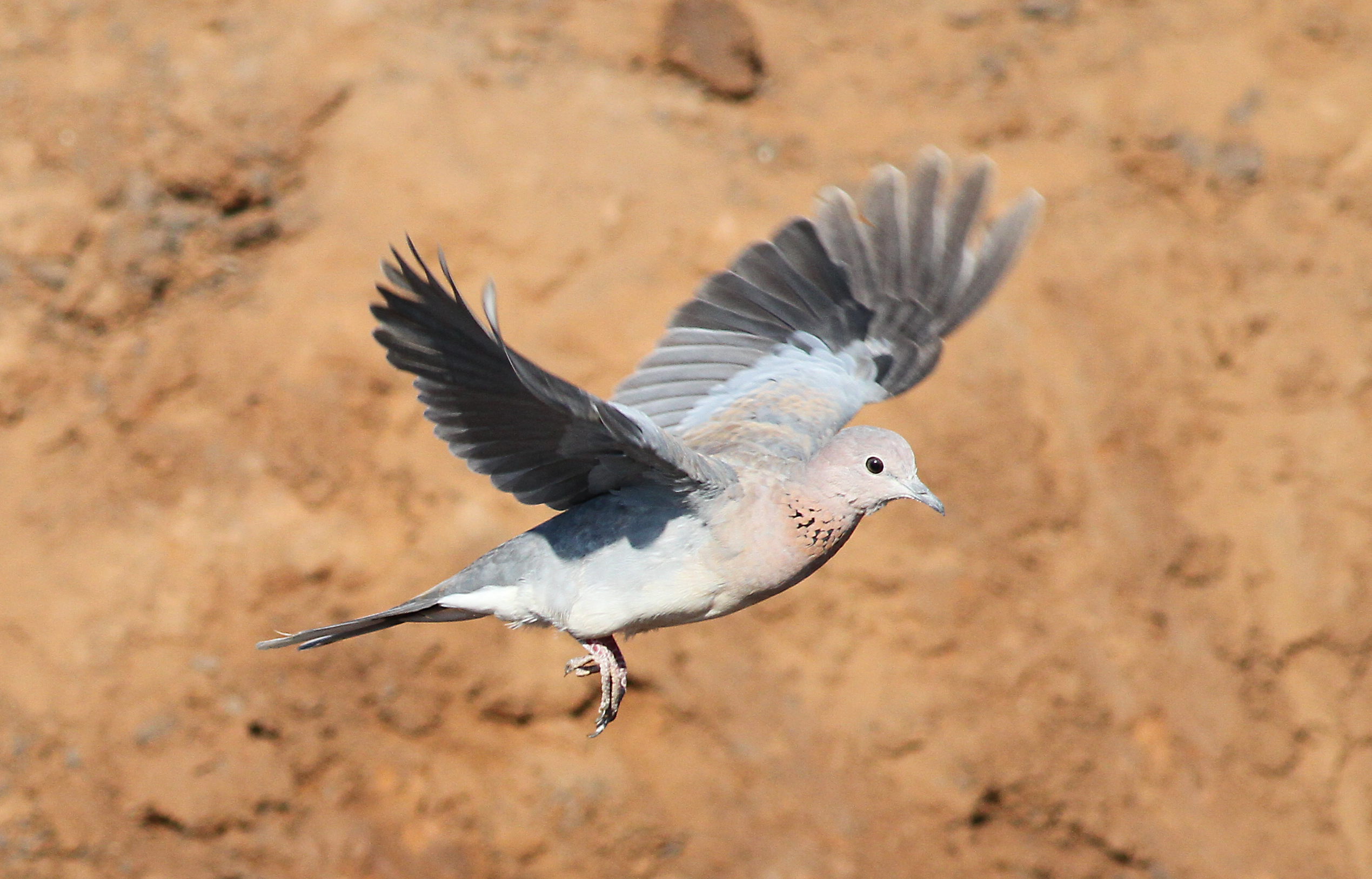
Laughing Dove Eye Pecten Mapped From 12–13 Pleats to Cell Markers
Researchers mapped the pecten oculi, a vascular structure unique to bird eyes, in the laughing dove. Its 12–13…
Read story →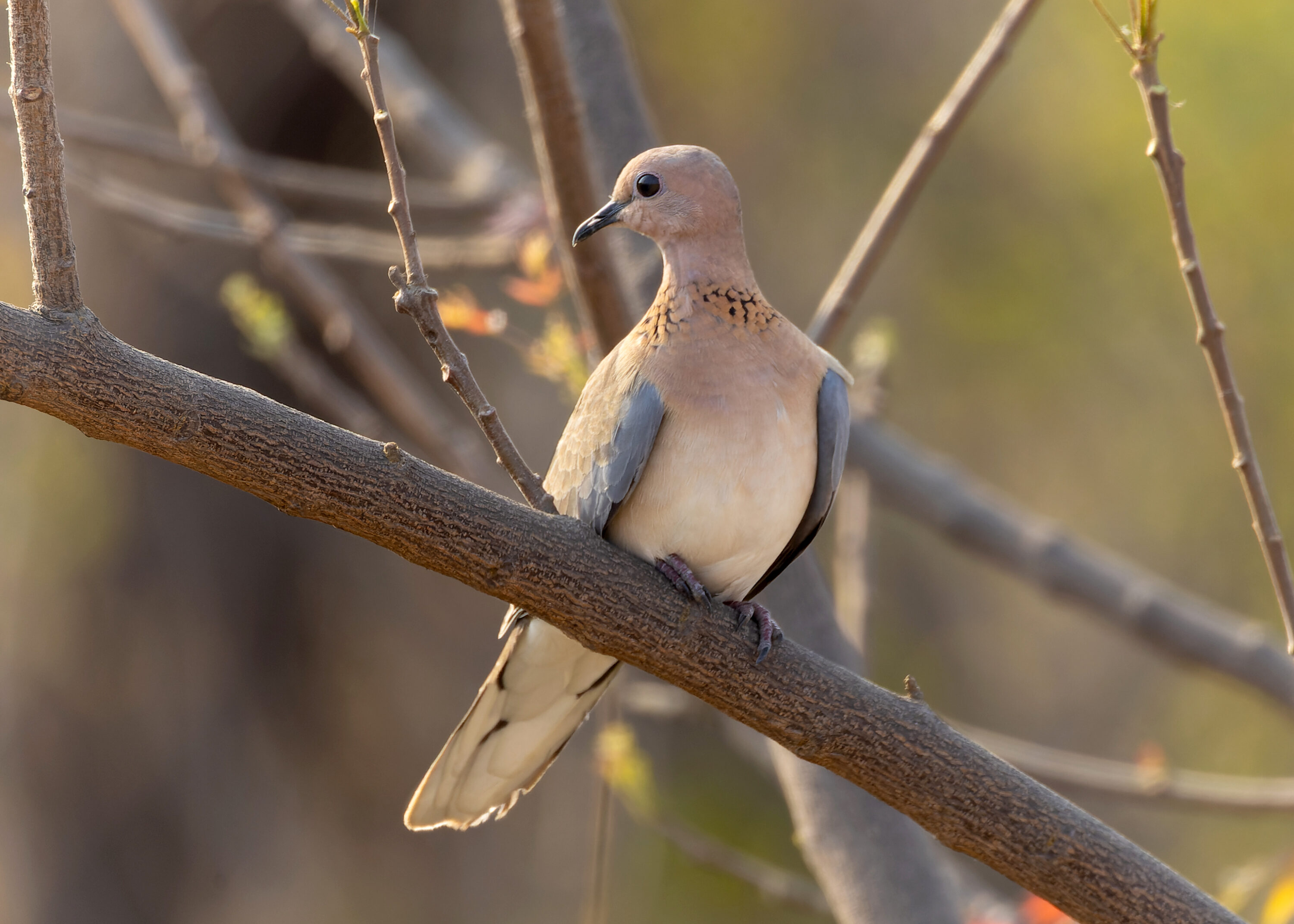
Progressive Greying Recorded in a Laughing Dove in Asia for the First Time
An adult laughing dove photographed in Karnataka, India, had localised white feathers on the head and shoulder region.…
Read story →SPECIES IN THIS STORY
Species in this story
Independent research and conservation news archive
Did you find this information useful?
Wildlife Vagabond is independently built and maintained. Voluntary support helps cover source verification, hosting and continued work on research and conservation news.
Support Wildlife VagabondThe news archive will remain freely available.