
AOS Proposal Recommends Recognizing New World Great Egrets as Ardea egretta
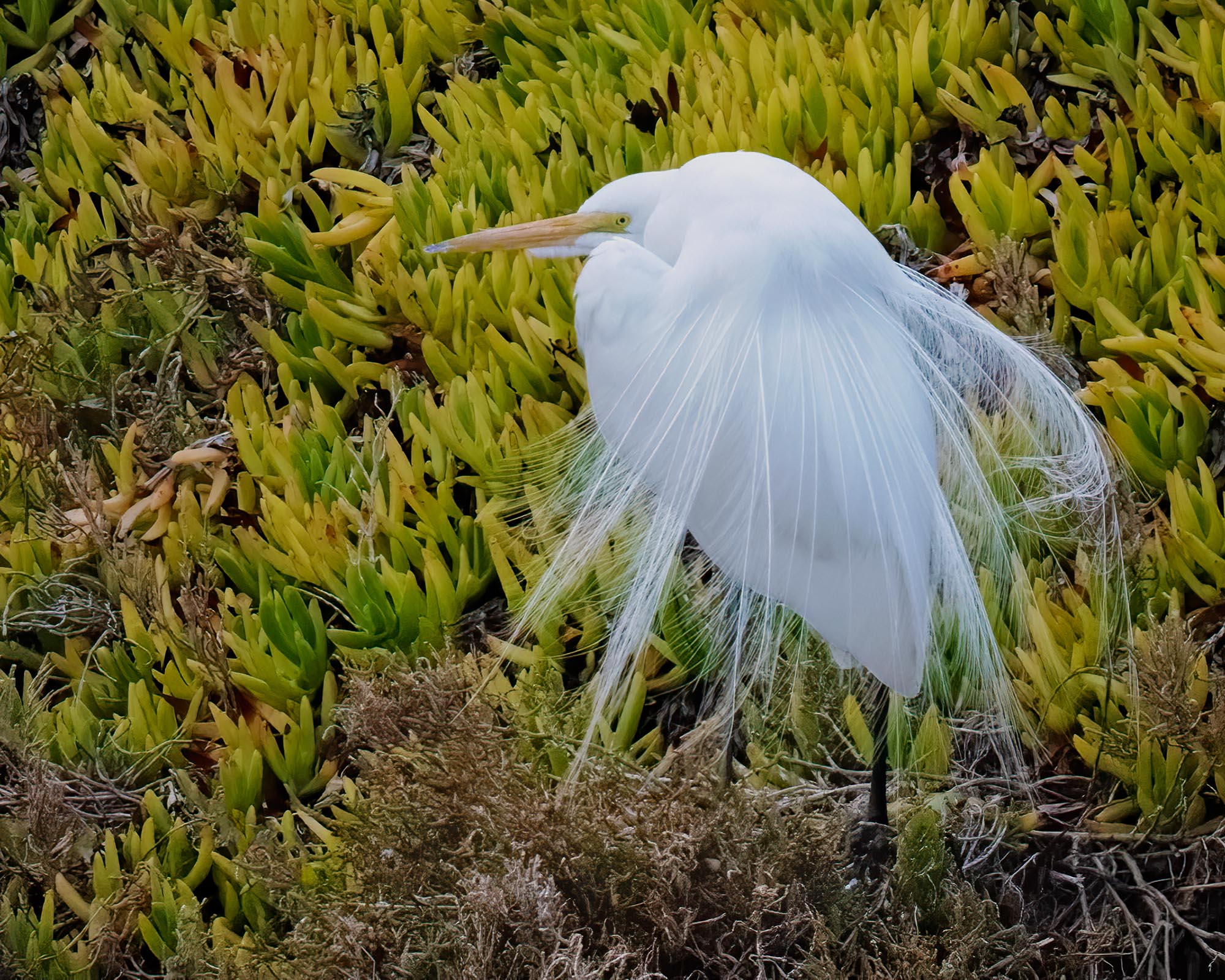
A 2026 proposal to the American Ornithological Society’s North and Middle America Classification Committee argues that the great egret complex (Ardea alba) should no longer be treated as a single cosmopolitan species. The strongest recommendation is to recognize the New World form egretta as a separate species, Ardea egretta. The proposal also considers whether the Asian–Australasian modesta should become Ardea modesta.
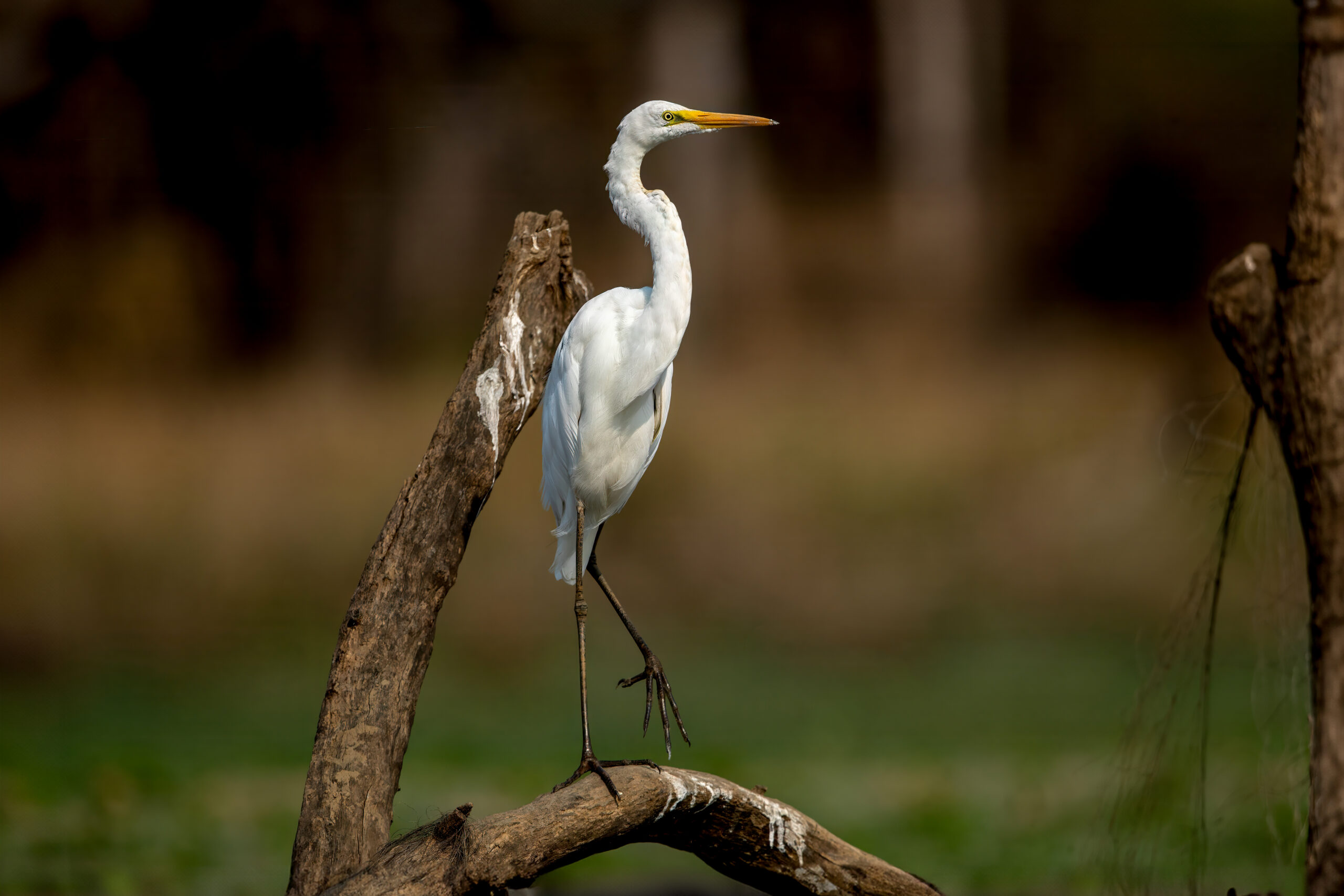
The current treatment recognizes four well-defined subspecies: nominate alba across much of the western Palearctic and into northeastern Asia, melanorhynchos in sub-Saharan Africa and Madagascar, modesta from Pakistan through eastern Asia to Australasia, and egretta in the Americas.
Several independent traits set New World egretta apart
The proposal brings together differences in breeding coloration, non-breeding head pattern, body structure, ornamental plumes, calls and limited genetic evidence. In full breeding condition, New World egretta differs especially in bill coloration: unlike the three Old World forms, the entire bill does not become black. Its flight calls are also described as croaking rather than the rattled calls typical of the Old World taxa.
Recent work on more than 1,000 photographs also found consistent differences among the four forms in non-breeding facial pattern and head structure. The proposal further notes that egretta tends to have heavier-shafted breeding plumes than alba and melanorhynchos. Available genetic evidence is limited, but one study found greater divergence between egretta and modesta than in several recognised heron species pairs. Taken together, the authors strongly recommend recognizing egretta as a separate species.
The case for modesta is less settled
The Asian–Australasian modesta differs from nominate alba in body size, plume structure and the pace and pitch of its rattling flight call. The limited molecular data also suggest substantial divergence. Two of the three proposal authors therefore support recognizing modesta as a separate species, while the third remains unconvinced and also questions whether that extralimital split falls within the committee’s remit.
All three authors agree that splitting African melanorhynchos from alba would be premature. Although it differs in features such as the long dark gape and some soft-part coloration, its calls and breeding plumes resemble those of alba, and genetic data are lacking.
If only egretta is split, the proposal suggests American Great Egret for Ardea egretta, while a new English name would be needed for the remaining Old World complex. If modesta is also split, the suggested names are Eastern Great Egret for A. modesta and Western Great Egret for A. alba including melanorhynchos. The proposal remains under consideration: the current AOS checklist still treats Great Egret as a single species, Ardea alba.
Evolution & taxonomy
Related news

Six of Seven GPS-Tracked Great Egrets Returned to the Same Wintering Grounds
Six of seven great egrets tracked across at least two complete winters returned to the same wintering grounds;…
Read story →
Poland’s Breeding Great Egret Population Reached 1,150–1,250 Pairs
Poland’s breeding great egret population increased by 84% from 2013 to 2025. Breeding was documented at 31 sites,…
Read story →
Bile-Duct Trematodes Found in the Lungs and Body Cavity of a Great Egret
A case report from South Korea found the bile-duct trematode Pegosomum bubulcum on the liver surface, in the…
Read story →SPECIES IN THIS STORY
Species in this story
Independent research and conservation news archive
Did you find this information useful?
Wildlife Vagabond is independently built and maintained. Voluntary support helps cover source verification, hosting and continued work on research and conservation news.
Support Wildlife VagabondThe news archive will remain freely available.