
First High-Quality Genomes for Four Asian Hornbills Show Pleistocene Declines in Effective Population Size
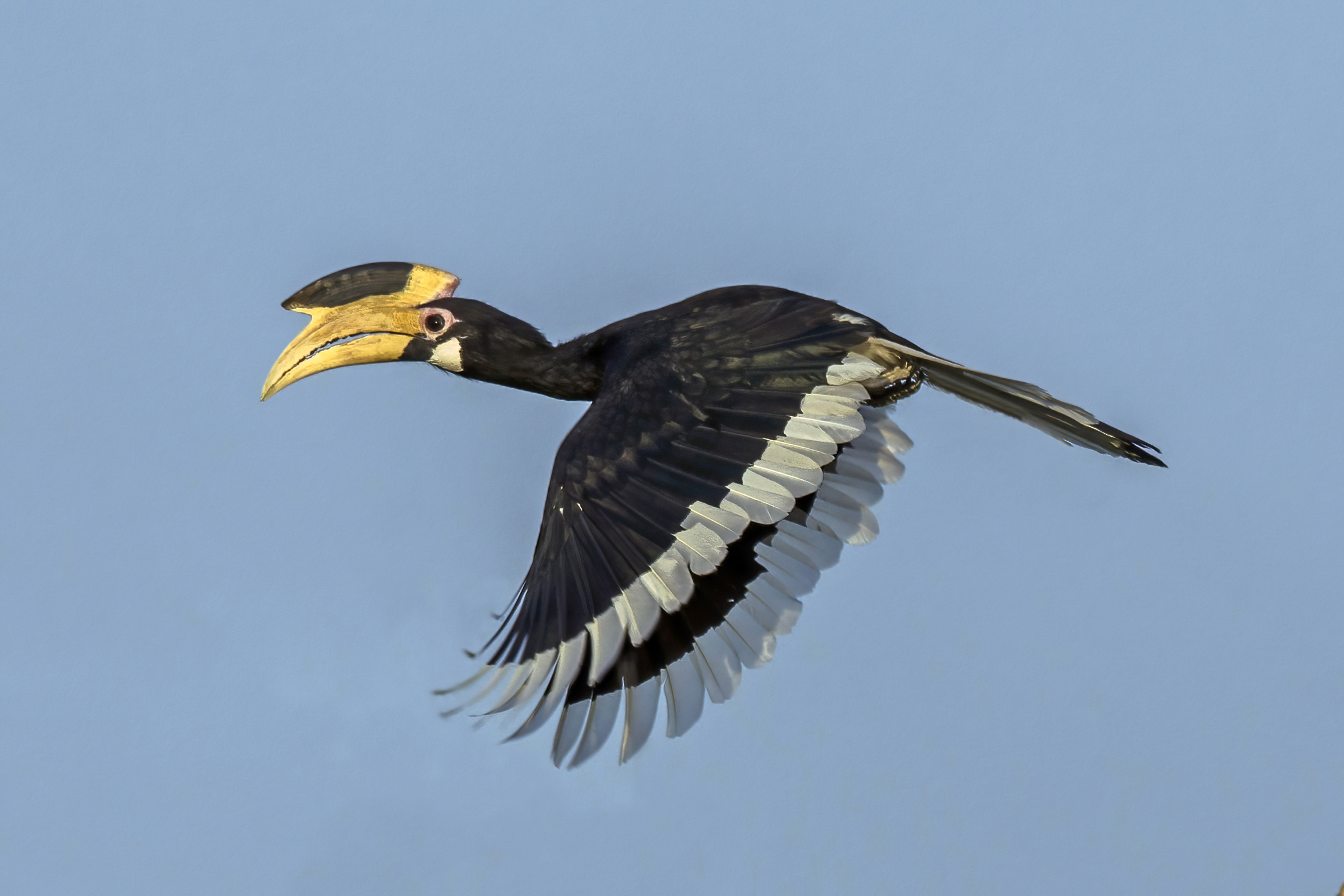
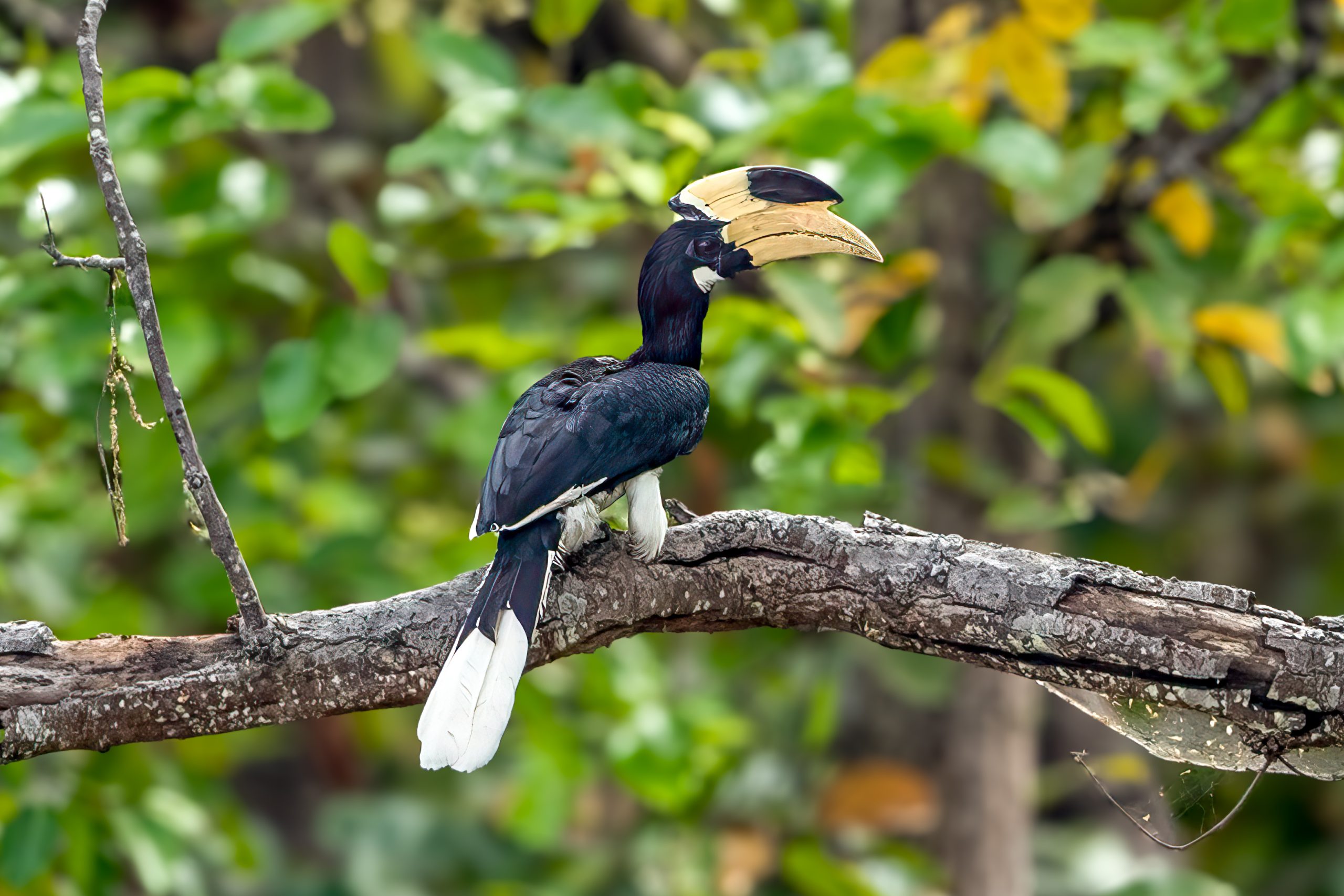
A 2026 genomic study produced the first high-quality de novo reference genomes for four threatened Asian hornbills: great hornbill (Buceros bicornis), rufous-necked hornbill (Aceros nipalensis), Malabar pied hornbill (Anthracoceros coronatus) and wreathed hornbill (Rhyticeros undulatus). The tissue material came from India and included wild, captive and trophy-derived samples.
The nuclear genomes were about 1.1–1.3 billion base pairs long and recovered at least 95.9% of the conserved genes used to assess assembly completeness. The researchers also assembled mitochondrial genomes for all four species, creating reference resources for future comparative and conservation genomics.
Keratin- and reproduction-related gene families had expanded
The four Asian hornbills shared 10,525 orthogroups. An orthogroup contains related genes in different species that descend from the same gene in a common ancestor and can therefore be compared across evolutionary lineages.
Two gene families were significantly expanded in the Asian hornbill lineage compared with the reconstructed ancestral hornbill lineage. One, linked to structural keratin in feathers, beaks and claws, contained about five times more gene copies; the other, linked to reproductive and fertilisation-related functions, showed about a sevenfold expansion.
The keratin result is biologically interesting because hornbills have conspicuous beaks and casques, but the study does not demonstrate that this gene-family expansion directly produced those structures. The authors describe the comparison as preliminary because high-quality genomes are still available for relatively few hornbill species, and the new assemblies are not yet chromosome-level genomes.
The four species had different Pleistocene histories
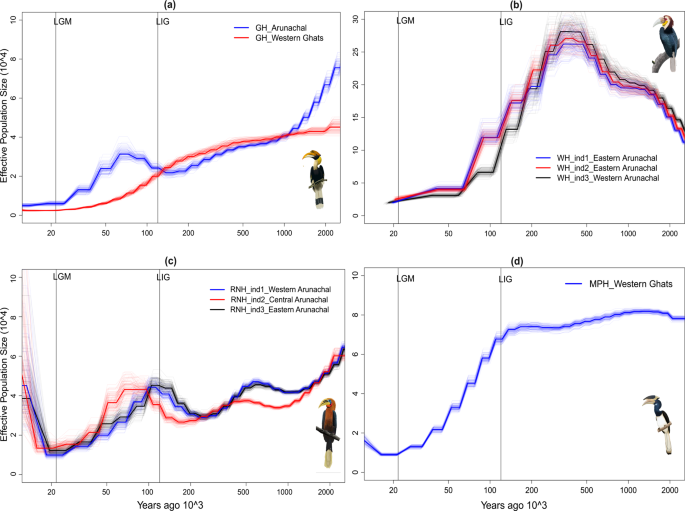
The researchers used PSMC — Pairwise Sequentially Markovian Coalescent analysis — to reconstruct how effective population size changed through the past from patterns of variation within individual genomes. Effective population size is a genetic measure of how large a population behaves in terms of ancestry and reproduction; it is not a direct count of living birds.
All four species showed an overall decline across Pleistocene climatic fluctuations, but their trajectories differed strongly. Great hornbill populations from the Himalaya and Western Ghats had their highest reconstructed effective sizes near the beginning of the Pleistocene and declined substantially afterwards. Rufous-necked hornbills showed repeated fluctuations rather than one smooth decline.
Wreathed hornbill stood out with much higher reconstructed effective population sizes than the other three species. Its trajectories peaked around 400,000 years ago and then declined sharply through the last glacial period. Malabar pied hornbill showed a comparatively stable history until around the Last Interglacial, about 120,000 years ago, followed by decline.
PSMC becomes less precise close to the present
The authors emphasise that PSMC is most accurate for this dataset roughly between 20,000 years and 3 million years ago. Estimates more recent than about 20,000 years are less reliable because fewer recombination events inform the model. Values reported around 15,000 years ago should therefore be treated as approximate parts of a reconstructed curve, not as precise historical population counts.
PSMC based on individual genomes also cannot fully represent variation within an entire species. This is particularly important for Malabar pied hornbill, for which only one high-coverage whole genome was available for the demographic reconstruction.
The genomes are resources as much as historical reconstructions
The study also catalogued nuclear and mitochondrial sequence variation, but its main contribution is broader: it adds four substantially improved genomic references to a bird family for which good-quality genomes remain scarce. These resources can support future work on population structure, adaptive variation and conservation genetics.
The demographic analysis supports a broad history of declining effective population size during Pleistocene environmental change, while the strong differences among species argue against treating climate as a single uniform driver. More genomes from more individuals and species — ideally assembled at chromosome level — will be needed to test those histories in greater detail.
Genetics & genomics
Related news
African Buffalo Herds Concentrated in Wetlands and Forest During Gambella's Dry Season
A two-year study in Ethiopia's Gambella National Park found similar but uncertain buffalo abundance estimates in 2022 and…
Read story →
Therthangal Spoonbill Colony Returned to 12 Active Nests After Complete Breeding Failure
Six breeding seasons at Therthangal Bird Sanctuary in Tamil Nadu ranged from 12 active Eurasian Spoonbill nests in…
Read story →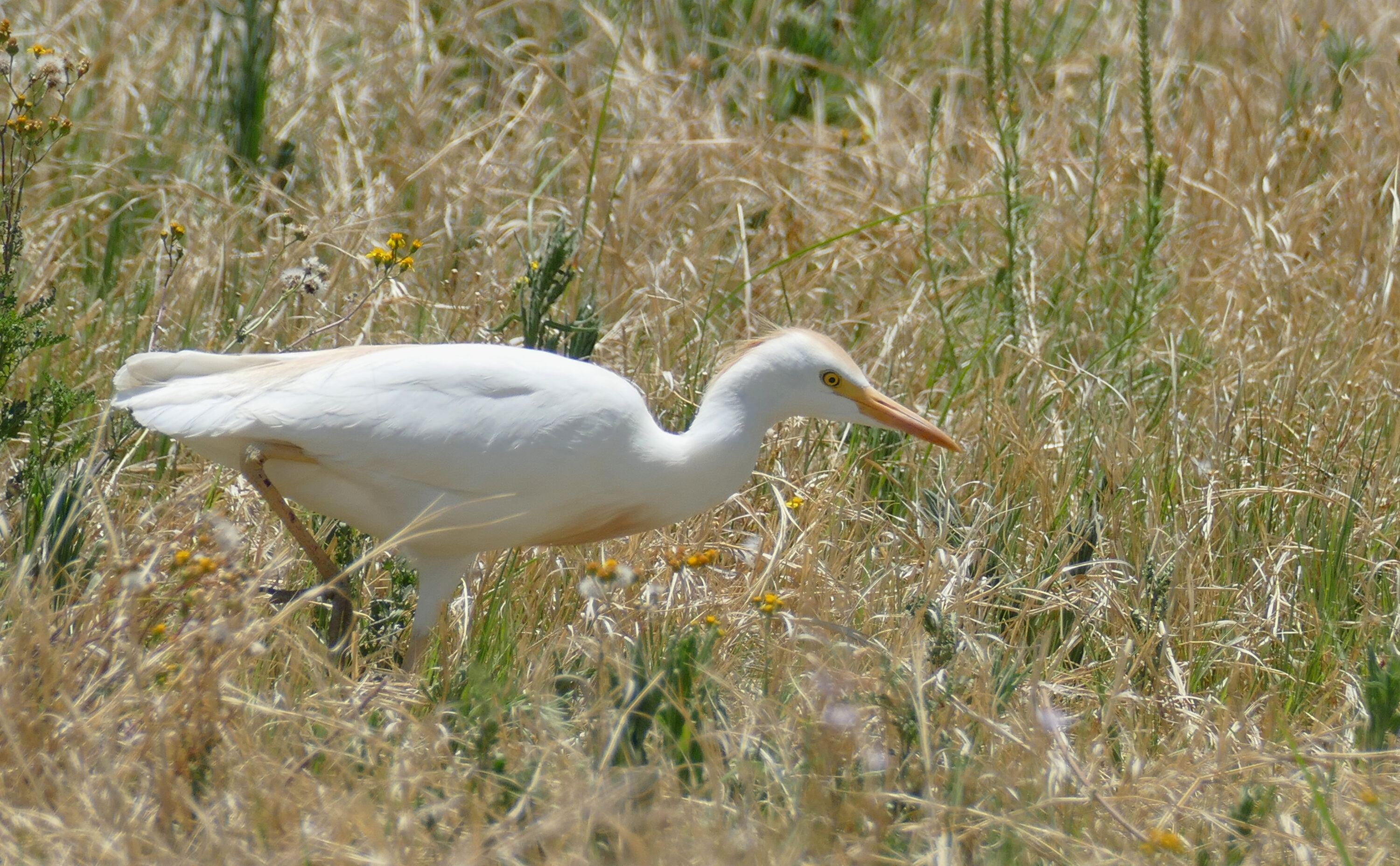
Cattle Egret Reporting Rate Rose From 0.38 to 0.60 in Southern African Atlas Data
A systematic review of 173 studies found generally stable or increasing cattle egret populations in the better-studied parts…
Read story →SPECIES IN THIS STORY
Species in this story
Independent research and conservation news archive
Did you find this information useful?
Wildlife Vagabond is independently built and maintained. Voluntary support helps cover source verification, hosting and continued work on research and conservation news.
Support Wildlife VagabondThe news archive will remain freely available.