
Lesser Black-backed Gulls Made Up 73% of Paresis Cases in Lisbon
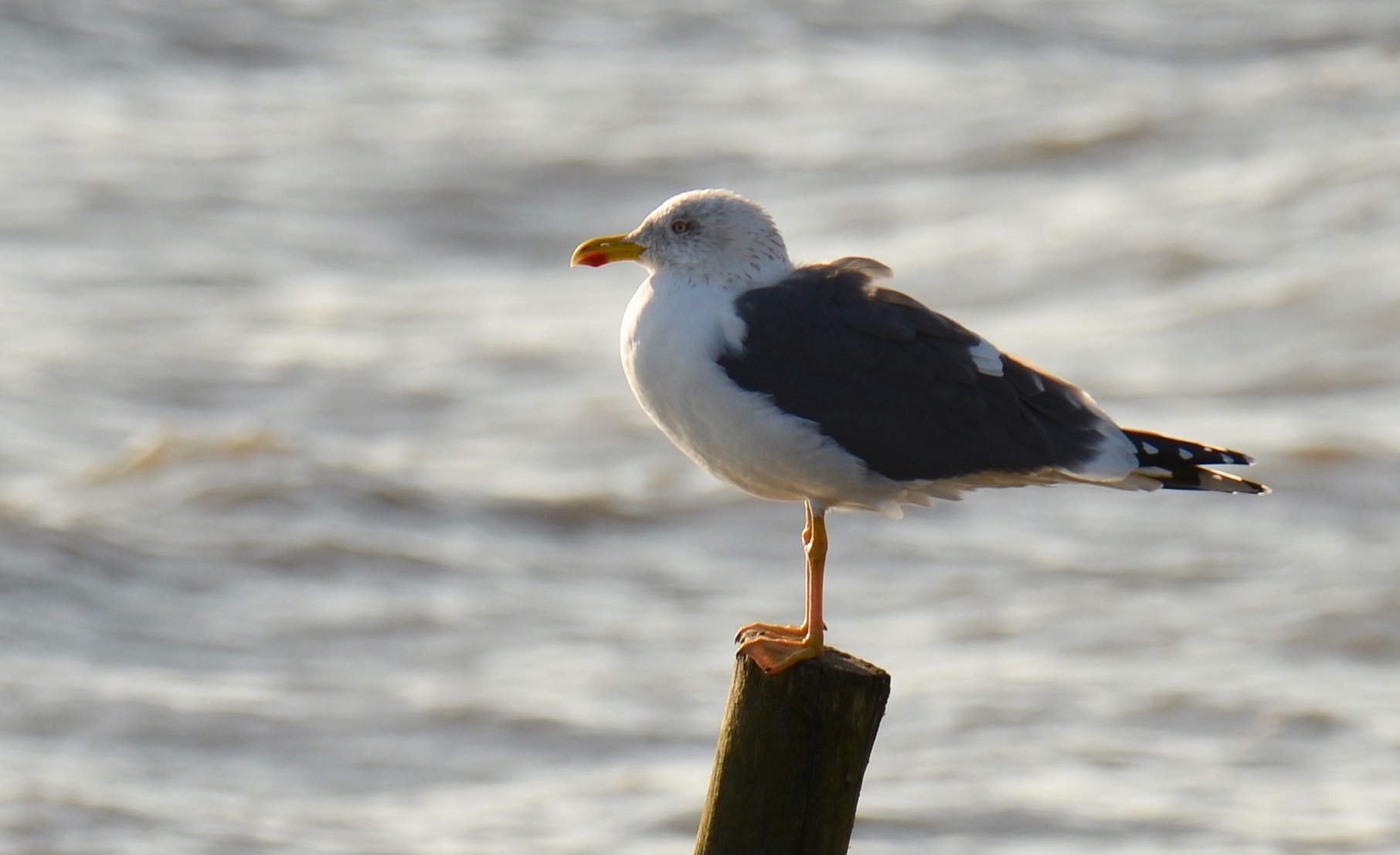
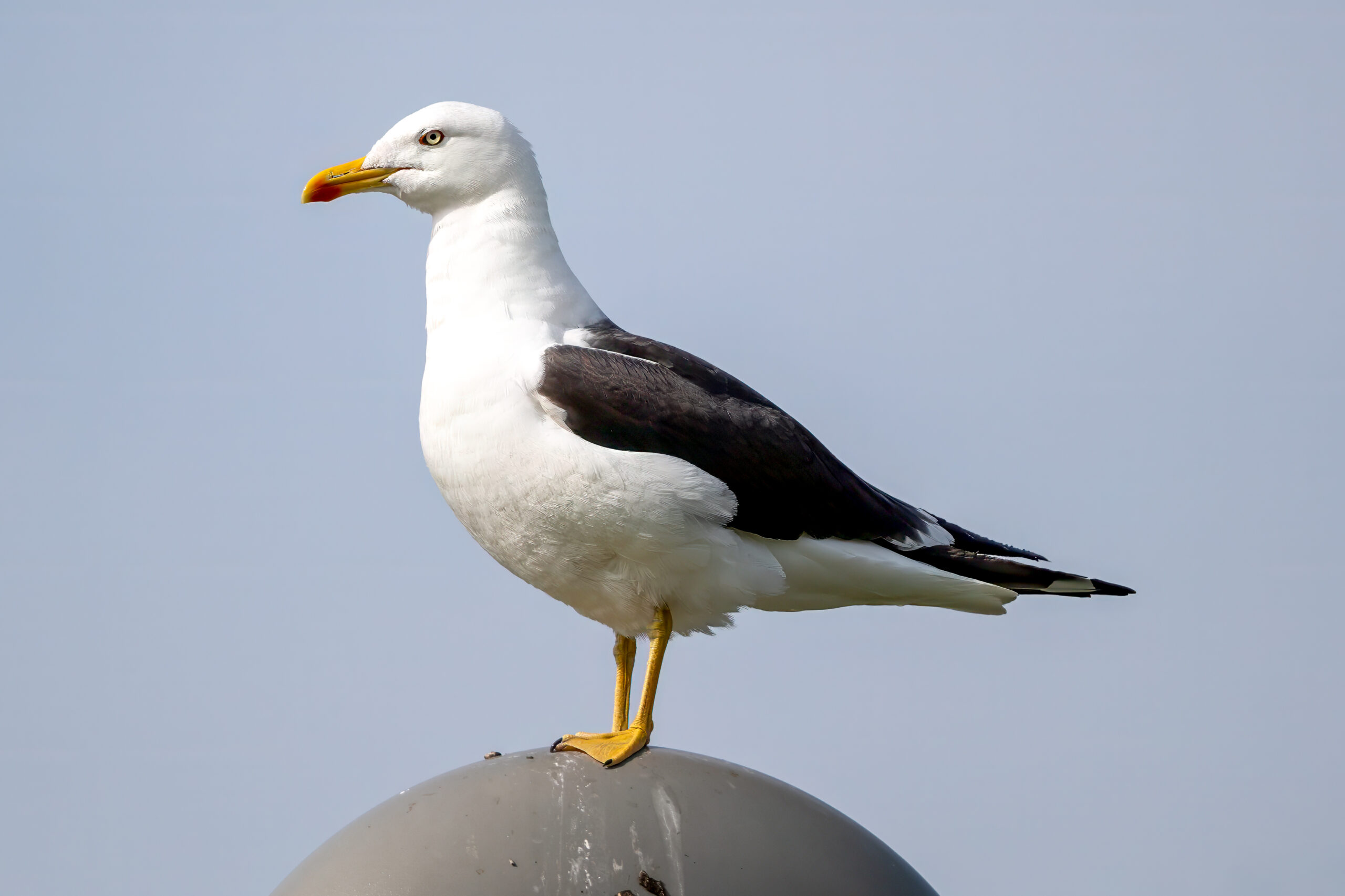
A retrospective study of gull admissions to Lisbon’s Wildlife Rehabilitation Center found that lesser black-backed gulls (Larus fuscus) made up 62% of gull admissions and 73% of gulls showing paresis, or partial paralysis. Records covered birds originating in Lisbon and Setúbal districts from 2016 through 2025. Admissions peaked in spring and autumn, coinciding with departure and return migration in this species.
Yellow-legged gulls (Larus michahellis), a resident species, made up 21% of admissions and 16% of the gulls with paresis. Fish and shellfish eaten by seabirds can contain marine biotoxins produced by certain microalgae. The researchers therefore compared weekly admissions of paretic gulls with the seasonal occurrence of neurotoxins associated with amnesic shellfish poisoning and paralytic shellfish poisoning.
The toxin patterns did not match the recurrent admission peaks. Amnesic shellfish-poisoning toxins were brief and rarely exceeded the human safety threshold, while paralytic shellfish-poisoning toxins exceeded that threshold only sporadically, in winter 2016/17 and autumn 2018. The authors found no evidence that the strong contamination in the Lisbon area in 2018 explained the recurring autumn pattern.
Paresis incidence rose mainly with the number of lesser black-backed gull admissions and with ambient air temperature, and mortality among paretic gulls was higher in autumn than in spring. The authors suggest that botulism may be involved, as previously shown in gulls from southern Portugal, and propose that the energy demands of migration could lead birds to readily available leftovers that may be spoiled.
Other research
Related news
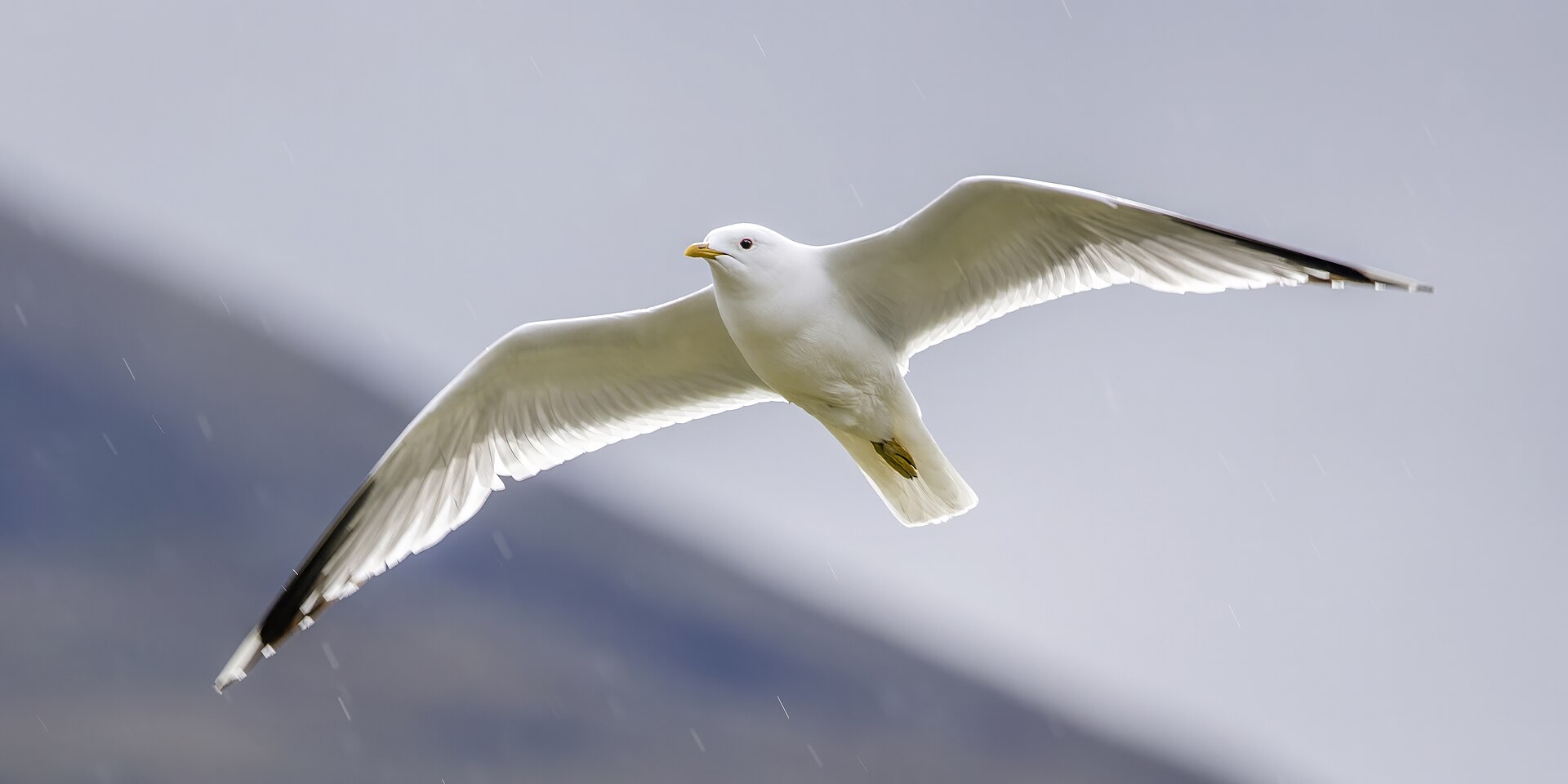
Norwegian Surveillance Found HPAI H5N5 and H5Nx in Common Gulls and Other Influenza A in Lesser Black-backed Gulls
Three common gulls had HPAI H5N5 and one had HPAI H5Nx, while active surveillance separately detected non-H5 influenza…
Read story →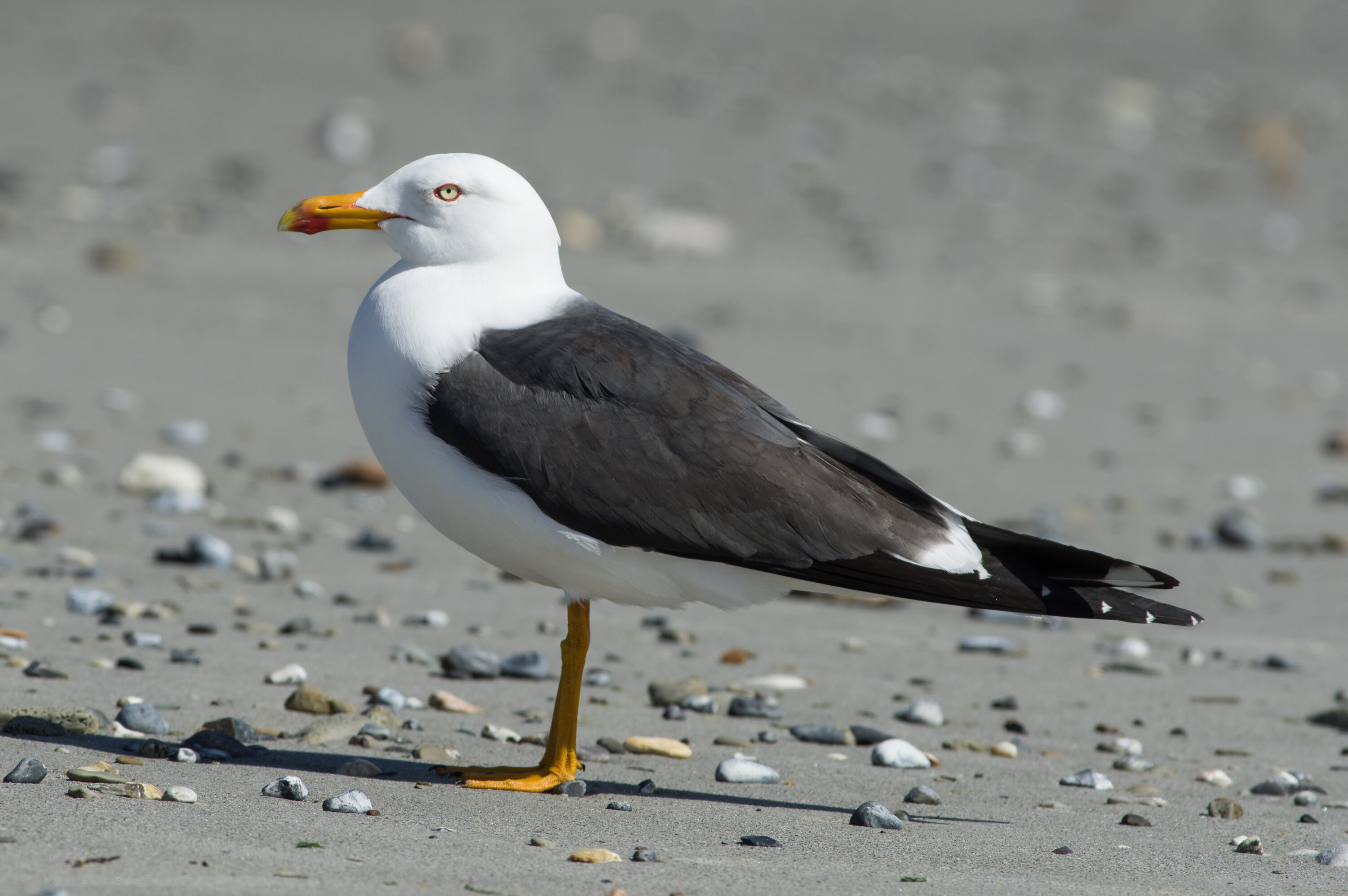
DNA Analysis Found Traces of 71 Species in Lesser Black-backed Gull Diet Samples
A 2026 bioRxiv preprint found DNA traces from 71 species across 61 genera in lesser black-backed gull diet…
Read story →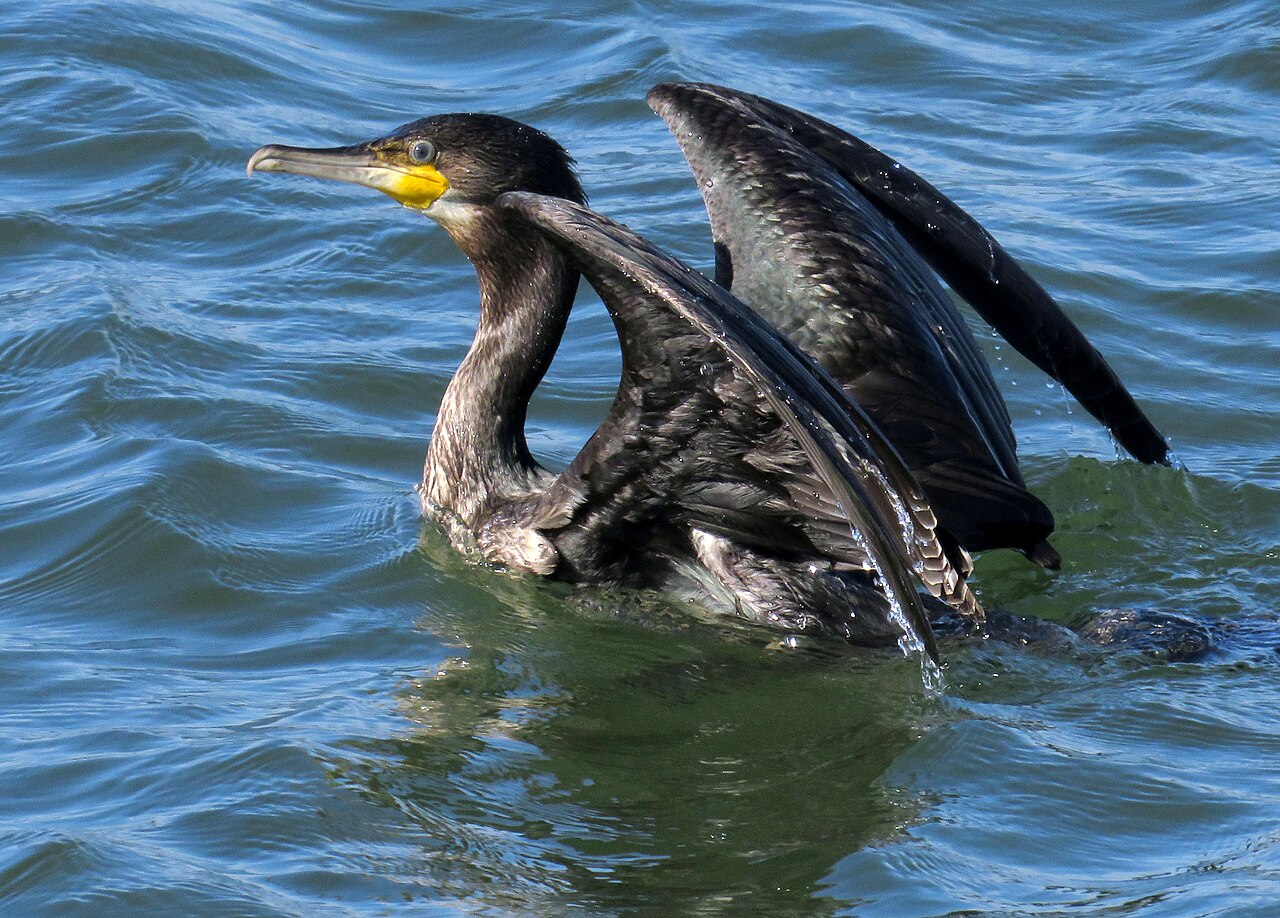
Cormorant and Large-Gull Counts Fell at a Danish Pound Net, but the Difference Disappeared Within Weeks
At one Danish pound net fitted with Looming-Eye Buoys, great cormorant and large-gull counts dropped sharply relative to…
Read story →SPECIES IN THIS STORY
Species in this story
Independent research and conservation news archive
Did you find this information useful?
Wildlife Vagabond is independently built and maintained. Voluntary support helps cover source verification, hosting and continued work on research and conservation news.
Support Wildlife VagabondThe news archive will remain freely available.