
Avocet nest habitats held distinct bacterial communities
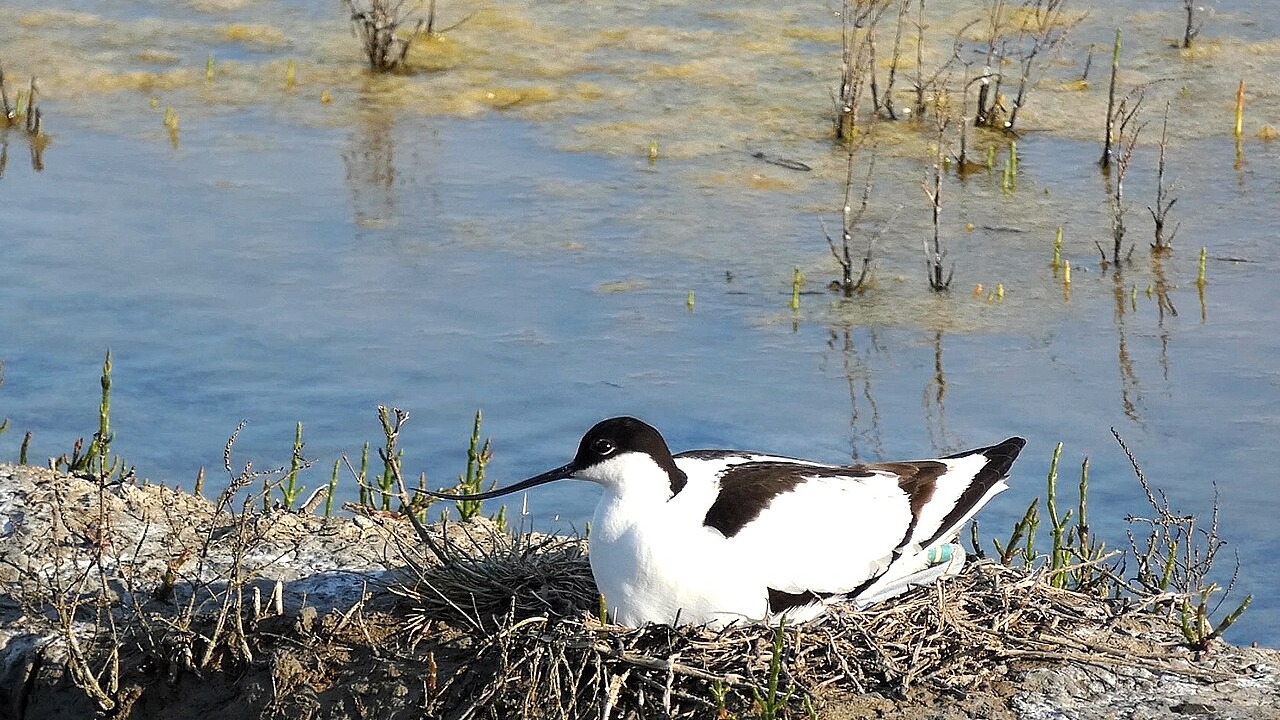
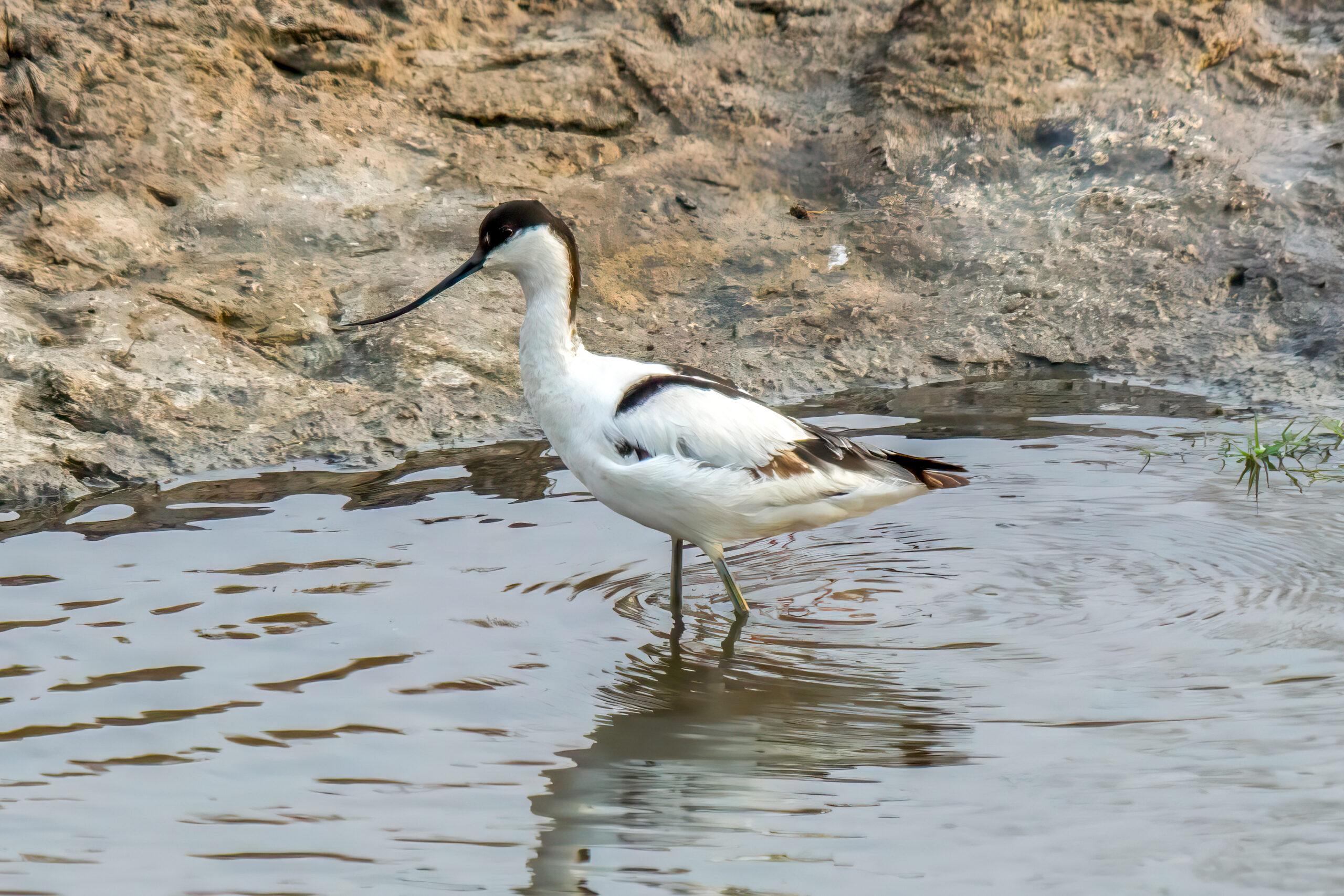
Bacterial communities differed sharply among nest sediment, soil, water and aquatic plants around pied avocet (Recurvirostra avosetta) nests in eastern China. The study provides a multi-part description of the microbial environment at this breeding site, but its observational design does not show that the birds caused the differences.
Researchers sampled ten nests in the Binzhou Shell Bank National Nature Reserve on the western shore of Bohai Bay in early September 2025. Around each nest they collected water, the dominant aquatic plant, surrounding soil and a combined sample of material from inside and immediately around the nest, giving 40 environmental samples.
Each habitat medium carried a distinct bacterial community
High-throughput DNA sequencing identified 48,378 amplicon sequence variants (ASVs). An ASV is a particular bacterial DNA sequence used as a fine-scale marker of different bacterial variants in a sample. Only 12 ASVs were shared by all four sample types, showing that most detected bacterial variants were associated with particular microhabitats.
Aquatic plants supported the greatest bacterial richness and diversity. Richness describes how many different variants were detected, while diversity also reflects how evenly they were represented. Soil and nest sediment had the most similar overall community composition. Proteobacteria was the dominant broad bacterial group in every medium, although its relative abundance varied.
Much of the nest-sediment community came from unmeasured sources
A source-tracking model compared the bacterial composition of nest sediment with the three measured surrounding sources. The method does not physically follow individual bacteria; it estimates likely source contributions from similarities in community composition.
Soil was the largest measured source, with estimated contributions ranging from 10 to 60%. Water and aquatic plants each contributed less than 1%. However, 40–70% of the nest-sediment community was assigned to sources that had not been sampled. The authors note that bird faeces may be among these unknown sources, but faeces were not collected and the study cannot quantify their contribution.
Predicted functions were not direct measurements of microbial activity
The bacterial DNA profiles were also used to predict which metabolic functions might be more common in each medium. Functions associated with nitrate reduction and hydrocarbon degradation were predicted to be enriched in nest sediment. These are inferences based on which bacteria were present, not direct measurements of how much nitrate was reduced or how rapidly hydrocarbons were degraded.
The authors present the results as baseline information for future monitoring rather than proof of an avocet effect. The study had no comparison sites without avocets and did not quantify droppings, nesting density, foraging time, salinity, acidity or nutrient concentrations. Direct faecal sampling and controlled comparisons would therefore be needed before the microbial patterns could be attributed specifically to avocet activity.
Disease, parasites & microbiology
Related news
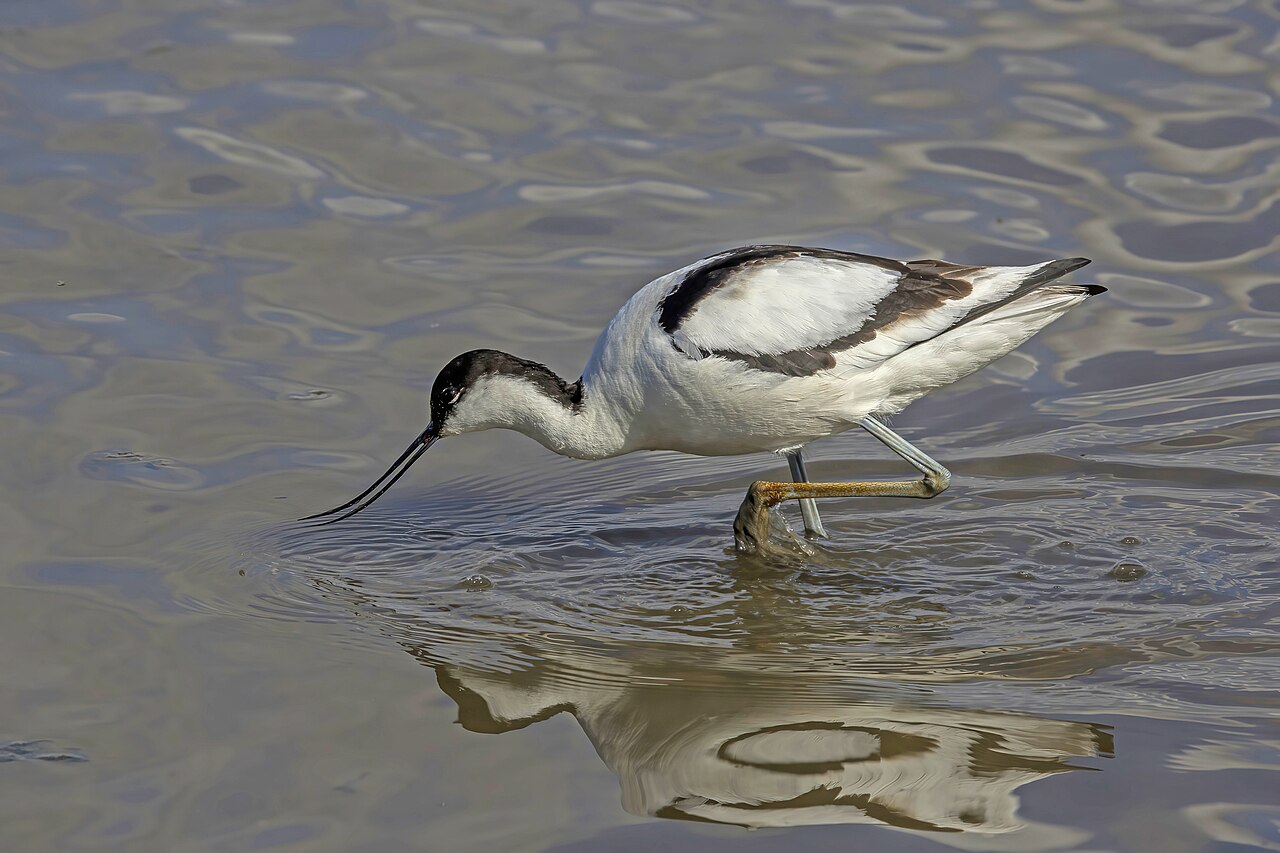
Ringed Pied Avocet Set a UK Longevity Record at 36 Years
A Pied Avocet ringed as a nestling at Titchwell Marsh on 2 July 1990 was identified alive at…
Read story →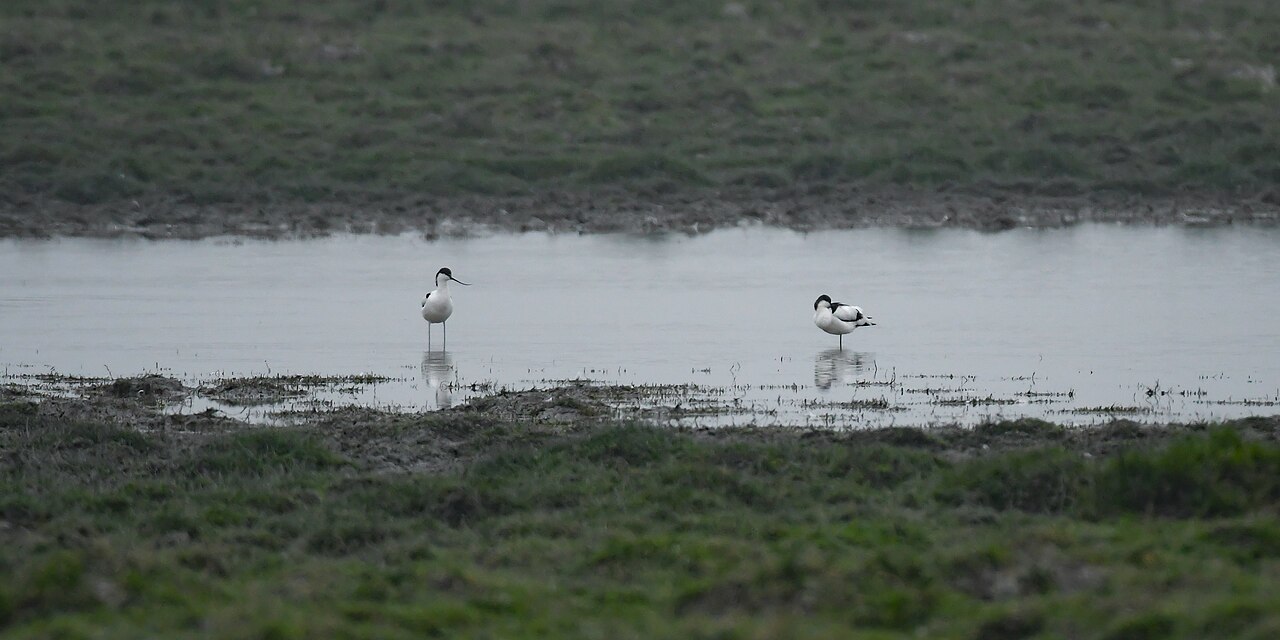
Fungal Communities Differed Across Pied Avocet Breeding Substrates
Around ten Pied Avocet nest sites in China's Yellow River Delta, researchers detected 9,980 fungal DNA variants but…
Read story →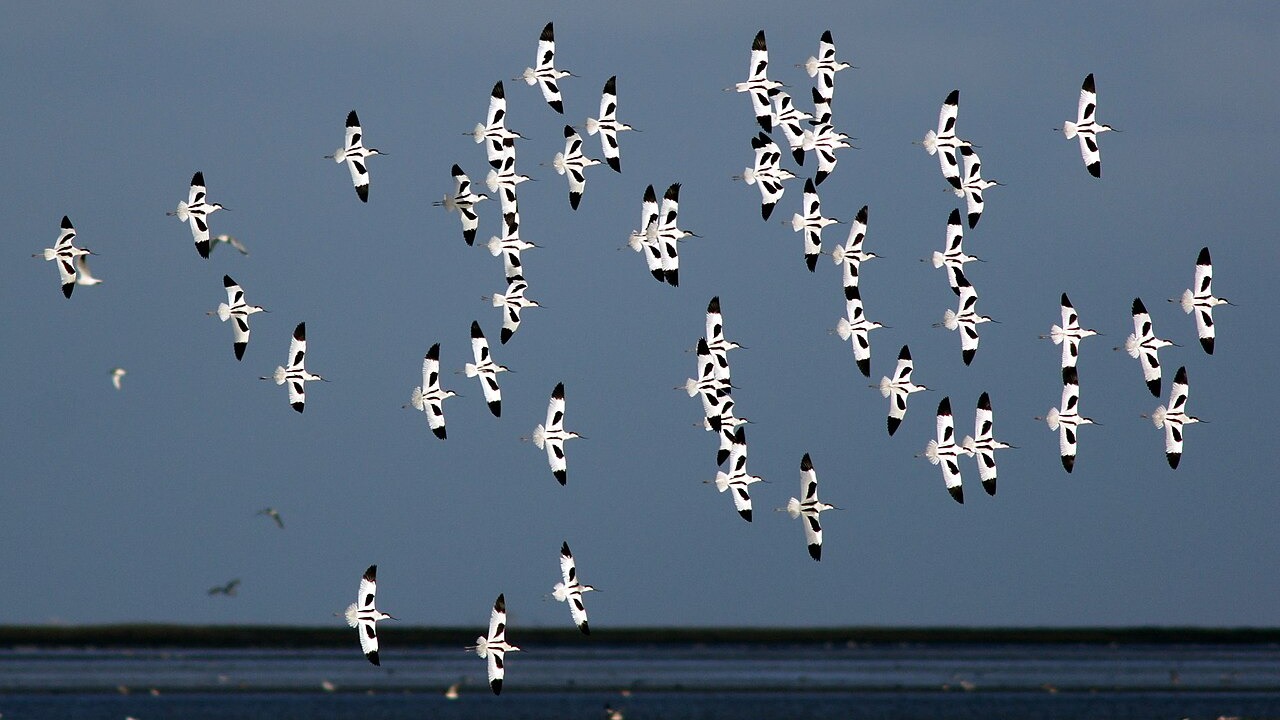
Female Pied Avocets Migrated Farther Than Males
The standardized migration-distance measure averaged 1,928 kilometres for GPS-tracked female pied avocets and 1,277 for males; females also…
Read story →SPECIES IN THIS STORY
Species in this story
Independent research and conservation news archive
Did you find this information useful?
Wildlife Vagabond is independently built and maintained. Voluntary support helps cover source verification, hosting and continued work on research and conservation news.
Support Wildlife VagabondThe news archive will remain freely available.