
Balkan Adder Provided the First Wild Scavenging Record for Vipera berus
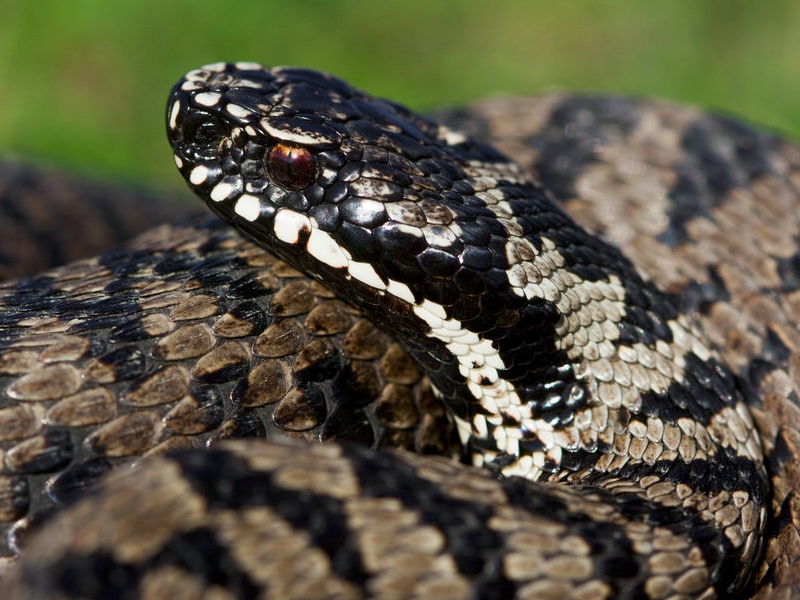
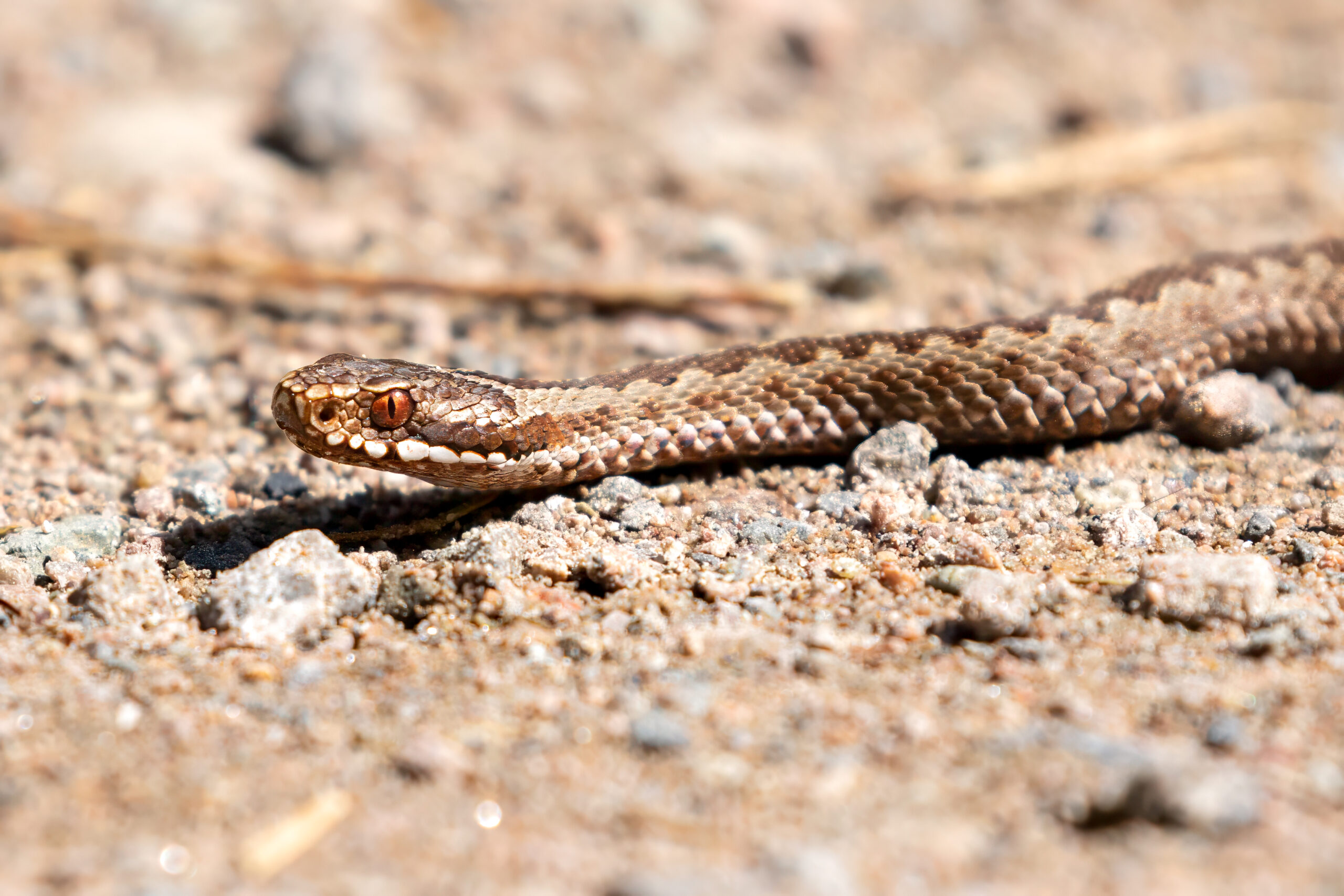
An adult female Balkan adder (Vipera berus bosniensis) on Vitosha Mountain in western Bulgaria was found swallowing a dead bank vole (Clethrionomys glareolus). The authors describe the observation as the first reported case of scavenging by Vipera berus in the wild.
The encounter occurred on 1 September 2025 at the Platoto study area, an open high-mountain site at 1,750–1,850 metres above sea level. The snake was found at 12:47 while an ecological study of Balkan adders was under way. It had already swallowed about one third of the vole when the researchers approached.
The vole had been heavily damaged before the observation
Startled by the researchers, the adder regurgitated the vole. Inspection showed severe lacerations at both ends of the carcass: the head, neck and hind limbs had been gnawed to the bone, and tissue around the hindquarters had been torn open. The authors conclude that those injuries could not have been produced by the adder alone.
After being measured, the snake was released at the same site. The vole carcass was left where it had been found in case the adder returned, but when the site was checked again later that day, it was still untouched.
Another predator had already fed on the vole
The severe injuries led the authors to conclude that the vole had been killed and partly eaten by another predator before the adder fed on the carcass. When the researchers encountered the snake, it was therefore consuming prey that was already carrion rather than a freshly captured animal.
They consider it likely that the female was attracted by the smell of the vole. Chemical cues are regarded as particularly important to scavenging snakes, and vipers rely heavily on chemosensory information when locating food. The authors therefore argue that scavenging is biologically plausible even in species usually described as ambush predators.
Scavenging is rarely documented in European vipers
Scavenging has been reported more often in pitvipers than in Old World vipers. Before this observation, the authors found only a handful of published field records among European Vipera: several involving nose-horned vipers (Vipera ammodytes) and one attempted scavenging event by an Iberian asp viper (Vipera aspis zinnikeri). To their knowledge, none had involved V. berus.
The rarity of published records does not necessarily show how often the behaviour occurs. Standard snake-diet methods—examining stomach contents, faeces or regurgitated food—can identify what was eaten but usually cannot reveal whether an item was captured alive or found as carrion. Direct observations of snakes feeding in the wild are also sporadic and often accidental.
The authors therefore suggest that scavenging may be more common in European vipers than the small number of records implies. They call for further field observations to determine whether carrion use is genuinely rare or simply difficult to detect in Old World vipers.
Behaviour
Related news
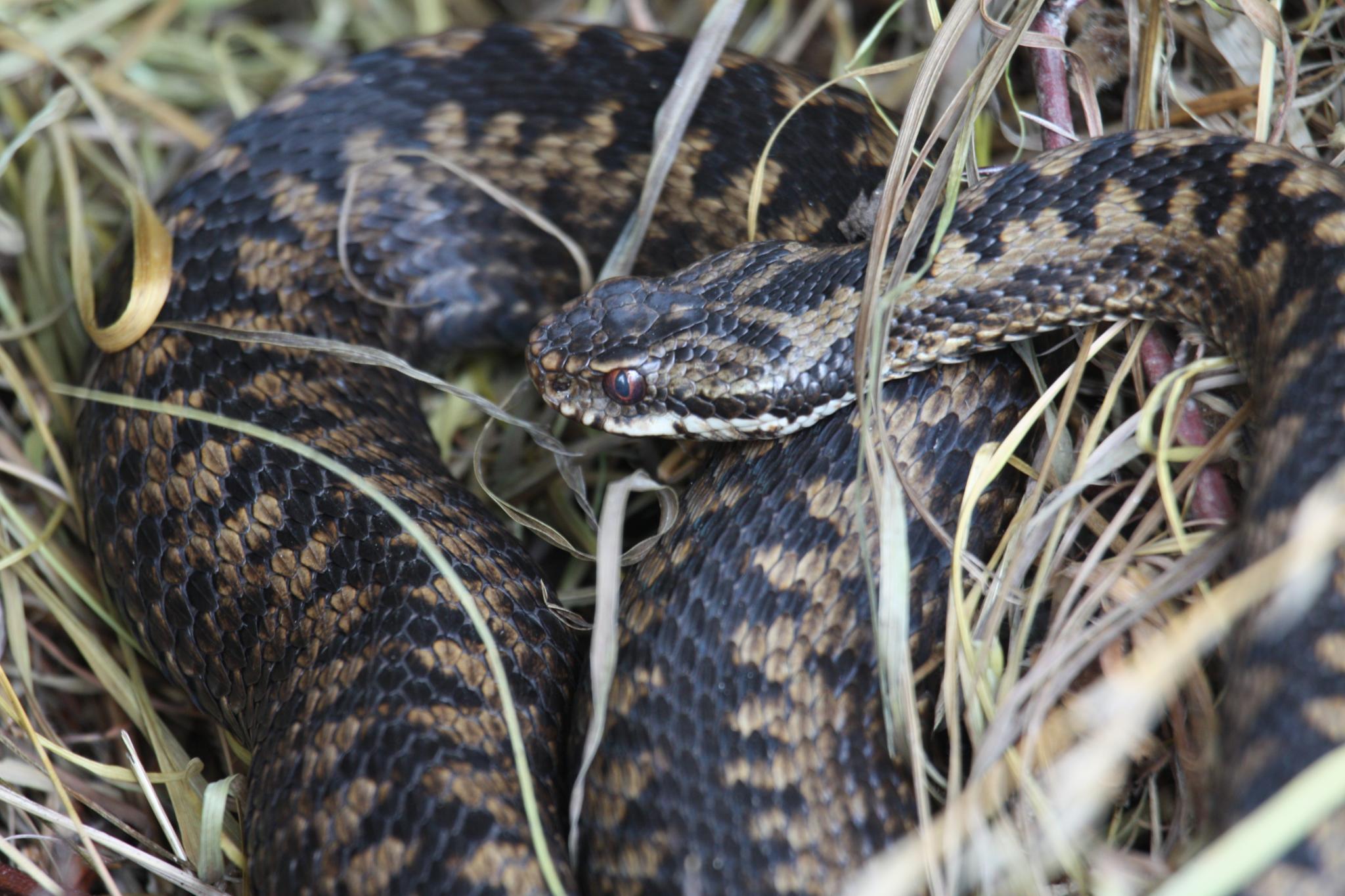
Cornwall Project Will Examine How Roads, Rivers and Habitat Fragmentation Affect Adders
A new Cornwall project will investigate how roads, rivers and fragmented habitats affect adder populations and their movement…
Read story →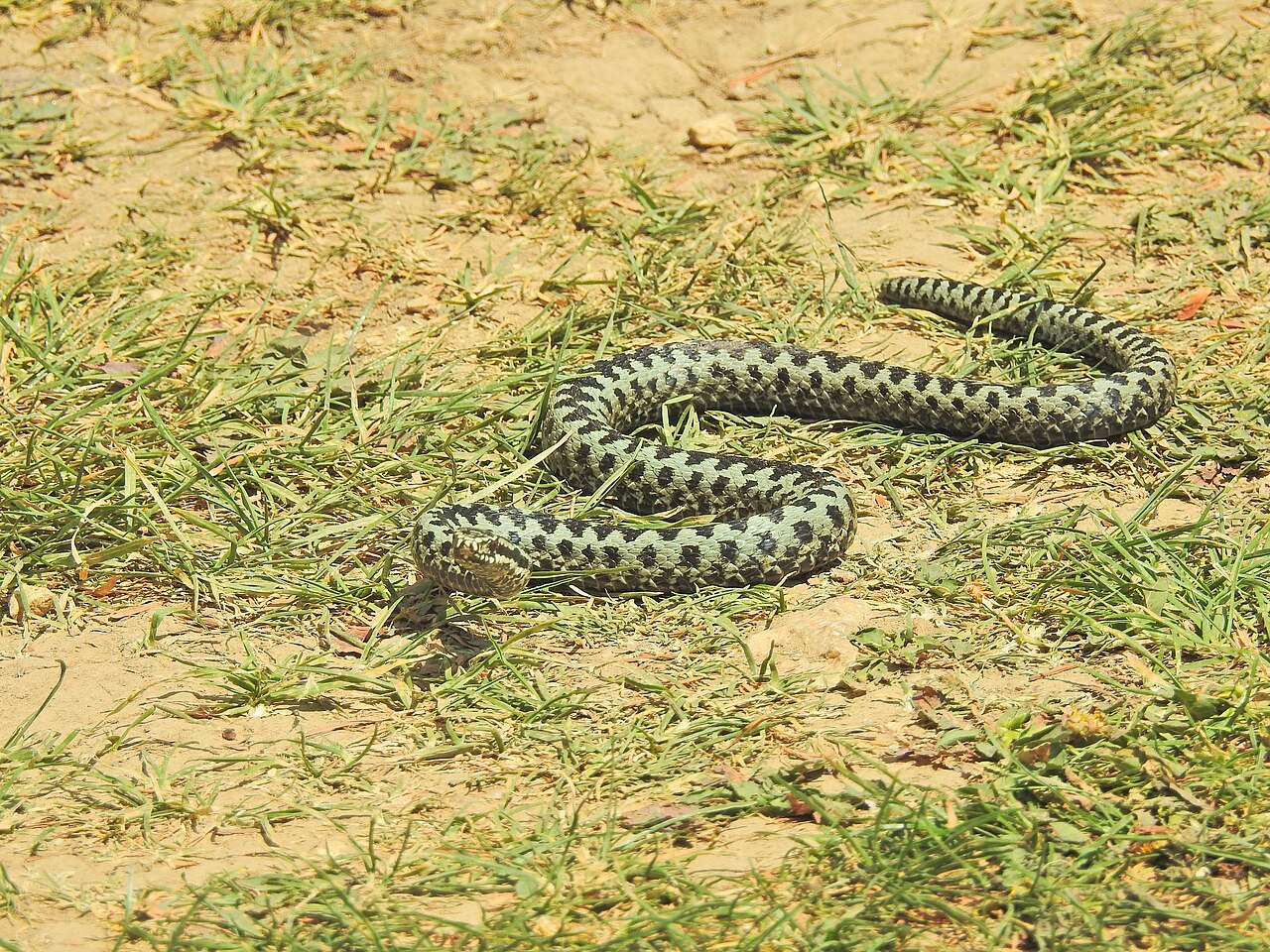
Genomic Scan Linked Gossa’s Rare Adder Stripe Morph to a Region Containing PMEL
A 2026 genome scan of 76 adders on Gossa in western Norway linked the island’s rare longitudinal stripe…
Read story →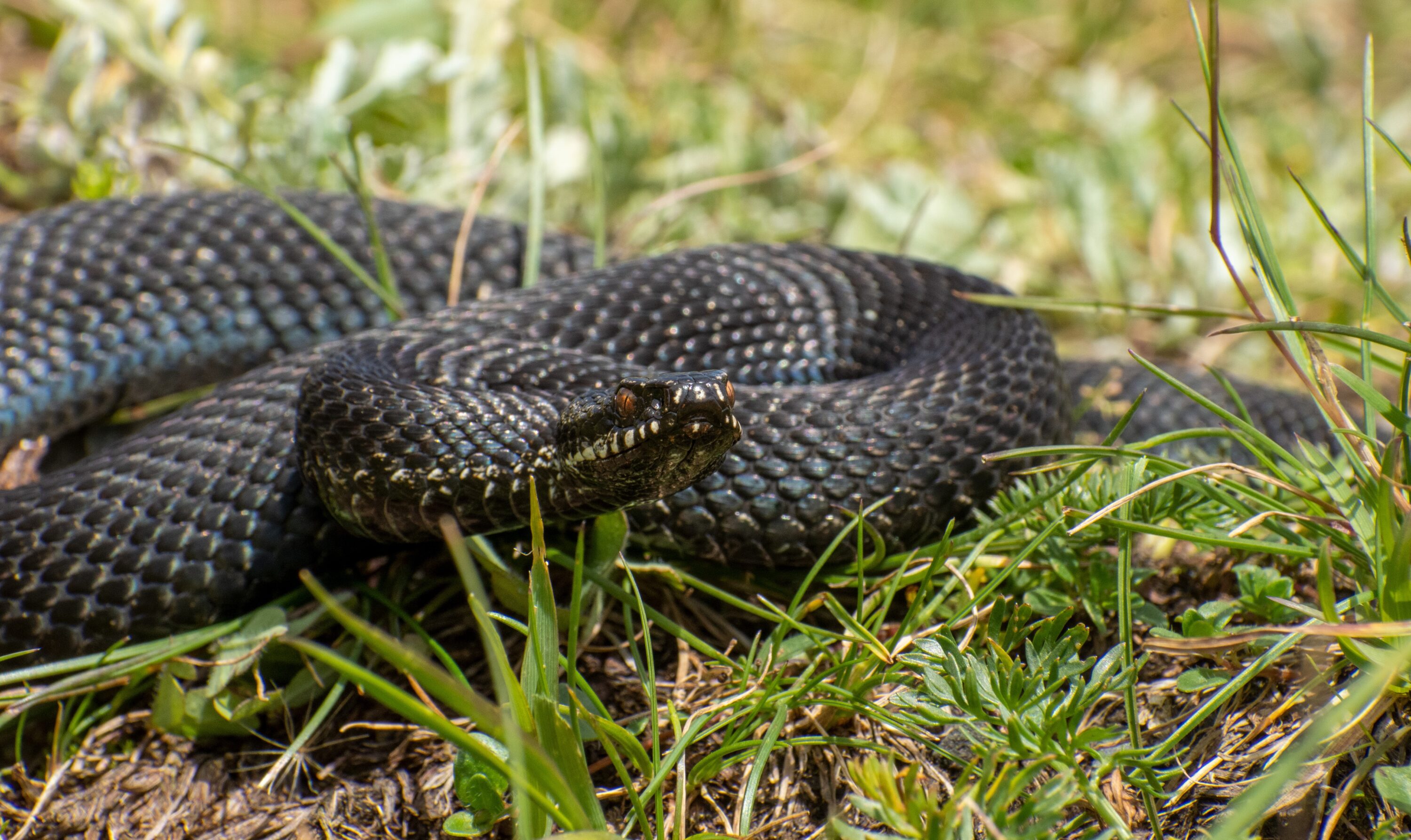
Detection Dog Found an Adder Hibernaculum Without the Handler Knowing Its Location
A trained dog found 69 of 70 buried adder-scent samples in blinded field tests and independently located one…
Read story →SPECIES IN THIS STORY
Species in this story
Independent research and conservation news archive
Did you find this information useful?
Wildlife Vagabond is independently built and maintained. Voluntary support helps cover source verification, hosting and continued work on research and conservation news.
Support Wildlife VagabondThe news archive will remain freely available.