
Mitochondrial DNA Reveals a More Complex Evolutionary History of Barn Swallows
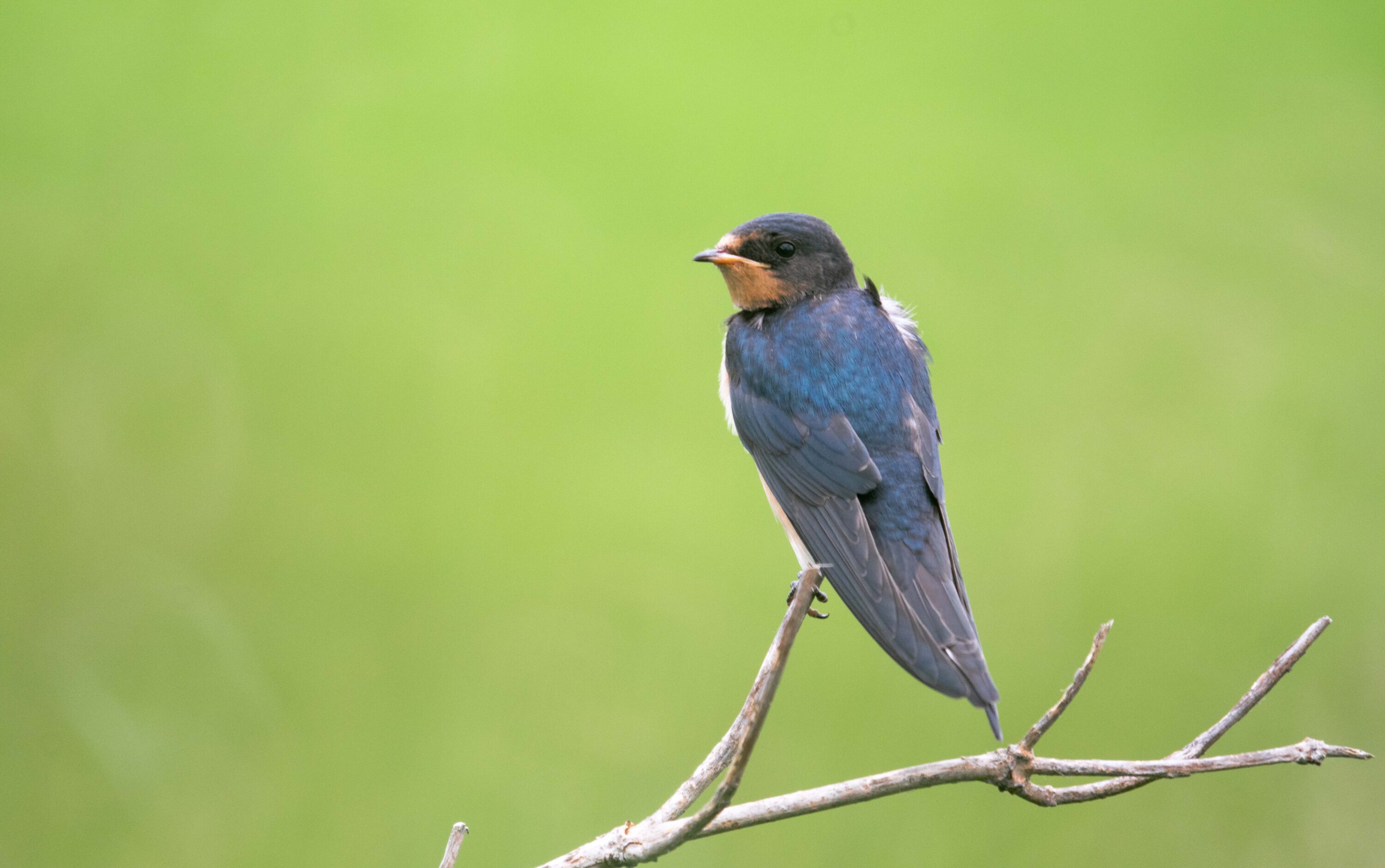
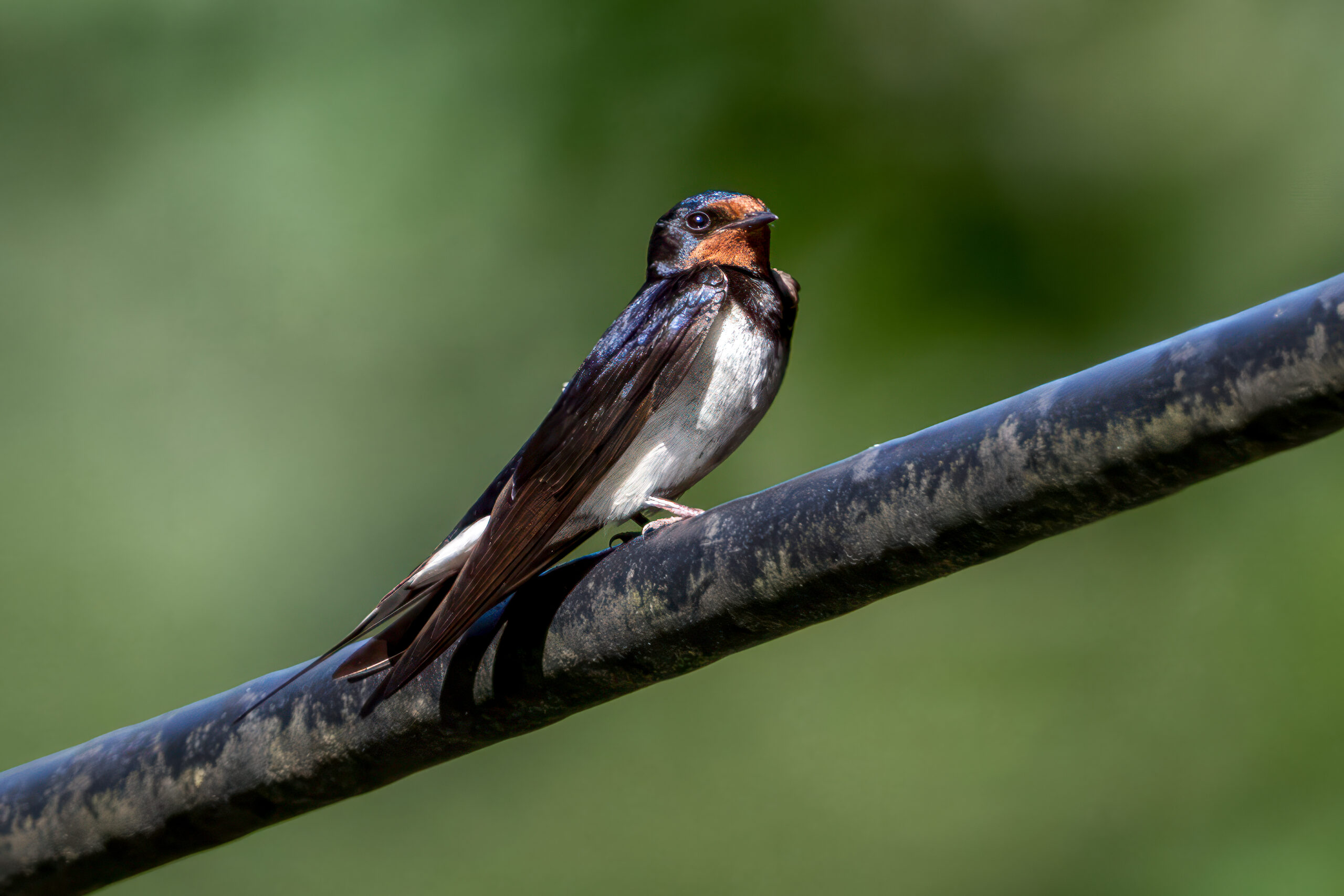
A large genetic study published in August 2026 shows that the evolutionary history of the barn swallow (Hirundo rustica) is more complex than earlier mitochondrial studies suggested. The researchers analysed mitochondrial DNA, a small genome found in the cell’s energy-producing mitochondria and normally inherited through the maternal line.
The study included 580 complete barn swallow mitochondrial genomes representing all six recognised subspecies, together with mitochondrial genomes from 12 other species in the genus Hirundo. The researchers identified 553 different haplotypes, or distinct mitochondrial DNA variants. Of these, 166 had not been described before.
Five maternal lineages included a newly recognised haplogroup
The barn swallows fell into five major mitochondrial haplogroups. A haplogroup is a set of related maternal lineages that share a common evolutionary origin. One of the main findings was a newly recognised haplogroup, called E, found mainly in H. r. tytleri. Earlier mitochondrial work had placed this lineage within the group associated with the American subspecies H. r. erythrogaster.
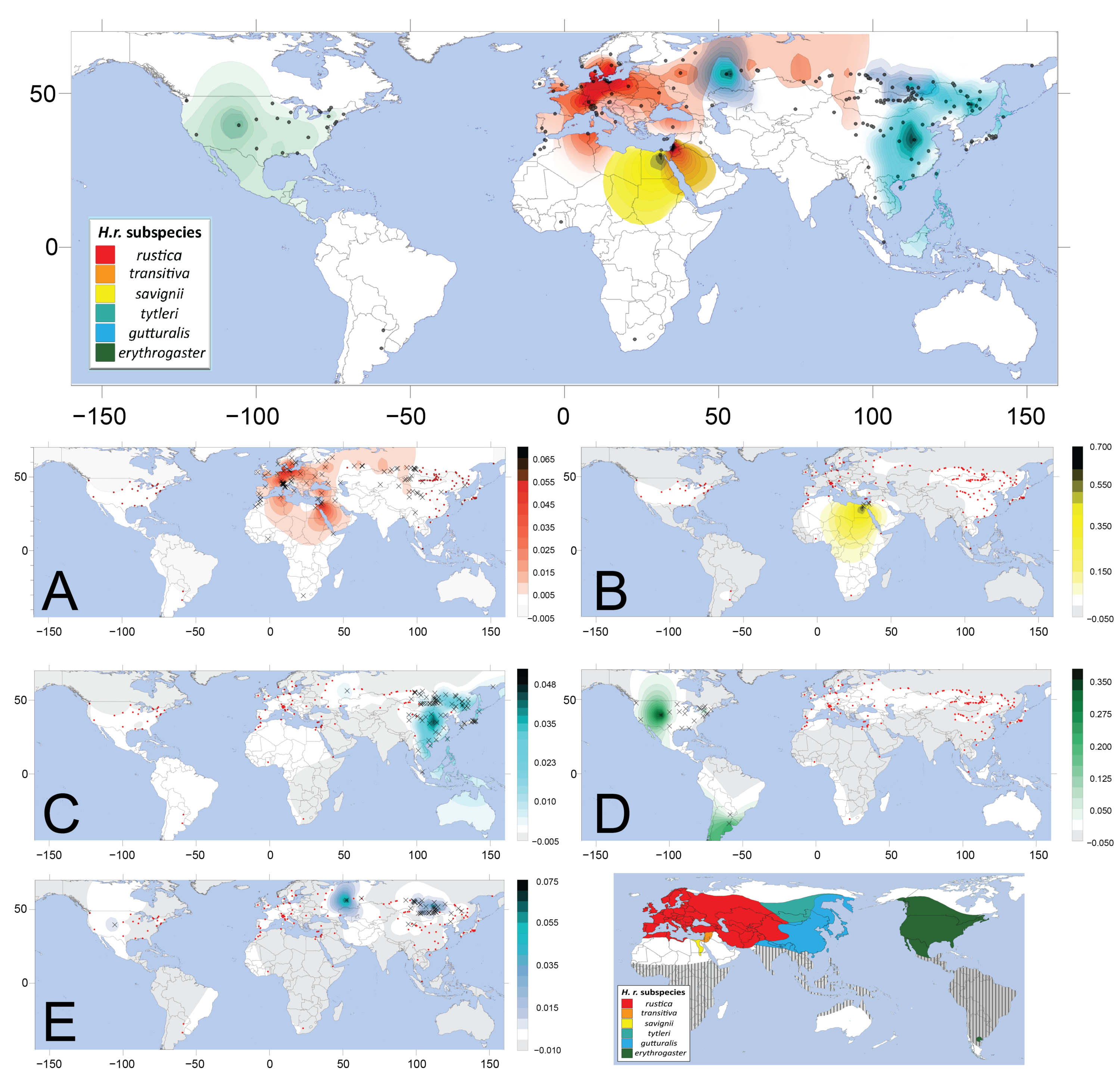
Comparisons with other Hirundo swallows also support a southern African origin for the lineage leading to modern barn swallows toward the end of the Pliocene, followed by later expansion and diversification across Eurasia and the Americas. Many of the major maternal lineages appear to have diversified during the Late Pleistocene, when repeated climatic changes altered habitats and migration routes.
Hybrid zones showed maternal introgression between subspecies
The data also reveal extensive contact between subspecies. In several hybrid zones, birds identified as one subspecies carried mitochondrial DNA typical of another. This is evidence of maternal introgression: genetic material has moved between populations through hybridisation followed by repeated breeding back into one of the parental populations.
Mitochondrial DNA traces only the maternal part of the species’ history, so it cannot by itself resolve every relationship between the subspecies. Nuclear genomes, inherited from both parents, are needed to test some of the remaining questions. Even so, the 580 complete mitochondrial genomes form the most detailed mitochondrial picture of barn swallow population history produced so far.
Genetics & genomics
Related news
Usutu Virus RNA Was Found Nearly Three Times as Often as West Nile Virus RNA in Southern France
Among 2,533 wild birds from 69 species in southern France, Usutu virus RNA was detected in 12.0% and…
Read story →
Larger Broods and Older Social Fathers Were Linked to Shorter Telomeres in Male Barn Swallow Nestlings
A long-term study near Milan found shorter telomeres in male barn swallow nestlings from larger broods or with…
Read story →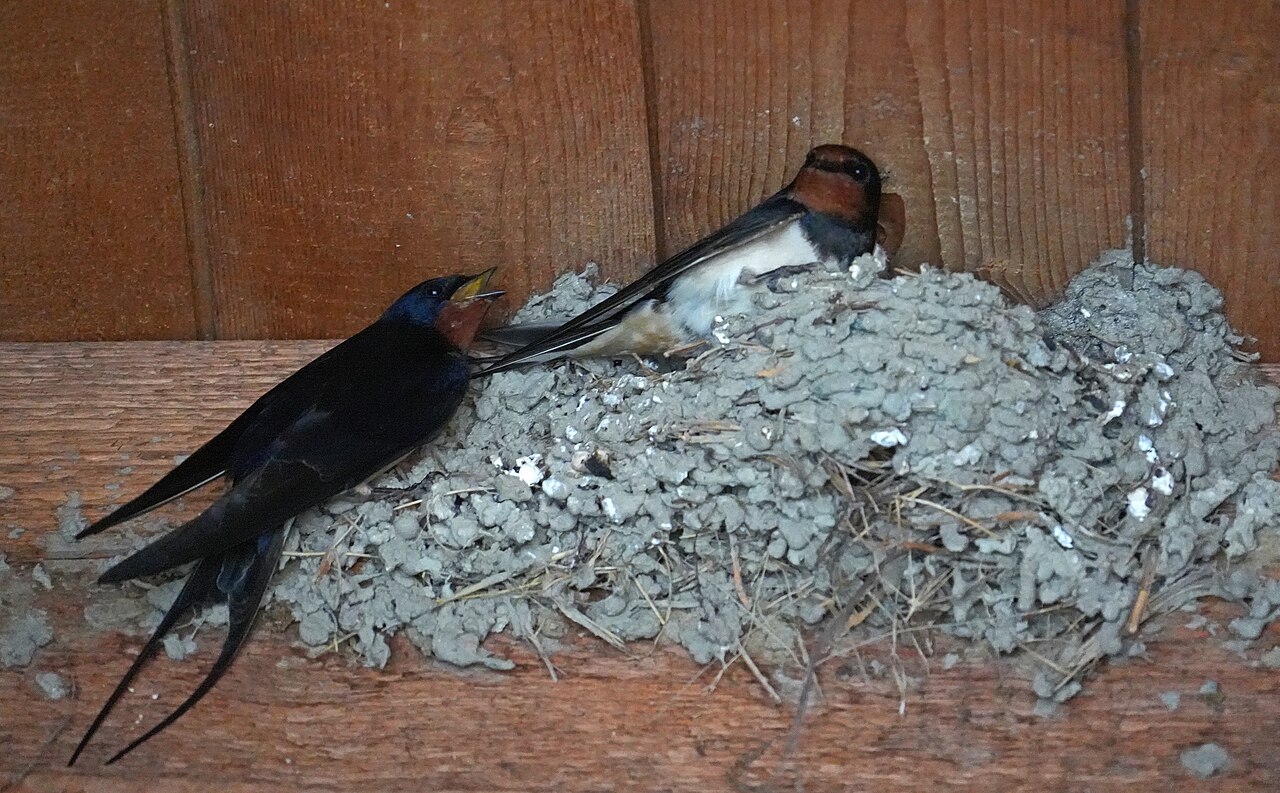
About Ten Barn Swallow Pairs Used Replacement Nesting Structures at Goss Farm
About ten barn swallow pairs used replacement nesting structures after access to a long-used barn colony at Goss…
Read story →SPECIES IN THIS STORY
Species in this story
Independent research and conservation news archive
Did you find this information useful?
Wildlife Vagabond is independently built and maintained. Voluntary support helps cover source verification, hosting and continued work on research and conservation news.
Support Wildlife VagabondThe news archive will remain freely available.