
Usutu Virus RNA Was Found Nearly Three Times as Often as West Nile Virus RNA in Southern France
A two-year study of 2,533 wild birds from 69 species in southern France found Usutu virus (USUV) RNA in 12.0% of birds and West Nile virus (WNV) RNA in 4.3%. USUV and WNV are mosquito-borne orthoflaviviruses in which birds act as important amplifying hosts; infection can range from subclinical to severe neurological disease. Birds were sampled in the Camargue wetlands and around Montpellier during 2024 and 2025. The study used RT-qPCR to look for viral RNA in cloacal swabs and droppings, so the percentages describe molecular detections in those samples. RNA detection shows that viral genetic material was present, but does not by itself show clinical disease or the amount of infectious virus.
USUV was detected more often than WNV
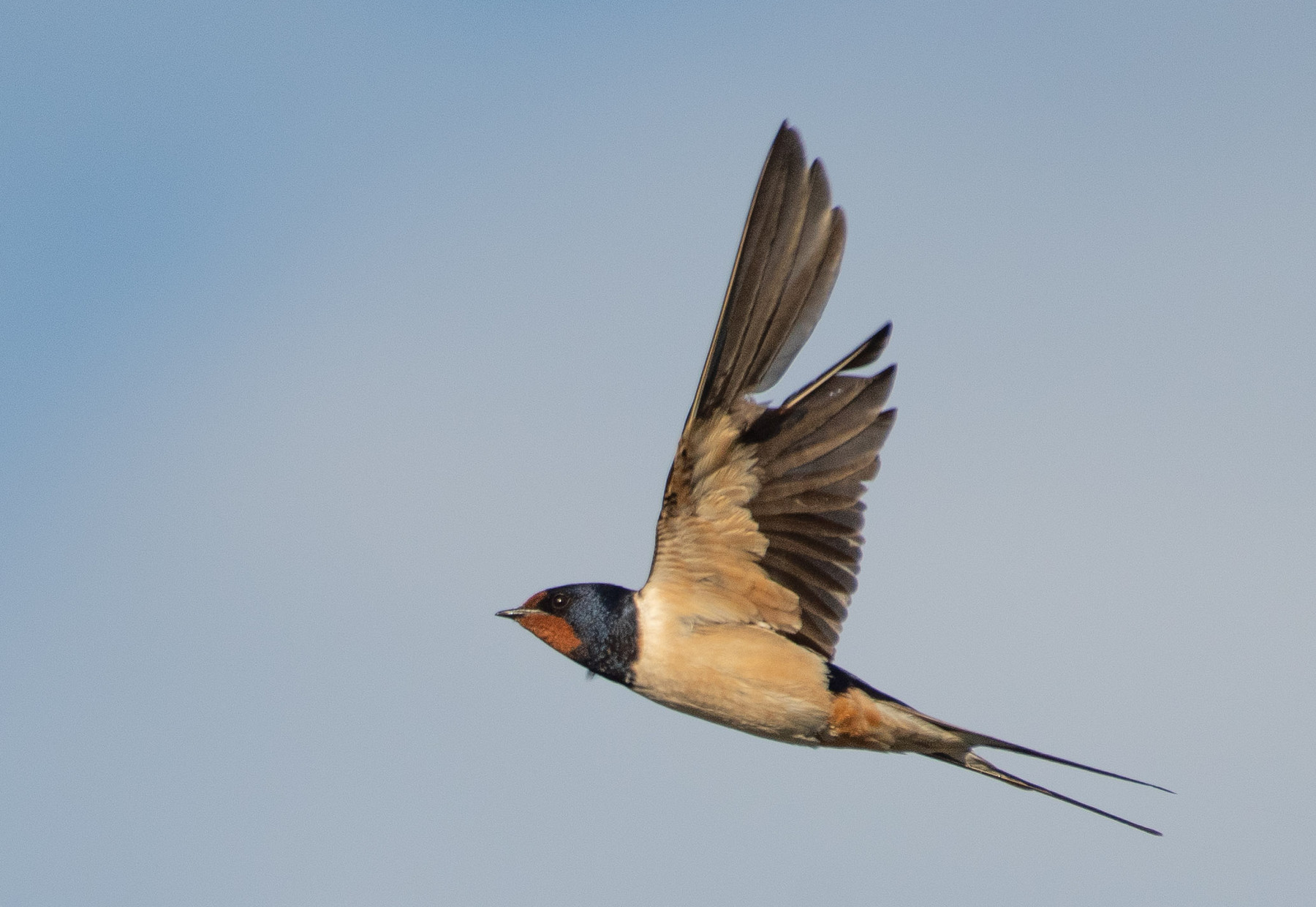
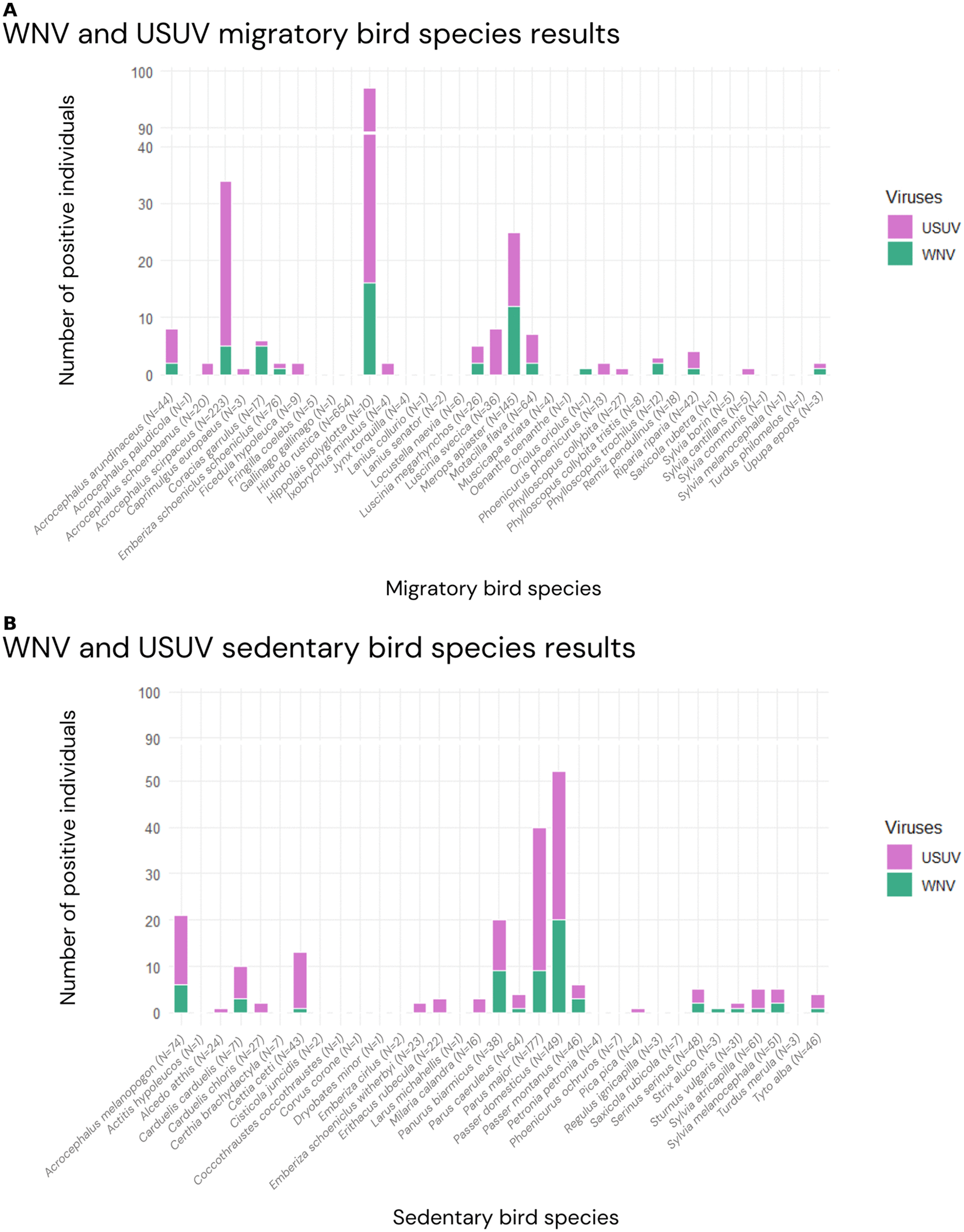
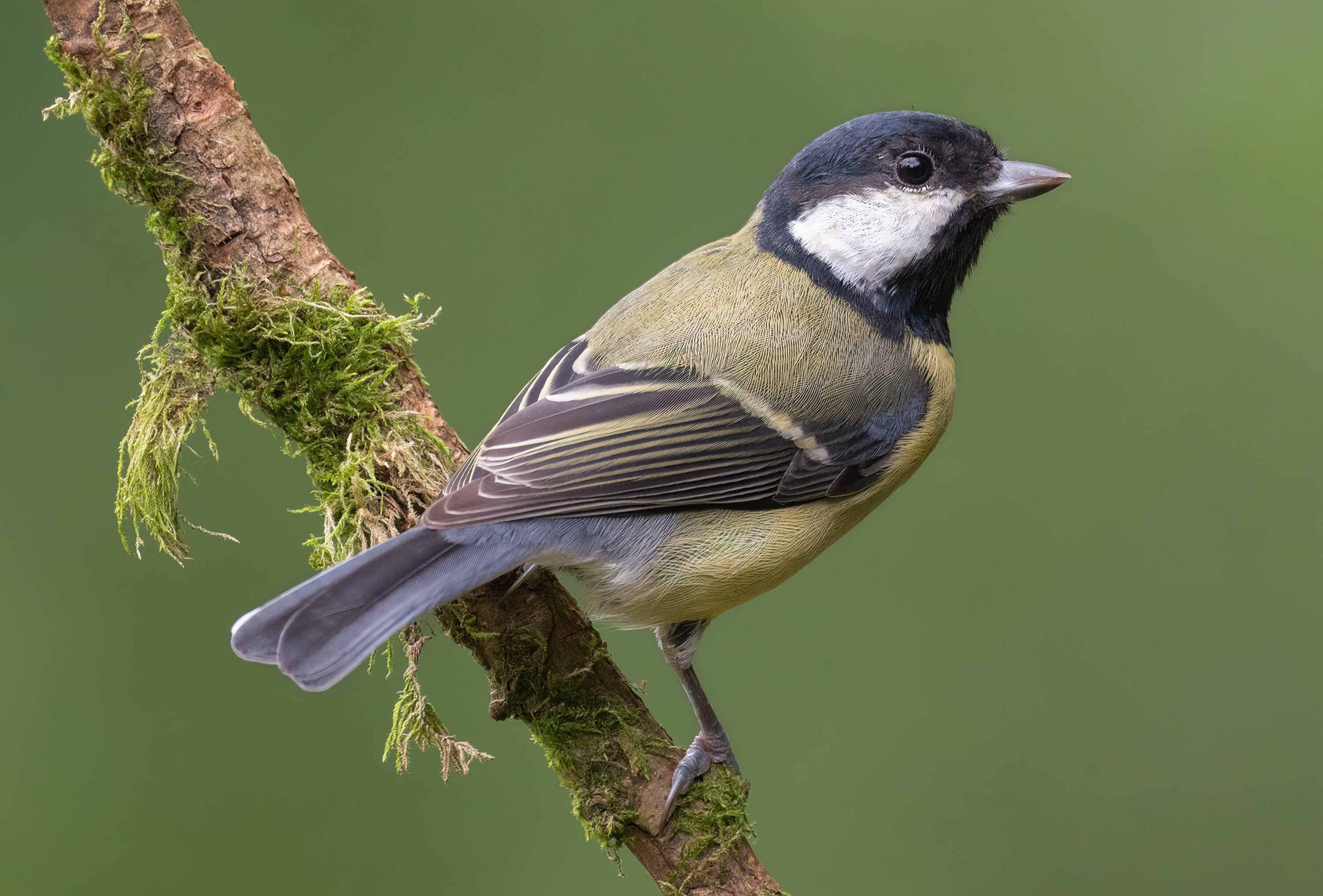
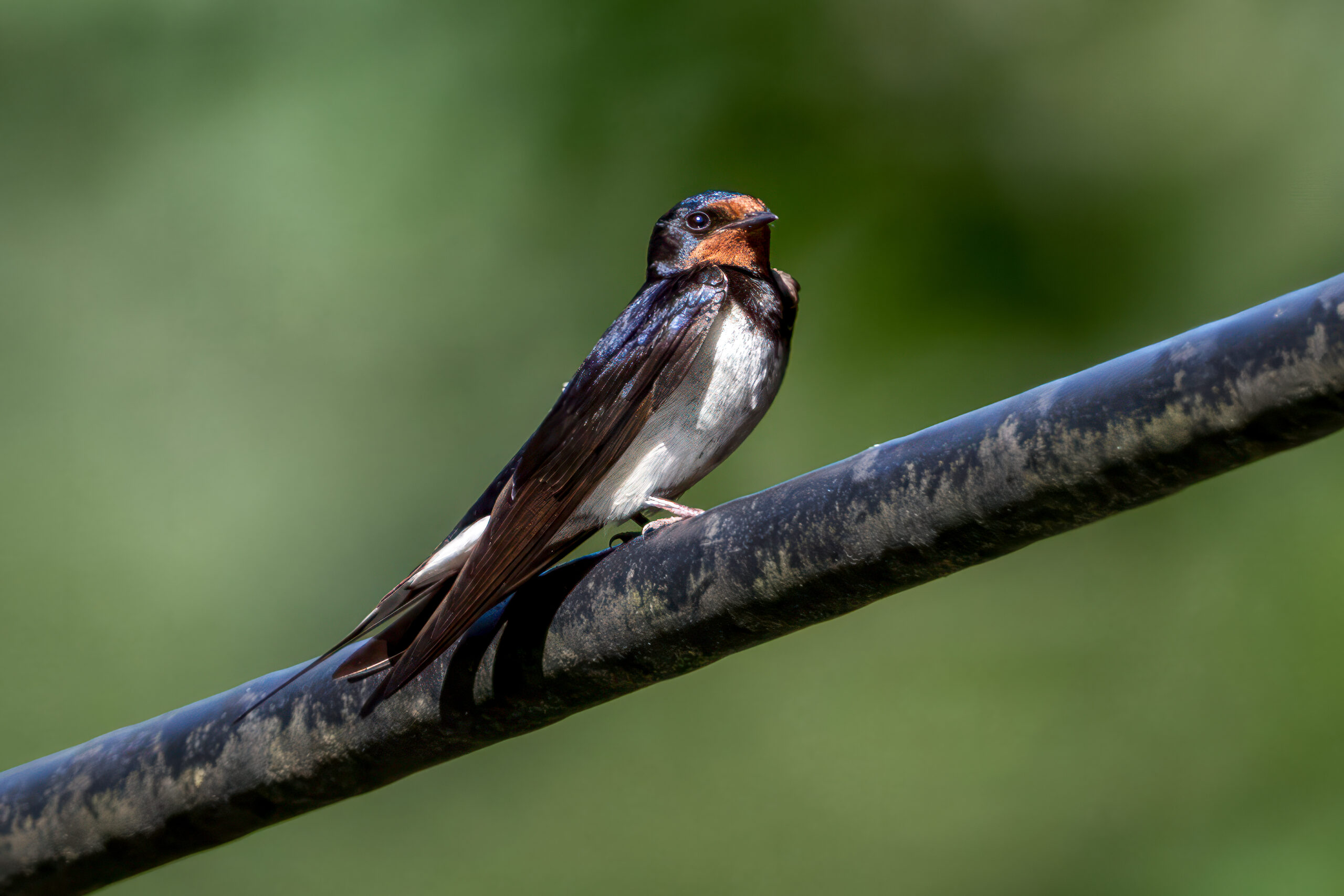
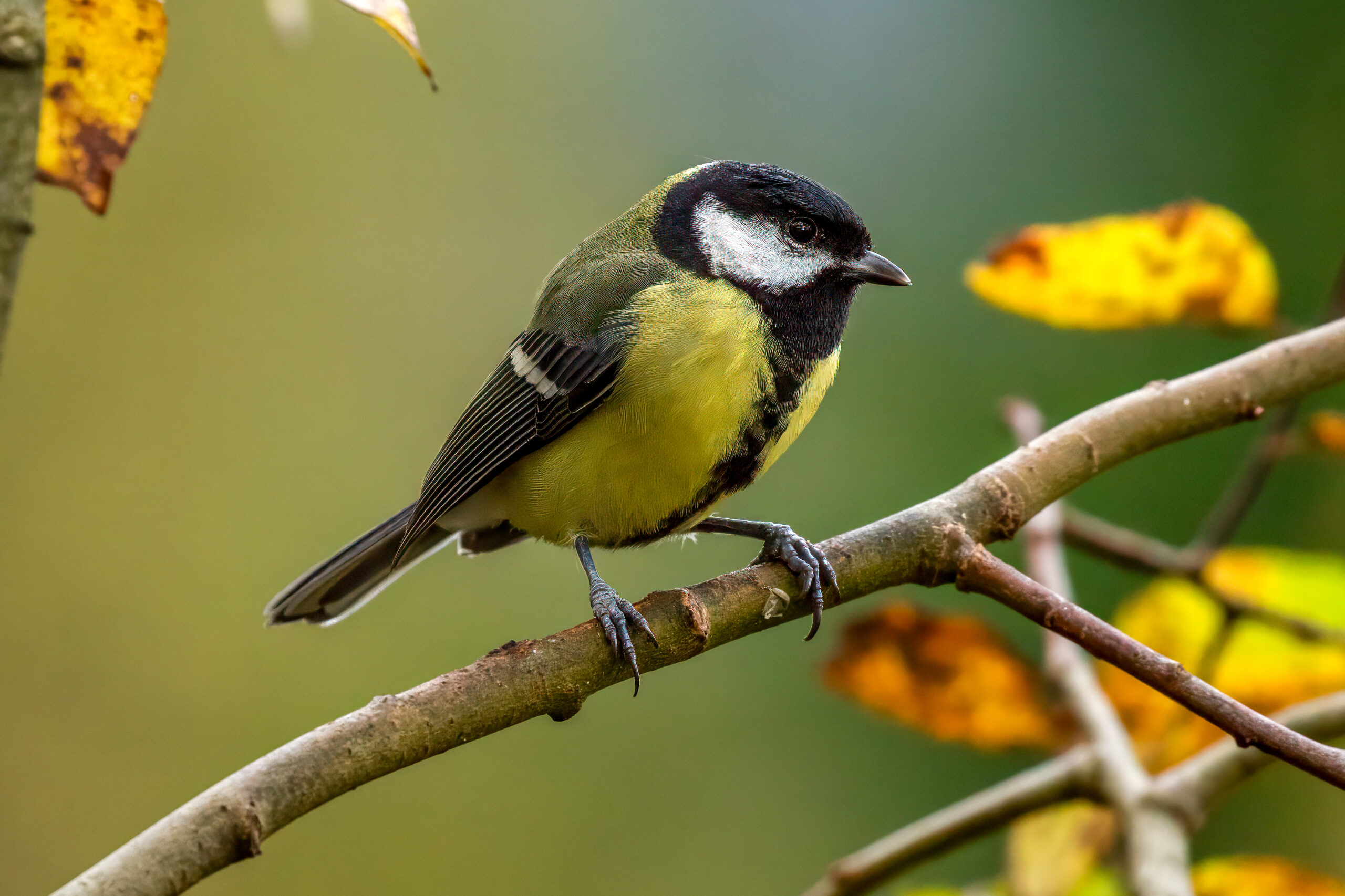
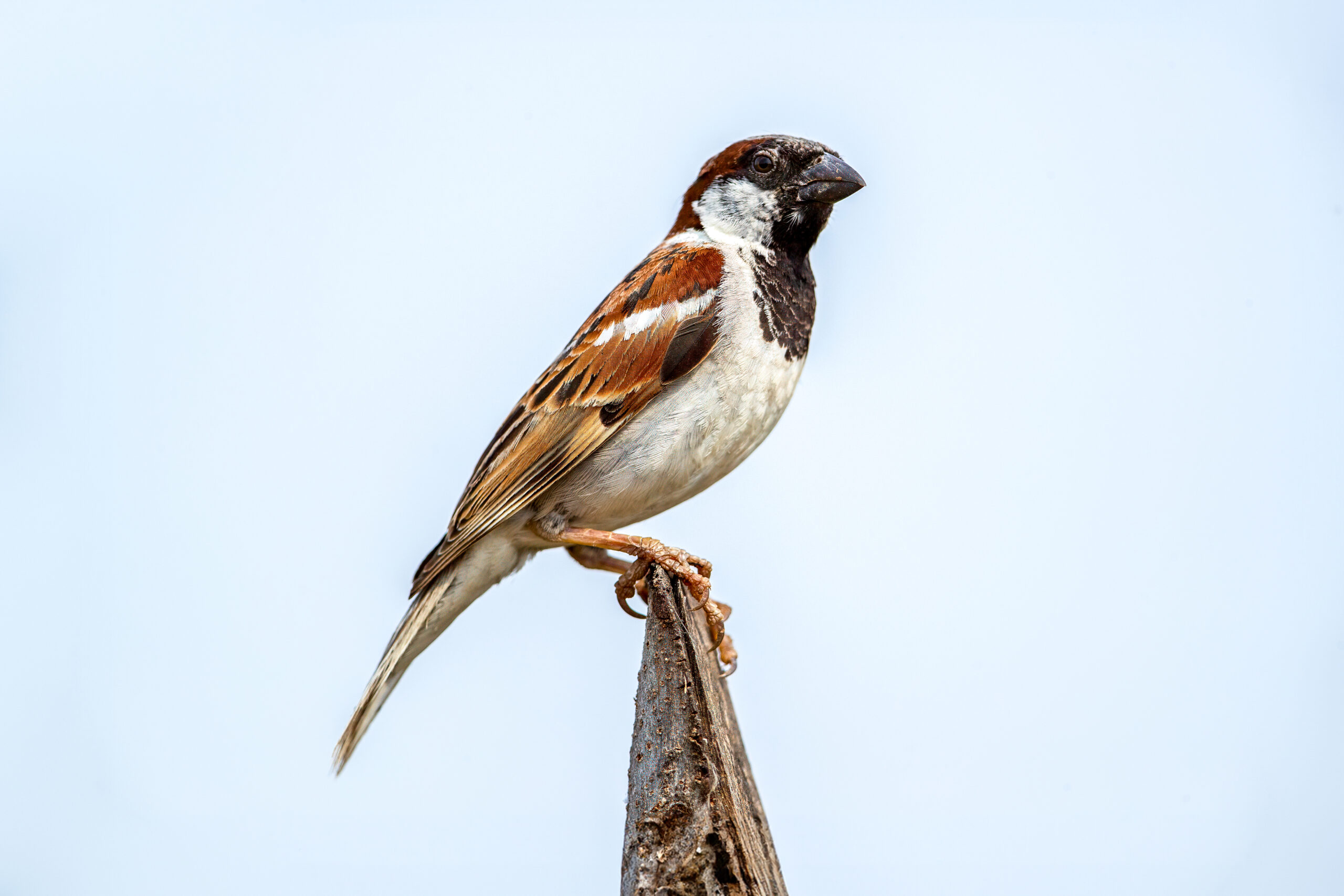
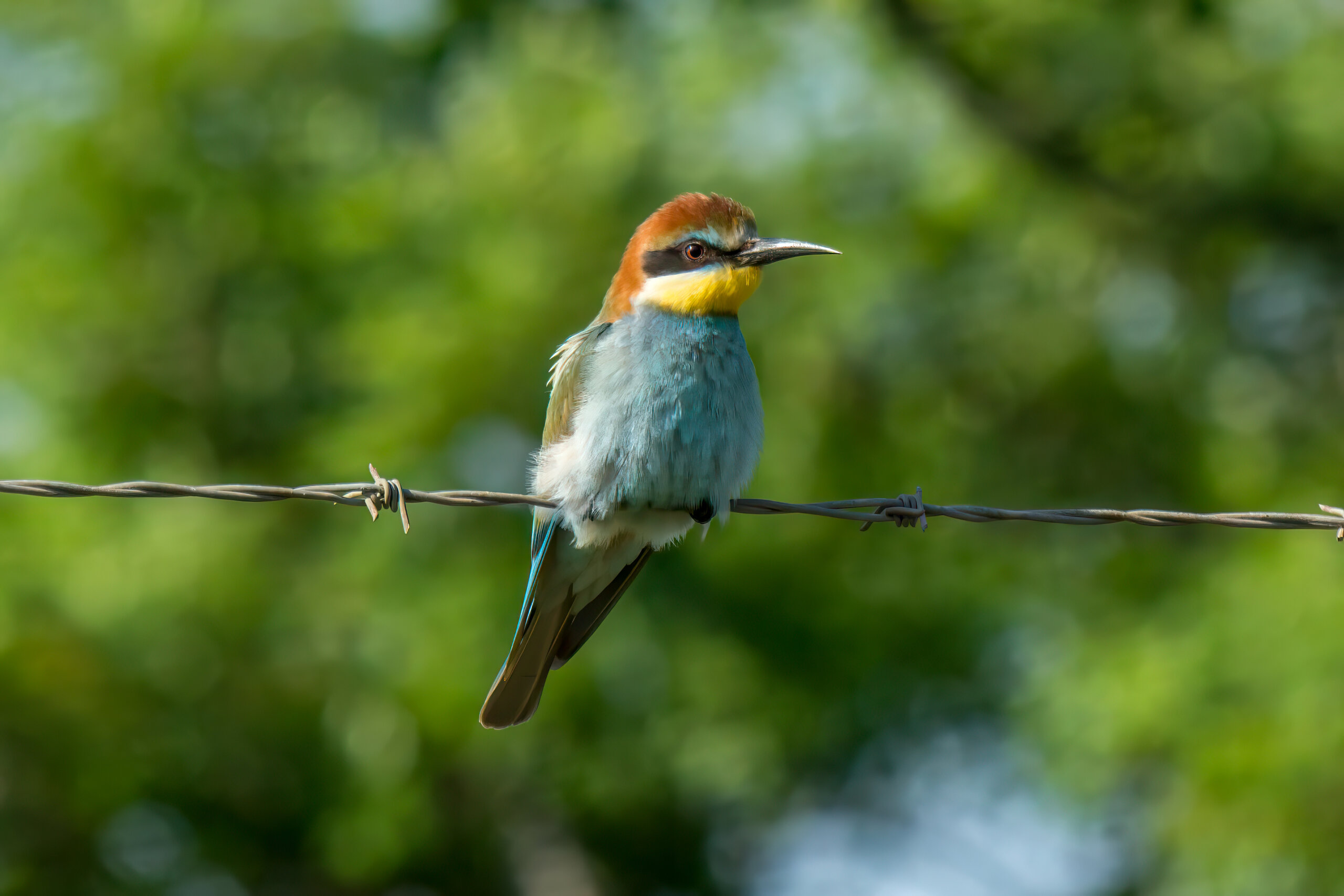
USUV RNA was detected more often than WNV RNA in both resident and migratory birds. Among common resident species, great tits (Parus major) had detection rates of 17.6% for USUV and 5.1% for WNV, while house sparrows (Passer domesticus) reached 21.5% and 13.4%. Among migratory birds, barn swallows (Hirundo rustica) were positive in 12.4% and 2.4% of samples, respectively. European bee-eaters (Merops apiaster) showed similar rates for the two viruses, 9.5% and 8.8%.
The authors caution that species-level patterns partly reflect how many individuals were sampled, so raw detection counts should not be treated as a ranking of biological susceptibility.
Detection was higher in 2024
Virus detection was substantially higher in 2024 than in 2025. USUV RNA fell from 14.0% to 10.5% between the two years, while WNV RNA dropped from 7.7% to 2.0%. In 2024, birds tested positive from late May, before the first recorded human WNV cases in early July, positive mosquito pools in early August and equine cases in early September. In 2025, USUV was detected in birds from March and WNV from late April.
Age mattered more than migration status
The models did not support a clear difference in RNA detection between migratory and resident birds. Age was more informative: younger birds, especially nestlings and recently fledged individuals, showed higher positivity for one or both viruses than older age classes. The authors conclude that active bird surveillance can complement mosquito, veterinary and human monitoring, although its value for predicting outbreaks still needs longer and more standardized time series.
Disease, parasites & microbiology
Related news
Great Tits Infected Ticks With Borrelia Most Often During Breeding
Across 420 xenodiagnoses in northern Belgium, wild Great Tits were much more likely to transmit Borrelia garinii to…
Read story →
Urban Bird Diversity Was More Strongly Linked to Forest Structure Than the Surrounding City
Across 12 urban forests in three Italian cities, researchers recorded 2,035 birds from 52 species. Local forest structure…
Read story →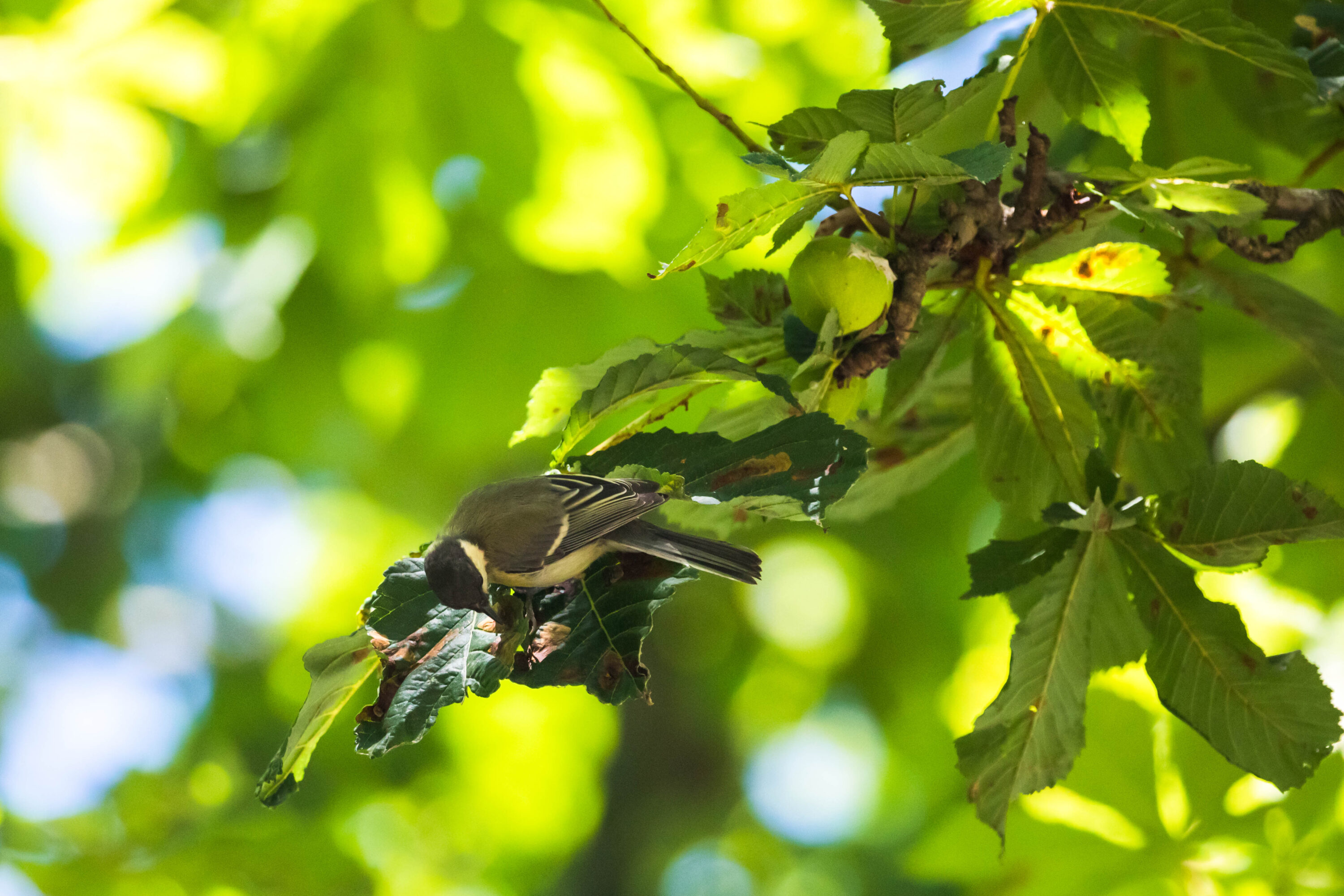
Immigration Could Both Change and Stabilise Great Tits’ Clutch Sizes
On the Dutch island of Vlieland, incoming great tits could both counter a trend towards fewer eggs and…
Read story →SPECIES IN THIS STORY
Species in this story
Independent research and conservation news archive
Did you find this information useful?
Wildlife Vagabond is independently built and maintained. Voluntary support helps cover source verification, hosting and continued work on research and conservation news.
Support Wildlife VagabondThe news archive will remain freely available.