
East Greenland Barnacle Geese Fell to 65,516 While the Russian Flyway Held Near 1.5 Million
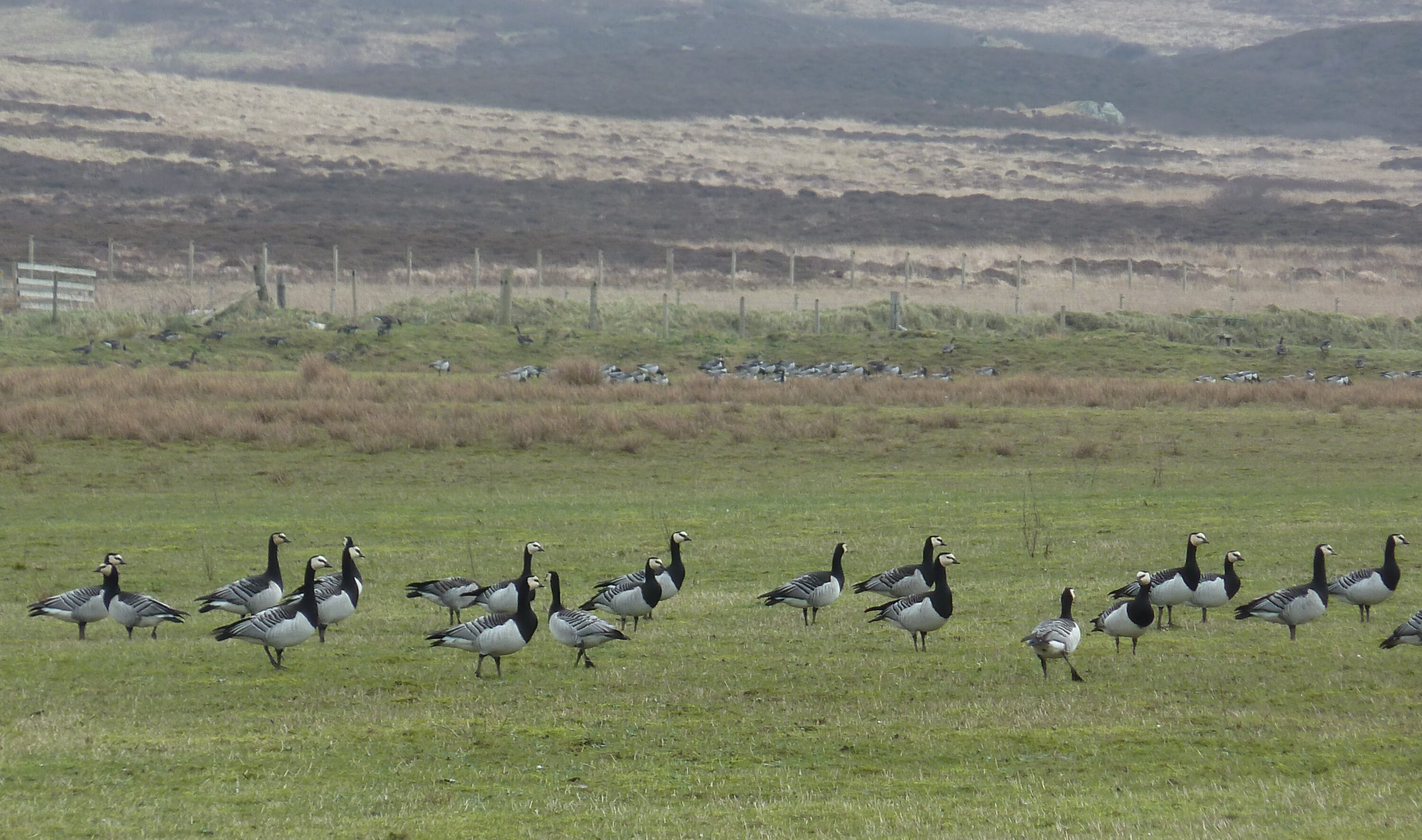
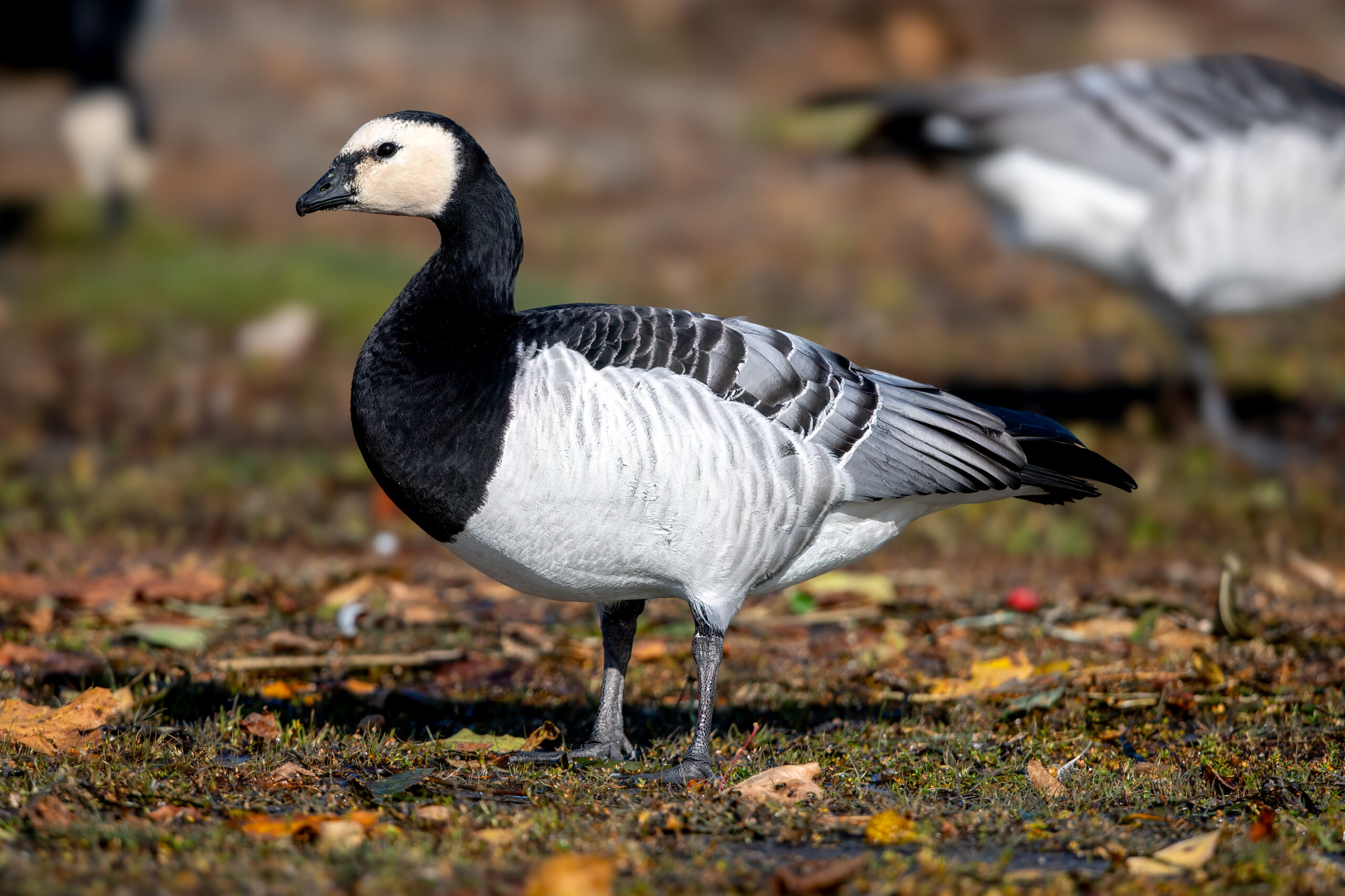
Barnacle goose (Branta leucopsis) populations followed markedly different trajectories in the European Goose Management Platform’s 2026 assessment. The East Greenland/Scotland & Ireland population was estimated at 65,516 birds in March 2026, while the much larger Russia/Germany & Netherlands flyway population stood at about 1.5 million birds in January 2025.
The report, published on 8 June 2026, combines field counts with integrated population models and evaluates abundance, survival, reproduction and human offtake for goose populations managed under AEWA’s European Goose Management Platform. An integrated population model combines several data streams — such as counts, survival, productivity and harvest — so that they jointly estimate how a population changes through time and how uncertain the estimate is.
The East Greenland population has declined from earlier peaks
The East Greenland population reached modelled peaks of about 80,000 birds in both 2006 and 2012. By March 2026, the integrated model estimated 65,516 birds. The favourable reference population (FRP) is set at 54,000 — a conservation benchmark below which the flyway population should not be allowed to fall, not an estimate of carrying capacity or an ideal target size.
The model estimated only about a 1% probability that the March 2026 population was already below the 54,000 reference level. In practical terms, most of the modelled uncertainty still placed the population above the benchmark, but recent abundance has been close enough to it that the adaptive management programme requires tighter coordination of hunting and derogation shooting between Iceland and Scotland.
The report notes that several factors may have contributed to the decline over the last decade, including lower productivity as well as higher harvest and natural mortality rates. Adult harvest rates peaked in 2017 and have since declined. Estimated harvest in 2025 was 1,681 birds in Iceland and 233 in Scotland, where derogation shooting has been reduced to near zero following avian influenza outbreaks and the population decline.
The Russian flyway population has stopped growing overall
The Russia/Germany & Netherlands population remained much larger. Field counts and its integrated population model placed the January 2025 flyway population at about 1.5 million birds, roughly four times its favourable reference population. The estimate was slightly below 2024 and similar to 2021–2022, so the report concludes that the population has not shown an overall increase during the latest five years after decades of strong growth.
The Russian Arctic management unit accounted for about 92% of the flyway population and remained well above its management thresholds. The smaller Baltic and North Sea units were estimated at about 22,000 and 19,000 breeding pairs respectively in summer 2024. Both remained above their favourable reference populations but below the precautionary 200% threshold. This threshold does not mark biological collapse; it is a management trigger saying that when a unit is below twice its reference population, substantial derogation shooting should be coordinated across the countries sharing that breeding population.
The two populations therefore require different management responses. For the East Greenland population, the report calls for tighter coordination of offtake between Iceland and Scotland because abundance has been close to the favourable reference population in recent years. Within the Russia-breeding population, the Baltic and North Sea management units are both below the 200% reference threshold, requiring coordination where derogations could affect local breeding populations.
Population & status
Related news
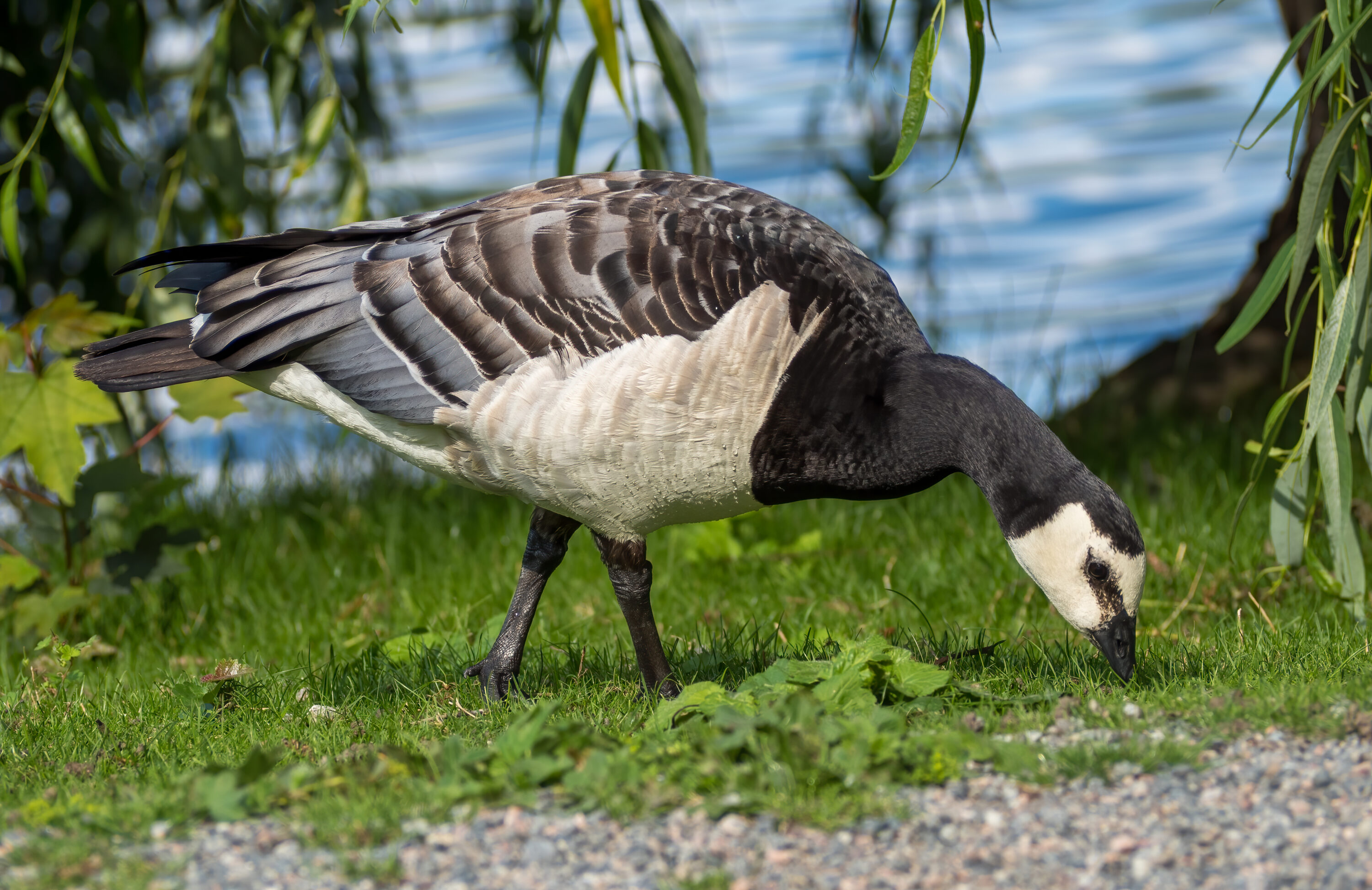
Barnacle Goose Breeding Population Fell 98% on Gotland and Öland – Eagle Predation a Likely Factor
Breeding pairs of Barnacle Geese on Gotland and Öland fell from about 5,290 in 2002 to roughly 100…
Read story →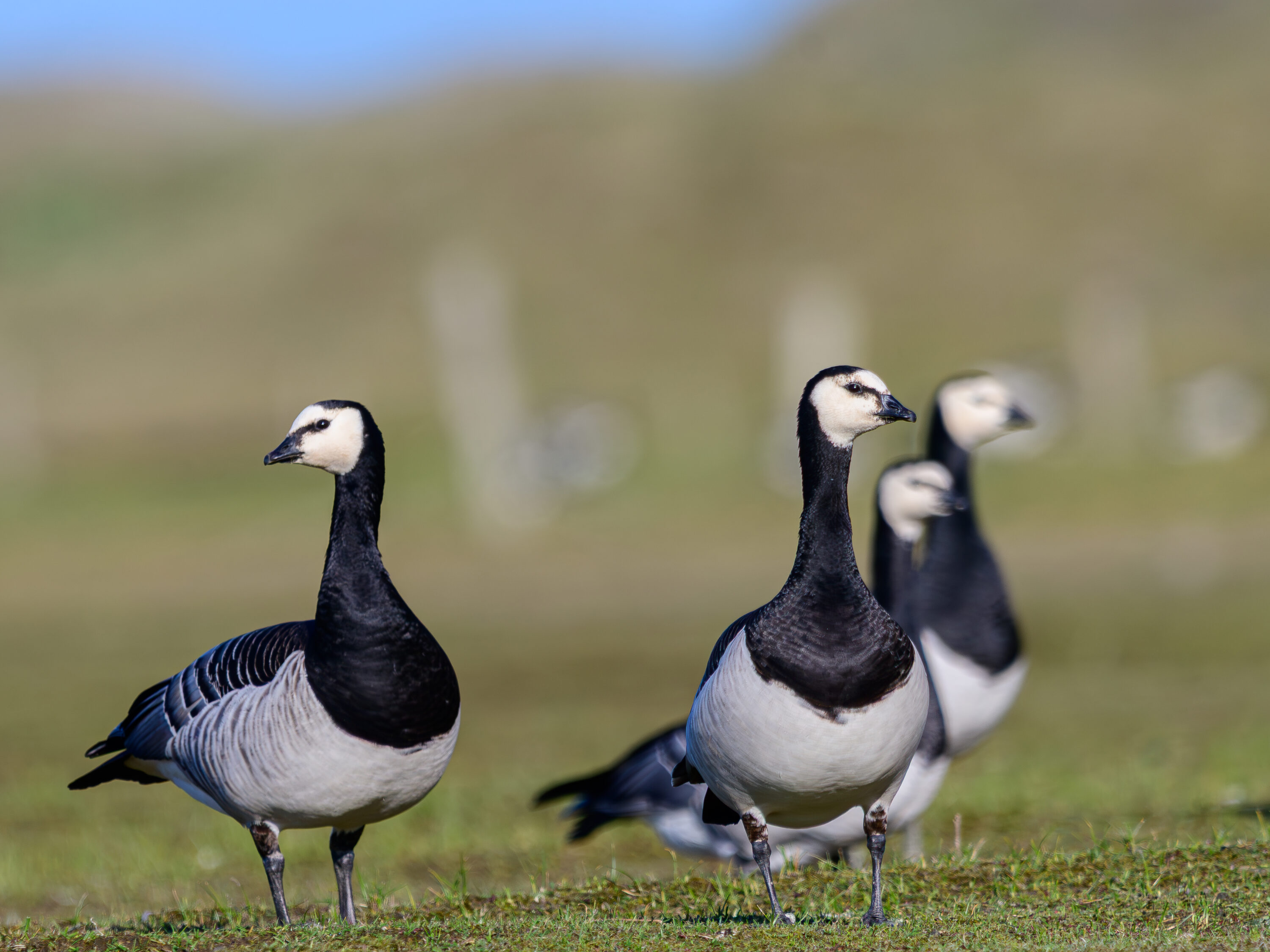
European Commission Published New Guidance on Barnacle Goose Conflicts
New European Commission guidance published on 31 July 2026 explains how Article 9 derogations can be used in…
Read story →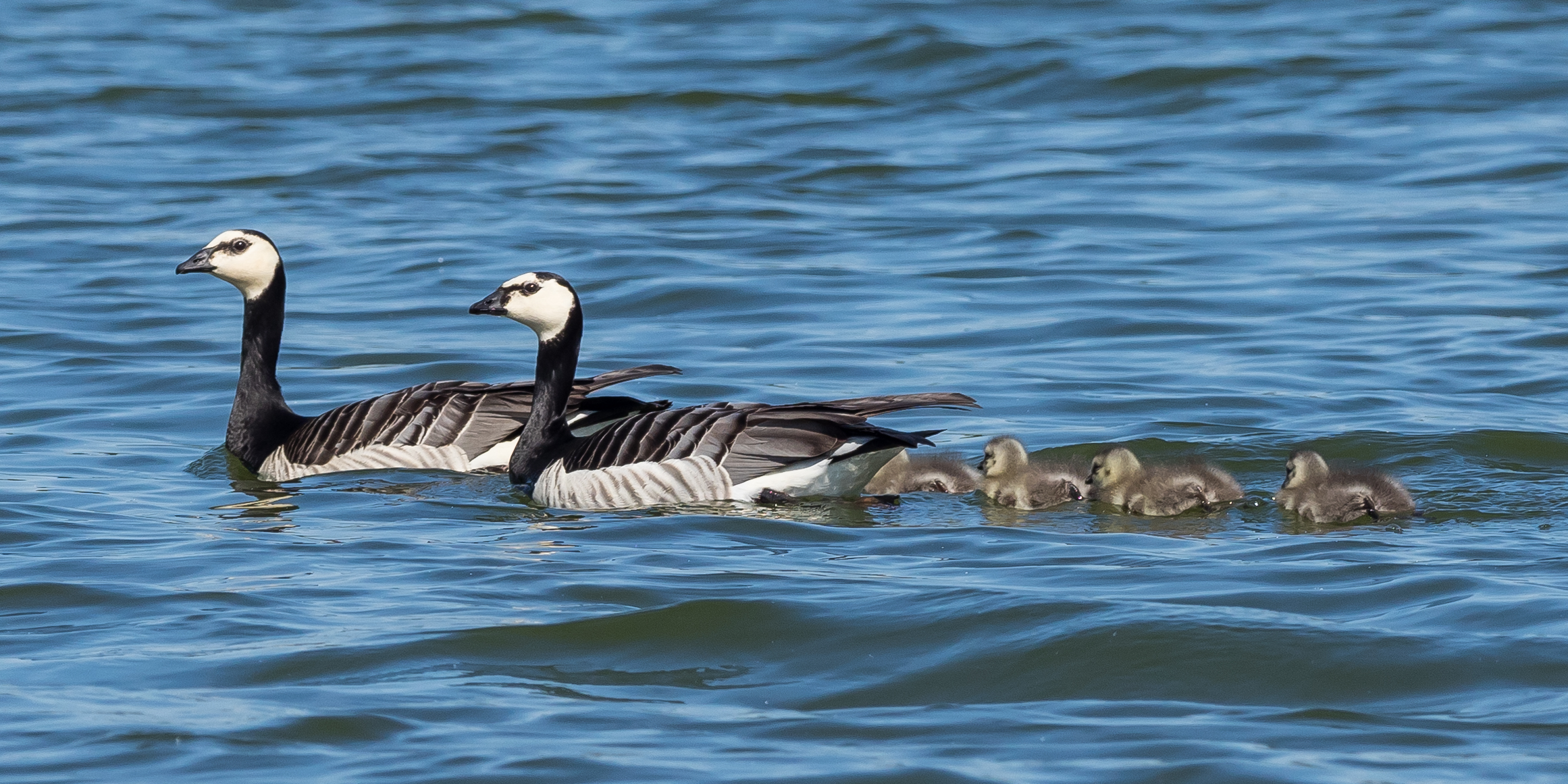
Mercury Was Linked to Physiological Changes in Barnacle Goose Goslings but Not Adults
In wild Svalbard barnacle geese, goslings with more mercury in their red blood cells had lower 4-HNE, a…
Read story →SPECIES IN THIS STORY
Species in this story
Independent research and conservation news archive
Did you find this information useful?
Wildlife Vagabond is independently built and maintained. Voluntary support helps cover source verification, hosting and continued work on research and conservation news.
Support Wildlife VagabondThe news archive will remain freely available.