
Mercury Was Linked to Physiological Changes in Barnacle Goose Goslings but Not Adults
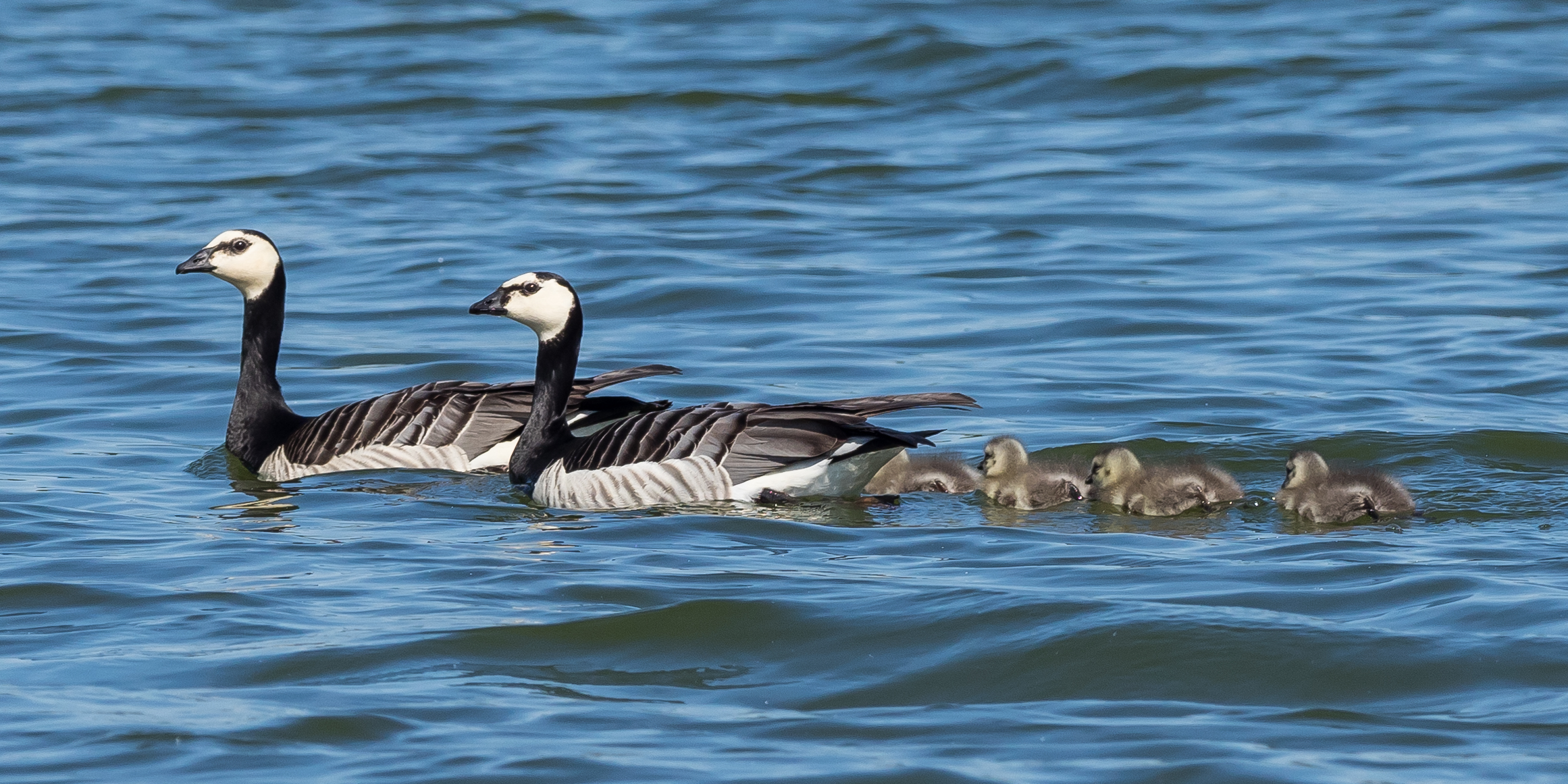
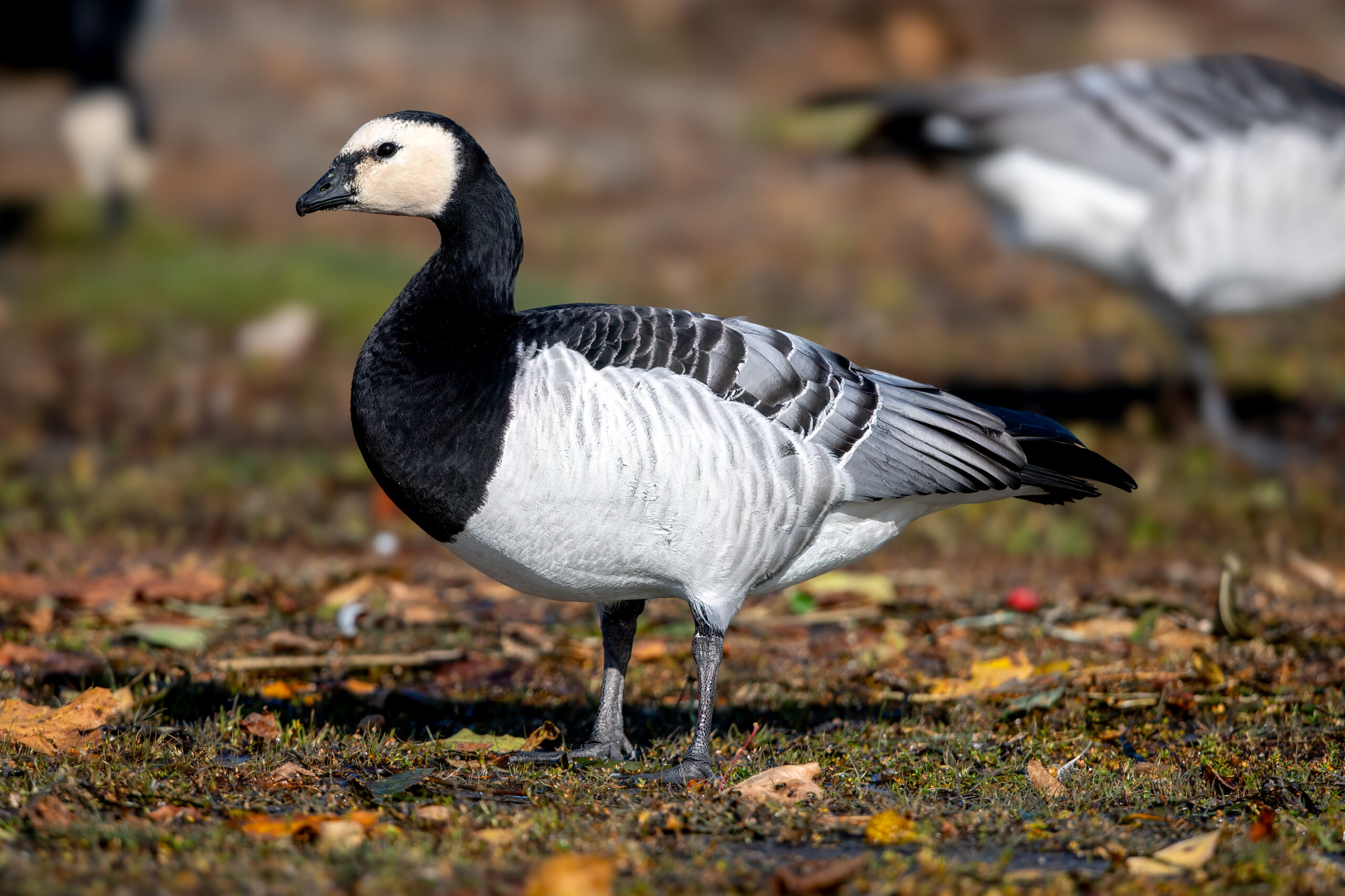
Among wild barnacle goose goslings (Branta leucopsis) breeding on Svalbard, those with more mercury in their red blood cells had lower levels of 4-hydroxynonenal (4-HNE) and several metabolites. Mercury is a toxic contaminant that accumulates in Arctic ecosystems and becomes more concentrated along food webs. 4-HNE is produced when fats in cell membranes are damaged by oxidation, so it is used as a marker of lipid oxidative damage. Adults carried more mercury in their red blood cells than goslings, but showed none of the same mercury–physiology patterns.
In the blood samples, the researchers measured mercury in erythrocytes, 4-HNE, a broad panel of small molecules involved in metabolism, and telomere length. Telomeres are protective DNA structures at chromosome ends whose length can change with age, growth and physiological stress. The study was published online on 20 July 2026 in Environmental Pollution.
More mercury did not mean more oxidative damage in the goslings
The 4-HNE result ran counter to the simple expectation that more mercury would mean more oxidative damage. The authors suggest that the goslings may have compensated by increasing antioxidant protection at these relatively low exposure levels. They interpret the lower concentrations of several metabolites as a possible sign that rapid growth was placing limits on metabolic resources. These are proposed explanations for the observed patterns, not mechanisms the study demonstrated directly.
Telomere length tended to increase with mercury in goslings, but the evidence was not strong enough for a clear relationship. The authors interpret the overall age difference as a sign that early development may be more sensitive to low environmental mercury exposure, even when adults carry higher mercury concentrations overall.
Physiology
Related news
Barnacle Goose Breeding Population Fell 98% on Gotland and Öland – Eagle Predation a Likely Factor
Breeding pairs of Barnacle Geese on Gotland and Öland fell from about 5,290 in 2002 to roughly 100…
Read story →
European Commission Published New Guidance on Barnacle Goose Conflicts
New European Commission guidance published on 31 July 2026 explains how Article 9 derogations can be used in…
Read story →
East Greenland Barnacle Geese Fell to 65,516 While the Russian Flyway Held Near 1.5 Million
AEWA’s 2026 assessment estimated 65,516 East Greenland barnacle geese in March 2026, down from earlier peaks of 80,000,…
Read story →SPECIES IN THIS STORY
Species in this story
Independent research and conservation news archive
Did you find this information useful?
Wildlife Vagabond is independently built and maintained. Voluntary support helps cover source verification, hosting and continued work on research and conservation news.
Support Wildlife VagabondThe news archive will remain freely available.