
Barnacle Goose Breeding Population on Gotland and Öland Fell 98% as Adult Survival Declined
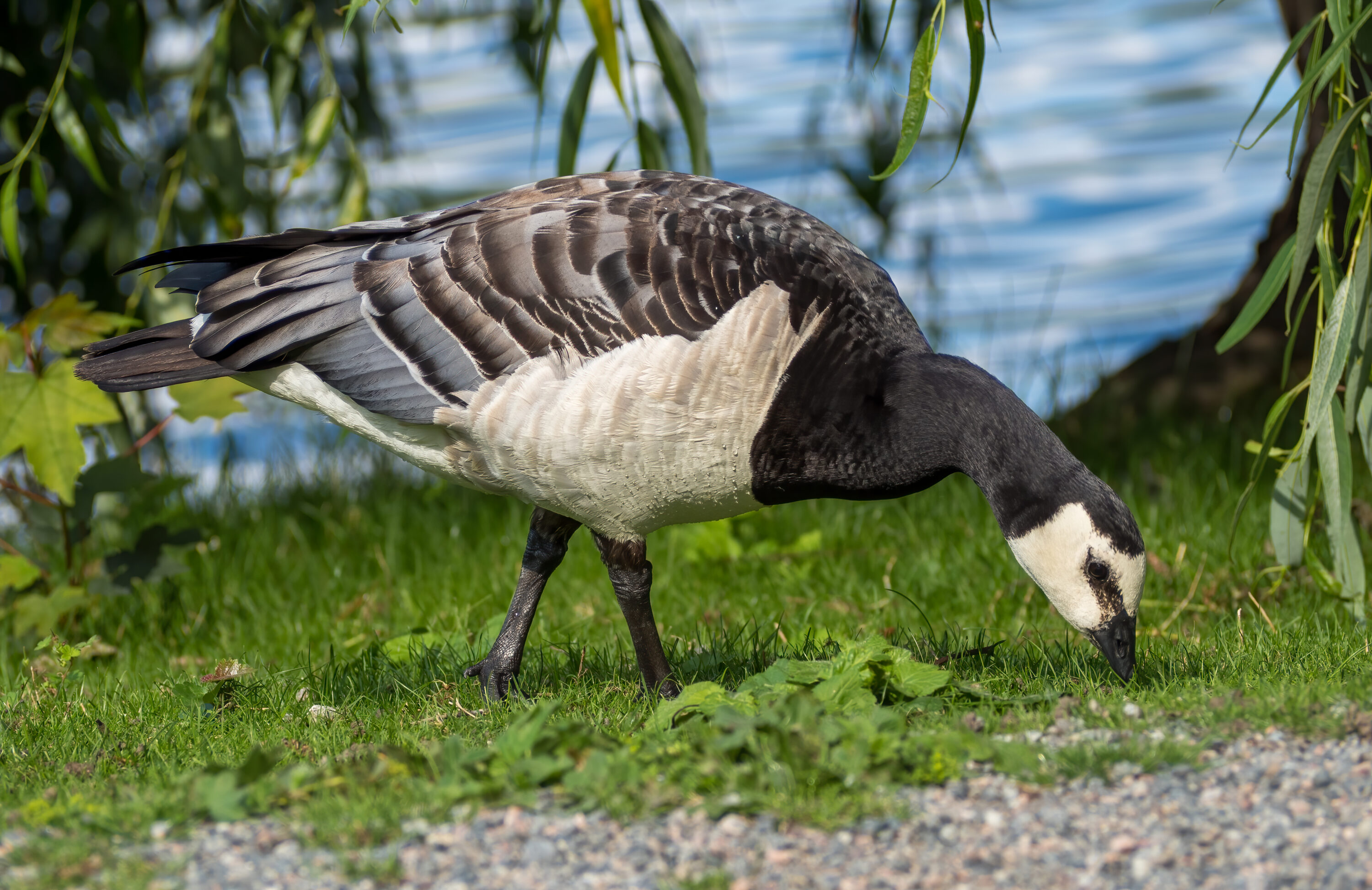
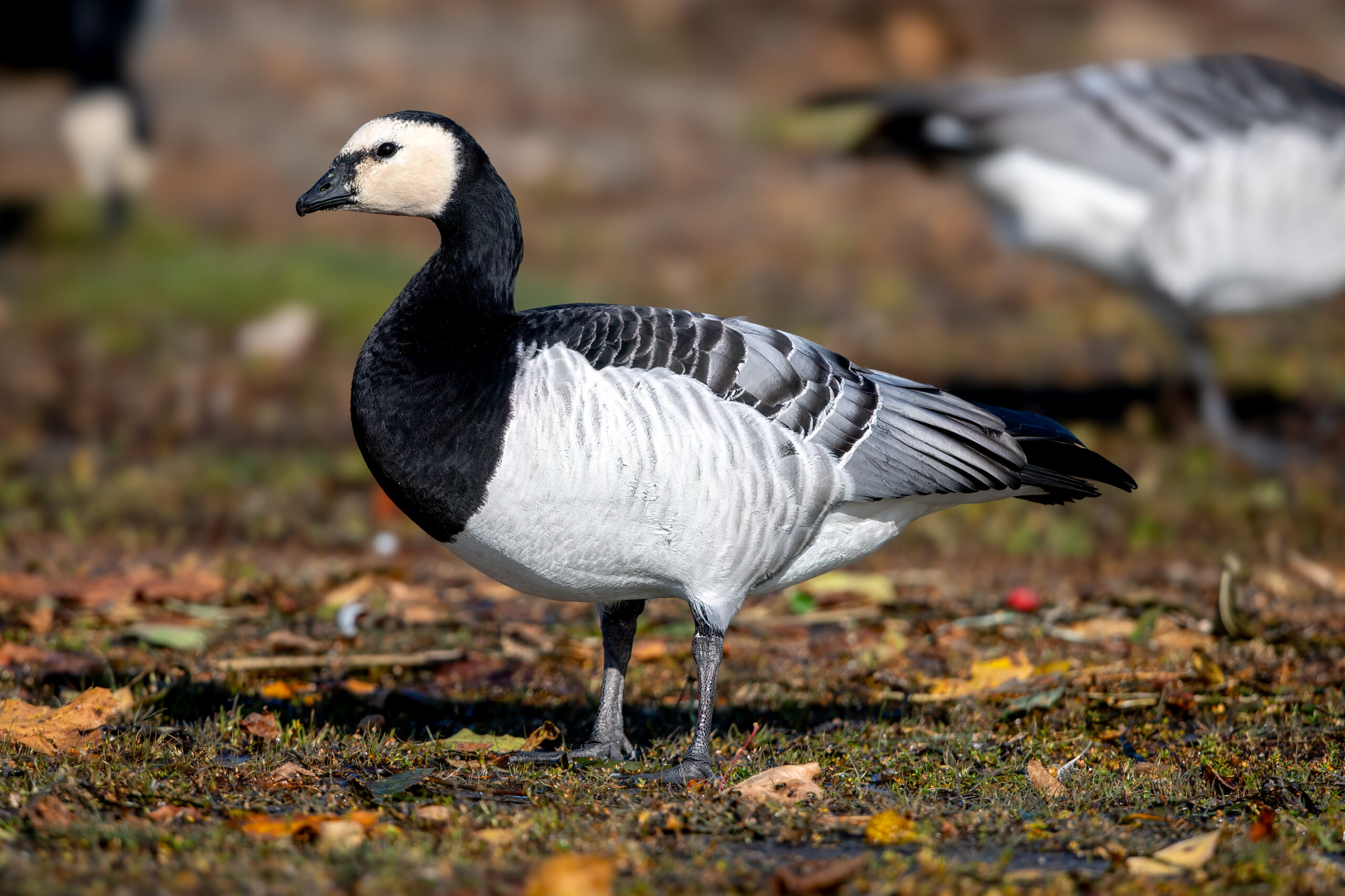
A long-term Barnacle Goose population on the Swedish Baltic islands of Gotland and Öland rose from a single breeding pair in 1971 to about 5,290 pairs in 2002, then collapsed to roughly 100 pairs by 2025. A new analysis of the 55-year series concludes that reduced reproduction alone could not explain the 98% decline.
Instead, the population model required a strong reduction in adult survival, most plausibly linked to intensified predation by the growing White-tailed Eagle population, together with increased dispersal of young females away from their natal colonies.
This was a collapse of the former Gotland–Öland core, not a decline of Barnacle Geese across Sweden as a whole. Outside the two islands, the estimated Swedish breeding population increased from about 1,400 pairs around 2010 to about 4,000 pairs in 2025, while other smaller Baltic colonies together held around 14,000 breeding pairs by the mid-2020s. The study therefore describes a major redistribution and local collapse of a former core population.
Low reproduction was not enough to explain the collapse
Barnacle Geese (Branta leucopsis) began breeding in the temperate Baltic region during the species’ broader expansion from Arctic breeding areas. Gotland and Öland eventually held a major share of the Baltic breeding population.
During the decline phase, clutch size and the number of fledged young fell or remained low. Yet when the researcher modelled the population using the observed production of fledged young while keeping survival and dispersal at values measured during the earlier growth phase, the model predicted only a small decline. The observed number of breeding pairs fell by 98% from 2002 to 2025.
That mismatch showed that changes after fledging and among adults had to be important as well.
Adult survival had to fall sharply
During the earlier period of population growth, annual survival of adult females had been estimated at 95.9%. Population trajectories resembling the observed collapse required much lower survival during the later decades. In the model that most closely followed the decline, adult survival progressively fell and reached about 75% from 2011 onward.
The exact annual survival values in the model are not direct measurements for every later year. They show how large a survival reduction would be needed for the demographic accounting to reproduce the observed population trajectory.
White-tailed Eagles increasingly preyed on breeding geese
Field observations provided an ecological mechanism for that loss of adult survival. White-tailed Eagles (Haliaeetus albicilla) increased strongly in the Baltic Sea region, and predation on adult geese became especially intense during incubation. Carcasses of adult geese were repeatedly found in breeding colonies, while eagles also killed flightless juveniles during brood rearing.
The researcher argues that the true number of adults killed was probably higher than carcass counts because some predation occurred after surveys or outside periods when carcasses could be found. After late July, when juveniles could fly and adults had completed wing moult, successful eagle predation on geese appeared much less common.
For a long-lived bird such as a goose, adult survival has a particularly strong effect on population growth. Even modest sustained losses among breeding adults can therefore alter population trajectories more strongly than a similar proportional change in reproductive output.
Young females also dispersed more
Increased natal dispersal — females breeding away from the colonies where they hatched — probably contributed to the decline. But even unrealistically high dispersal values could not reproduce the observed collapse unless adult survival was also reduced.
The study therefore identifies a combination rather than a single demographic process: low reproductive output weakened recruitment, more young females left their natal colonies, and intensified White-tailed Eagle predation reduced adult survival. Together these changes transformed one of the Baltic region’s rapidly expanding goose populations into a small remnant within little more than two decades.
Population & status
Related news
European Commission Published New Guidance on Barnacle Goose Conflicts
New European Commission guidance published on 31 July 2026 explains how Article 9 derogations can be used in…
Read story →
Mercury Was Linked to Physiological Changes in Barnacle Goose Goslings but Not Adults
In wild Svalbard barnacle geese, goslings with more mercury in their red blood cells had lower 4-HNE, a…
Read story →
East Greenland Barnacle Geese Fell to 65,516 While the Russian Flyway Held Near 1.5 Million
AEWA’s 2026 assessment estimated 65,516 East Greenland barnacle geese in March 2026, down from earlier peaks of 80,000,…
Read story →SPECIES IN THIS STORY
Species in this story
Independent research and conservation news archive
Did you find this information useful?
Wildlife Vagabond is independently built and maintained. Voluntary support helps cover source verification, hosting and continued work on research and conservation news.
Support Wildlife VagabondThe news archive will remain freely available.