
Bartonella Was Detected in 24.9% of Golden Jackals Sampled Across Israel
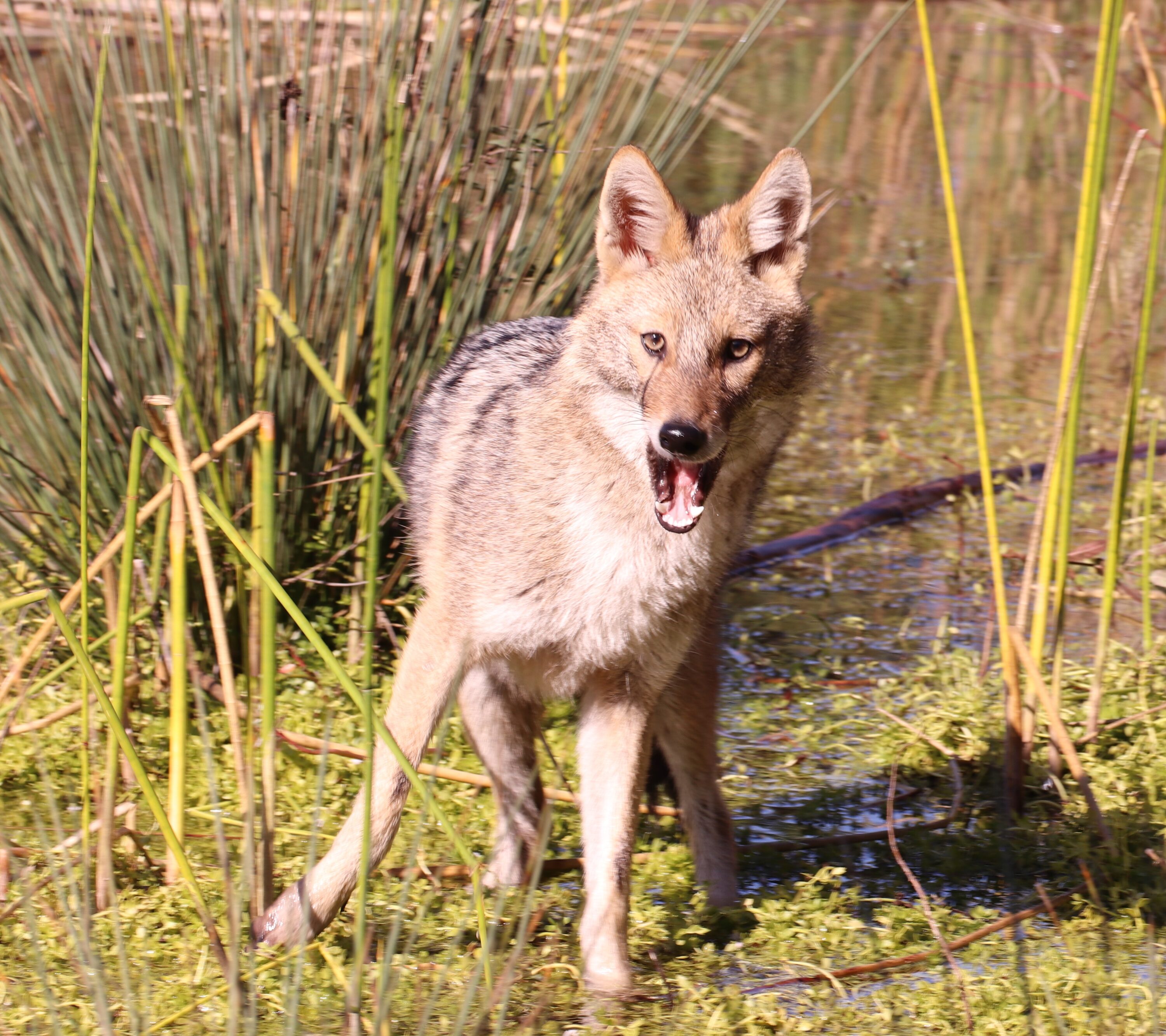
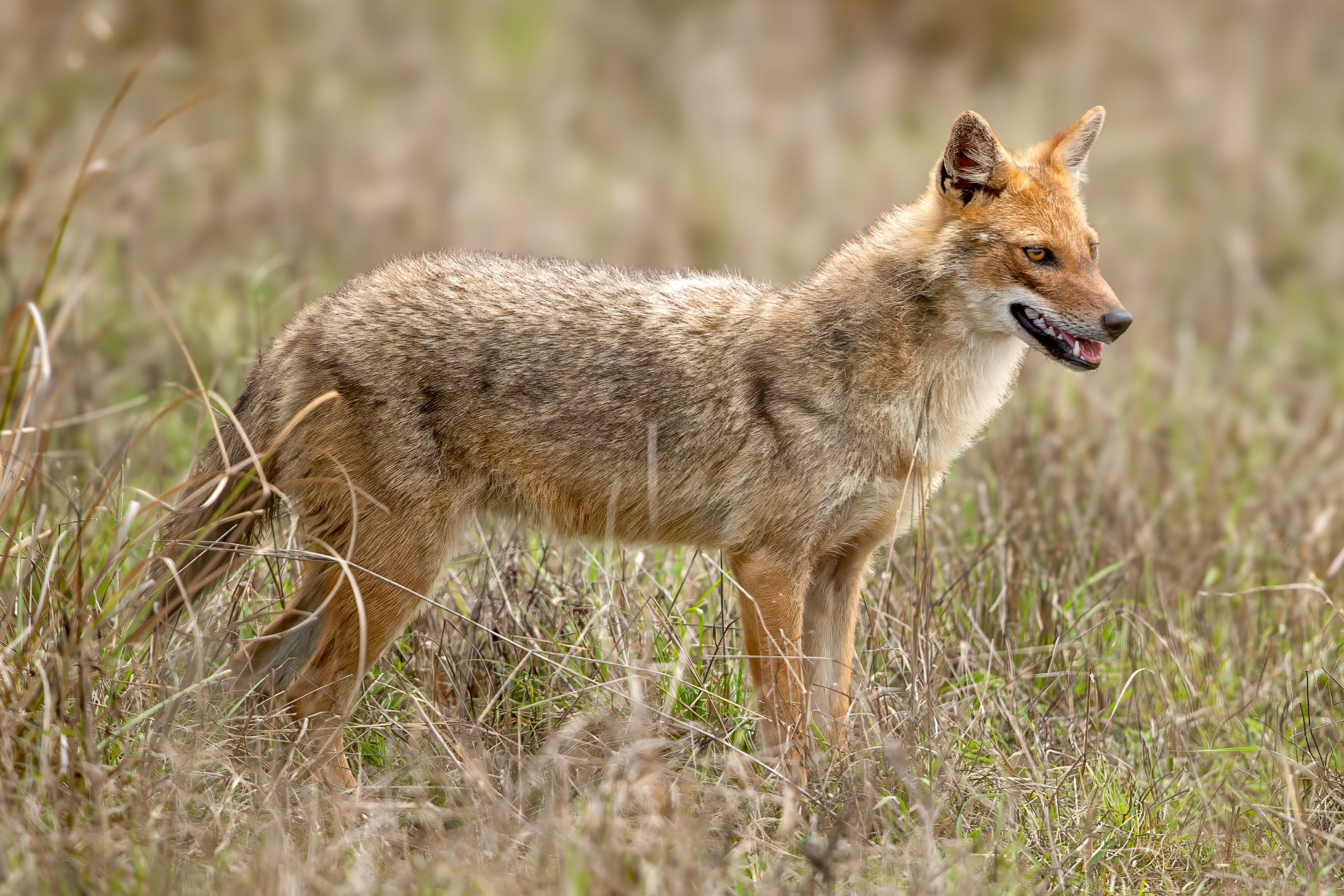
Bartonella are bacteria spread by blood-feeding arthropods that can circulate among wildlife, domestic animals and people. Their DNA was detected in 113 of 454 golden jackals (Canis aureus) sampled across Israel, a prevalence of 24.9%, according to research published on 15 July 2026. The study also included red foxes (Vulpes vulpes) and gray wolves (Canis lupus) and examined the diversity and distribution of these vector-borne bacteria in wild canids.
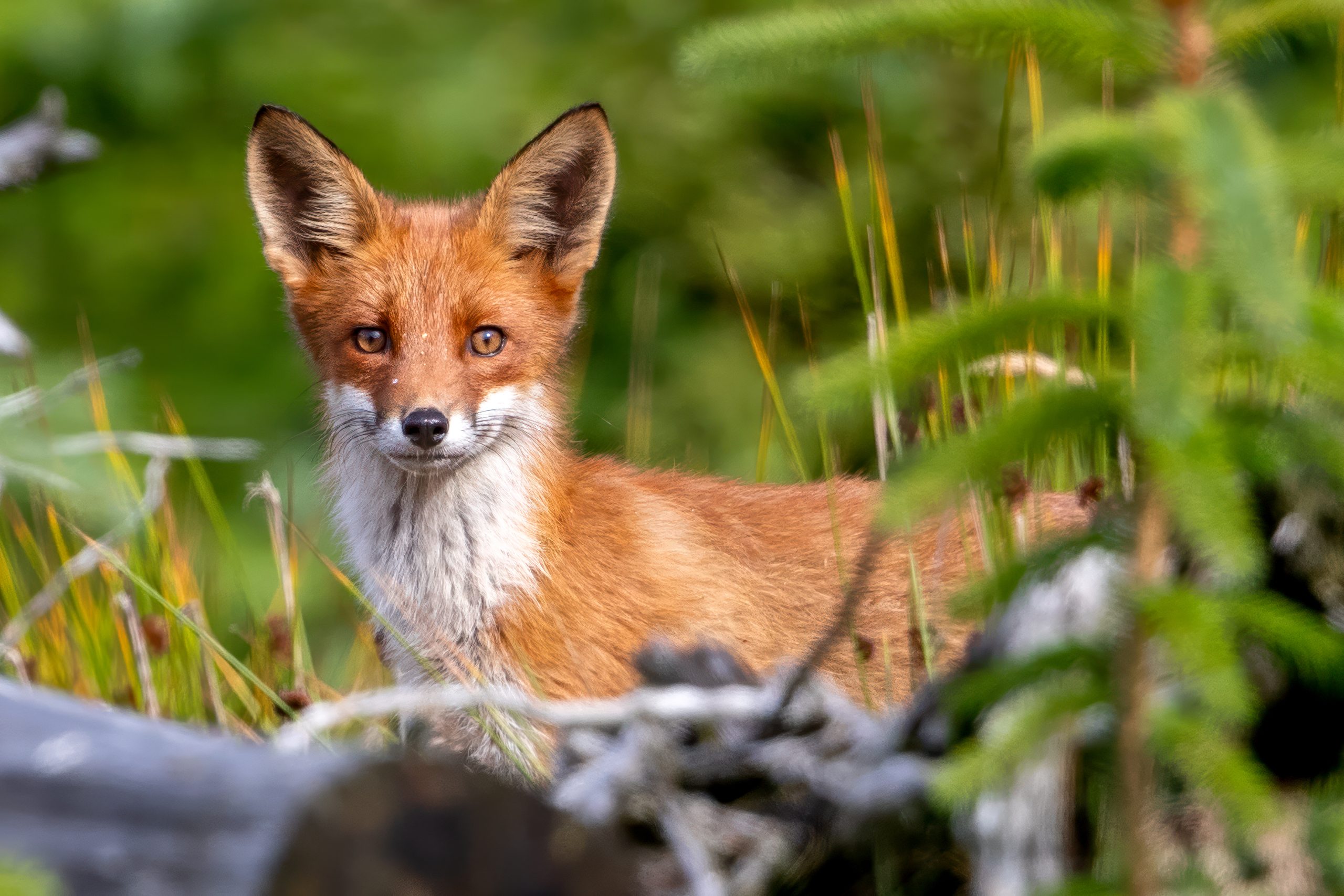
Blood samples were collected from 158 sampling sites between 2018 and 2025. Four of 12 red foxes were positive, while none of the seven wolves tested positive. Positive samples were examined further with additional genetic markers to identify the bacteria present.
Four Bartonella species were identified
The researchers identified four species: “Candidatus Bartonella merieuxii”, Bartonella rochalimae, B. henselae and B. vinsonii subsp. berkhoffii. “Ca. B. merieuxii” was the most frequently detected. Several of the identified bacteria are associated with infections in people or domestic animals.
Among golden jackals, the observed proportion of positive animals was higher in hot-summer Mediterranean and hot semi-arid climate zones, and no positive jackals were found in the sampled hot-desert sites. However, positivity showed no clear association with season, region, climate zone or sex.
The high number of positive golden jackals and the diversity of species detected show that jackals are an important wild host for Bartonella circulation in Israel.
The authors place the findings in a One Health context, which treats human, animal and environmental health as interconnected. Wildlife disease surveillance can help clarify how vector-borne bacteria are maintained across landscapes shared by wild animals, domestic animals and humans.
Disease, parasites & microbiology
Related news
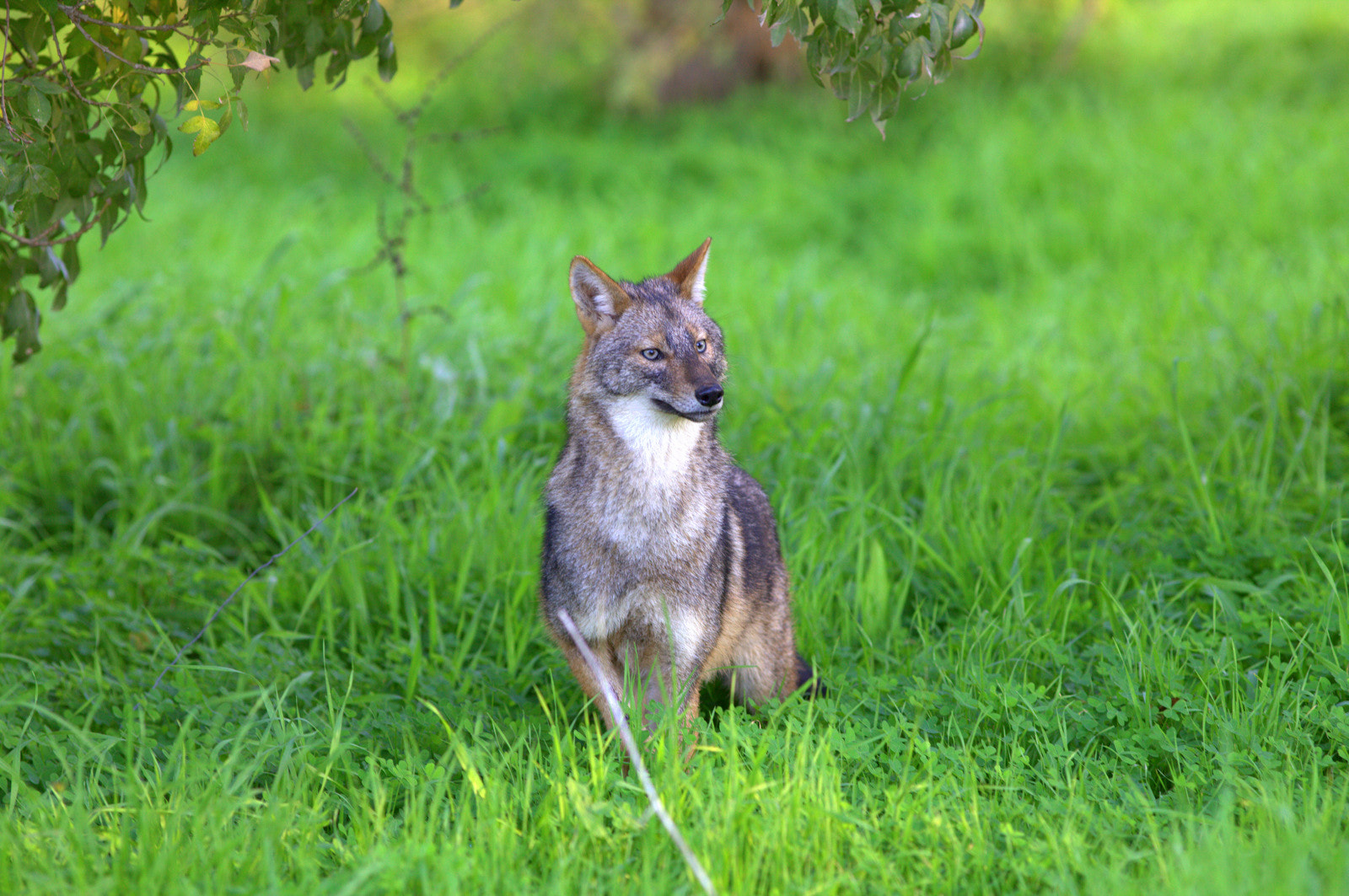
Similar Mammal Diversity, Different Activity Patterns in Grazed and Ungrazed Areas
Camera traps in four northern Israeli reserves found similar numbers of mammal species with and without livestock grazing.…
Read story →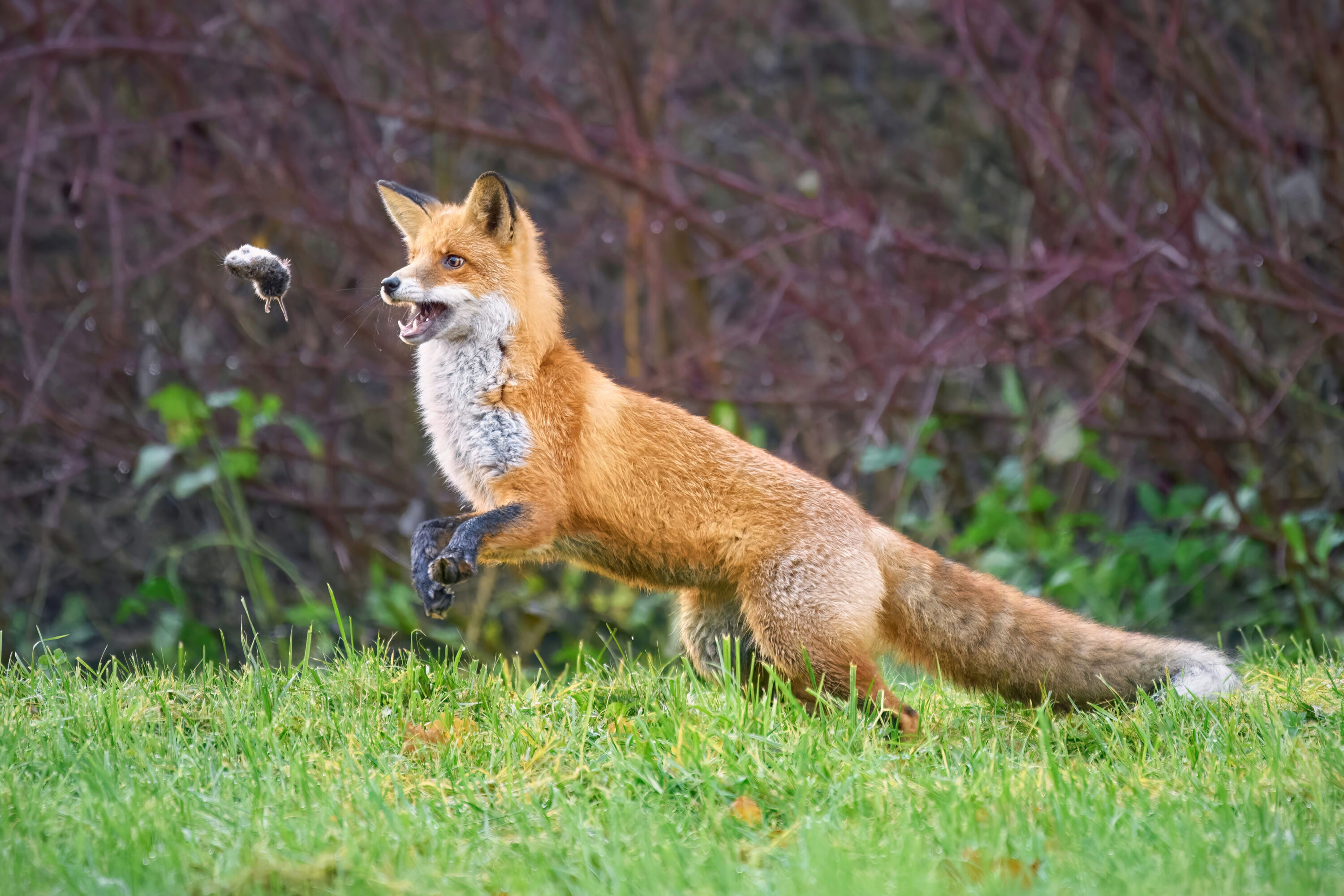
Common Voles and European Wood Mice Contacted Fox and Jackal Scat Most Often in Autumn and Winter
Camera traps in Hungary recorded six rodent taxa around red fox and golden jackal scat, with common voles…
Read story →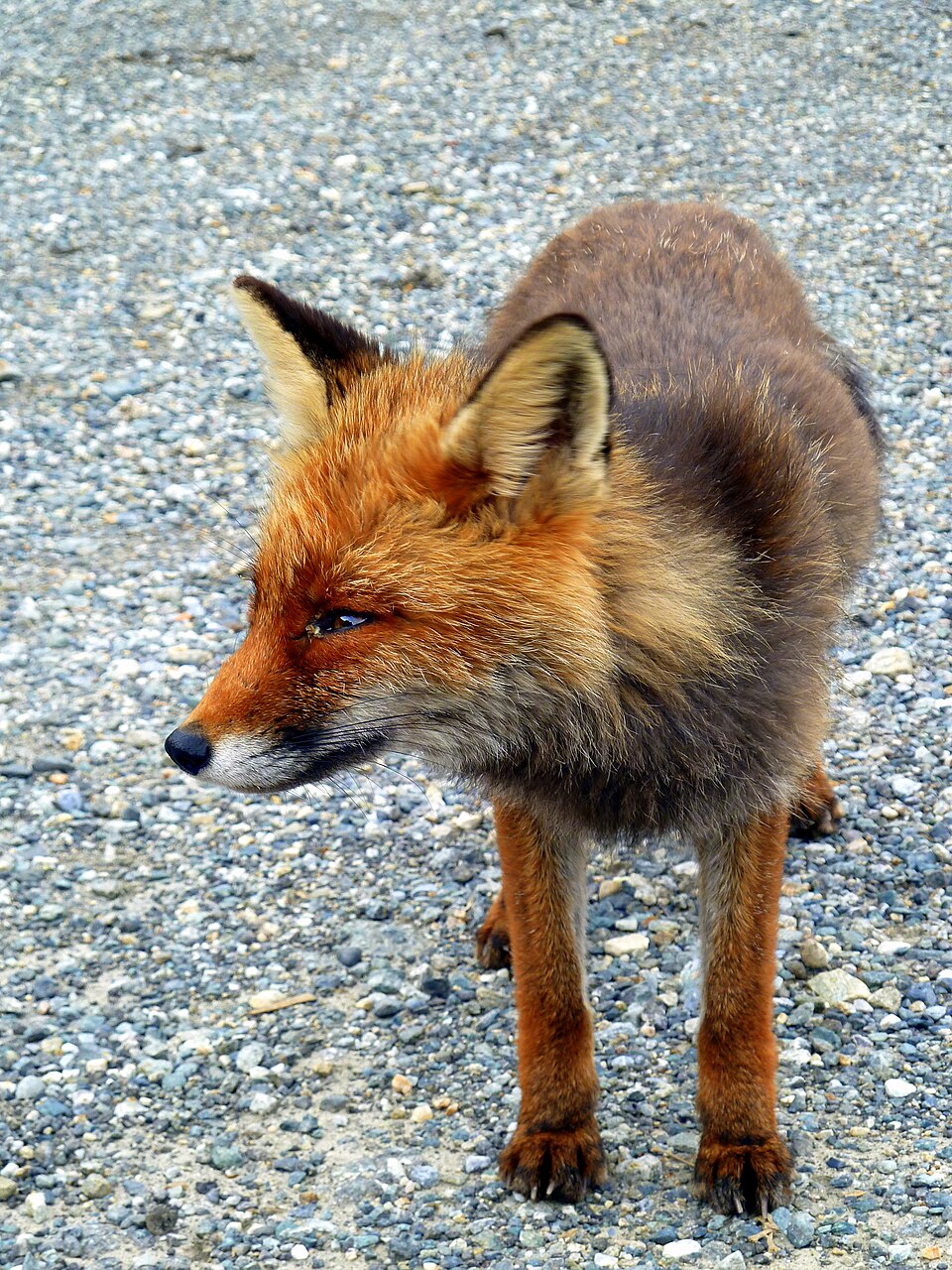
Wolf Kills Provided Plenty of Food for Red Foxes
Red foxes visited all 26 wolf-killed red deer monitored in Stelvio National Park. The amount of meat left…
Read story →SPECIES IN THIS STORY
Species in this story
Independent research and conservation news archive
Did you find this information useful?
Wildlife Vagabond is independently built and maintained. Voluntary support helps cover source verification, hosting and continued work on research and conservation news.
Support Wildlife VagabondThe news archive will remain freely available.